

The Melbourne CarExpert office has secured yet another long-term test car, and this time it’s a Nissan electric vehicle (EV)… that isn’t the Leaf. In other words, it’s the Ariya!
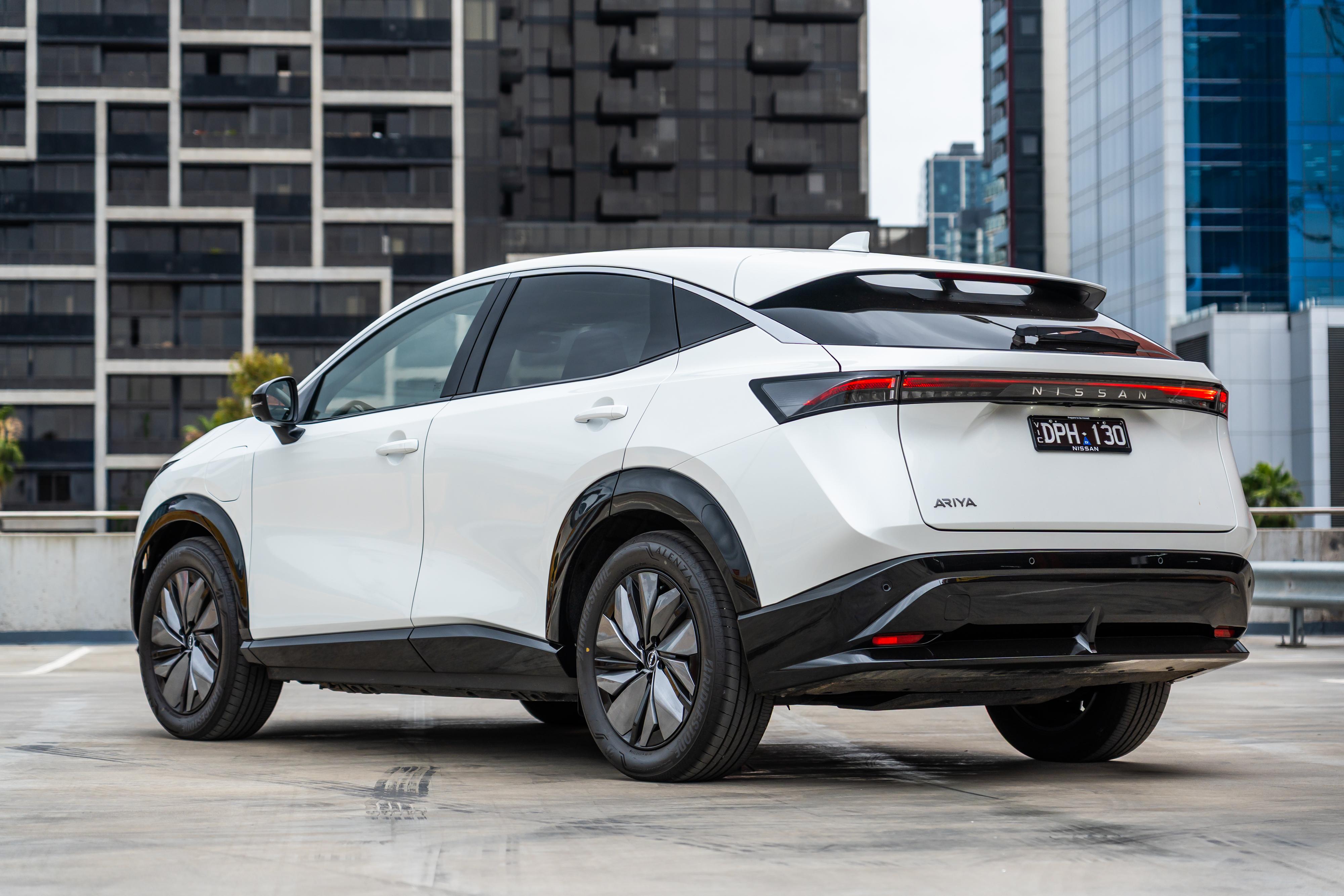
I put it that way because if I asked you to name a Nissan EV, you’d probably name the Leaf hatchback, and for good reason. After all, the Leaf made headlines as the world’s first mass-market EV when it broke cover in 2009 and has remained a staple of the model lineup since.
Meanwhile, Nissan Australia hasn’t really launched any subsequent electric models to complement it… until now. Three years after its global launch, the mid-size Ariya electric SUV finally arrived Down Under late last year to a mixed reception, with our first impressions praising its packaging but bemoaning choppy ride quality on rough roads.
But what’s Nissan’s Tesla Model Y rival like to live with every day? It’s time to find out. I’ll be driving a mid-spec Advance+ for the next three months to see how the Ariya fares over the longer haul, and more specifically how it copes with my busy urban lifestyle.
How much does the Nissan Ariya cost?
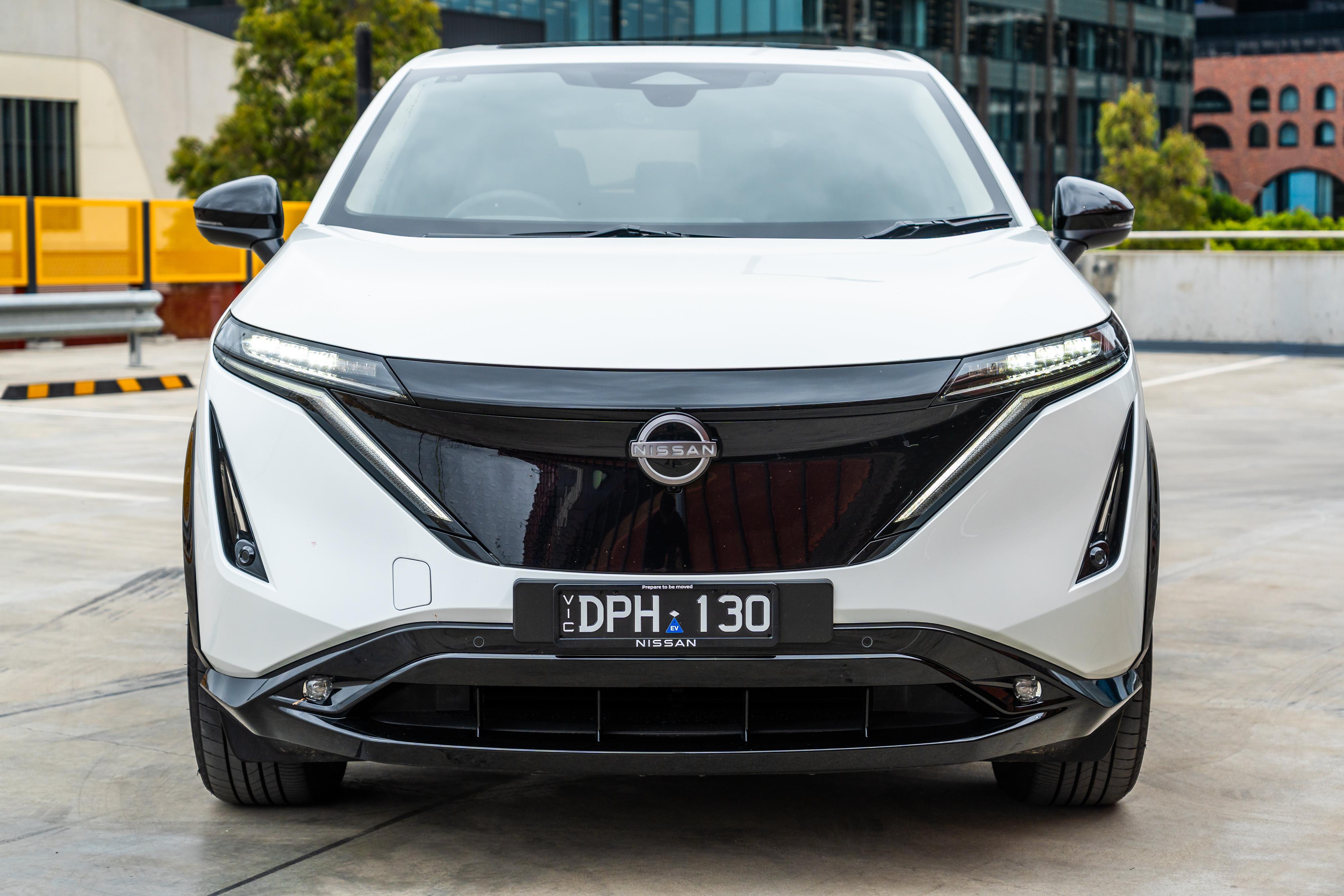
As the most expensive single-motor variant in the Ariya lineup, the Advance+ is positioned to compete with the Tesla Model Y RWD, as well as equivalent versions of the Skoda Elroq, BYD Sealion 7, and Kia EV5.
| Model | Price before on-road costs |
|---|---|
| Nissan Ariya Engage | $55,840 |
| Nissan Ariya Advance | $59,840 |
| Nissan Ariya Advance+ | $63,840 |
| Nissan Ariya Evolve e-4ORCE | $71,840 |
Our test car works out at $70,729 drive-away, with two-tone paint adding $1562 to the standard asking price.
To see how the Nissan Ariya lines up against the competition, check out our comparison tool
What’s under the bonnet?
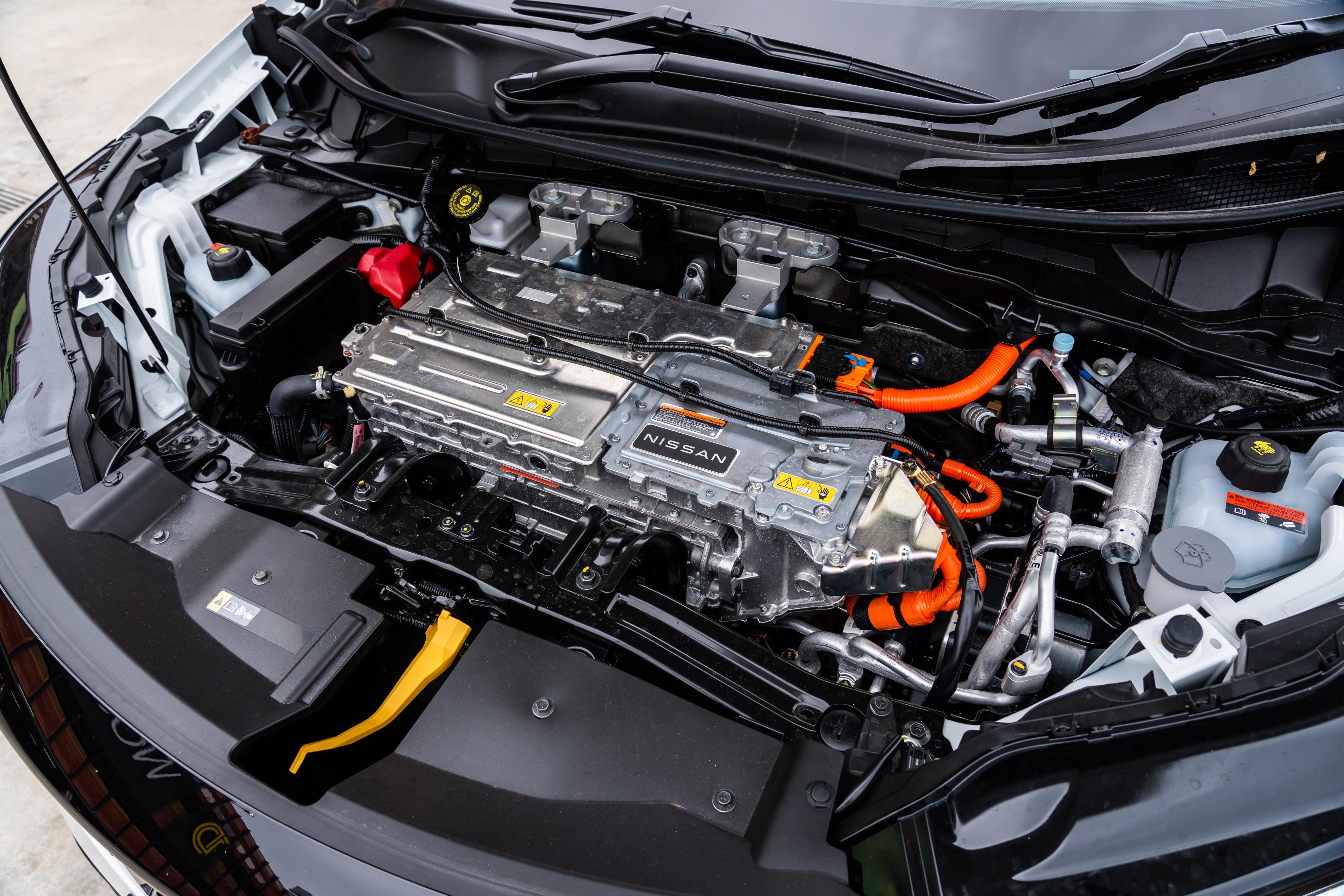
The Advance+ combines Nissan’s larger 87kWh battery pack with a single, front-mounted electric motor. This gives it the longest driving range of any Ariya variant, but also the least impressive performance credentials.
| Specifications | Nissan Ariya Advance+ |
|---|---|
| Drivetrain | Single-motor electric |
| Battery | 87kWh lithium-ion |
| Power | 178kW |
| Torque | 300Nm |
| Drive type | Front-wheel drive |
| Weight | 2078kg |
| 0-100km/h (claimed) | 8.1 seconds |
| Energy consumption (claimed) | 19.1kWh/100km |
| Claimed range(WLTP) | 504km |
| Max AC charge rate | 22kW |
| Max DC charge rate | 130kW |
Upon first inspection of the spec sheet, I’m not particularly looking forward to charging the Ariya. Not only will I be contending with Melbourne’s hit and miss public charging network, but Nissan also quotes a peak DC fast-charge rate of just 130kW for the Ariya, which is lower than the claims attached to the Model Y, Sealion 7, and Elroq.
To see how the Nissan Ariya lines up against the competition, check out our comparison tool
What do you get?
There are four trim levels in the Ariya lineup, of which the Advance+ sits second from top.
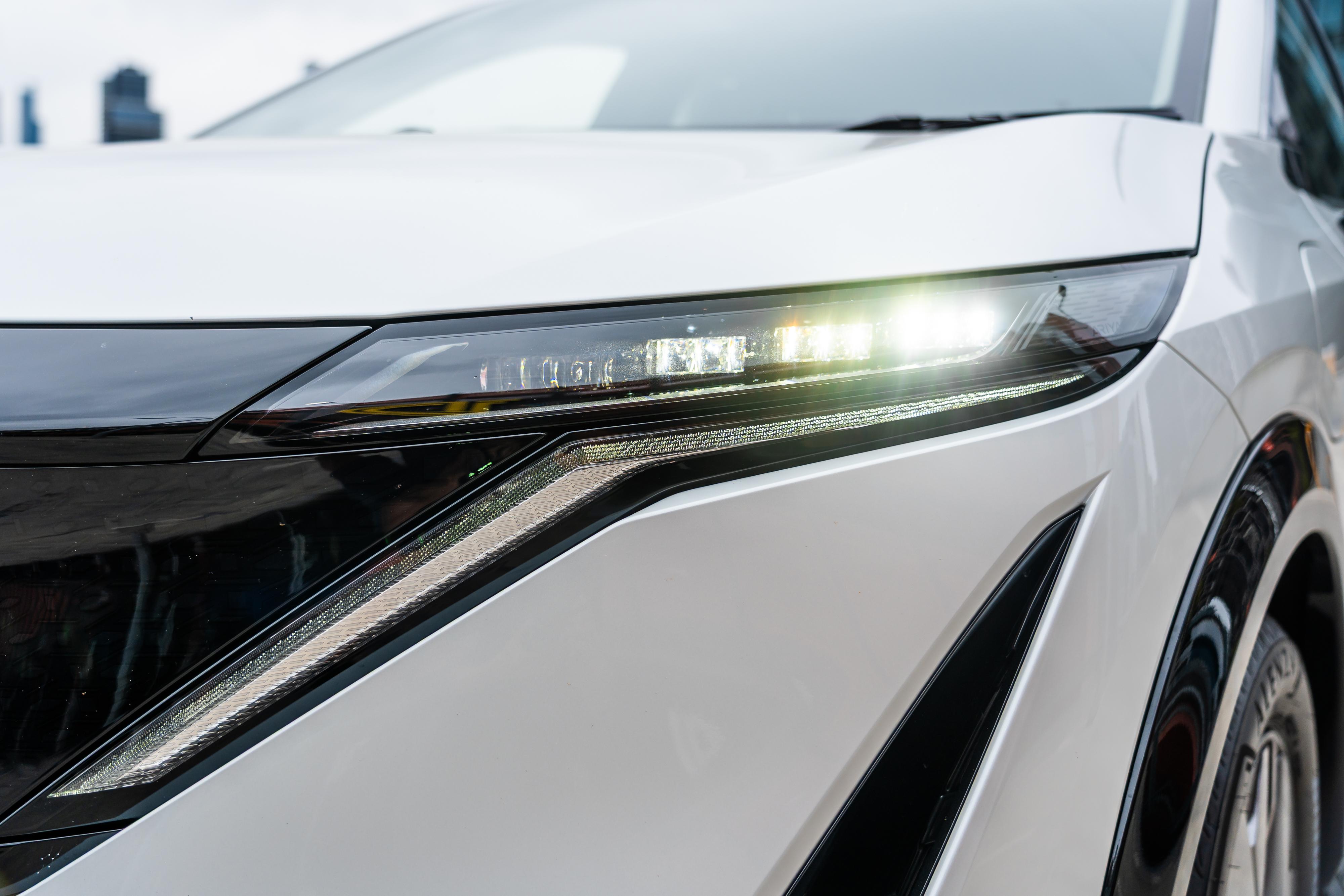
2025 Nissan Ariya Engage equipment highlights:
- 19-inch alloy wheels
- Tyre repair kit
- Automatic LED headlights
- Automatic high-beam
- Rain-sensing wipers
- Proximity entry
- Heated, power-folding exterior mirrors
- Electric park brake with auto-hold
- Eco, Standard, Sport drive modes
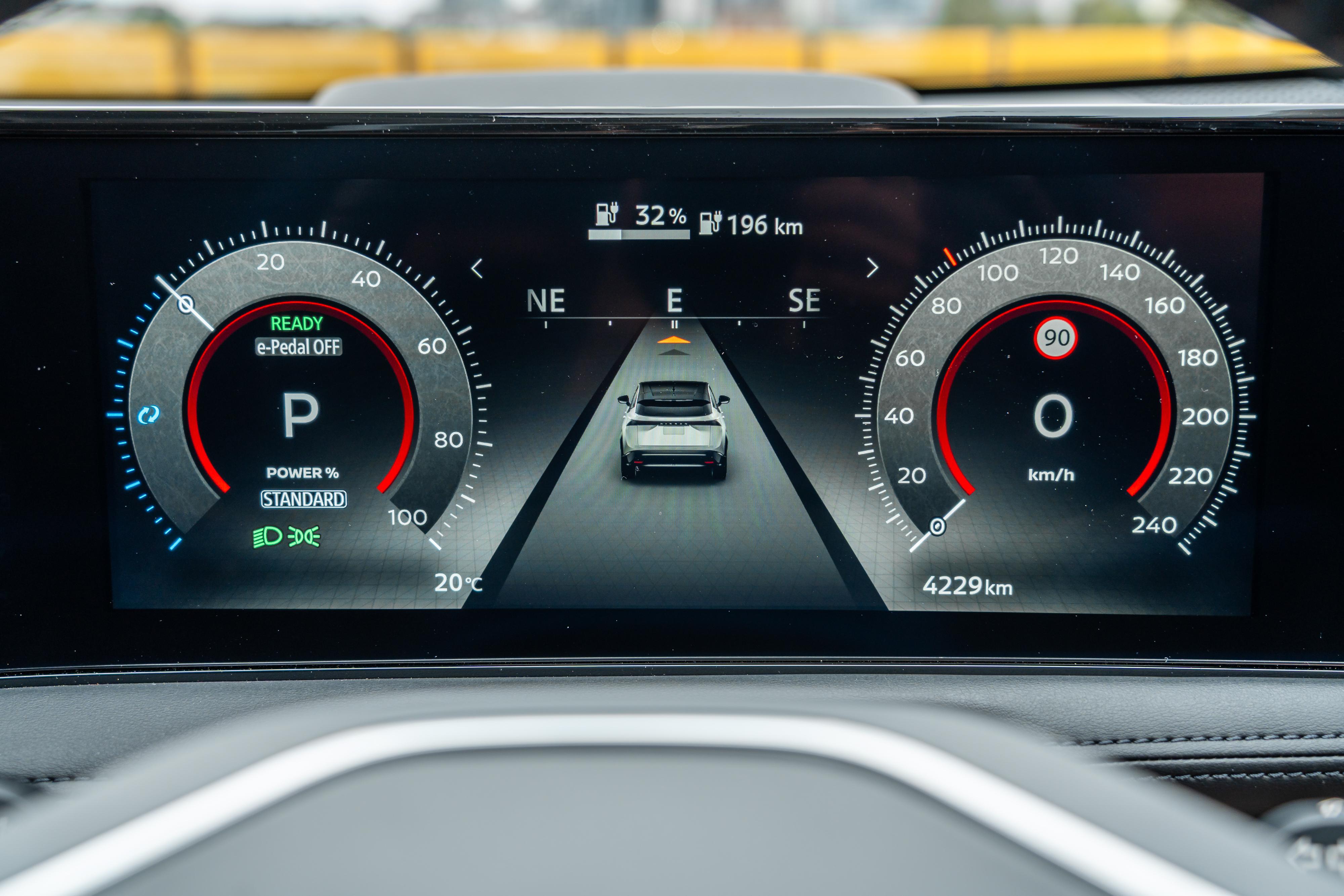
- 12.3-inch digital instrument cluster
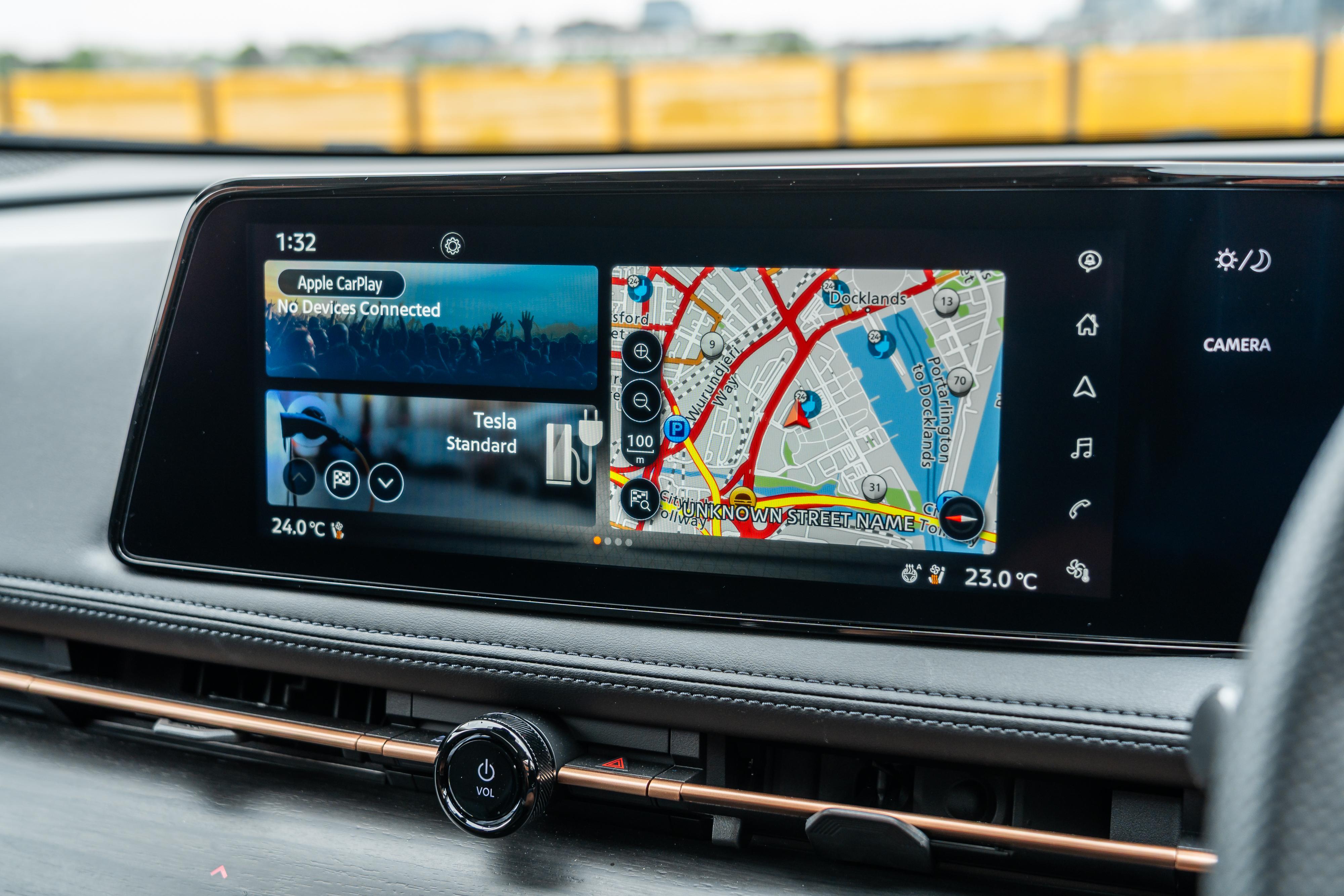
- 12.3-inch touchscreen infotainment system
- Satellite navigation
- Wireless Apple CarPlay
- Wired Android Auto
- Wireless phone charger
- 6-speaker sound system
- 2 x front USB outlets (Type A and C)
- 2 x rear USB outlets (Type A and C)
- Leather-accented steering wheel
- Tilt and telescopic steering wheel adjustment
- Dual-zone climate control
- 60:40 split/fold rear seats
- One-touch auto up/down power windows
Ariya Advance adds:
- LED front fog lights
- Hands-free power tailgate
- Rear privacy glass
- Cloth/leatherette upholstery
- Heated front seats
- Heated steering wheel
- 10-speaker Bose sound system
- 6-way power driver’s seat with 2-way power lumbar
- 6-way power passenger seat
Ariya Advance+ adds:
- Panoramic glass roof
- Sequential LED indicators
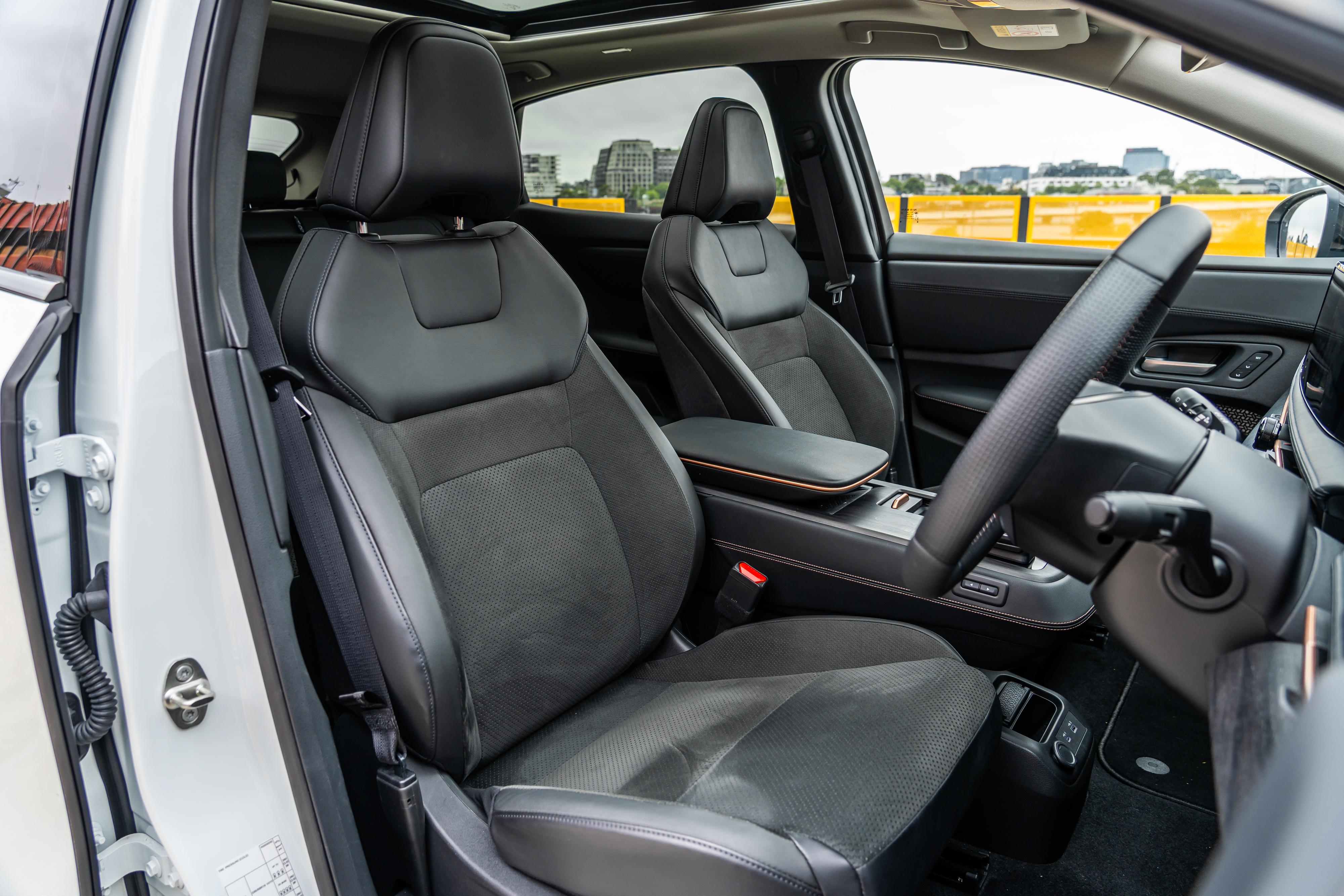
- Leatherette/Ultrasuede upholstery
- 8-way power-adjustable front seats with memory
- 4-way power lumbar for driver
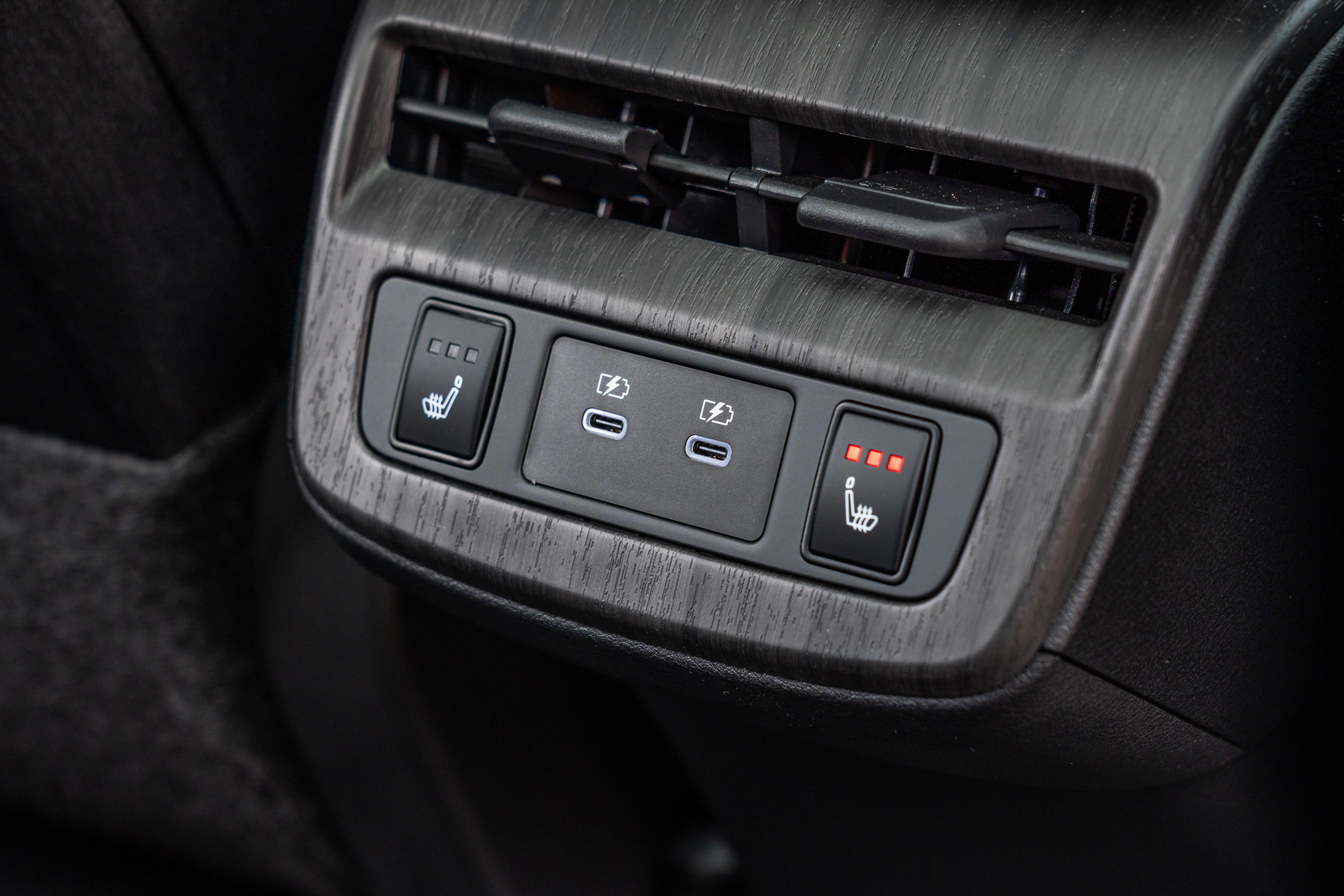
- Heated and ventilated front seats
- Heated rear seats
- Head-up display
- Power sliding centre console
Ariya Evolve adds:
- 20-inch alloy wheels
- 3-phase AC onboard charger
- Automatic LED headlights incl. Adaptive Driving Beam
- Matte chrome window surround
- Snow drive mode
- Reverse tilt function, memory for exterior mirrors
- Digital rear-view mirror
- Blue Nappa leather upholstery
- Power tilt, telescopic steering wheel adjustment incl. memory
To see how the Nissan Ariya lines up against the competition, check out our comparison tool
Is the Nissan Ariya safe?
The Nissan Ariya wears a five-star ANCAP safety rating across all variants in Australia and New Zealand.
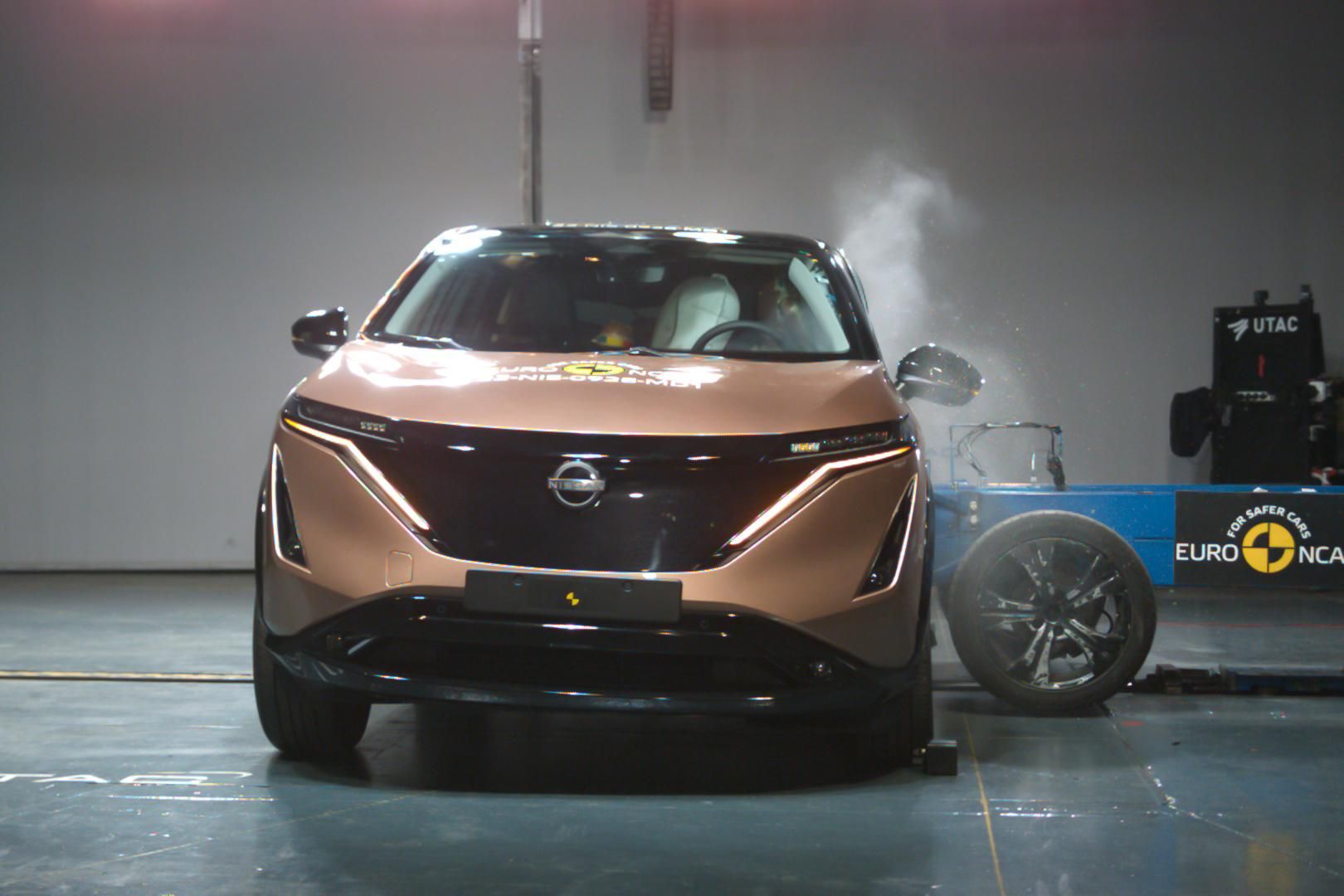
| Category | Nissan Ariya |
|---|---|
| Adult occupant protection | 86 per cent |
| Child occupant protection | 89 per cent |
| Vulnerable road user protection | 74 per cent |
| Safety assist | 93 per cent |
Standard safety equipment includes:
- Adaptive cruise control
- Autonomous emergency braking
- Pedestrian and cyclist detection
- Blind-spot assist
- Driver attention alert
- Lane-keep assist
- Rear cross-traffic alert
- Traffic sign recognition
- Tyre pressure monitoring
- Front and rear parking sensors
- Reversing camera
- Front, front-side and curtain airbags
Ariya Advance adds:
- Intelligent Around View Monitor – 360 cameras
- incl. Moving Object Detection
To see how the Nissan Ariya lines up against the competition, check out our comparison tool
How much does the Nissan Ariya cost to run?
Nissan Australia covers its range with a 10-year, 300,000km warranty provided you maintain your vehicle within the company’s dealer network – otherwise it’s five years and unlimited kilometres.
| Servicing and Warranty | Nissan Ariya |
|---|---|
| Warranty | Up to 10 years or 300,000km |
| Roadside assistance | Up to 10 years or 300,000km |
| Service intervals | 12 months or 20,000 kilometres |
| Capped-price servicing | 5 years |
| Annual service costs | $299 |
| Total capped-price service cost | $1495 |
Five years of capped-price servicing will set you back $1495 – more than what you’ll pay to maintain an Elroq over the same period, but less than the amounts advertised for the Sealion 7 and Geely EX5.
Tesla, on the other hand, adopts a condition-based approach to servicing. So, rather than requiring adherence to a fixed schedule, the brand alerts owners when their vehicle needs maintenance via the infotainment touchscreen.
To see how the Nissan Ariya lines up against the competition, check out our comparison tool
CarExpert’s Take on the Nissan Ariya
First impressions matter, and the Ariya has made a strong one.
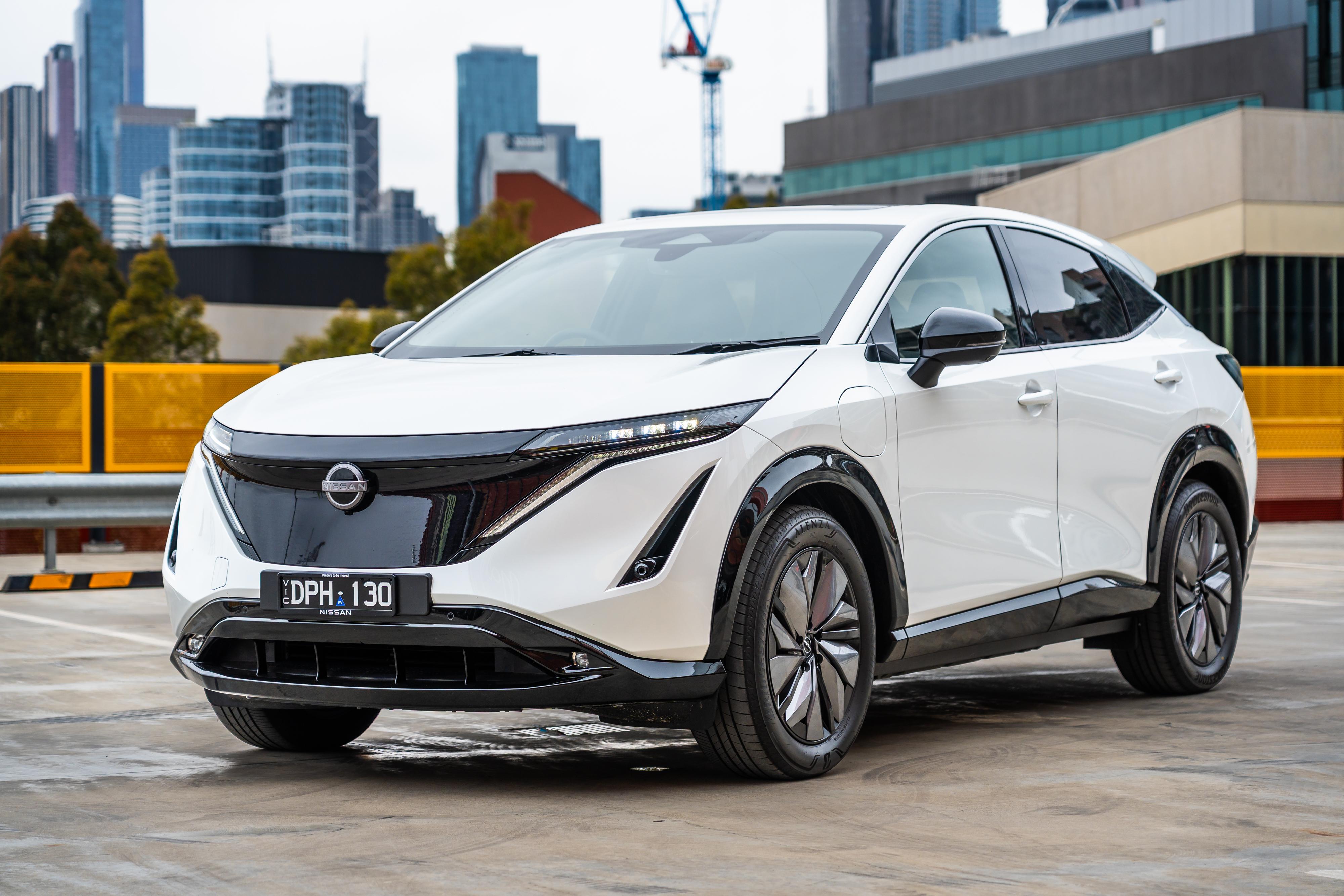
Because unlike many new electric vehicles hitting the market, you can just jump in and drive the thing without needing a degree in IT.
It has a start/stop button, a physical gear selector, and an overall feeling of familiarity that screen-focused rivals lack. As such, I’d describe the Ariya as the EV for people who are apprehensive about buying an EV.
Nissan Australia has been accused of being late to the party with the Ariya, which has already been on sale elsewhere for several years, but I’d argue it’s fashionably late in the sense that it avoids the trappings of newer vehicles and will feel less intimidating to late adopters.
That’s not to say the Ariya is without mod cons. All Ariyas get twin 12.3-inch screens and a fancy haptic control panel, while the Advance+ brings a panoramic glass roof plus heating and ventilation for the front seats. The fuzzy reversing camera is a bit of a letdown, though.
But, importantly, there are very few gimmicks. Most of the features you need are there and all of them work, enough said. There’s also enough room in the boot for my extra-large cricket bag and accompanying sports gear – two summer essentials.
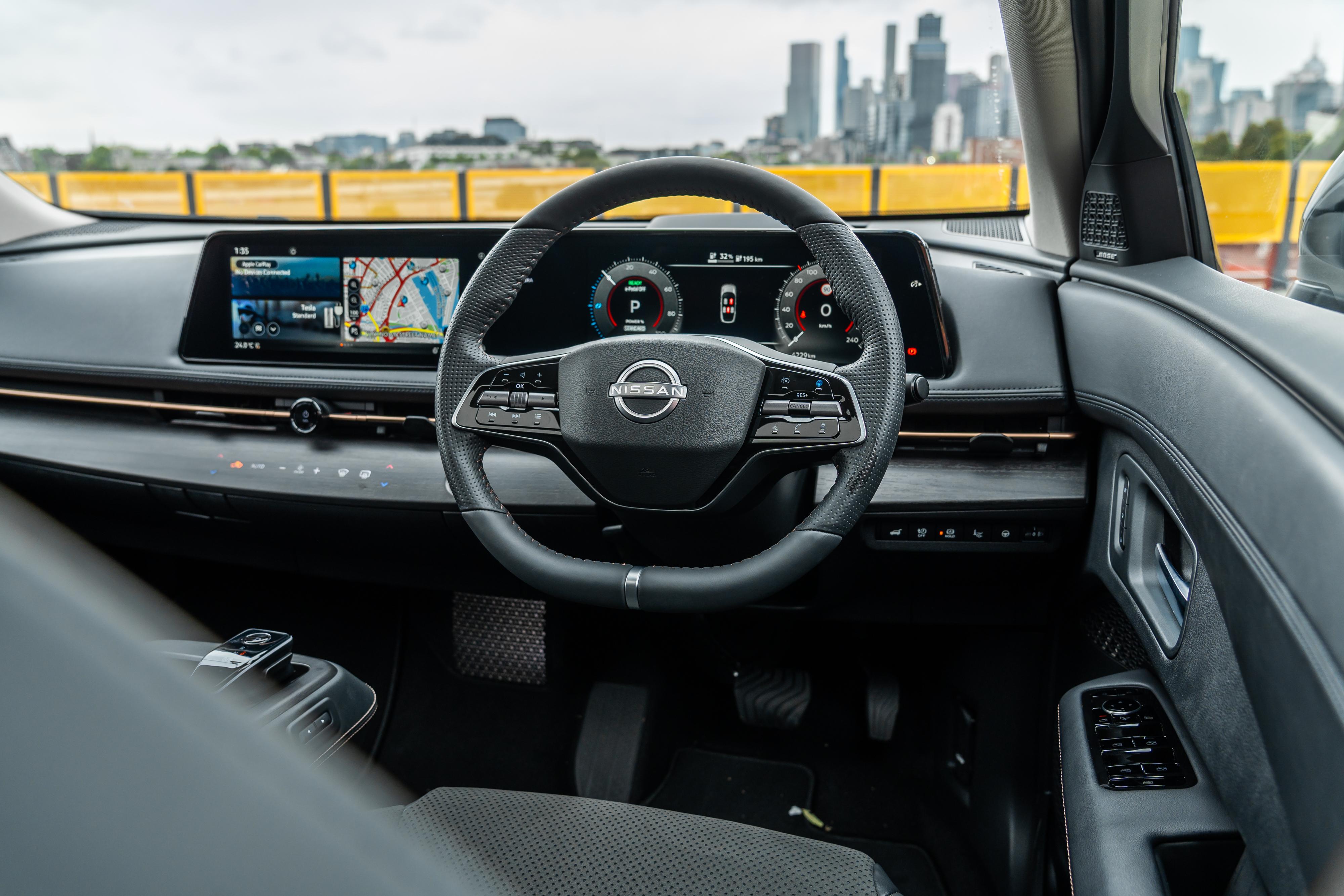
And while the 178kW/300Nm single-motor powertrain doesn’t pin you back in the seat, its smooth tractability contributes to the approachable nature of the package.
The powertrain in the Advance+ also makes sense from an efficiency perspective – I’ve been averaging 14.5kWh/100km thus far, which translates to 540km of real-world driving range and low charging costs over the long run.
My daily commute is plagued by peak-hour highway traffic, so I’ve appreciated the competency of Nissan’s semi-autonomous driving tech. The system feels natural in its operation, although the fact it beeps every time lane centring comes online is a source of minor annoyance.
Still, I jump in the Ariya whenever I get the chance because I know that it offers fuss-free motoring. Well, at least until I need to take it to one of Melbourne’s public charging stations – an awaiting, unavoidable chore.
Until then, stay tuned for the next instalment in this series to find out if the everyday realities of driving an EV stand to threaten my growing admiration for the not-so-new Nissan Ariya.
CarExpert can save you thousands on a new Nissan Ariya. Click here to get a great deal.
Click the images for the full gallery
