

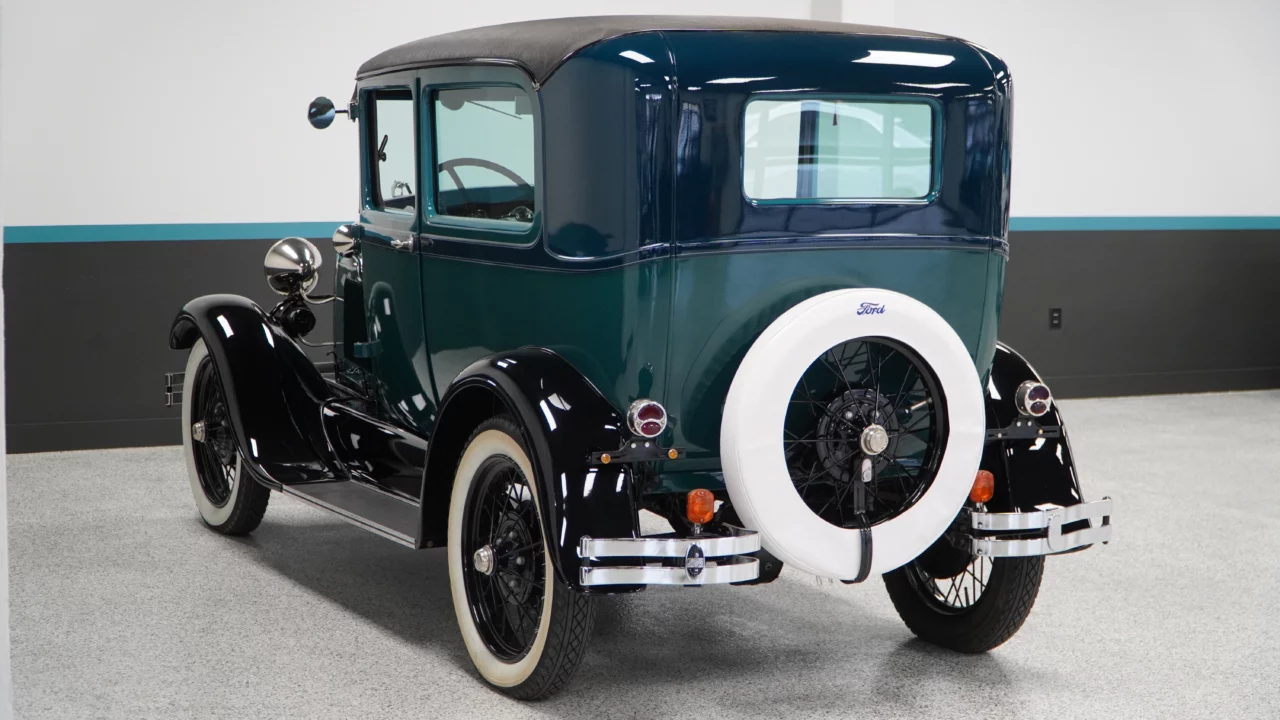
Our AutoHunter Spotlight for today is this 1928 Ford Model A Tudor. If you want to know what driving and owning a pre-war car is like, there is no better deal than the Ford Model A. It is easy to maintain, has great aftermarket support, is fun to drive, and is inexpensive to buy. Finished in three-tone green/blue/black over a correct gray cloth interior, this antique Blue Oval is now offered by the selling dealer with a clear title.
To illustrate how a Model A is different from any post-war car, this is the starting procedure:
- Engage emergency brake by pulling back on it.
- Push lever left of steering wheel (spark control) all the way up (retard).
- Pull lever right of the steering (hand throttle) halfway down.
- Turn gas valve under dash on passenger side to open (pointing down).
- Turn choke control valve (under right side of dash) fully clockwise and back off a quarter turn. If it’s cold outside, open a full turn.
- Turn ignition switch on (clockwise).
- Push in clutch and put transmission in neutral.
- Pull choke control out.
- Turn engine over three revolutions — choke in on third revolution.
- When engine starts, push throttle lever (right lever) up.
- Put left lever all the way down (depending on how your engine is timed, three-quarters down might be better).
- Allow engine to warm up (the accelerator pedal should be used to keep engine running until warm).
- Turn choke control (actually the gas adjusting valve) clockwise to smoothest operating condition.
- When starting an engine that is already warmed up, omit above choke steps.
- Always put left lever (spark retard position) all the way up when starting, then down when driving.
The key to buying a Model A (as with many other classic cars) is to buy the best example you can afford. This is exponentially more important for a Model A as the cost to restore one will run you much more than what a restored car is worth. Luckily, according to the seller this Model A, it has already undergone a quality restoration.
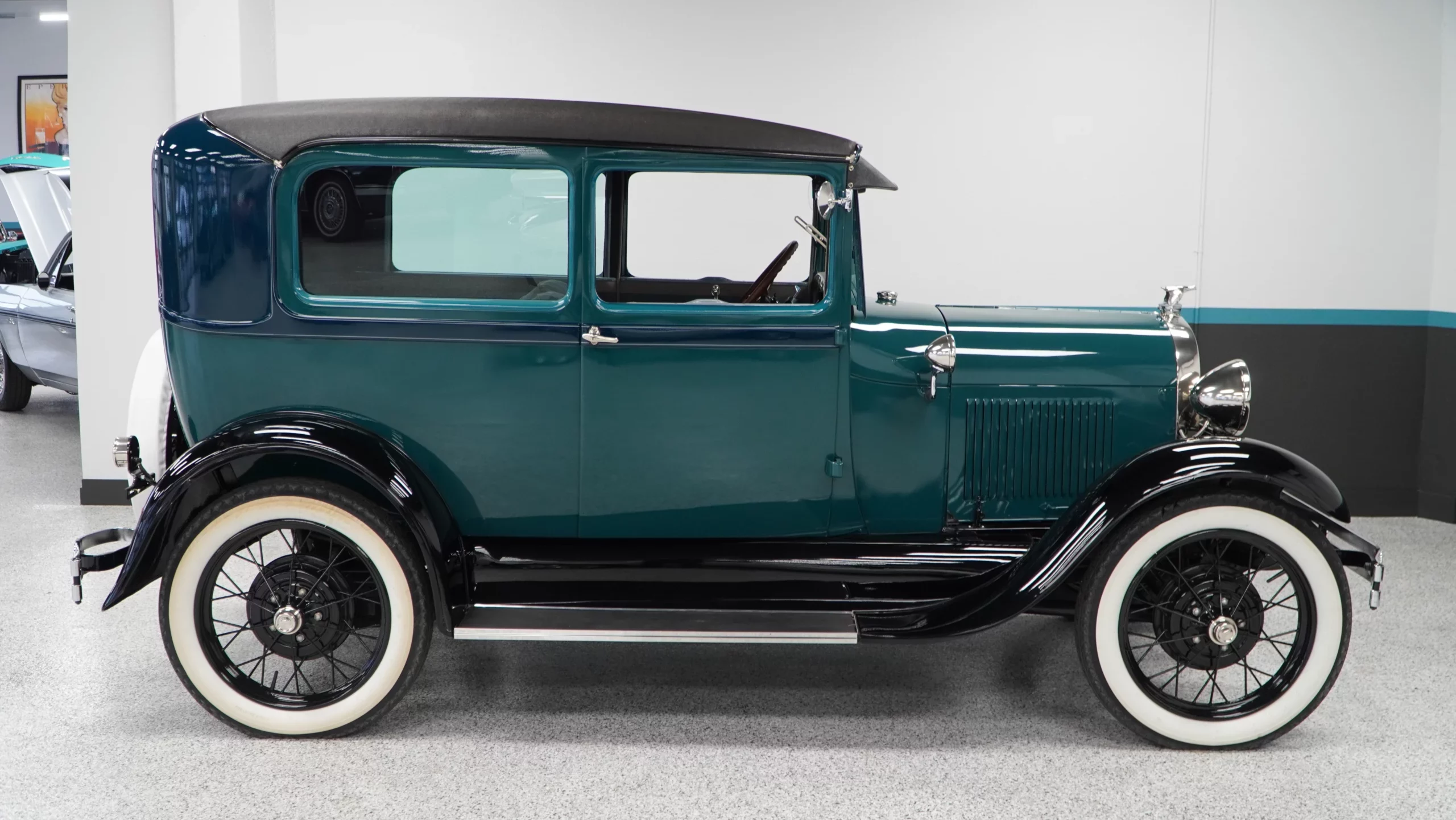
When examining the photos, the Model A’s exterior looks to be in great shape. The paintwork appears excellent, and the three-tone color combination really sets it off. The chrome also looks to be in very nice condition, along with the black-painted wire wheels, which are clad with correct 4.4014.50-2186M European Classic whitewall tires.
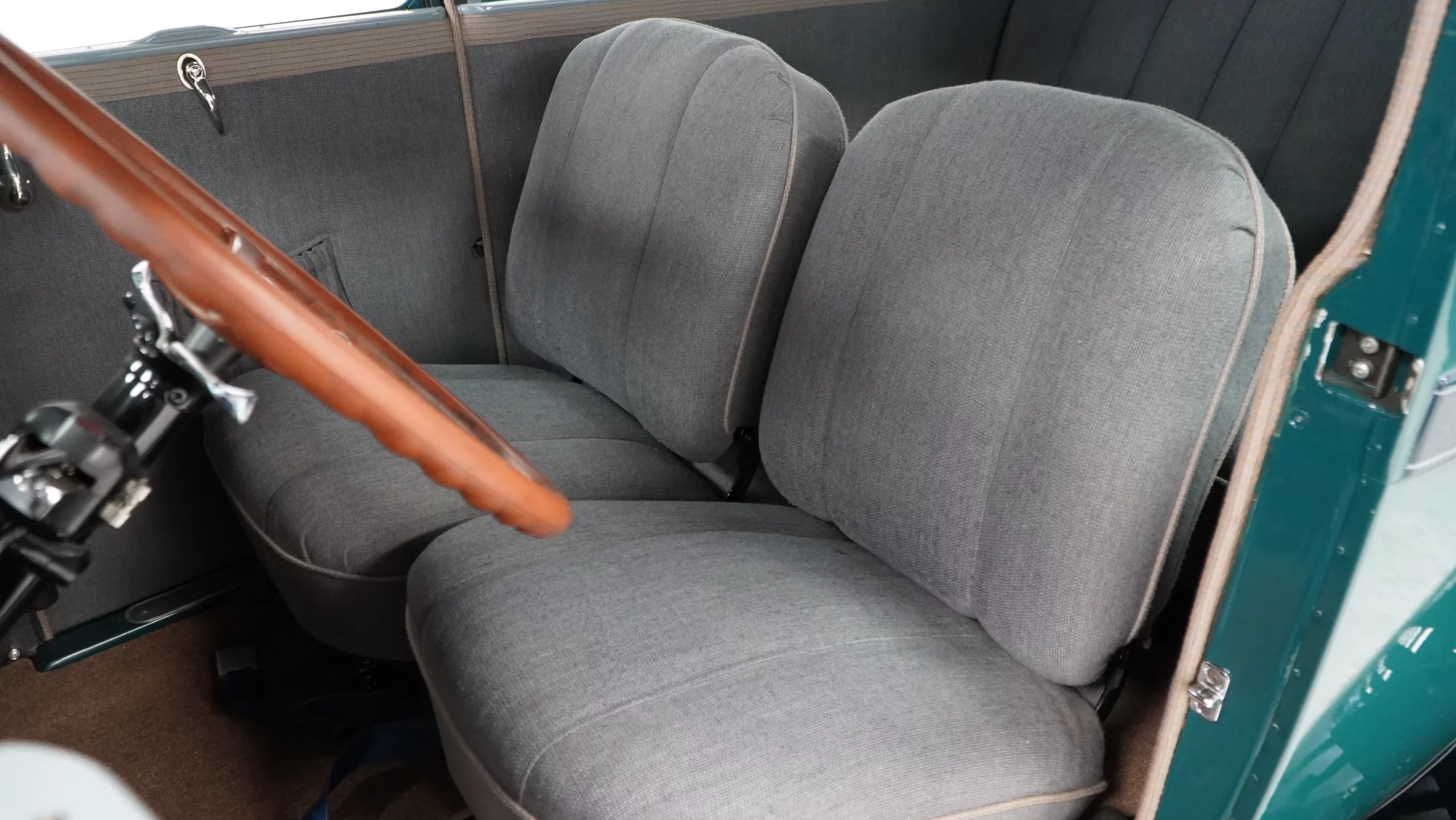
The interior is as nice as the exterior, with the correct seat material nicely installed.
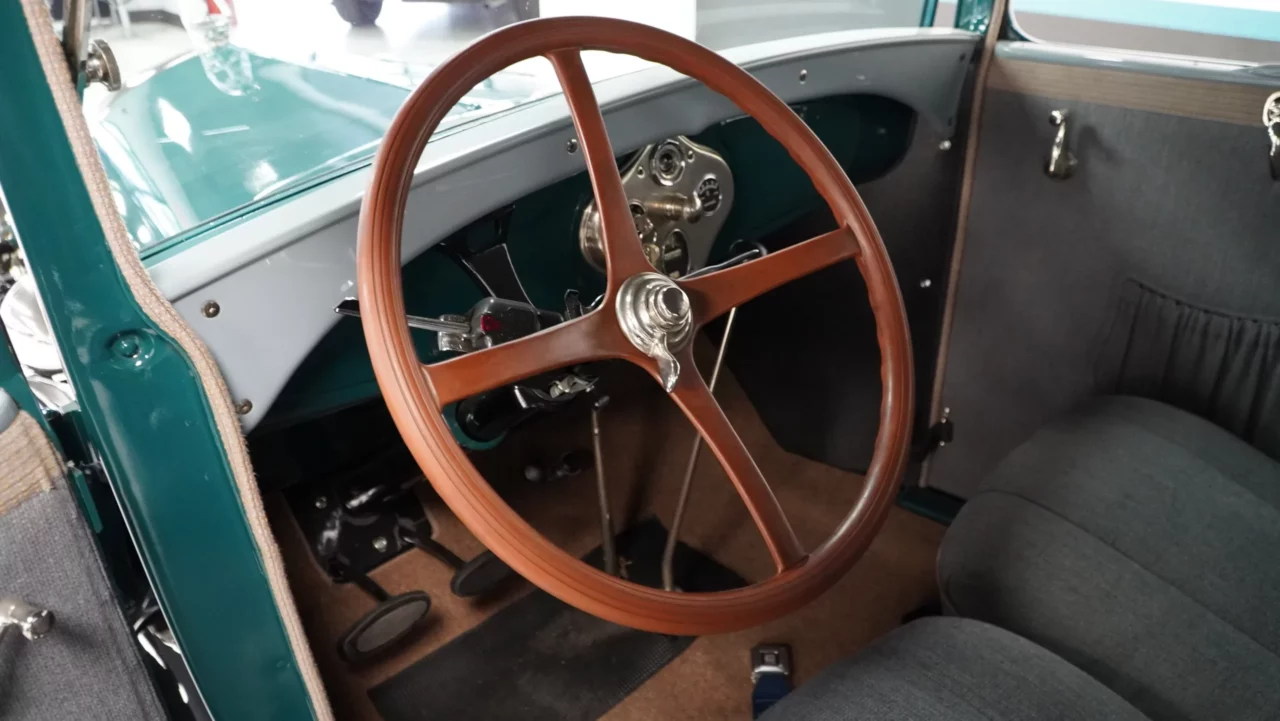
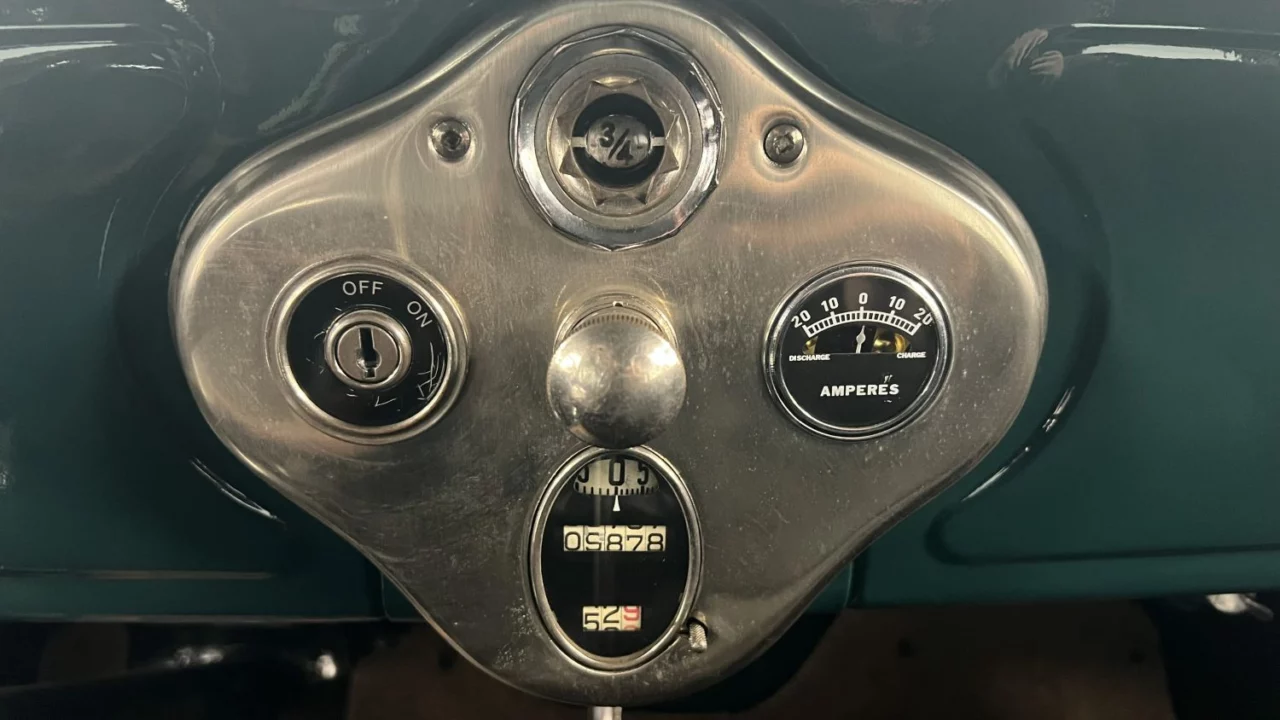
The simplicity of the dash is fun, demonstrating pre-war charm at its best: speedometer, odometer, trip meter, and amperage gauge. I see no flaws at all — only standard wear that some polish, cloth, and time can make perfect.
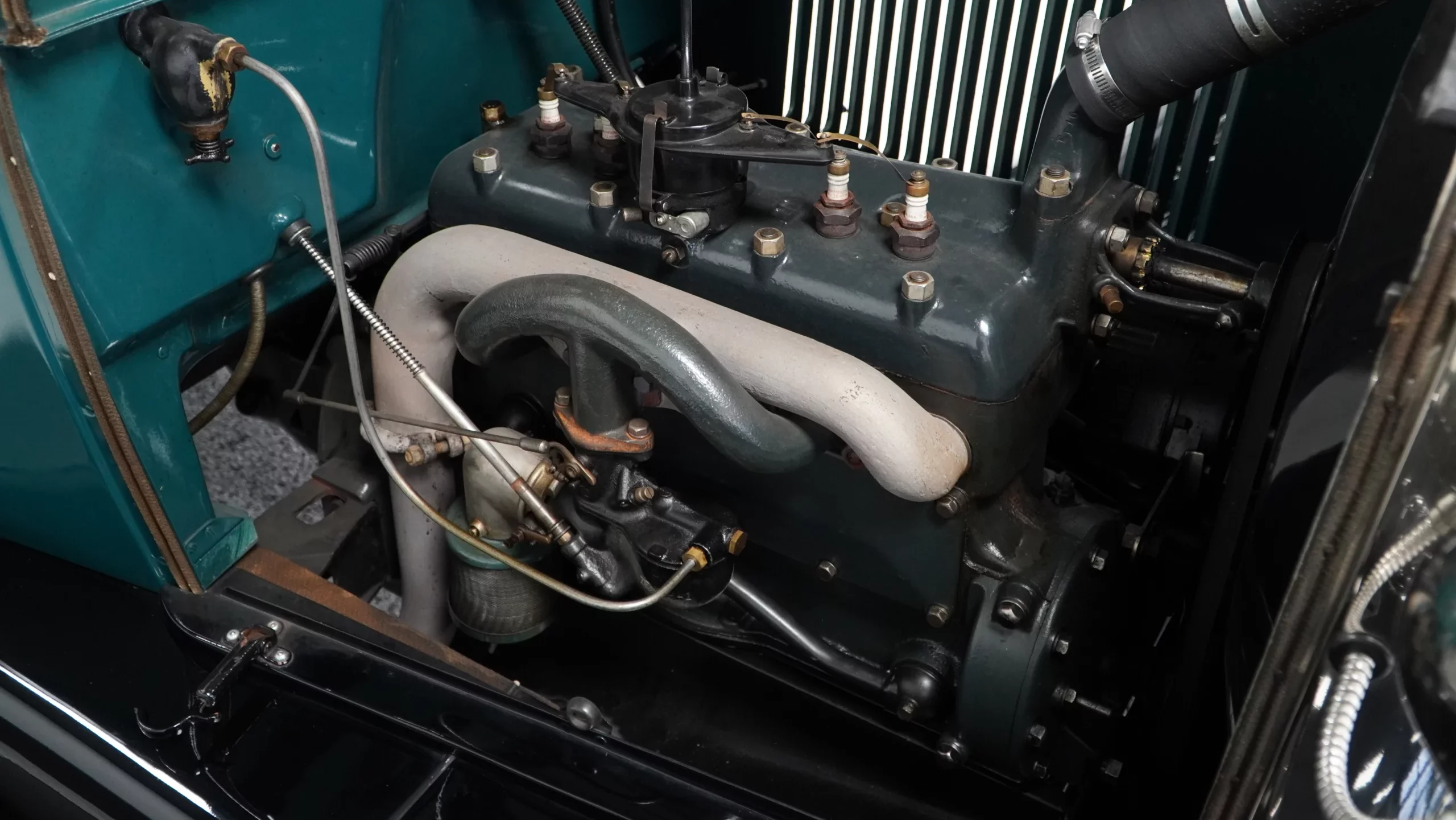
Under the hood, the stock and correct 200.5ci flathead inline-four looks to be in great condition. It is fed by a correct single-barrel carburetor. Power is driven to the wheels by a three-speed manual transmission.
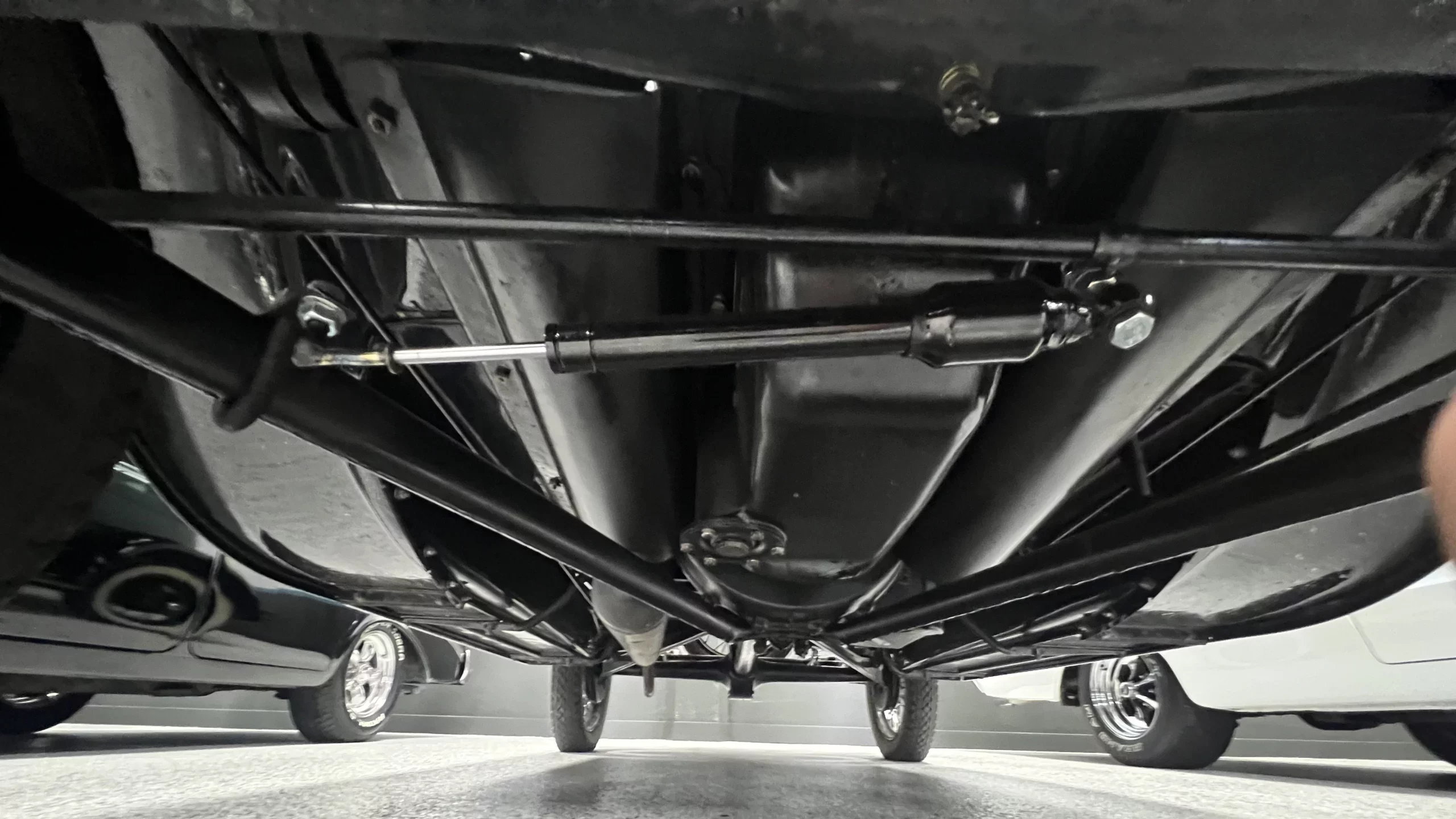
The underside of this Model A looks absolutely amazing. It is clean enough to compete at any car show or concours event. Like the rest of the car, everything is correct, with the car featuring a stock Model A 10-bolt rear end and drum brakes.
I mentioned earlier that the Model A is the perfect entry into the world of pre-war cars. This particular example is truly a nice specimen and, being a Tudor, it is a much nicer styling exercise than the four-door. In addition, being a closed model, it offers a level of usability that the convertible lacks thanks to strong weather protection. The utility is so good that my friend Jonathan Klinger drove a Model A Tudor every day for a year just to prove that it could be done.
If all this sounds like a recipe for automotive fun unlike anything else you have experienced, you would not be wrong — bid and score this car for your garage. There are many Model A cars on the market, but few are as nice as this one. Act fast and bid now as the auction for this restored 1928 Model A Tudor ends on Wednesday, March 18, 2026, at 12:15 p.m. (PDT).
Visit the AutoHunter listing for more information and a photo gallery
