

The global sales boss of German automaker Audi says Australia offers a prime opportunity for the brand’s electrification plans, with a focus on hybrid models which could end up replacing diesel models here.
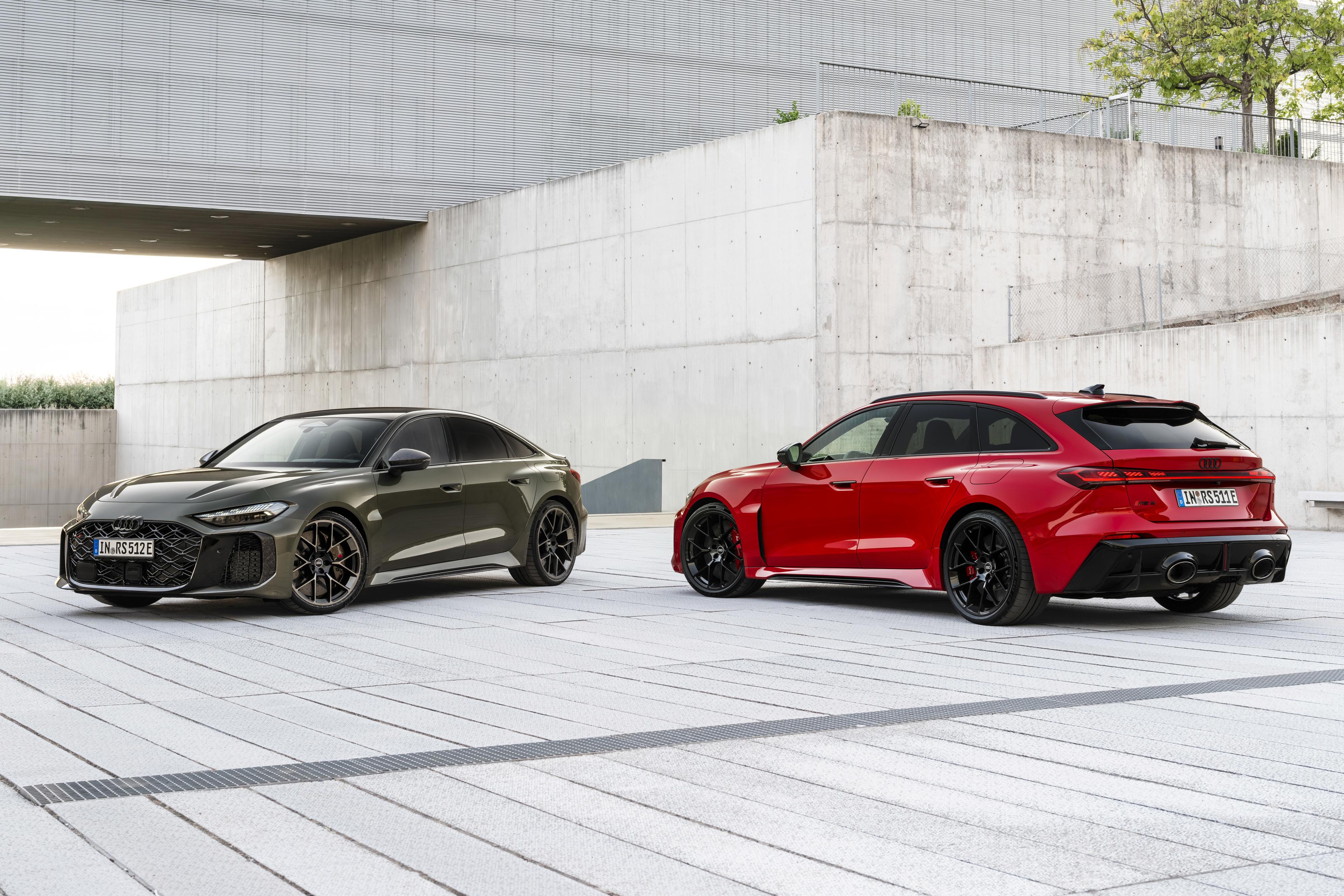
Speaking at the 2026 Australian Formula 1 Grand Prix last weekend, where the company debuted the new plug-in hybrid Audi RS5, Audi sales boss and board member Marco Schubert said hybrids will be the brand’s focus Down Under.
“We believe in particular, like in Europe, and also other markets like here in Australia, that electrification is the way to go,” Mr Schubert said.
“A good execution of the hybrid is the RS5, [with] Australia being also super interested in Audi Sport products.”
CarExpert can save you thousands on a new car. Click here to get a great deal.

The new RS5 is powered by a 470kW/825Nm plug-in hybrid (PHEV) powertrain, with a 2.9-litre V6 petrol engine mated with an electric motor incorporated into an eight-speed transmission, and quattro all-wheel drive.
“That helps us also with the CO2 level, so obviously it’s not only on the performance measures, but also on the CO2 level. For a market like Australia, which is also moving towards zero-emission vehicles, that’s really super important for us,” said Mr Schubert.
Audi previously aimed to sell only electric vehicles (EVs) from 2033 (except in China), but last year announced it had wound back EV targets – like Mercedes-Benz, Volvo and a raft of brands, including fellow Volkswagen Group members Porsche and the Volkswagen brand.
Some automakers, such as Hyundai, have used hybrid powertrains to replace diesels in their lineups.
“That’s something obviously we are aiming for in terms of meeting legislation in certain countries,” Mr Schubert told CarExpert.
“We will really need to watch and monitor very closely what the demand is from the customer perspective, but also what the legislation will derive.
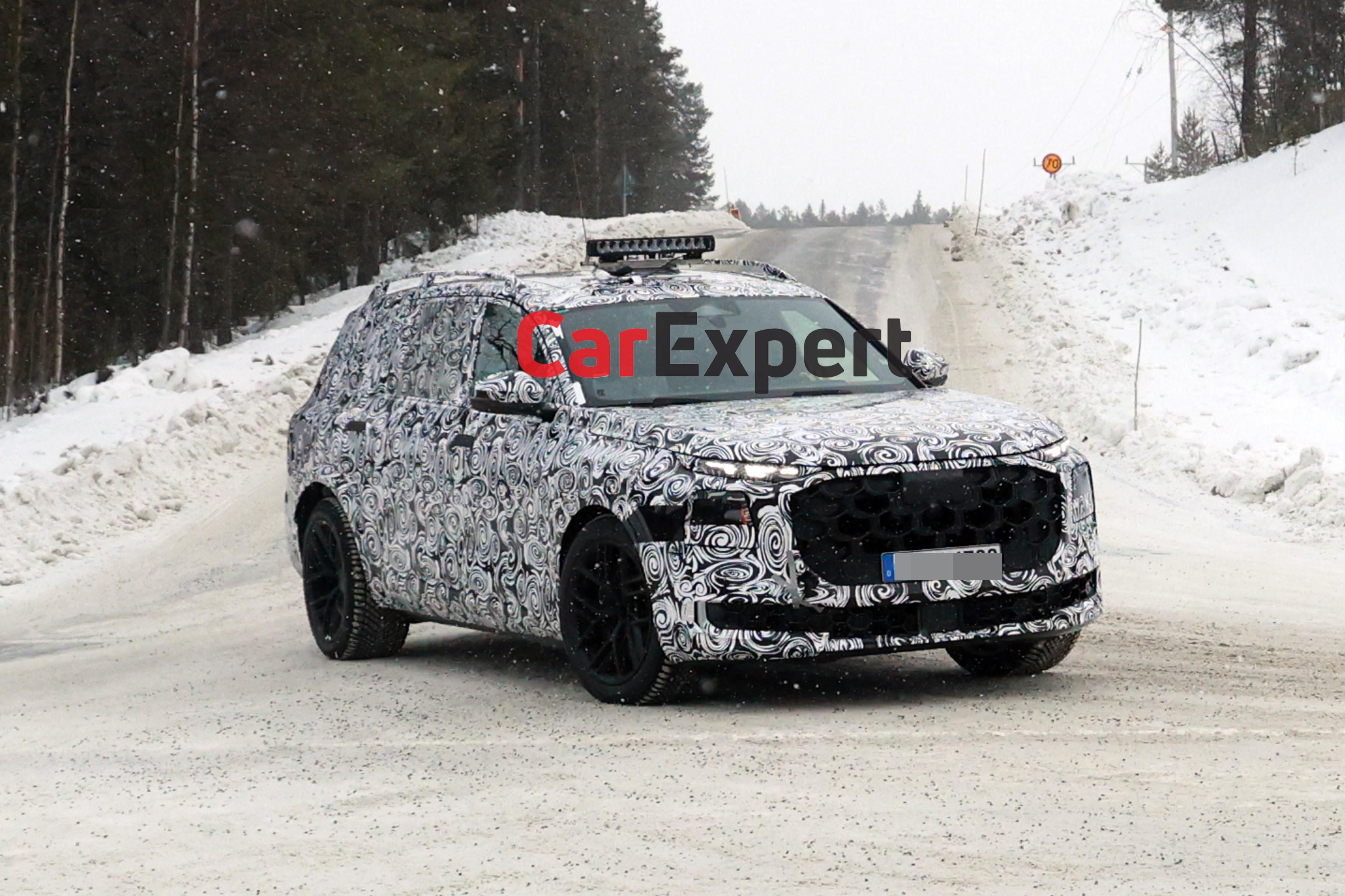
“We still have diesel in our product portfolios – we offer it depending on market size and we’ll continue to offer it on the new Q7.”
In addition to the Q7, Audi in Australia still offers diesel versions of the Q5 and Q8 SUVs. It doesn’t, however, offer diesel versions of the latest A5 as it does in Europe, while other oil-burners such as the A6 and A8 have been retired locally.
The growth in popularity of hybrid models, especially in the United States, one of Audi’s biggest markets, prompted the brand’s axing of its goal to go EV-only in most markets by 2033.
Hybrid sales in Australia have also exploded in the past two years, and more hybrids are sold here than EVs or PHEVs – though these other two powertrain types continue to grow in popularity.
Australia’s second best-selling vehicle in both 2024 and 2025 was the Toyota RAV4 Hybrid, though the predominantly diesel-powered Ford Ranger was the most popular vehicle overall.
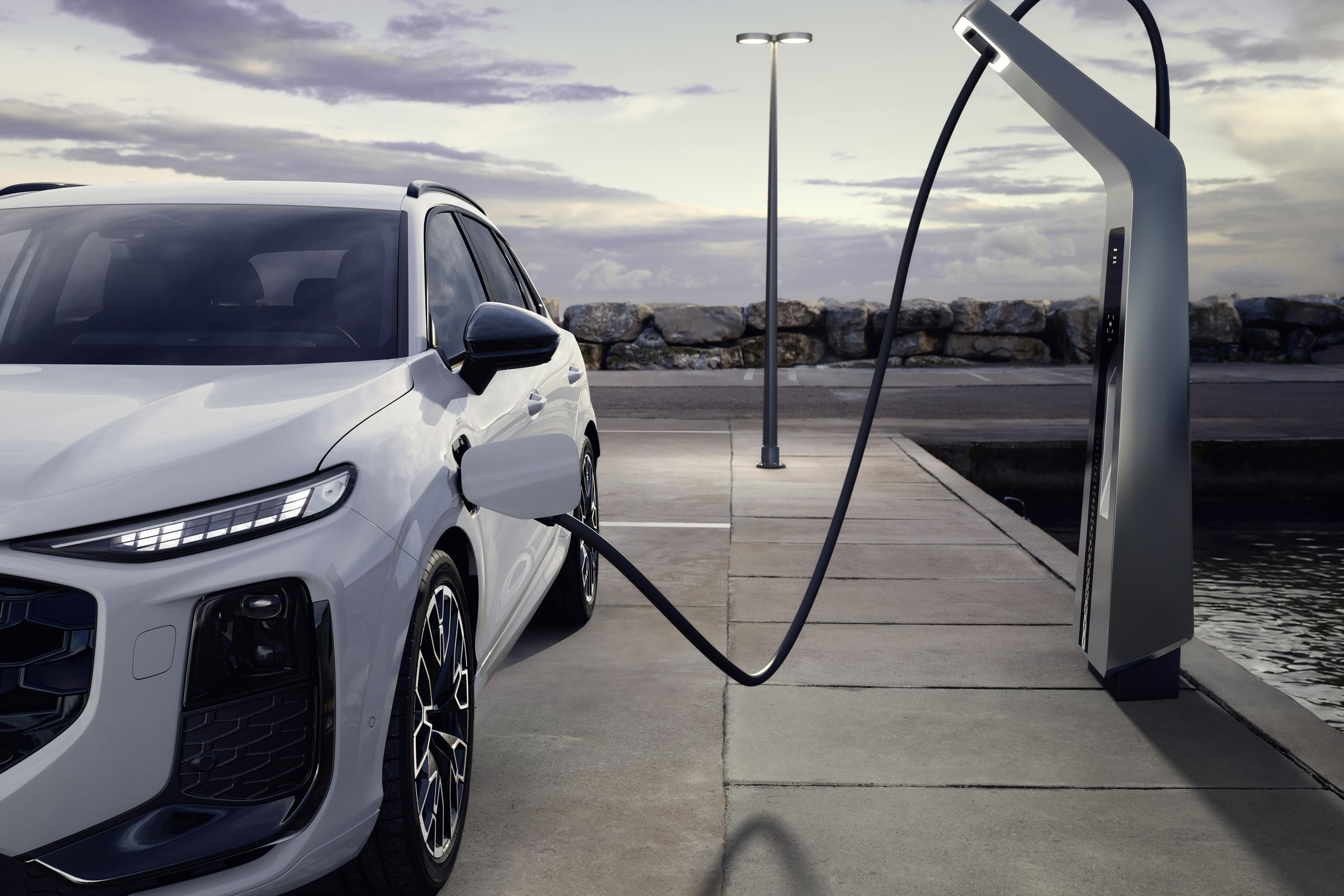
Audi Australia introduced its first PHEV, the A3 e-tron hatchback, back in 2015. Its current lineup sees PHEV powertrains offered on the A5 – including the new RS5 – and Q5 and Q8 SUVs, with a Q3 PHEV a chance for local showrooms.
Overseas, Audi also offers PHEV versions of the A3, A6 and Q7, and is also readying the three-row Q9 large SUV – not yet officially confirmed for Australia – with a PHEV powertrain option.
Current battery-electric Audis offered in Australia include the Q4 e-tron, Q6 e-tron and e-tron GT sports car, with the previous Q8 e-tron now out of production.
“I think due to the fact that we have a great product range – so we have a lot of electric vehicles as well – focusing on the hybrids as well, as I’ve learned hybrids are working well for you here from the tax perspective, we see a good opportunity for us developing the electric market,” Mr Schubert said.
The Volkswagen brand, too, is expanding its PHEV lineup here, with the Touareg R PHEV being joined this year in showrooms with PHEV versions of the new-generation Tiguan and Tayron SUVs.
Production of the Touareg, which shares its platform with the Audi Q7/Q8 and other Volkswagen Group SUVs, will end this year, with Australian order books scheduled to close this month.
The push towards hybrids has been exacerbated in 2026 by changes in regulations such as the recent weakening of emissions regulations by the Trump administration in the US.

Europe, too, is moving to adjust its previous mandate of all new cars being 100 per cent zero emissions by 2035 down to 90 per cent, allowing internal combustion engines (ICE) to live on in hybrid models.
In winding back its EV ambitions, Audi said it has planned to offer ICE powertrains into the 2030s and has not set a date for their demise.
In Australia, however, emissions regulations have gotten tougher with last year’s introduction of the New Vehicle Efficiency Standard (NVES), which has seen various brands bring new electrified options to meet CO2 targets.
