

Diesel still has a strong role to play in Australia, according to Toyota Australia, despite the growing uptake of hybrid and electric vehicles (EVs) across both passenger and light commercial vehicles (LCVs).
Sales of diesel-powered vehicles have slumped by 25.5 per cent year-on-year to the end of September 2026, while conventional hybrid sales have increased by 11.4 per cent.
In September alone, EV sales soared by 117.7 per cent year-on-year, while plug-in hybrid (PHEV) sales increased by 122.7 per cent.
Diesel’s market share has fallen from around 33 per cent in 2025 to 24.3 per cent in 2026, with the reign of the predominantly diesel-powered Ford Ranger and Toyota HiLux at the top of the sales charts interrupted this year by the Tesla Model Y electric SUV and Toyota RAV4 hybrid SUV, helped by record pump prices for both diesel and petrol.
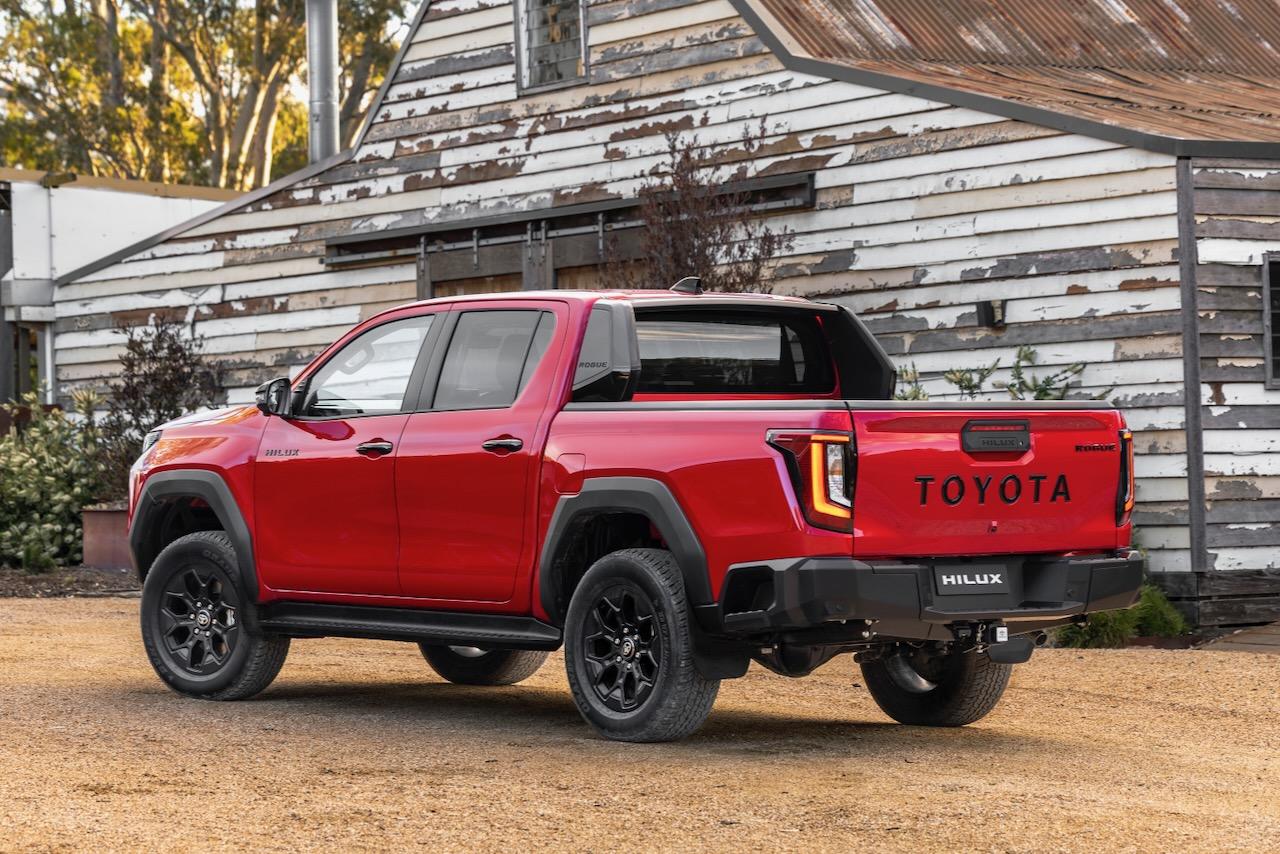
While the overall new-vehicle market is up only slightly, sales of the Ranger – which still leads the sales charts – are down 10.0 per cent, with 37,858 sold to the end of September compared with 42,050 by the same point in 2025.
HiLux sales are also down by a similar 10.3 per cent, with 36,616 sold so far this year compared with 40,813 by the end of September last year, according to the latest VFACTS sales data.
Toyota’s own bZ4X EV had one of its best sales results so far in September, with 410 sales across the SUV and Touring versions, placing it 16th in the year-to-date EV sales rankings.
The biggest movers in September included the BYD Sealion 7 electric SUV, up 42.4 per cent year-on-year, and the Tesla Model Y, up 14.0 per cent year-on-year when the standard Model Y and long-wheelbase Model Y L are combined.
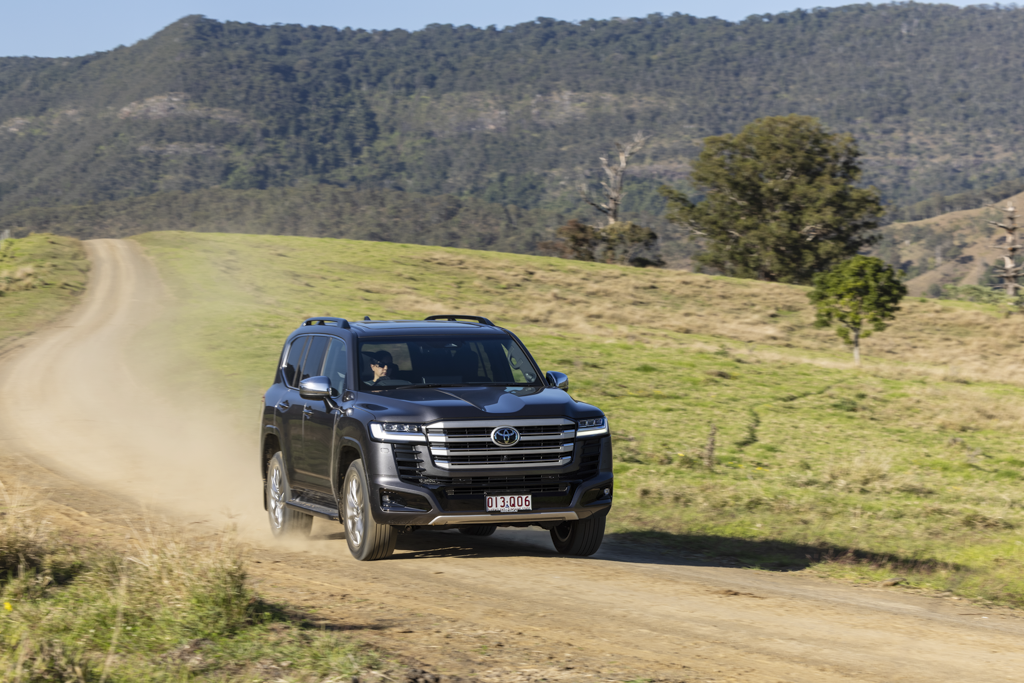
Both featured in September’s top five, which was led by the Ford Ranger ahead of the RAV4, Model Y, HiLux and Sealion 7.
When asked by CarExpert whether diesel would remain strong in Australia, Toyota Australia sales vice-president John Pappas was adamant its role remained significant.
“I mean, you can see it in the top five car lines in VFACTS right now,” Mr Pappas said.
“I see it in our lineup, and yes, we don’t want to leave customers behind. And right now, customers still need diesel in regional and rural Australia. It’s a very big part and heartland of our country, so we do not want to leave them behind.”
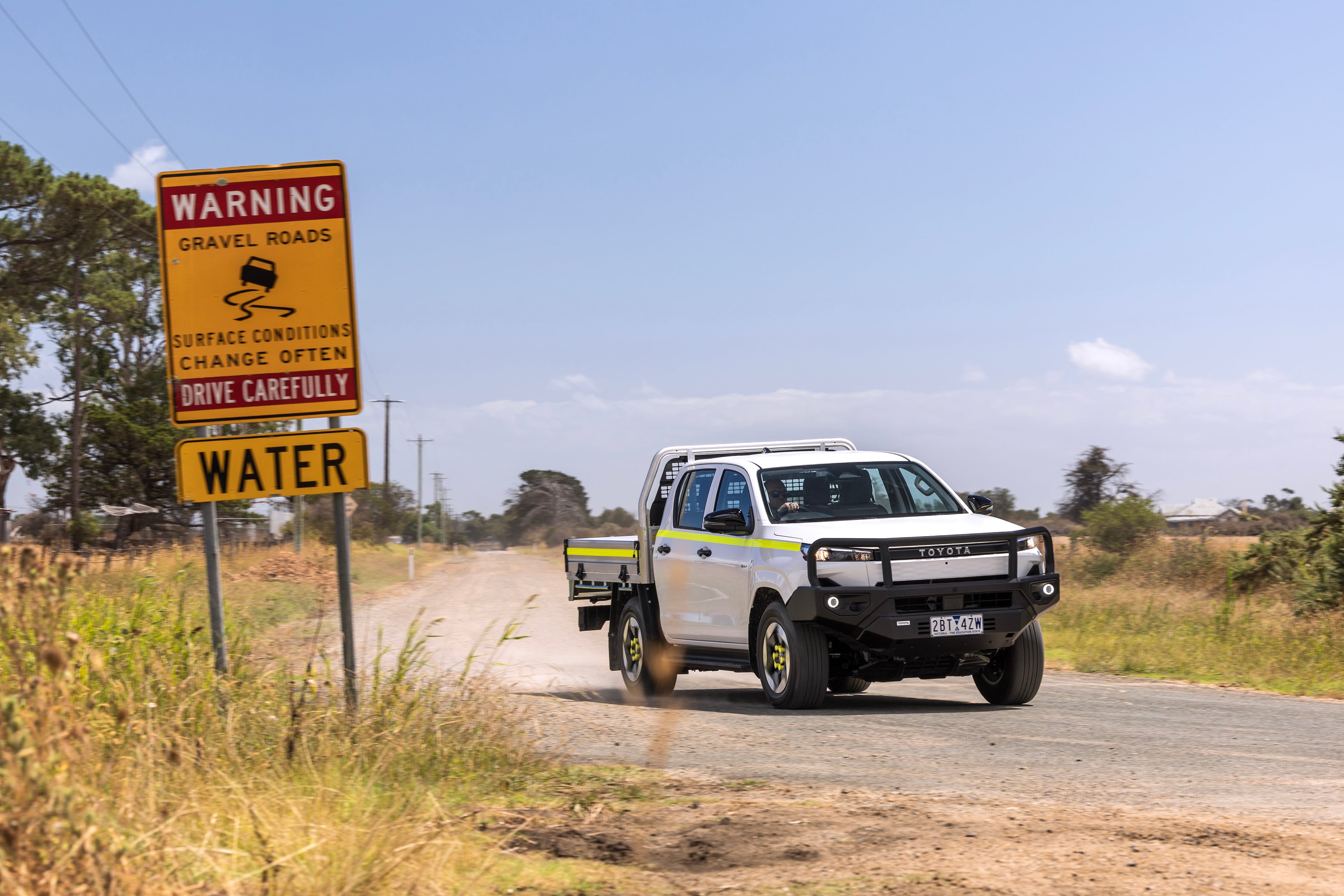
Bolstering Mr Pappas’ comments, the Toyota LandCruiser Prado SUV and Isuzu D-Max ute, both offered only with diesel engines, placed ninth and 10th respectively in September. However, their year-to-date sales are down 28.3 per cent and 12.0 per cent, respectively.
“For many customers, particularly in rural and regional areas, their vehicle is a tool of trade, or a vehicle that can cope easily with long distances, towing, or off tarmac environments.
“Across our combined HiLux and LandCruiser family, nearly 54 per cent are purchased and used by customers outside of the major metropolitan cities; customers for whom a BEV might not be appropriate.
“We will continue to support those rural and regional customers that rely on these diesel vehicles as essential for their transport needs, or as a tool of trade.”
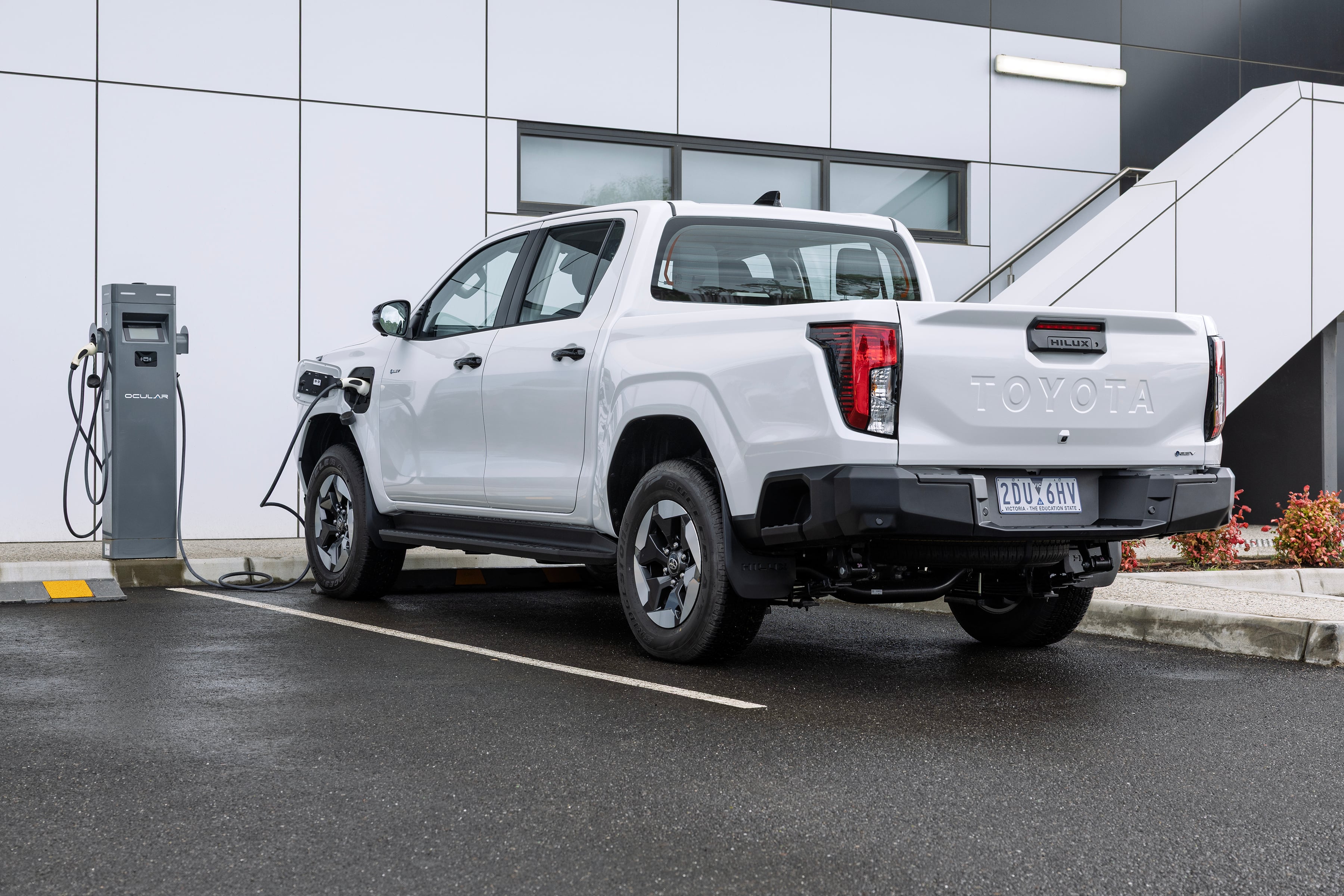
Toyota Australia introduced a battery-electric version of the HiLux ute in May 2026, and has also confirmed plans to introduce a hydrogen fuel-cell HiLux locally in 2028.
It comes after Mr Pappas’ predecessor, Sean Hanley, told CarExpert in 2025 that diesel could fade out in around a decade.
“I think there’s a culture of diesel in Australia … eventually I think diesel in – not the foreseeable future – but in the longer term, I can’t imagine diesel necessarily being a fuel of the future, because the reality is a petrol [vehicle] can do everything it can do – plus some,” Mr Hanley said.
The former Toyota executive said hydrogen could take over from diesel sometime in the 2030s.
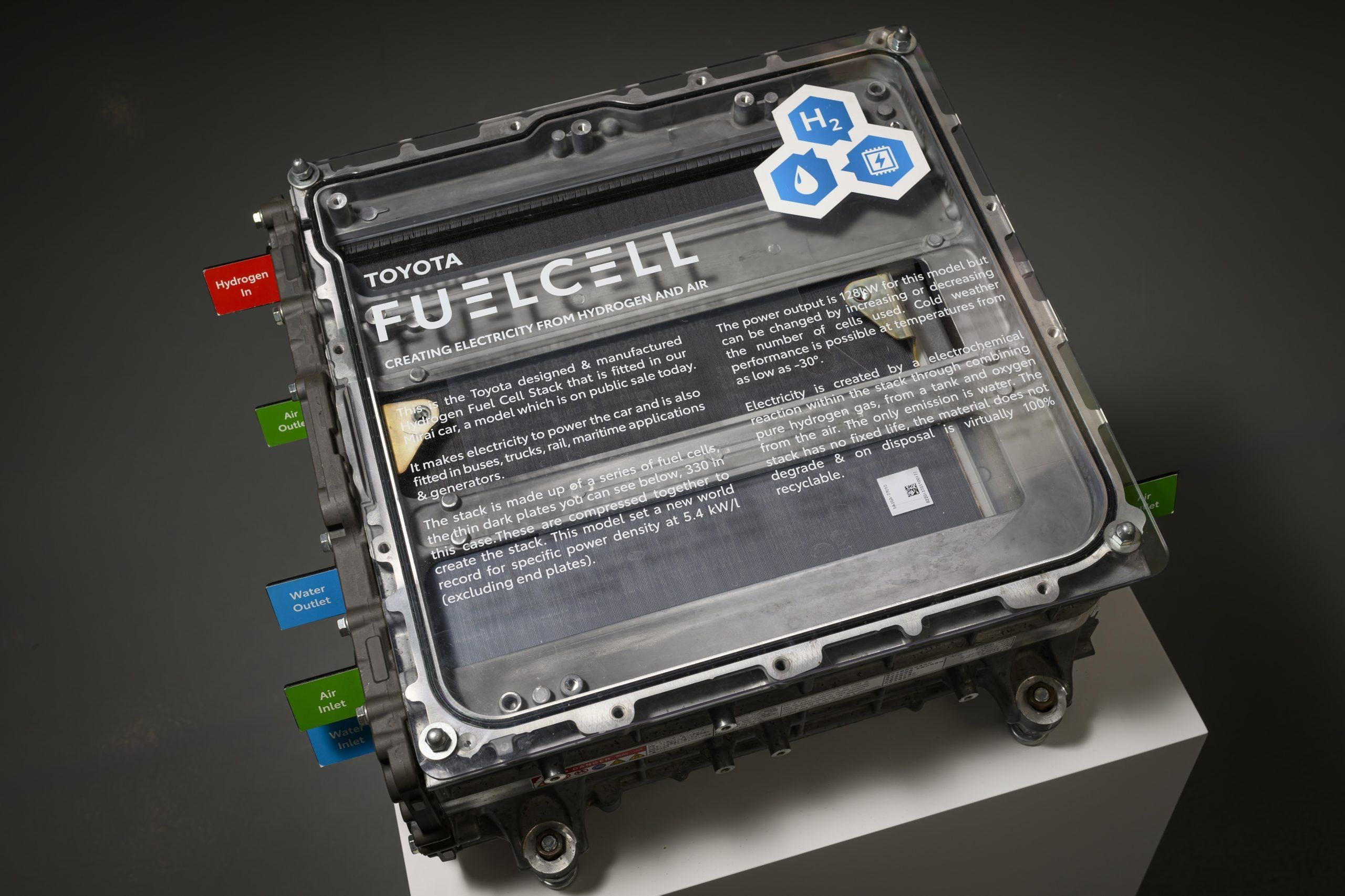
“I truly believe hydrogen will be our future – and that’s where, I think, you might see a change of diesel technology … we’re setting up for that future.
“Why? Hydrogen’s clean, hydrogen has range, hydrogen infrastructure will be significantly better than what you have today, obviously. It’ll be more convenient, and it’ll be affordable.”
