

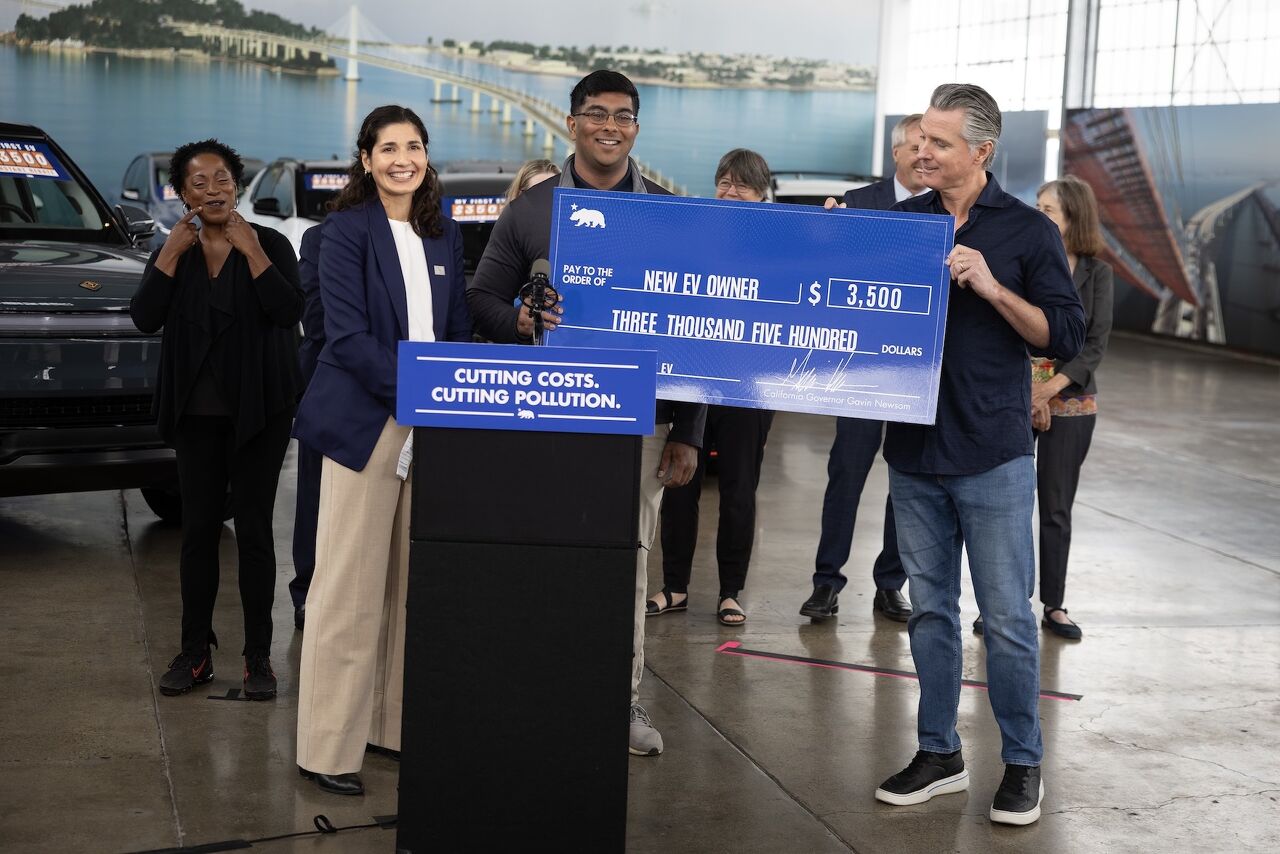
California will hand buyers $3,500 off an electric car, and nearly 12,000 first-time buyers have taken the deal. The harder question, where all those cars plug in to charge, is one the state is only partway toward answering.
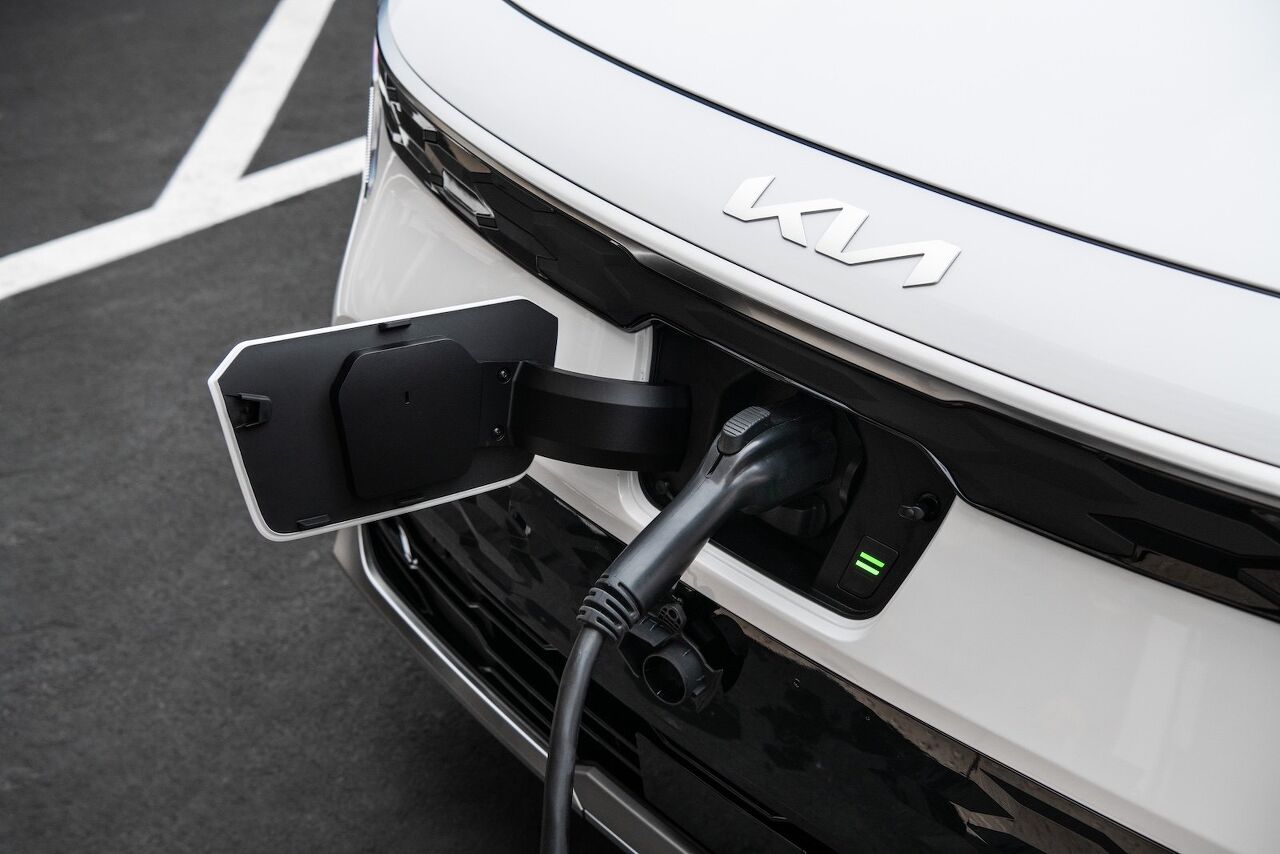
The MyFirstEV program, launched in August, cuts $3,500 off eligible new vehicles priced up to $50,000 MSRP, or $1,750 toward eligible used plug-in vehicles under $25,000 bought through manufacturers’ pre-owned programs, according to an Oct. 16 state announcement. Carmakers kick in to match the state’s $135.5 million, pushing the funding pool above $270 million.
That pool is finite. Tesla burned through its allocation in five days. The nearly 12,000 transactions show real uptake, though they say nothing about how many of those buyers would have gone electric anyway, InsideEVs reported. California hardly needs the hand-holding relative to the rest of the country. Pure EVs made up 16.3% of new-car sales in Q3, against 6.4% across the country. Add plug-in hybrids and hydrogen, and that share climbs to 19.1%.
Selling the car is the easy part. The California Energy Commission now forecasts the state will need 478,000 public ports to serve an expected 6.8 million EVs in 2030, a forecast that accounts for vehicle range, battery capacity, fast-charging availability, and home charging.
The commission counted 224,438 public and limited-access ports in place as of June 30, or roughly 47% of what it says it will need. That includes about 23,000 fast chargers and excludes an estimated 1.2 million home chargers.
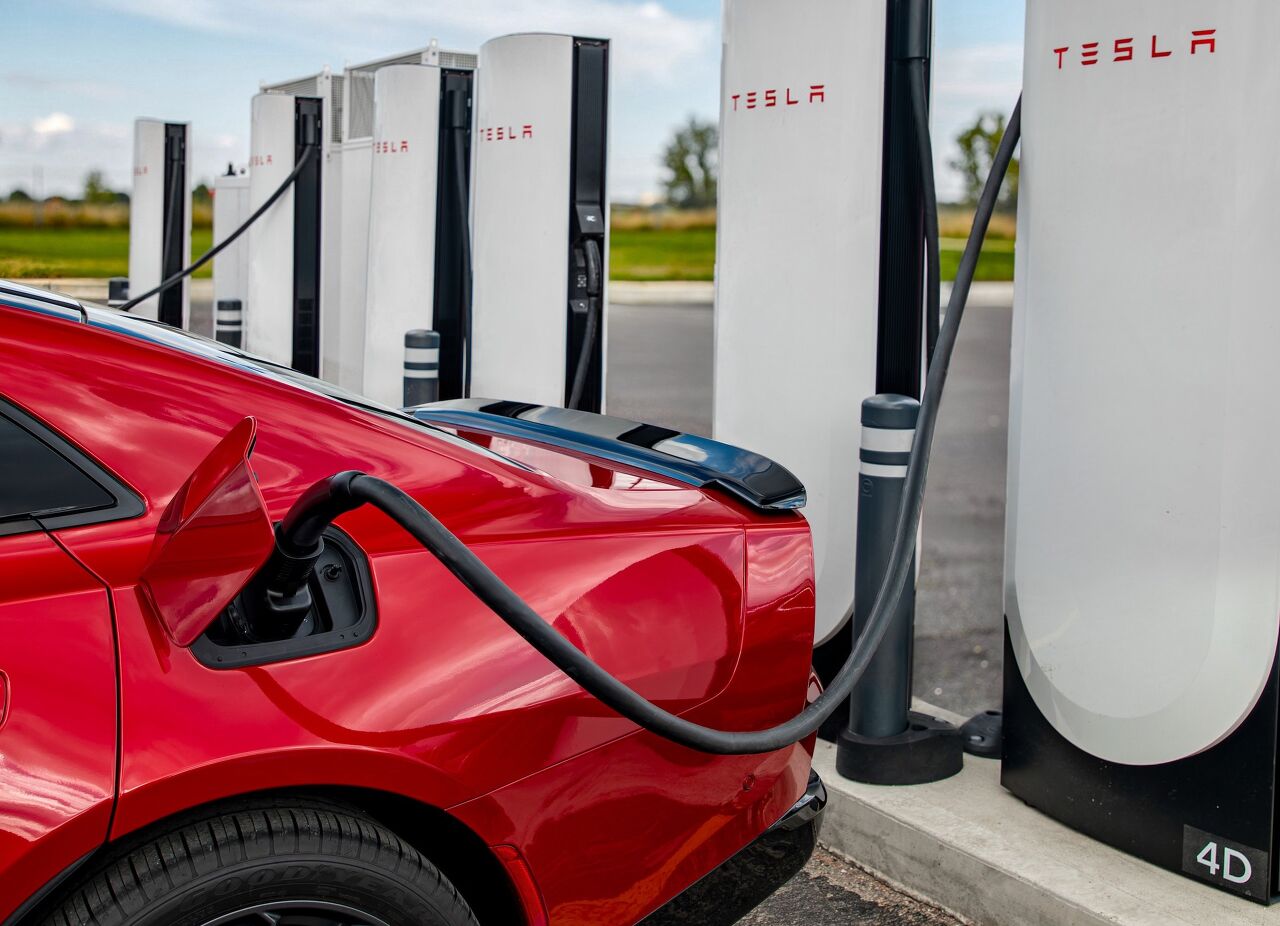
The “limited-access” label does some heavy lifting here. These serve a specific group, residents of an apartment building or employees in a workplace lot, rather than any driver passing through.
Money is flowing to close the gap. The state recently put up at least $28 million for public fast chargers, covering as much as 100% of eligible costs, with a $100,000 cap per port. California says it treats charging near homes and apartment buildings as a priority, pointing to the reality that you buy the car once but charge it forever.
[Images: California Air Resources Board, ]
Become a TTAC insider. Get the latest news, features, TTAC takes, and everything else that gets to the truth about cars first by subscribing to our newsletter.
