
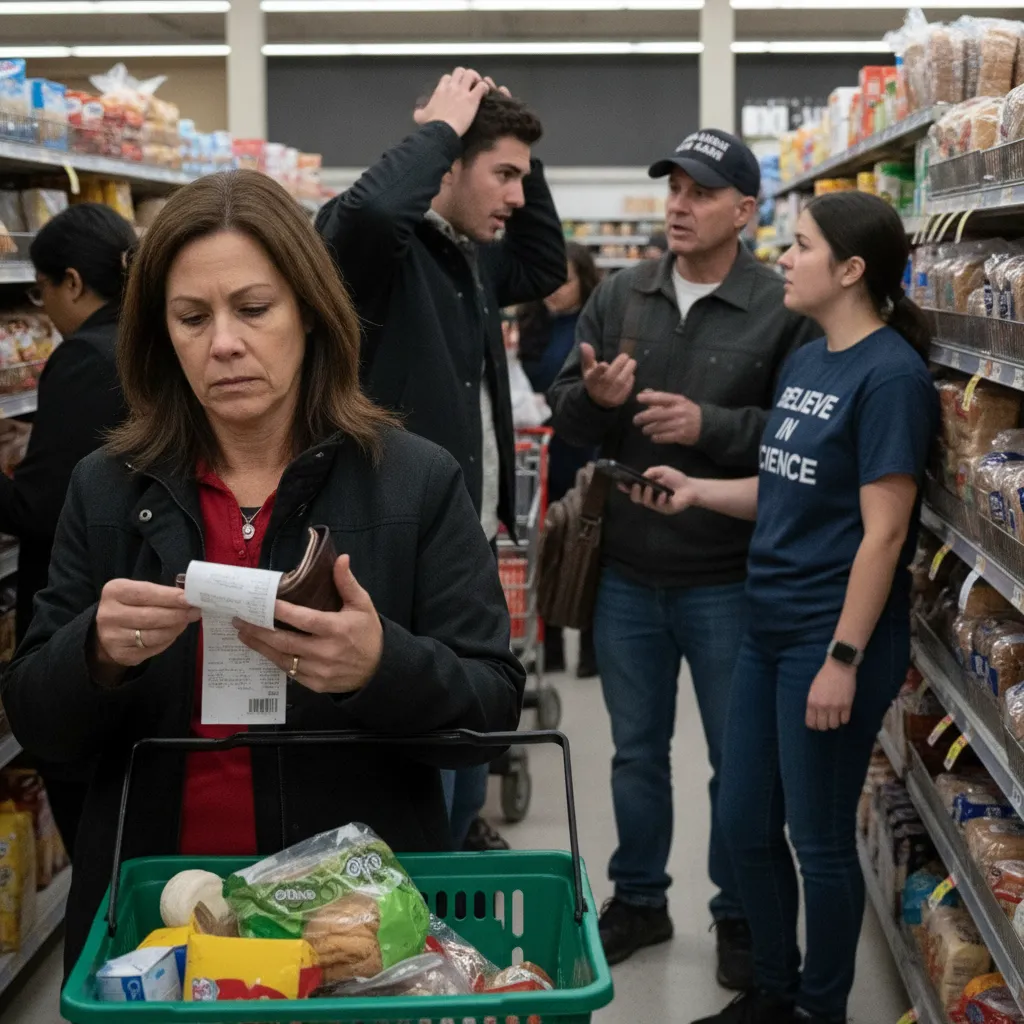
As the United States moves further into an era of rapid technological change and persistent financial volatility, a new look at public sentiment reveals a nation deeply conflicted about its future. For many Americans, the daily reality of inflation continues to overshadow positive macroeconomic indicators, creating a gap between official government reports and the actual feeling at the grocery store checkout line. This disconnect has fueled a general sense of economic precariousness that transcends party lines, leaving voters searching for stability in an unpredictable market.
Adding to this tension is the rise of artificial intelligence, which has shifted from a futuristic concept to a tangible source of anxiety for the modern workforce. While some see AI as a tool for unprecedented productivity, a significant portion of the population views it through a lens of fear, worrying about job displacement and the erosion of human agency. This digital apprehension blends with traditional political grievances, making the intersection of tech policy and labor rights a central theme in current civic discourse.
At the heart of these anxieties sits the polarizing figure of Donald Trump, whose influence remains a defining force in how voters perceive leadership and governance. Public opinion remains sharply divided over his approach to trade and deregulation, reflecting two entirely different visions for how America should project power both domestically and abroad. Whether viewed as a disruptor capable of fixing a broken system or a risk to democratic norms, his presence ensures that every economic debate is inextricably linked to identity politics.
Ultimately, these figures paint a picture of an electorate caught between nostalgia for perceived past stabilities and fear of an automated tomorrow. As citizens weigh their options heading toward upcoming electoral cycles, they aren’t just voting on platforms but reacting to their own lived experiences with cost-of-living crises and systemic shifts. The result is a complex emotional landscape where data points often matter less than the visceral feeling of whether life is getting easier or harder for the average family.