
For decades, policymakers have debated whether environmental protection must come at the cost of financial prosperity. However, Alexander de Croo of the United Nations Development Programme is challenging that narrative by suggesting that economic expansion and climate action are not mutually exclusive. Instead, he argues that they are deeply interdependent tools that can be used to secure a sustainable future for the planet.
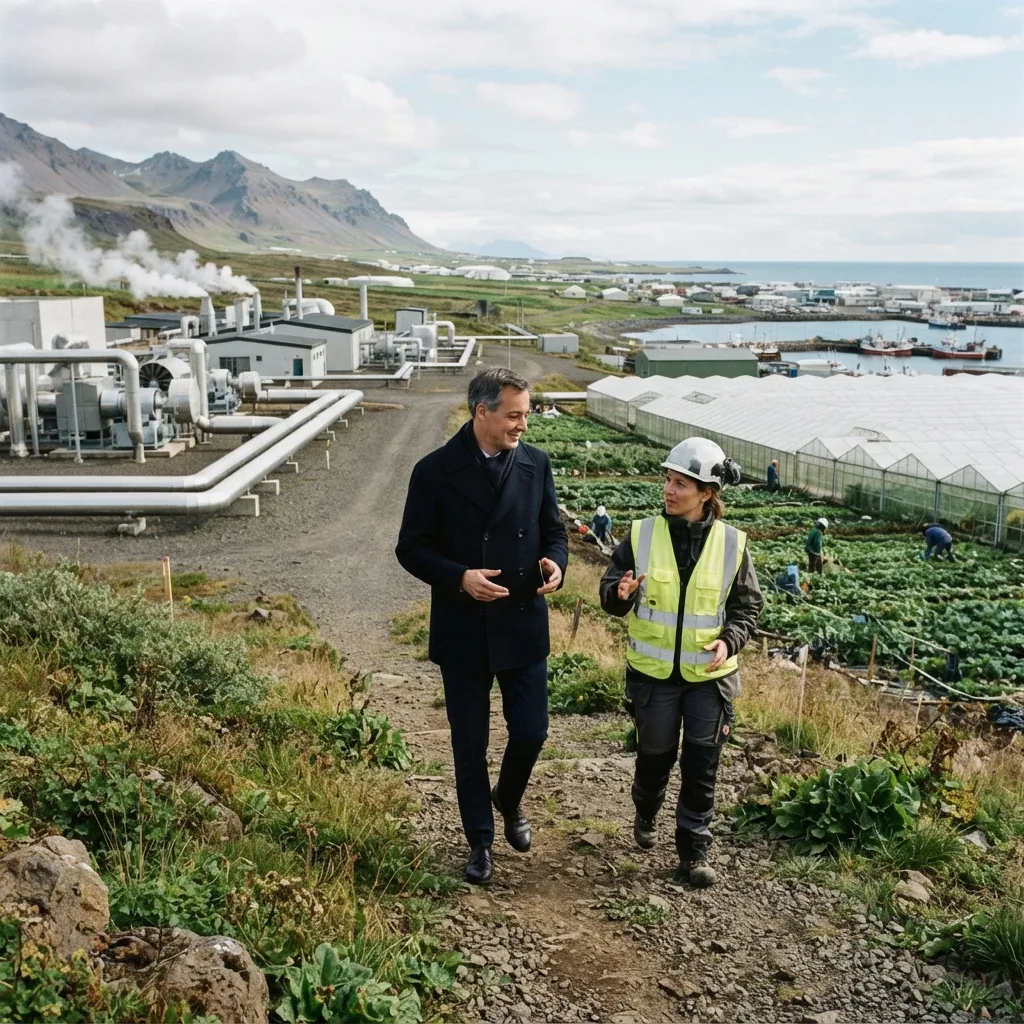
According to de Croo, the key lies in leveraging economic growth and robust job creation to generate the massive amounts of capital required to combat global warming. By fostering industries centered on green technology and sustainable infrastructure, nations can build a virtuous cycle where a thriving economy provides the very funding necessary to implement large scale ecological solutions. This approach shifts the perspective from seeing regulation as a burden to viewing sustainability as a primary driver of wealth.
Ultimately, this strategy suggests that the transition to a low carbon world does not require an era of austerity but rather a strategic pivot in how we define progress. By aligning profit motives with planetary health, governments may find the political and financial willpower needed to meet urgent climate goals without sacrificing the livelihoods of their citizens. It is a vision of the future where saving the earth becomes the most profitable venture of our time.