

I’ve long held a theory that the way a country’s inhabitants drive is a reflection of the entropy within its government. To add, an automotive market of a particular country can provide a look into its soul. This theory is not one that I can defend qualitatively or quantitatively, but it’s something that has had an empirical eye of mine for over 40 years.
When I was a kid checking out all the vehicles passing by my mom’s Buick Estate wagon, I was able to take in so many assorted brands from several continents. While most cars on the road came from Detroit, Kenosha, or Toledo, there were a few “foreign jobs” that came from a dealer or two that specialized in imports. They were curiosities more than anything else, but they helped me bear occasional witness to minor-league imports like Lancia or Rover.
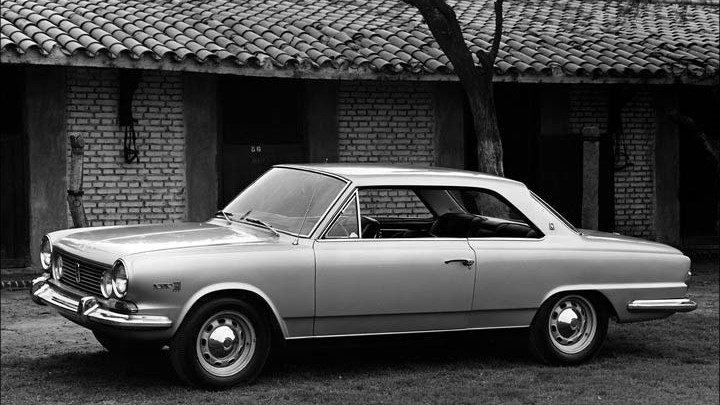
Then, when my parents took the family to visit Argentina, it was like having another lesson in automobiles. All the European brands I was familiar with (and then some) had a strong presence in Argentina, though models not normally seen in the U.S. American brands were often popular. But those were generally captive imports that Argentina made into its own—the Ford Falcon being most notable, though arguably nothing stands as tall as the Kaiser-built IKA Torino. There also were European versions of American brands, such as Ford’s Taunus. (It’s worth noting that, in an earlier era, what we would consider American classics had a presence in Argentina.)
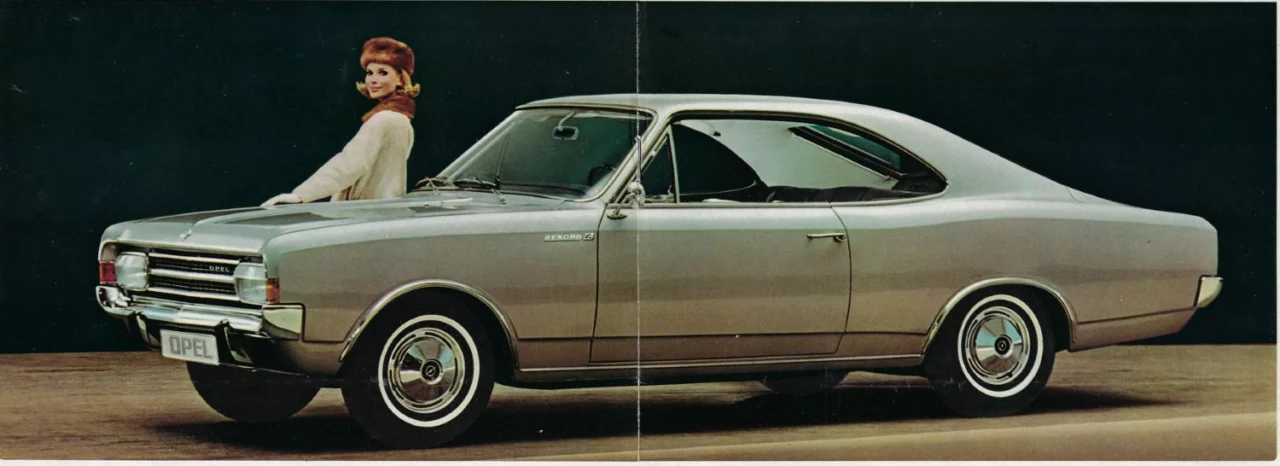
A visit to Peru when I was around eight years old showed me more of the same, but different. In retrospect, Peru was a different country with a different military junta having a different sovereign idea, which could explain the different automotive landscape that included, say, 1960s Opel Rekords I didn’t see in Buenos Aires.
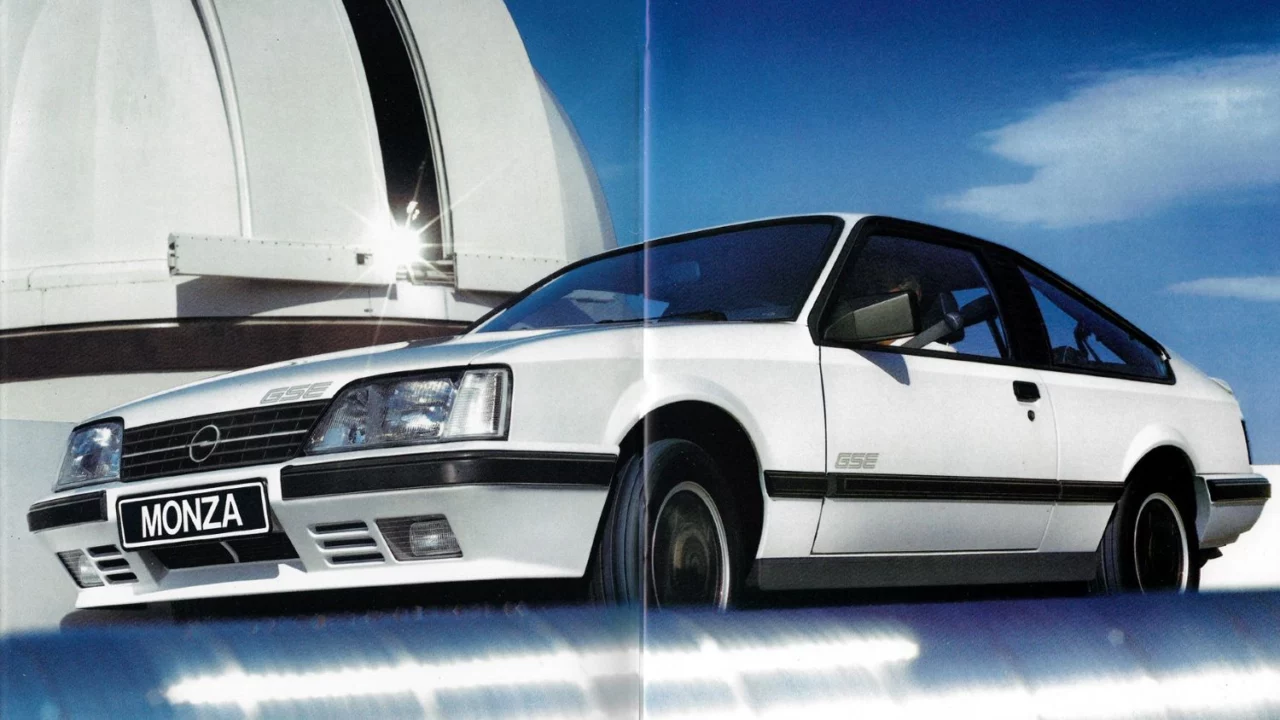
When I was 12, I had the opportunity to go on trips to Switzerland and Italy. In my teens, I was able to visit Paris, Egypt, and Israel. Also, during this time, my dad would have business trips in Europe and bring me the latest automotive yearbook from France or Germany. It made me familiar with Iron Curtain cars (many Fiat-based), small-batch sports cars (Isdera, anyone?), Japanese cars with different home-market names, and several unique vehicles produced by small countries (like Turkey’s Anadol).
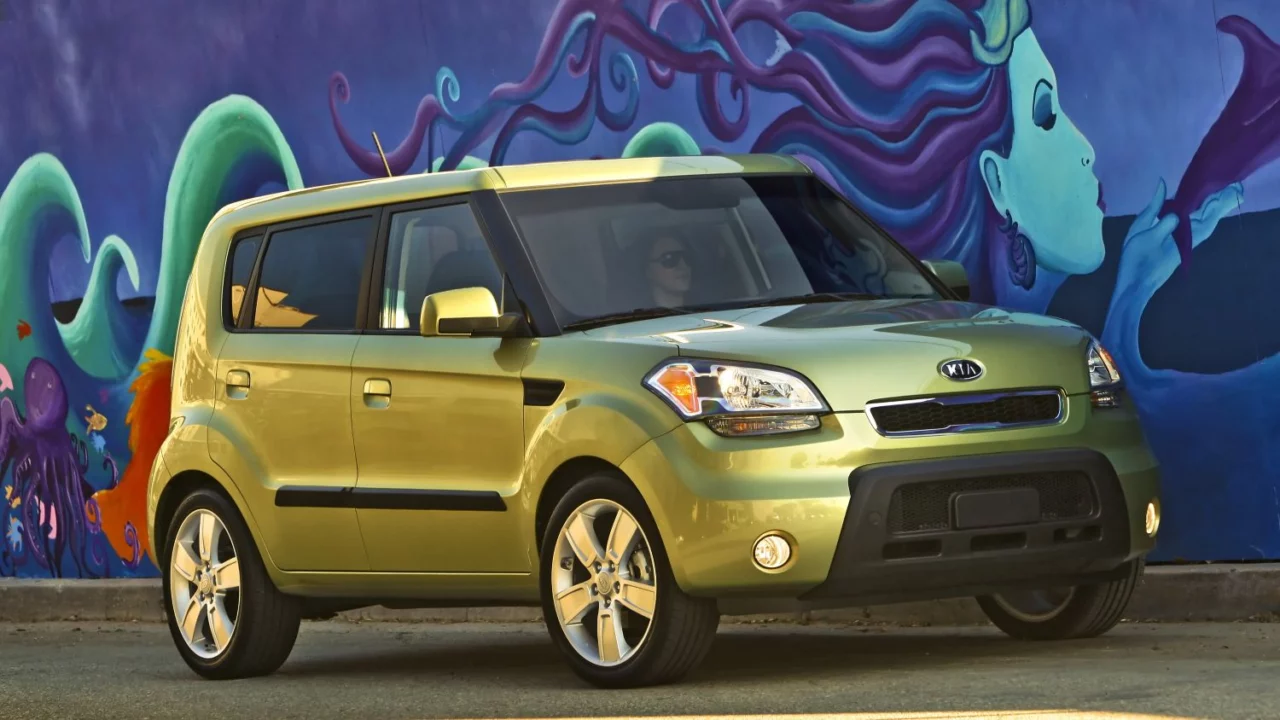
Then, when this Gringo ended up marrying a Colombian, I was completely surprised by the car scene when I first visited her homeland: tons of small South Korean sub-sub-compacts, several Frenchies and Italians, a few strong Japanese brands, a Brit here ‘n’ there, plus several Chinese brands with strange names and stranger styling. This experience gave me new insight into the cars that are available in a given country.
As such, I may judge a country by the cars on its road. Certainly, the intersection of cars, country of origin, and culture is an interesting one. We even witness this in America, where Toyota has a plant in Kentucky and can be considered American based on the percentage of American content, yet is it truly an American car? To this guy, they’re still Japanese cars derived from Japanese culture. There can be no confusion that these cars are not from Detroit.
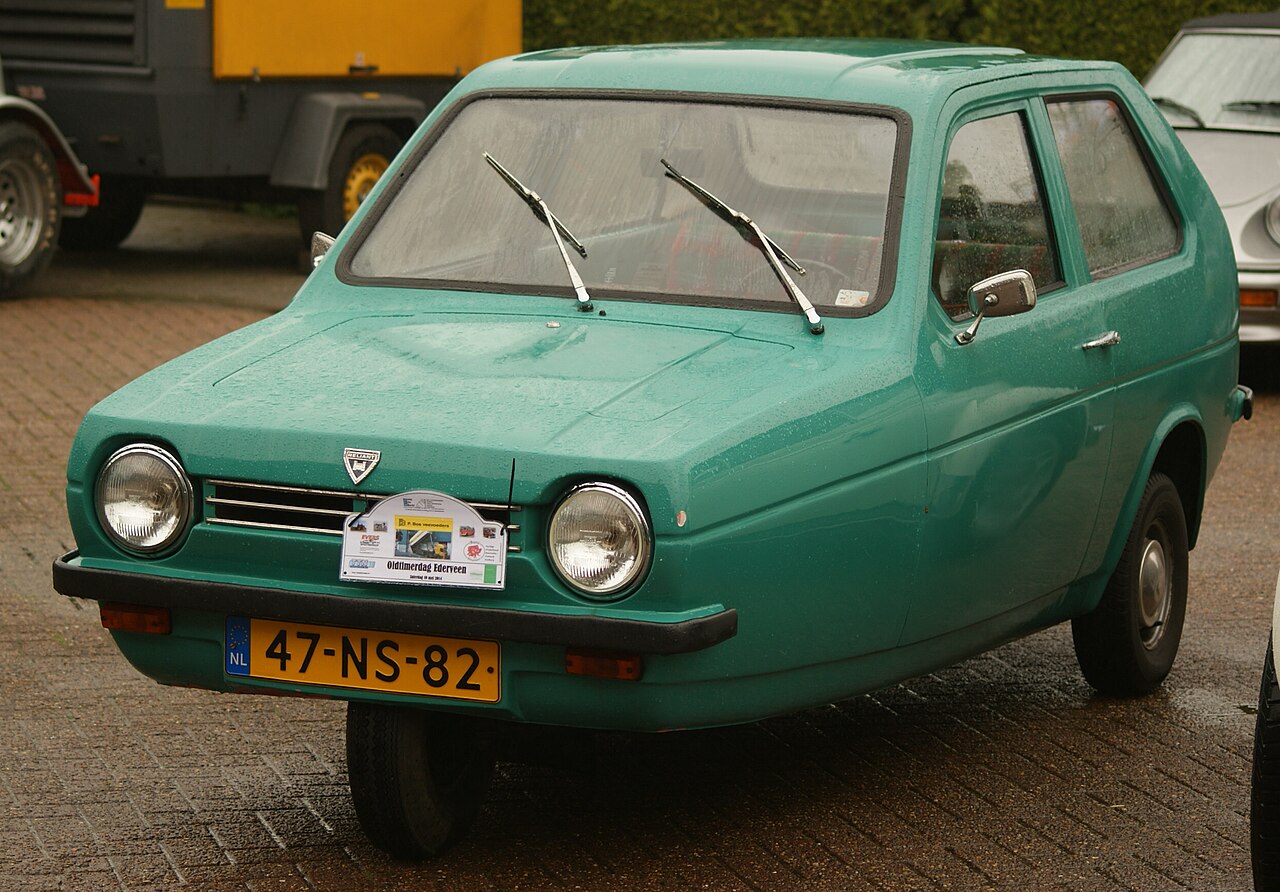
Back to Colombia: It has me wondering what government rules are established to sell a car in the Colombian market, and how taxes can shape an automotive market. Japan is the famous example of this, but it’s not a Third World country. Other First World countries are no strangers how economic nudges can dictate what people drive, as England once had three-wheeled vehicles like the Reliant Robin to take advantage of financial breaks within the British system (in this case, it was taxed as a motorcycle). Say what you will about taxes influencing consumer behavior, but the United Kingdom has never had a shortage of automotive fun.
That seems to be missing from Colombia’s market. My wife and I bought her parents a new car—a Renault Logan—but it was very clear this Renault treated Colombia as a “Developing Nation” so it appeared to offer cars with many modern conveniences on vehicles that were at least a decade behind in style and dynamics. (I suspect this to be the result of how the Colombian government regulates the auto industry.) Additionally, classic car culture is small (unlike in Argentina with its more established home-grown industry, though the heavy Italian presence helps), with few old cars to be found on the road—during Christmas 2025, I bore witness to a train of 1980s Mazda 323s travel through a city with loud music (ugh, please no more Reggaeton!) blaring from their open hatches.

If cars can also reflect the spirit of the people, then clearly the Colombian automotive industry is not reflected by that. We as Americans are all too familiar with how our culture is exported to all points around the world, and Colombia is no different—for all the Shakiras and Vergaras that show us what it is to be Colombian, the truth is that they are packaged products to satisfy our own impressions. A deeper dive would find a country who celebrates hospitality, has close familial ties and respect for elders, has love for music and dance, and a general alegría de vivir more commonly associated with the French or Italians.
Wouldn’t it be cool to have a country like that producing its own automobiles to reflect its own character? Unfortunately, for now, Colombians seem to be forced to deal with mediocrity. Bearing witness to Argentina’s past and how they—a people with a strong cultural distinction from Colombia—were forced to deal with three-on-the-tree Falcons into the 1990s. When the people are forced to tolerate mediocrity, then they become accustomed to it. It was a reflection of Argentina at one time, but I wouldn’t go as far to suggest Colombia suffers the same fate today, especially in the graces of globalism.
