

For many American models, add the name “Brougham” and it’s a sign that it’s a gussied-up version of a familiar model. But from where did this distinction come? And did you know that there have been several models over the years called “Brougham”? It’s an interesting story with several models of which you either were not aware or may not have remembered.
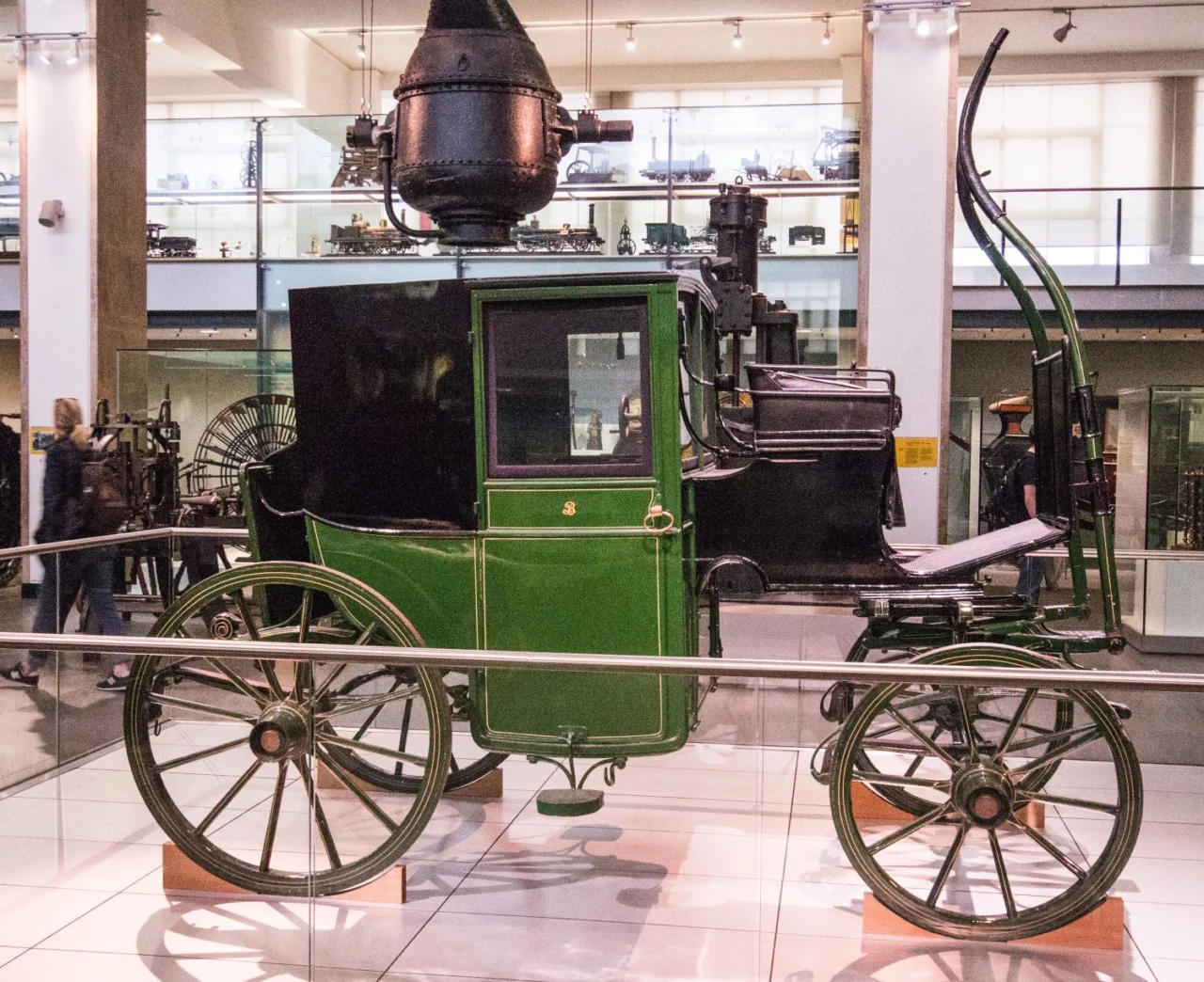
Like many automotive names, “Brougham” came from the carriage trade. In 1838, a British statesman named Lord Brougham commissioned a carriage built to his specifications by the coachbuilder Robinson & Cook. Features specific to the Brougham included:
- Removal of the perch (a connector between the front and rear axles).
- Spring hangers mounted on the body structure, lowering the floor for ease of entry (especially for Victorian ladies).
- One outside step.
- Low weight, requiring only one horse.
- Squared-off roof in the rear.
- Forward-thrusting curve at the base of the cabin.
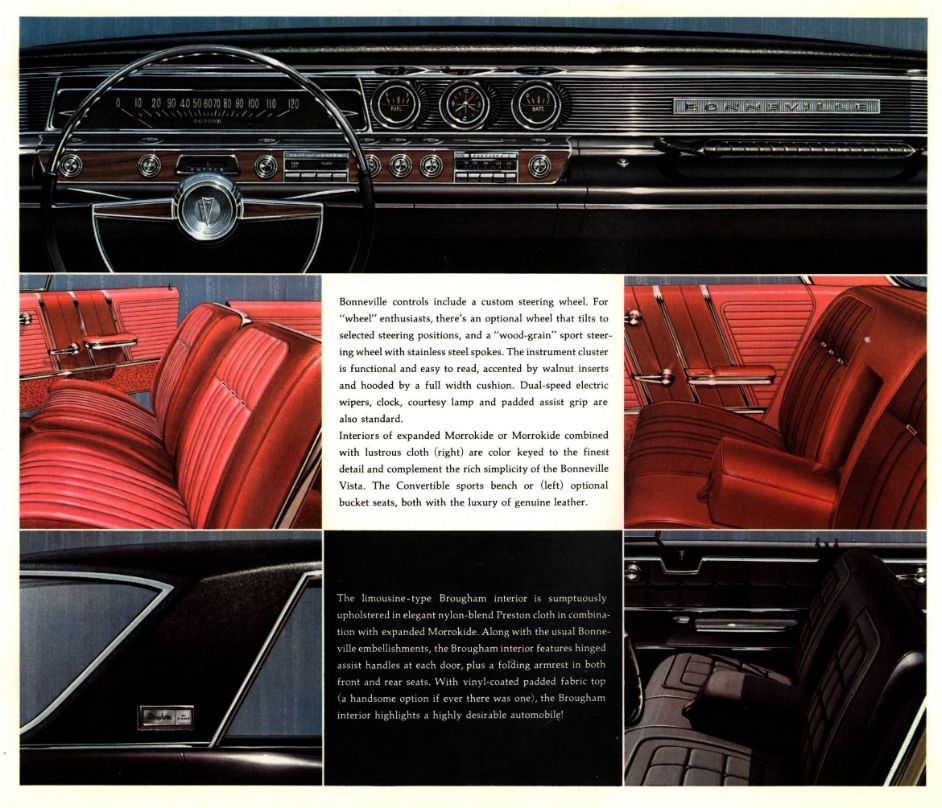
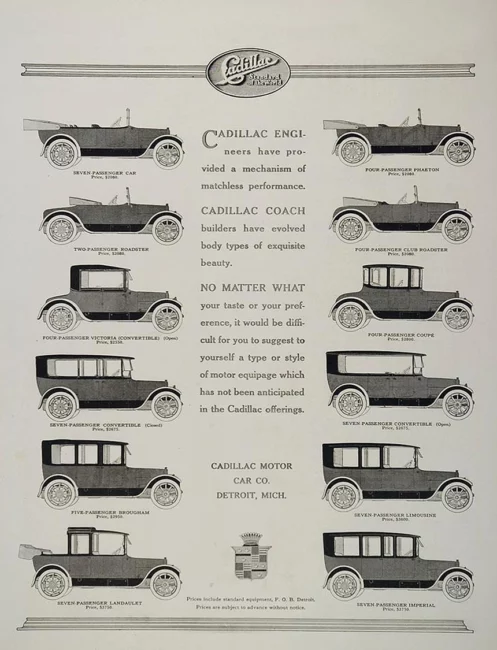
As you may know, early automobile design was derived from carriage design. The first automotive broughams were town cars, with the chauffeur ahead of the cabin. American broughams began to eschew the chauffeur (and his accommodations) for a formal two-door coupe. Then, in 1916, Cadillac pioneered the use of the Brougham name for a fancy version of its five-passenger sedan, continuing mostly uninterrupted through 1937 with fancier models and body styles. Cadillac brought back the name for the ultra-expensive 1957-60 Eldorado Brougham, but the proliferation of the same appears to have begun with the 1964 Bonneville when Pontiac introduced a fancier Brougham interior package, which ended up having other brands follow in its coattails well into the 1970s and beyond.
We have found three models among several brands throughout the years that were simply called “Brougham.”
Cadillac
Cadillac returned to the Brougham fold with an interior package for the 1965 Sixty Special. The Fleetwood Brougham replaced the Sixty Special in 1977; this car would be produced through 1986.
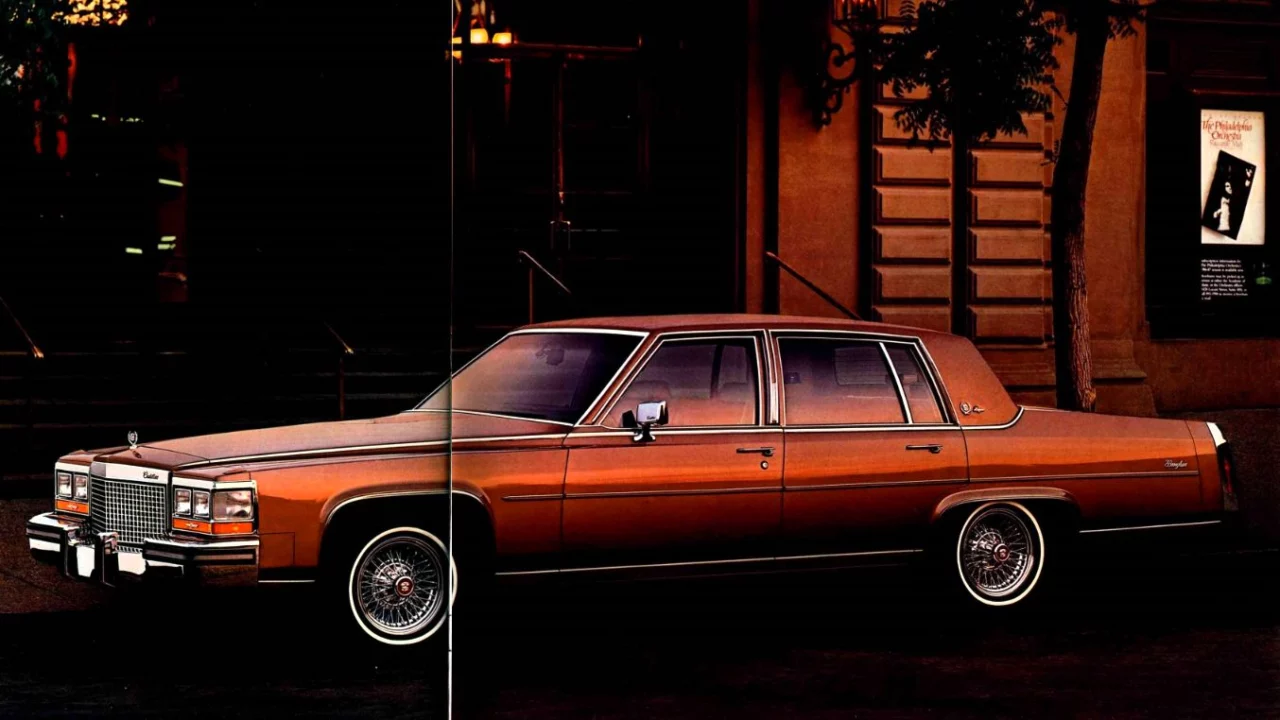
For 1987, the Brougham succeeded the Fleetwood Brougham in name, though the vehicle was the same. This was the era of front-wheel-drive Cadillacs, with the Brougham maintaining the classic rear-wheel-drive body. This car was produced through 1992; when the redesigned full-size Cadillac was introduced for 1993, it reverted back to the familiar Fleetwood, with a Brougham package available just like in the past.
Mercury
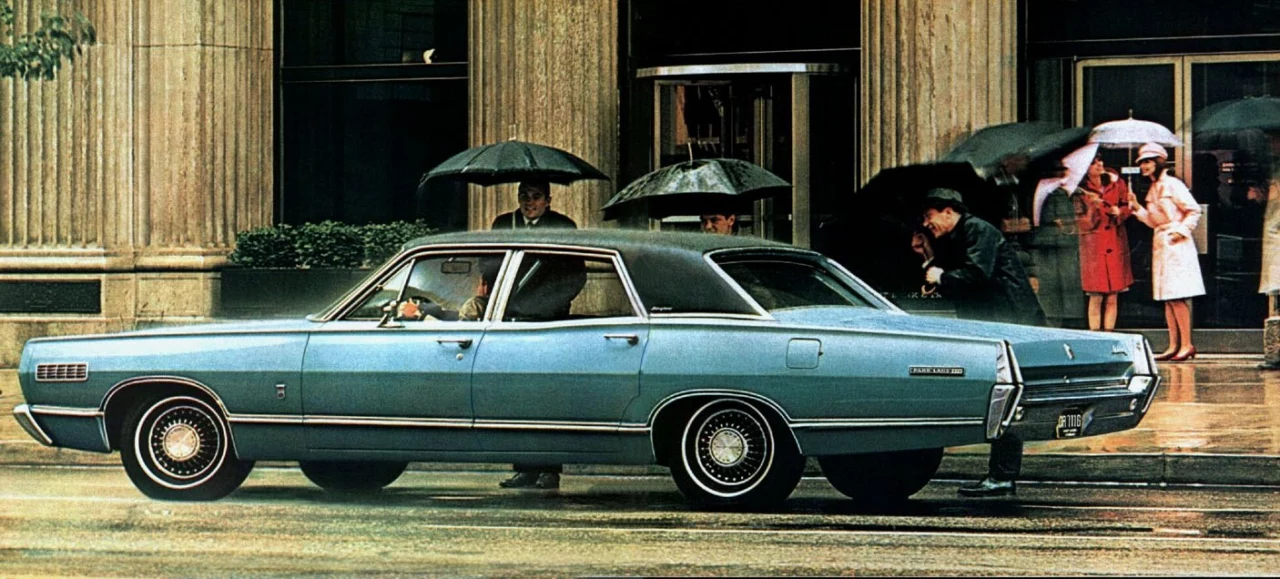
Mercury had multiple personalities in the 1960s. For some reason, the brand moved down-market in 1961, dropping the Park Lane and Montclair. Then, for 1964, Mercury recovered its position by bringing back the two dropped models.
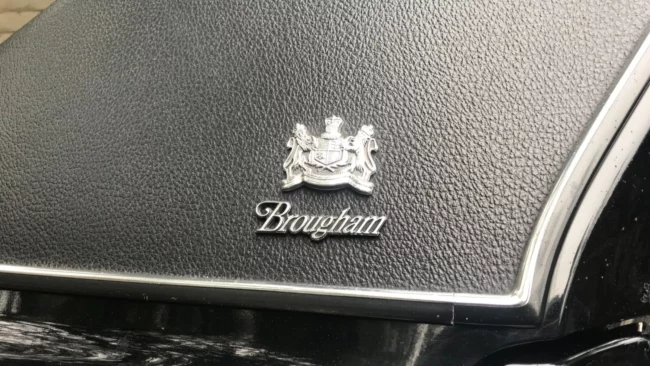
Starting in 1967, Mercury introduced the Brougham, a Park Lane-based model that was “formal in manner, luxuriously appointed, powered and equipped to perform beautifully.” Available as a four-door sedan and hardtop, the Brougham’s forte was a fancy interior consisting of elegant Chalons or Versailles fabric seat upholstery combined with “fine vinyl” with contour-molded foam front seat cushions, deep-loop nylon-rayon carpeting, and door assist handles. Other standard features included a standard 330-horsepower 410 (an FE-series engine that combined the 390 block with the 428’s crankshaft), Select-Shift Merc-O-Matic or four-speed manual, Flow-Thru Ventilation (hardtop) or Breezeway Ventilation (sedan), power front disc brakes, wood-grain steering wheel and interior trim, automatic parking brake release, “luxury level” body insulation, unique exterior and interior ornamentation, electric clock, vanity mirror, courtesy light group, rear-seat center armrest, wheel-cut moldings, and tailored spare tire cover. The cars carried Park Lane badges on the rear fenders, but the model was marketed as “Brougham.” “In total the Brougham has an aura of accomplishment with all the hallmarks of good taste and refinement,” claimed the brochure.
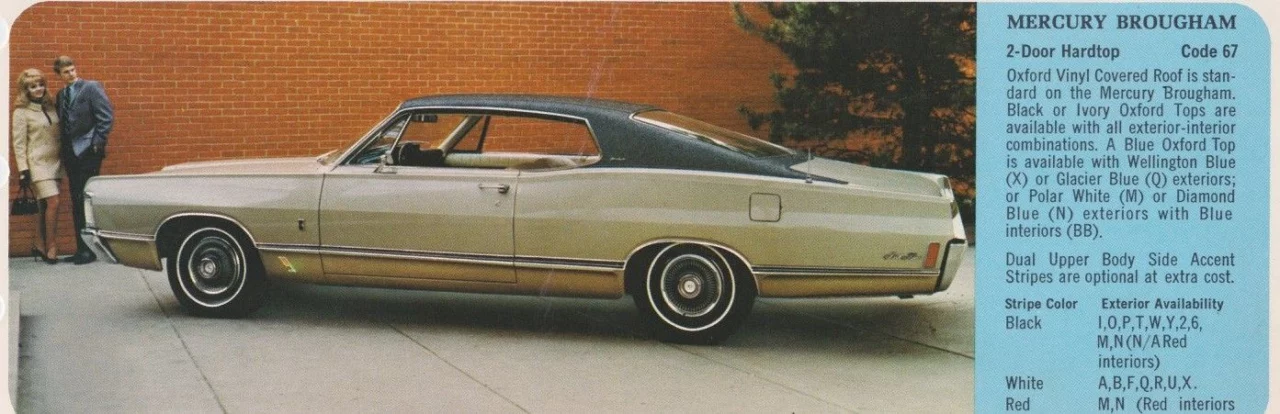
The Brougham returned slightly decontented (410 discontinued, replaced by a 315-horsepower 390, and Breezeway Ventilation was optional) for 1968, but it was still a super Park Lane of sorts. Again, what distinguished the Brougham from the latter was its cabin, now “the ultimate in interior comfort and luxurious appointments” thanks to the new “Twin-Comfort Lounge Seats.” These were individually adjustable with center armrests for each passenger, perhaps something you’d expect in a fancier Lincoln (and available as an option for the Park Lane and Marquis). Mid-year, a Brougham two-door hardtop (with a fastback roofline) was introduced, but only 114 were built.
When Mercury’s full-size lineup was completely redesigned for 1969, the Park Lane was replaced by the Marquis, which had been a personal luxury coupe for the previous two years but now was expanded to a full-line series; at the top of the series was (wait for it!) the Marquis Brougham.
Holden
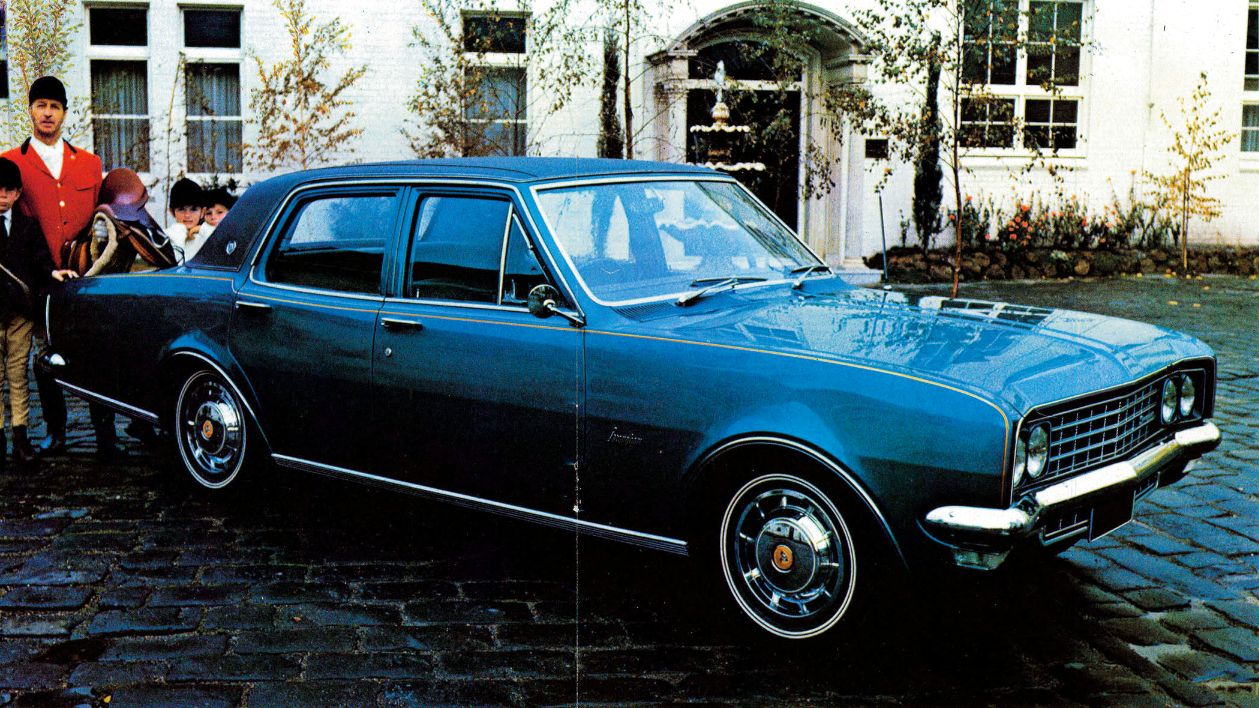
General Motors’ Australian brand may be foreign to many North American enthusiasts, but the DNA can often be seen as many of the themes familiar to Americans and Canadians are evident. This was especially true with the Holden HK series that was introduced in the spring of 1968 (cars from Oz tend to go by series and not model year).
The mainstream four-door models were called Belmont, Kingswood, and Premiere, with the latter featuring four headlights to distinguish it from lesser trim levels. In the summer of 1968, the Monaro coupe was introduced, as well as a Premiere-based Brougham four-door. The Brougham featured an extended trunk and standard Chevrolet 307 V-8 among other distinctions. Facelifted HT and HG Brougham models were produced through 1971, then the model was discontinued, to be replaced by the Statesman — ironic, considering the statesman that inspired the Brougham name.
