

The Australian Competition and Consumer Commission (ACCC) is urging fuel retailers Down Under to be honest with consumers, or risk steep fines.
The independent statutory government authority says that in the period between February 20 and March 11, 2026, petrol and diesel price rises “varied widely” between Australian capital cities and in many cases have increased as fast as wholesale prices.
The ACCC published its first weekly pricing update following the start of the current Middle Eastern conflict, and it has revealed petrol and diesel benchmark prices have increased more than international oil prices during this initial period of the conflict.
CarExpert can save you thousands on a new car. Click here to get a great deal.
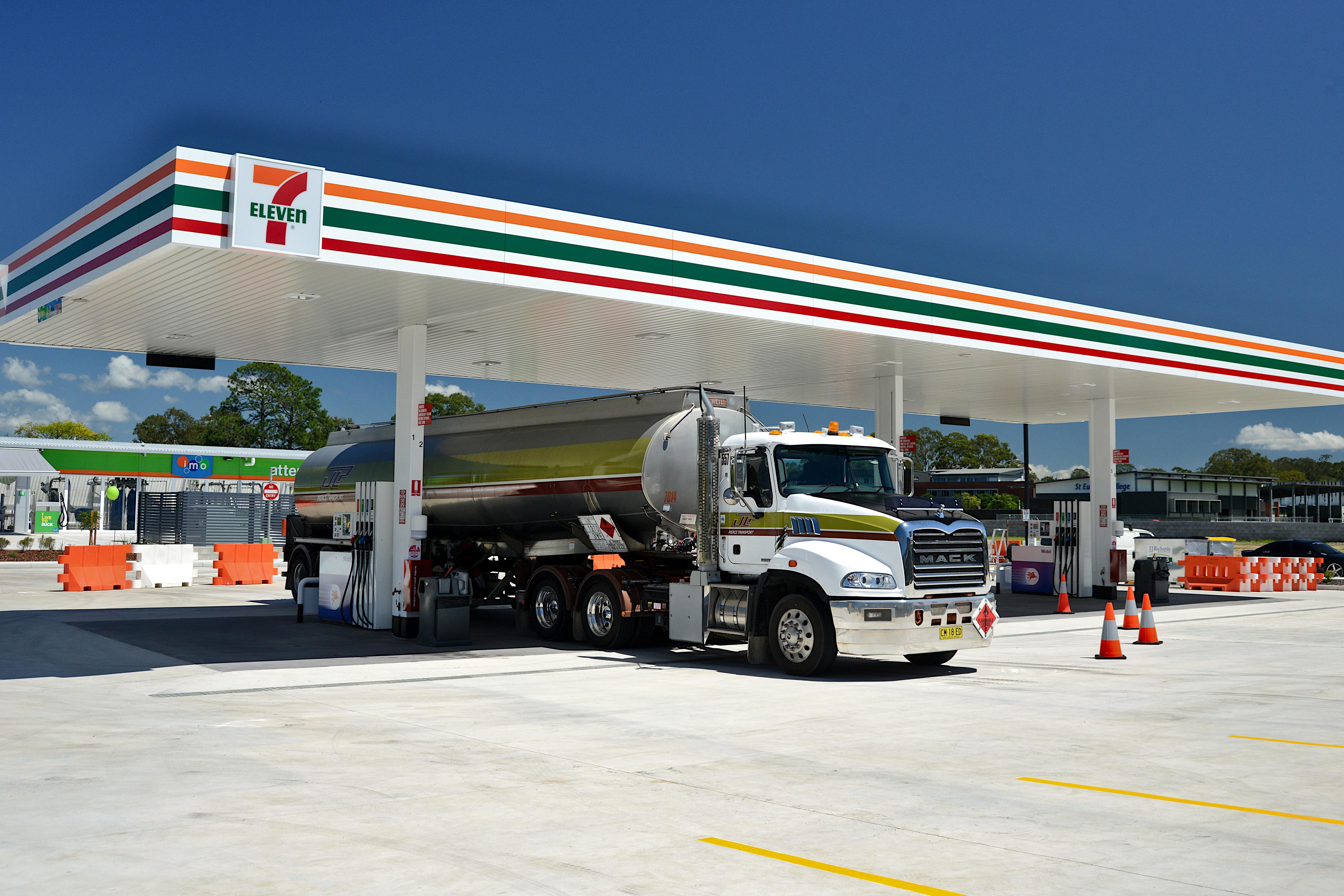
Given these international movements drive domestic wholesale prices, which in turn influence retail prices, the ACCC is sounding the alarm about fuel retailers’ behaviour.
The peak consumer protection agency has warned something isn’t adding up, and that it will take action for “misleading or deceptive conduct about the reason for the steep and rapid increase in prices by individual retailers, or breaches of competition laws”.
It contacted petrol companies including Ampol, BP, Chevron, EG Australia, Mobil, 7 E-Eleven, United Petroleum and Viva Energy seeking urgent information about recent price increases, and after reviewing their responses it says it will require further clarification in a meeting with fuel market participants next week.
“Fuel companies should be open and honest about the reasons for such widely varying and rapid increases across the country and treat their customers fairly,” said ACCC commissioner Anna Brakey in a release.
“We urge petrol retailers to explain their positions to the Australian community.
“The impacts on average retail petrol and diesel prices varies between cities, and average prices are changing daily. The market is highly complex and volatile, which we know is adding to consumer concerns.
“We know that many consumers are doing it tough and are frustrated by the rapid changes they have seen. We expect petrol retailers to explain to us and the Australian public how they have arrived at their prices.”
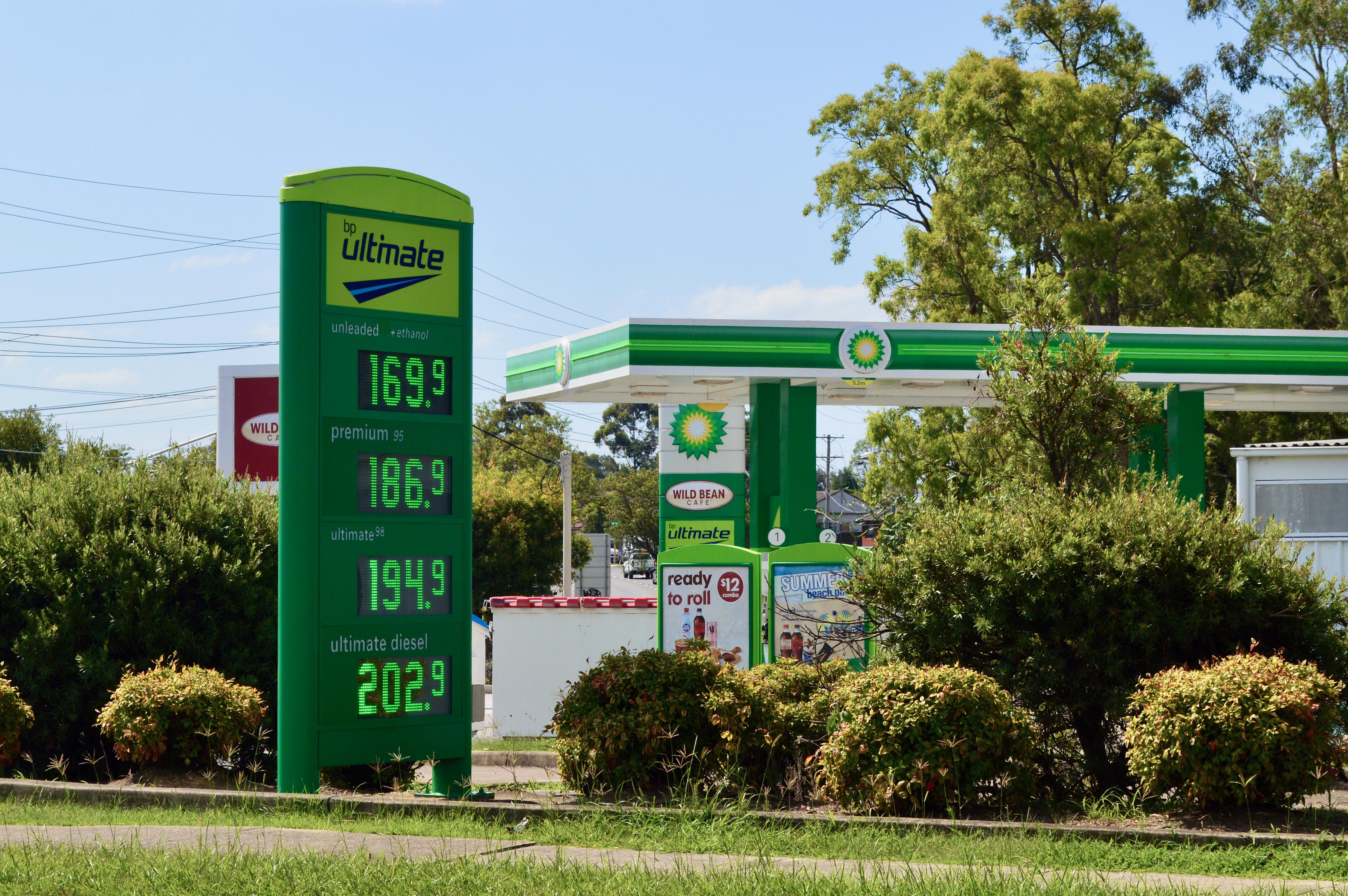
The ACCC says daily average retail petrol prices increased with higher wholesale prices “almost on the same day”, instead of there being a delay.
“In this case it looks like petrol retailers increased prices at the pump when they were selling fuel they had bought before the conflict at cheaper prices,” said Ms Brakey.
Perth experienced the largest increase in average retail petrol prices between February 20 and March 11, at 59.5 cents per litre.
Across the five largest cities, daily average retail prices on March 11 were 219.7cpl, up 48.8cpl since February 20.
You can view weekly fuel price monitoring updates on the ACCC website.
The ACCC has said it welcomes the Australian Government’s plans to increase the maximum penalties for beaches of Australian Consumer Law and the Competition and Consumer Act from $50 million to $100 million.
Not only is the ACCC concerned about price rises, it says it’s also concerned about petrol and diesel availability in some regional and rural locations.
To ensure supply to regional areas, the federal government yesterday announced it was temporarily lowering fuel quality standards for the next 60 days, opening up around 100 million litres of new petrol supplies a month.
The government is prioritising this supply for primary producers such as farmers and fishers, as well as Australians living in regional areas.
MORE: Dirtier fuel now allowed in Australia as prices surge at the pump
