

Ford CEO Jim Farley is clear-eyed about how the Blue Oval has fumbled its electric vehicle (EV) rollout.
“I totally would’ve done it differently. I mean, look, we didn’t know what we didn’t know,” Mr Farley told Car & Driver in response to being asked whether he would have done the F-150 Lightning electric pickup truck differently.
And in response to the interviewer asking when Mr Farley realised Ford had done EVs wrong, he praised Tesla.
“When we ripped apart a Tesla… I was just absolutely flabbergasted,” he explained.
CarExpert can save you thousands on a new car. Click here to get a great deal.

“The Mach-E’s wiring harness was 70 pounds heavier and 1.6 kilometres longer. We didn’t know what was going on in [Tesla engineers’] minds. But now we understand. They had no prejudice.
“We had prejudice. We’d gone to our supply-chain person and said ‘buy another wiring harness’. [Tesla] said ‘let’s design the vehicle for the lowest, smallest battery’. Totally different approach.”
But Mr Farley also blamed COVID for its impact on the new-car market and its effect on product planning decisions.
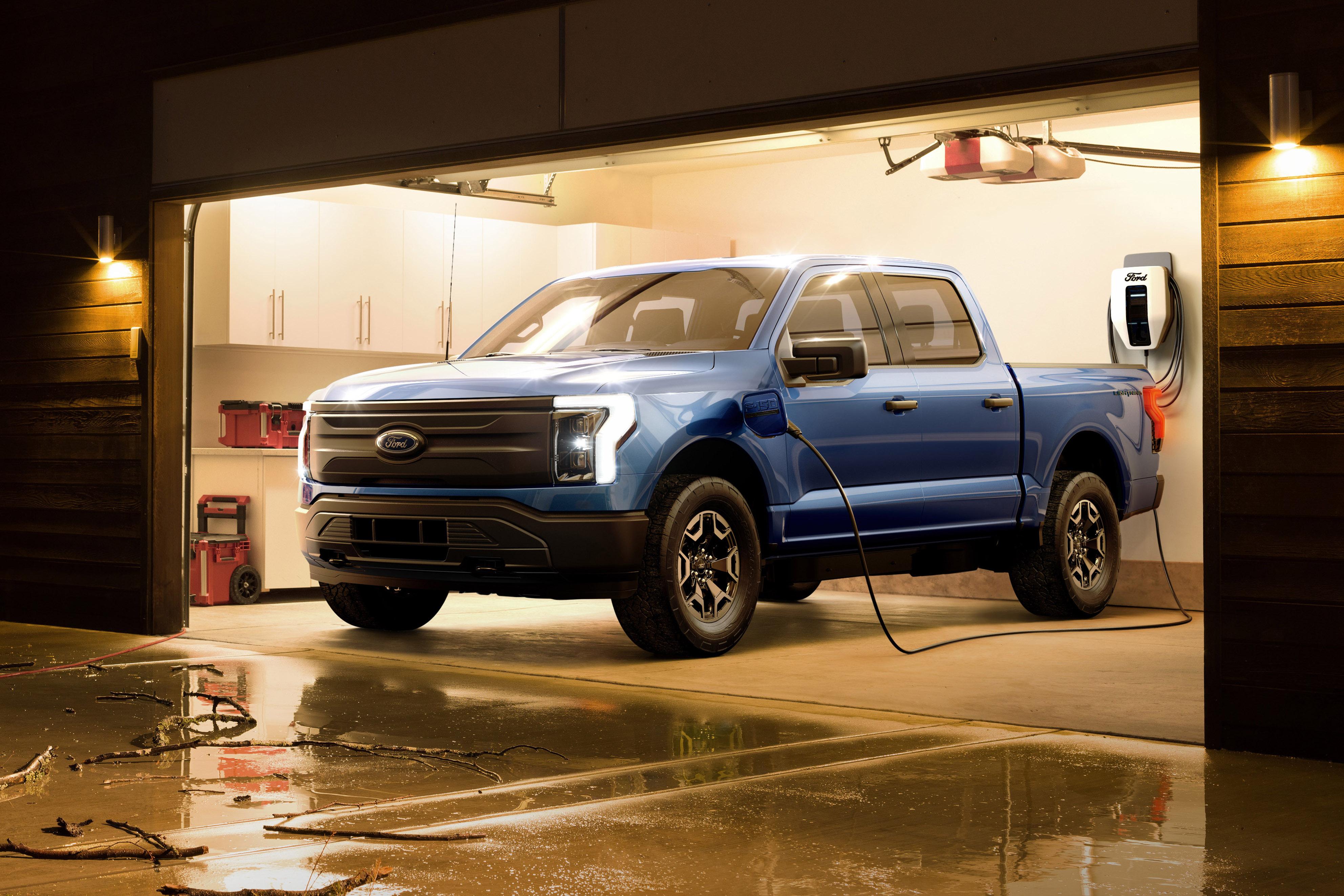
“COVID totally was a false signal. Post-COVID, and during the chip crisis that was a result of it, there was such high demand for all vehicles. If you could build a vehicle, you were going to sell it basically at 30 or 40 per cent higher prices than before COVID,” he said.
“And I guess it didn’t take us long to learn that our internal combustion engine prejudice was so high that we hadn’t designed the [electric] cars right. We had a Mustang [Mach-E], we had an E-Transit, we had a Lightning, and people loved these products. The problem was they were never going to pay the cost we put into the vehicle.”
Ford’s Model e EV division continues to lose money, posting a US$4.8 billion (A$6.8bn) EBIT (earnings before interest and tax) loss for 2025.
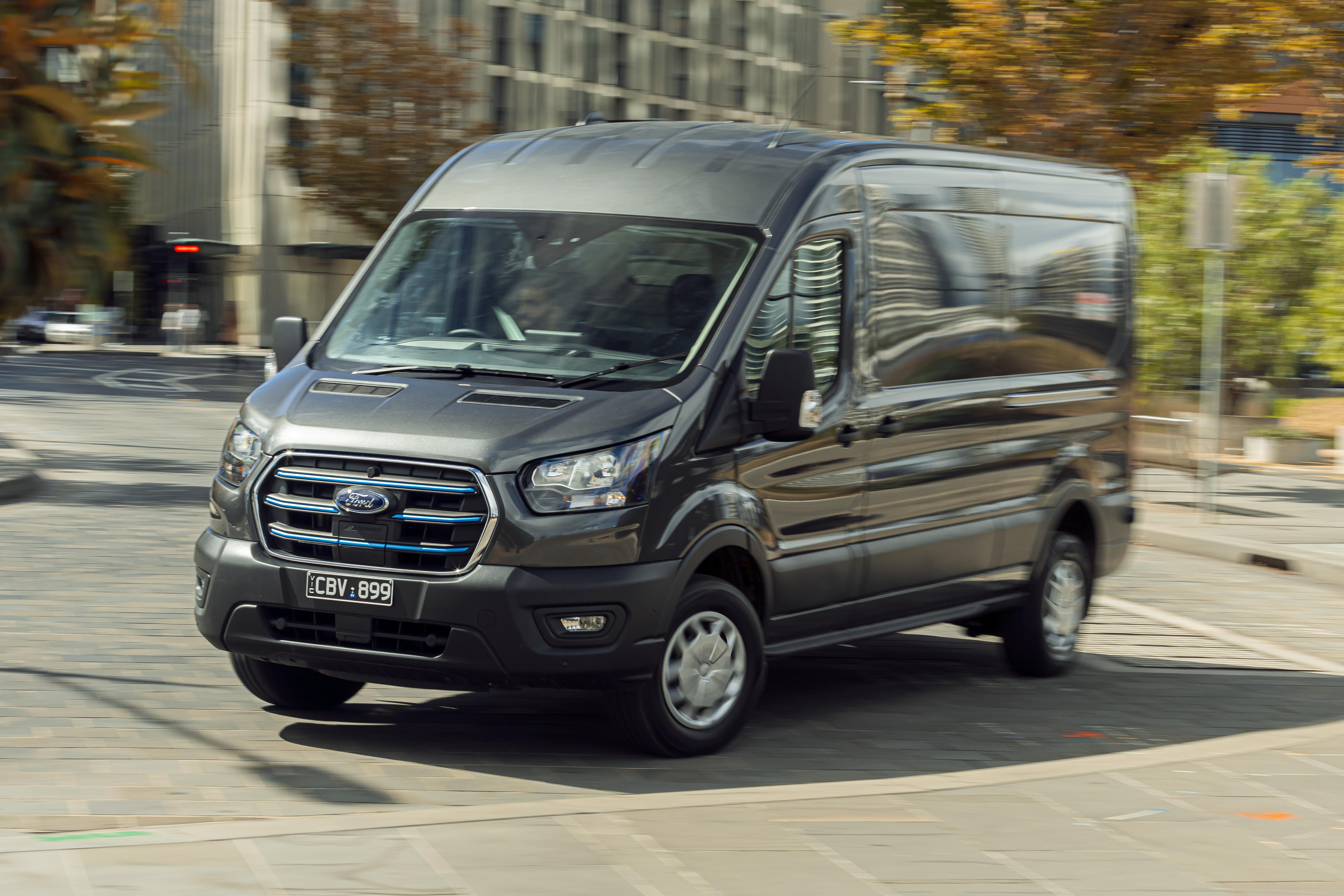
The Blue Oval announced in December 2025 it would axe the F-150 Lightning in favour of an extended-range electric vehicle (EREV) version with a petrol engine serving as a generator.
This followed its confirmation in August 2024 that it would scrap plans to launch a large, three-row SUV, steering away from where rival General Motors had gone with its now sprawling range of full-size EVs (and, admittedly, a wide range of mid-size SUVs too).
Ford’s E-Transit and Mustang Mach-E live on, and it has also developed two EVs for Europe based on Volkswagen’s MEB architecture, the Explorer and Capri.
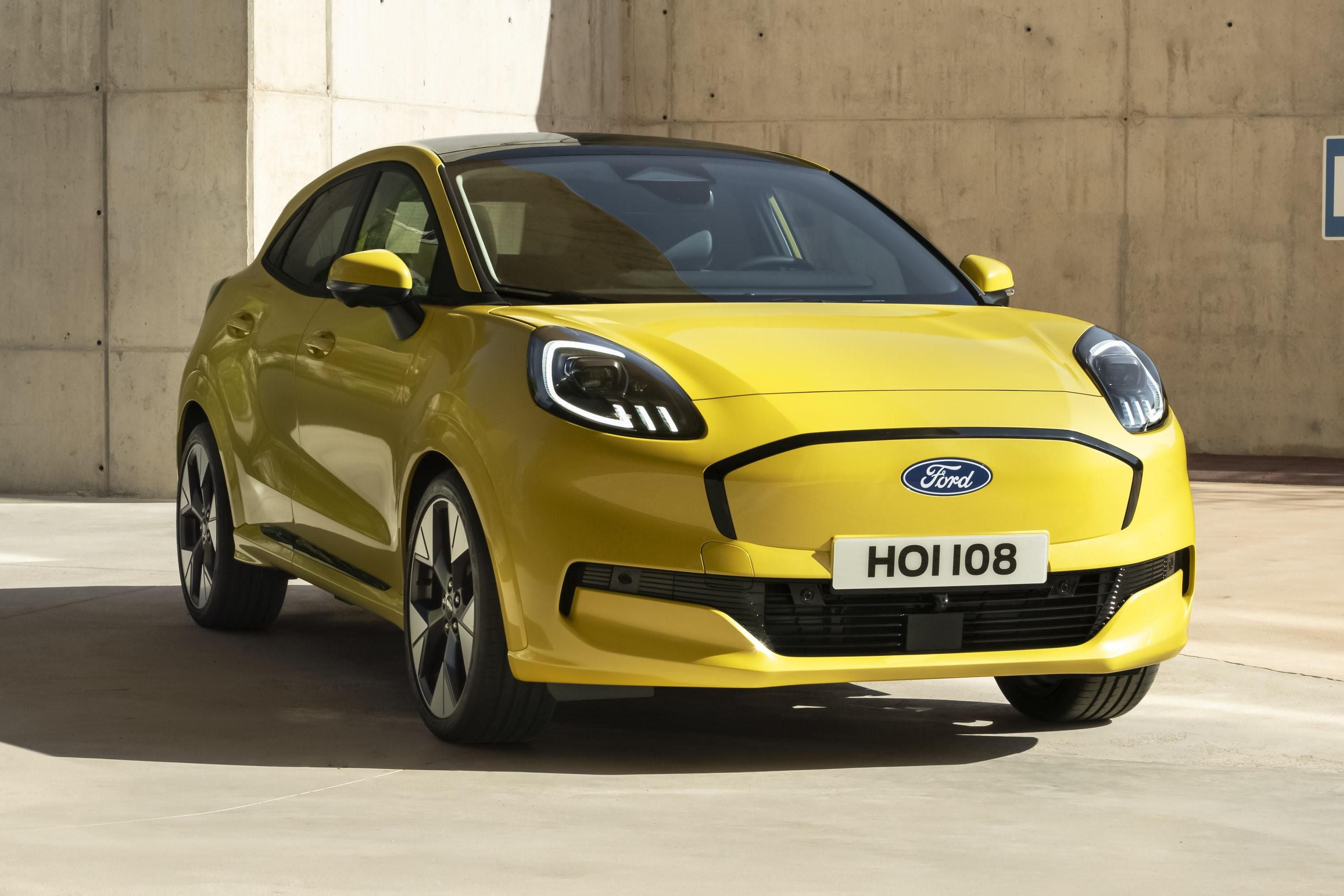
In Europe, it also offers the Puma Gen-E small SUV and a couple of other electric vans with people mover counterparts (the Transit/Tourneo Custom and Transit/Tourneo Courier).
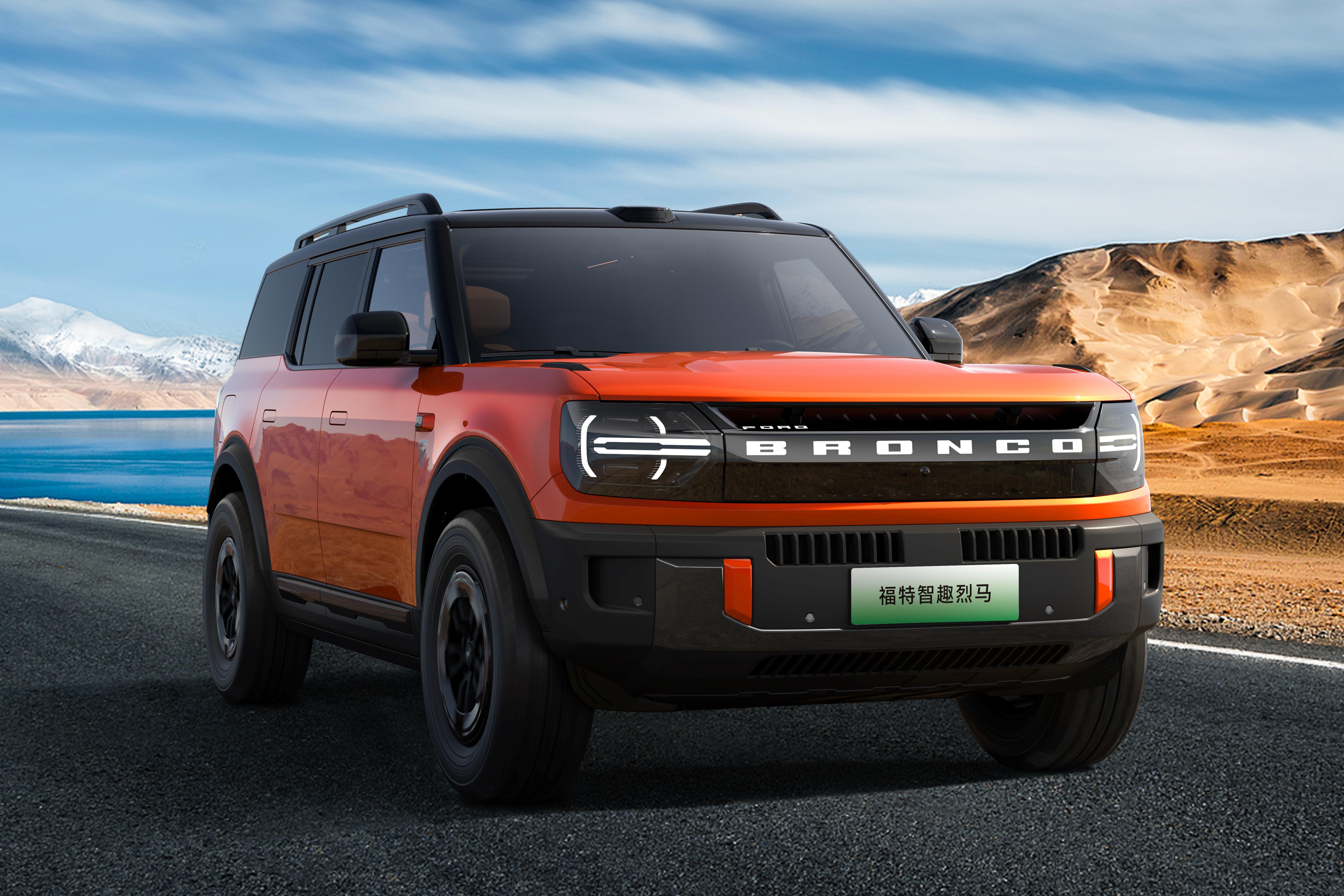
In China, Ford offers just one electric vehicle: the Bronco Basecamp, also available as an EREV.
That has left Ford falling behind in the world’s largest new-car market, and Mr Farley has been outspoken about how far the Chinese auto industry has come… and how much of a threat it poses to players like the Blue Oval.
“Anyone in the auto industry who didn’t feel like something was going to happen in China five years ago was fooling themselves. Certainly, I felt that way. But did we know that the companies and the local brands would get that good that fast? No way,” he told Car & Driver.
“We couldn’t travel during COVID. We didn’t go to China during COVID. So, it was invisible to us. But I remember going right after with our vice chair, John Lawler. We both looked at each other after about an hour, and we were like, ‘Holy shit, what the hell happened?’
“Their cars went from clearly behind us to ahead of us. Designs were beautiful. There were electric cars. Nio had battery swapping. It was just shocking, frankly. The local OEMs, with massive support from the Chinese government, built themselves into powerhouse brands.”
For the past couple of years, Ford has been touting its upcoming Universal EV platform, developed as part of a ‘skunkworks’ operation in California.
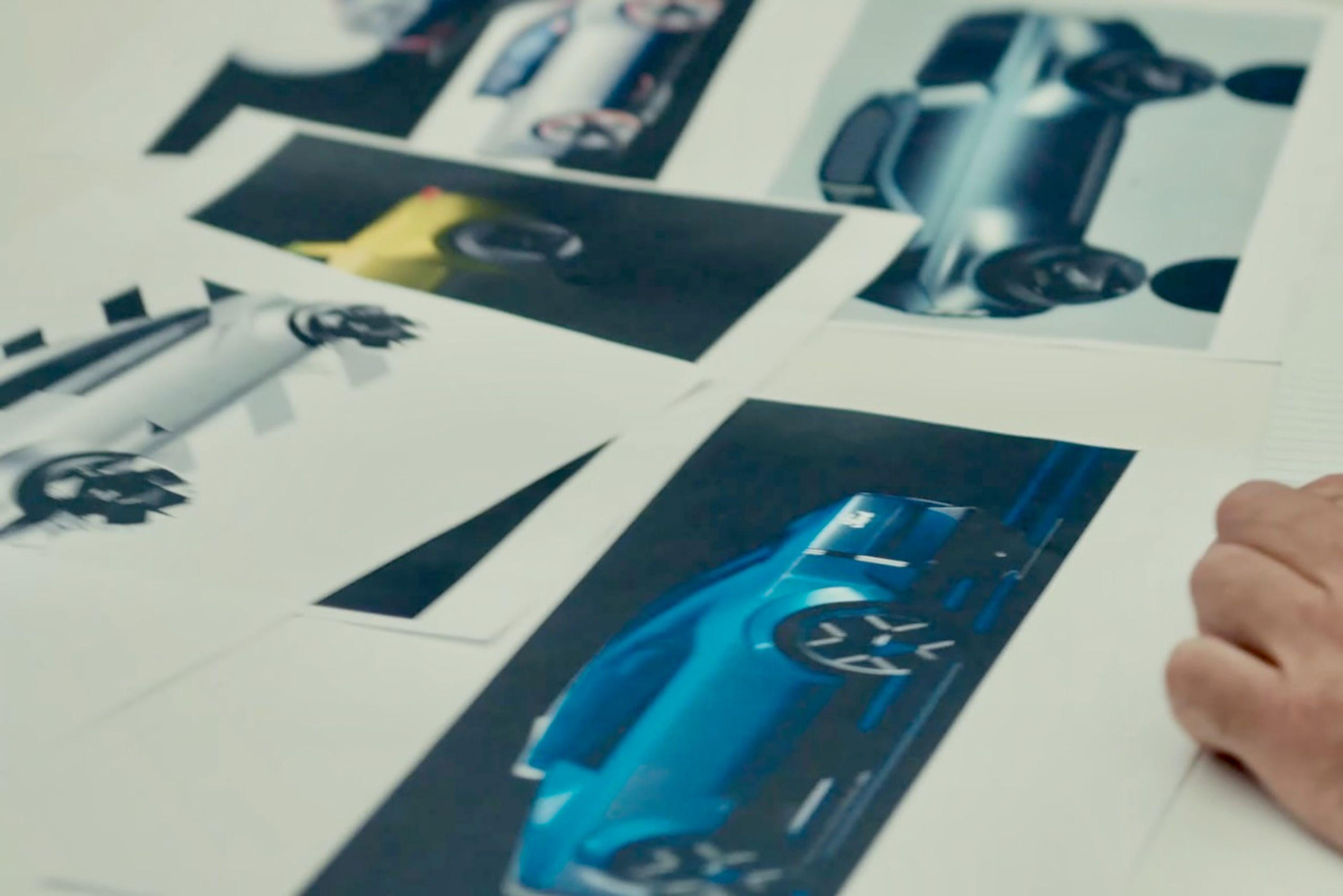
They’ll feature a 400V electrical architecture and lithium iron phosphate batteries, with Ford also planning to build them using a new manufacturing approach aimed at improving efficiency and ease of production.
Instead of tackling the pointy end of the EV market, these Universal EVs – with the name being a nod to the Model T – are being developed as affordable models that will occupy high-volume segments.
The first Universal EV will be a Ranger-sized ute, due in 2027. In addition to being affordable, with a targeted base price of under US$30,000 (A$42,000), it will also debut Ford’s new Level 3 autonomous driving system.
Developed in-house, it promised to offer eyes-off driving – technology that Audi, BMW, Honda, Mercedes-Benz and Stellantis have all walked away from.
MORE: Ford posts biggest loss since the Global Financial Crisis
