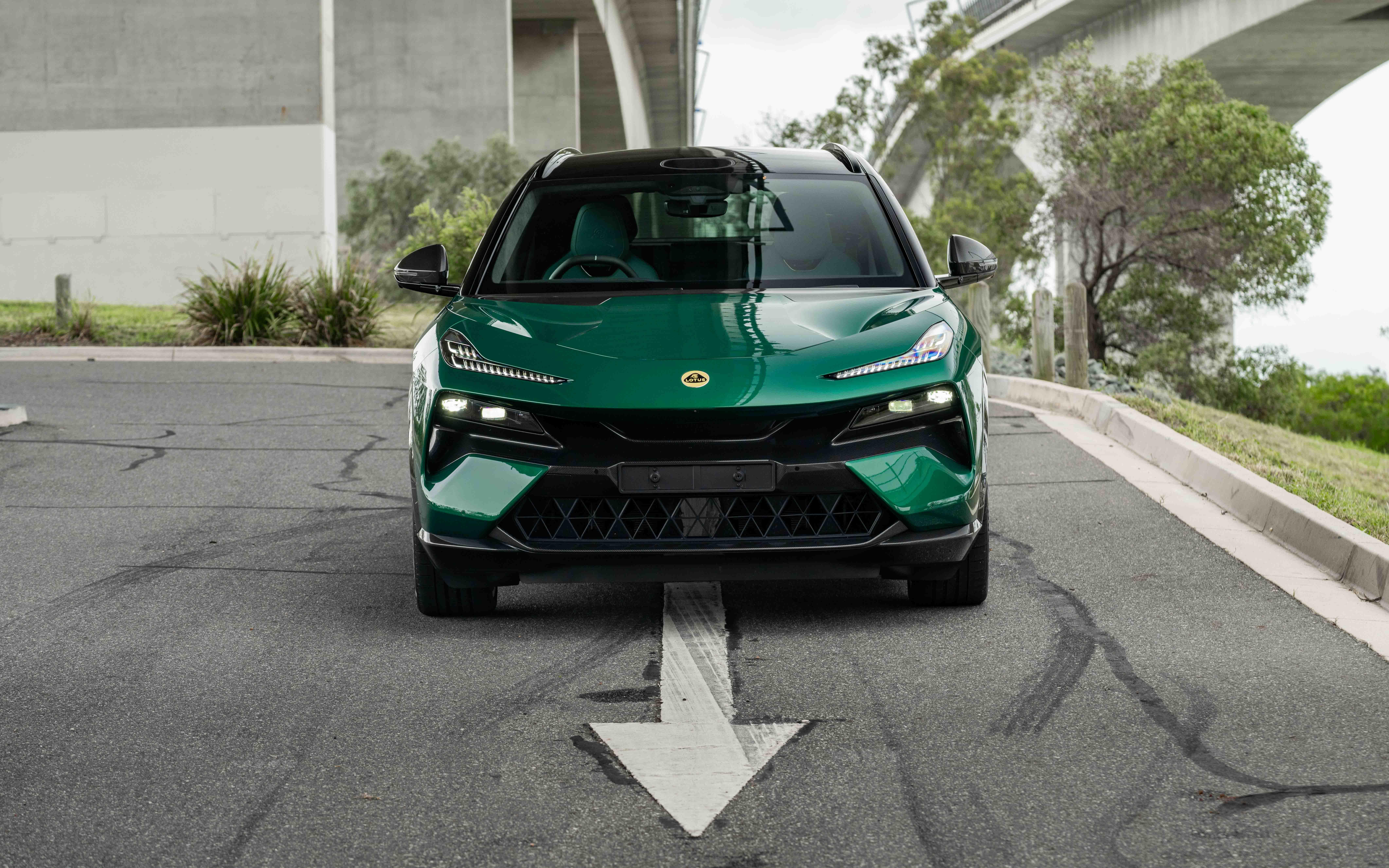
After walking back its plans for an electric-only lineup by 2028, Lotus is poised to introduce a plug-in hybrid (PHEV) version of its currently all-electric Eletre SUV next year.
“We plan to introduce two additional hybrid models based on our new architecture. The first hybrid model is set to launch in China in quarter one next year, with a dedicated technology preview event in January. A European release will follow,” said Lotus Technology CEO Feng Qingfeng during the company’s earnings call on November 24.
The first of these two – almost certain to be a ‘Hyper Hybrid’ version of the Eletre – will produce 952hp (710kW) from its high-performance PHEV drivetrain, according to Mr Feng, while also boasting adaptive air suspension and a 48-volt active stabiliser for “ultimate handling”.
“The introduction of hybrid models offers more choice for luxury vehicle buyers and will help us to expand into broader markets, including regions with slower EV adoption, such as Italy and Spain and Saudi Arabia,” Mr Feng said on the call.
CarExpert can save you thousands on a new car. Click here to get a great deal.
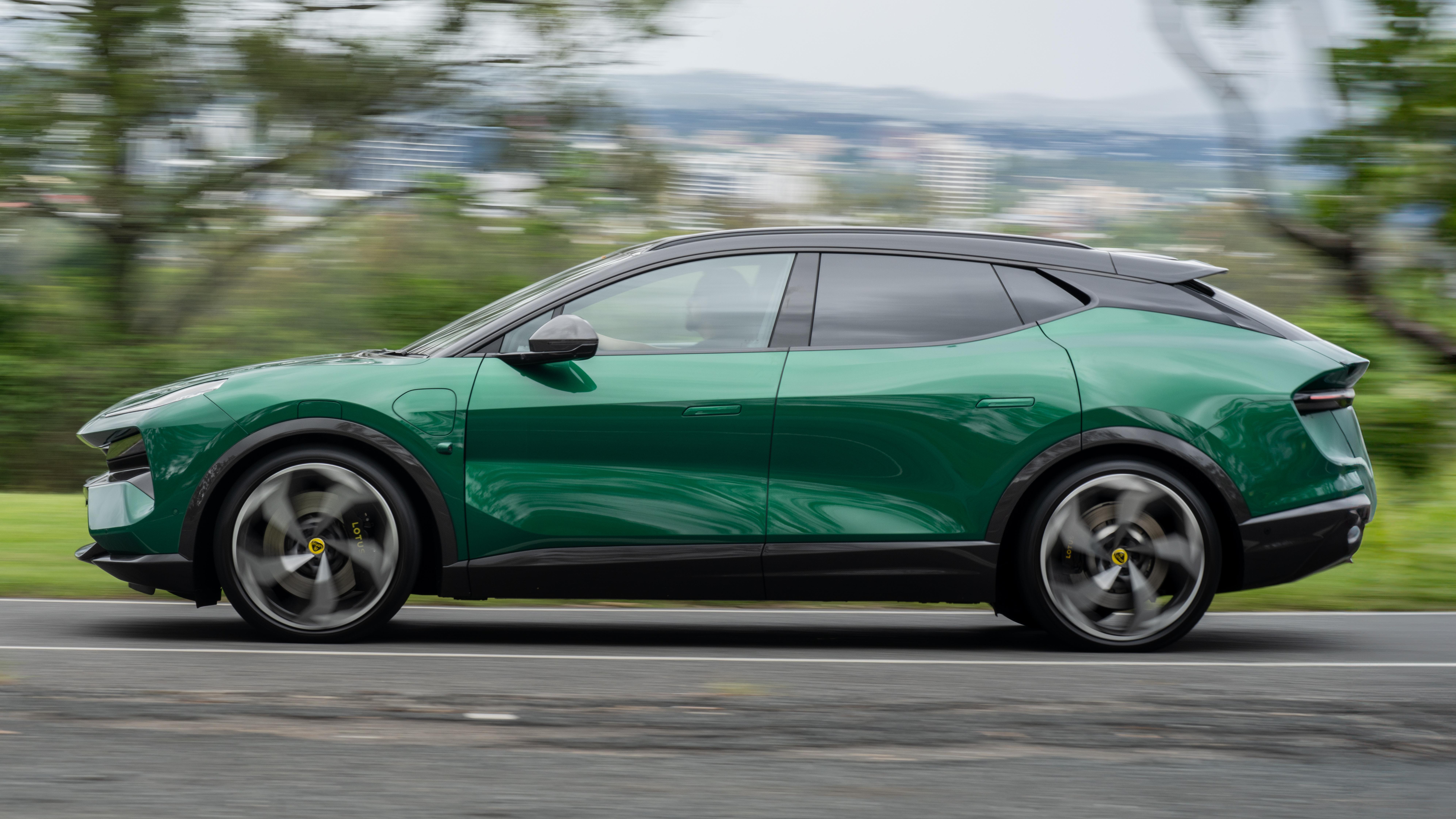
Other big claims about the Chinese-owned British brand’s upcoming PHEV tech are the 900V electrical architecture which is claimed to offer charge speeds “very similar to a battery swap”. Combined driving range is also said to be “over 1000km”.
There are no details on the combustion engine just yet, but a four-cylinder motor seems quite likely given the 9X SUV from fellow Geely-owned brand Zeekr was revealed this year with a 660kW 2.0-litre turbocharged four-cylinder PHEV drivetrain.
The luxury SUV features a 900V electrical architecture and a claimed 3.0-second 0-100km/h dash. Adjustable air suspension and 48V active stabilisation also appear on the spec sheet of the 9X, further hinting at ‘Group’ collaboration within the upper end of Geely’s stable.
Autocar reports Lotus has three PHEVs in the works, one of which will be a new, smaller SUV dubbed ‘Vision X’ due to launch in 2027 to slot in under the Eletre.
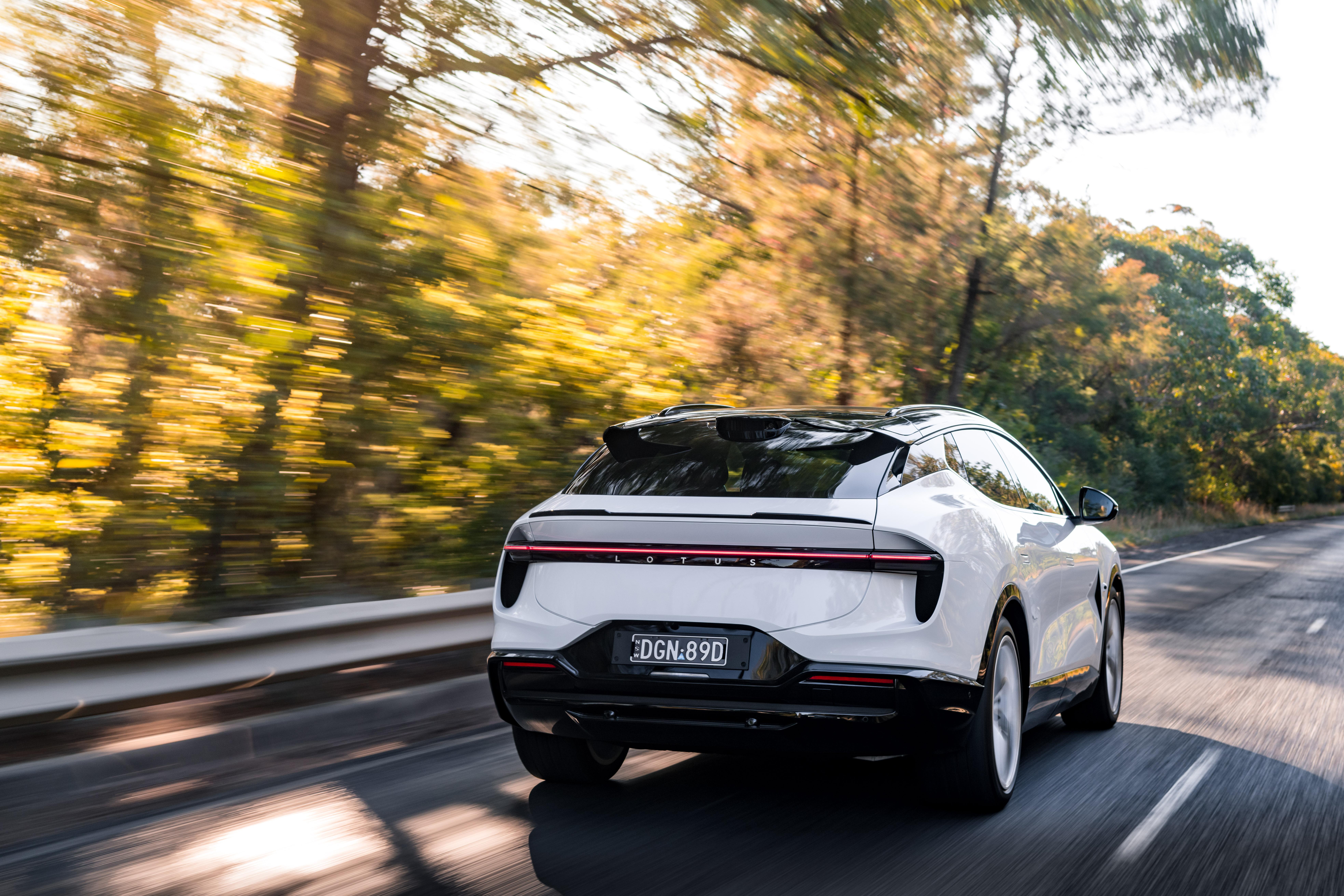
Further, the move to add PHEVs will help Lotus to avoid the EU’s higher tariffs on Chinese-made EVs, and take the fight to rivals Bentley and Lamborghini, both of which have had great success with PHEV technology to retain large-capacity performance engines while reducing emissions.
PHEVs reportedly have accounted for 90 per cent of Lamborghini’s production during the first nine months of 2025 – no doubt led by the 588kW Urus SE PHEV performance SUV as well as the plug-in Temerario and Revuelto supercars. Bentley, meanwhile, is sitting at around a 60 per cent take-up rate.
Lotus CFO Daxue Wang also reportedly said on the November earnings call that the brand’s upcoming PHEVs will help to increase profitability of the Lotus brand, which following the first nine months of 2025 reportedly posted an operating loss of US$357 million (A$545m) .
The company delivered 4612 units according to its unaudited third quarter financial results, down 40 per cent on the year prior. Much of this was down to slowing sales in Europe and China.
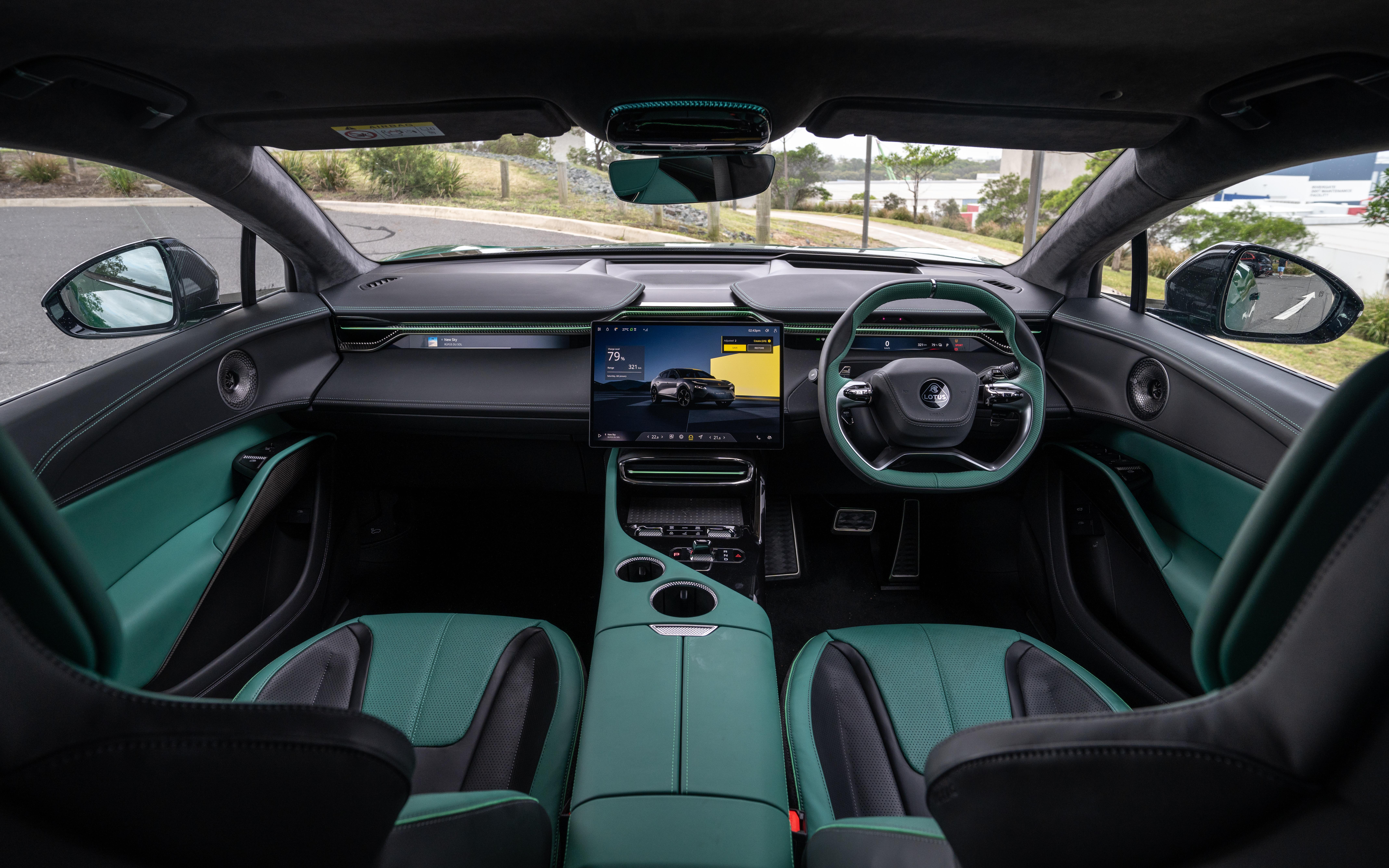
In Australia, the Lotus Eletre was subject to massive price cuts for the 2025 model year – with prices slashed by up to $49,000. As a result, the base price dipped in under the $200,000 mark for the all-electric performance SUV.
Two EV drivetrains are currently available for the Eletre, ahead of the anticipated PHEV version launching in 2026. The Eletre and Eletre S are powered by a 450kW/710Nm dual-motor powertrain, while the Eletre R flagship bumps that to a whopping 675kW/985Nm for a 0-100km/h claim of 2.95 seconds (versus 4.5s for lesser models).
It’s unclear whether Lotus plans to bring its upcoming PHEV models to Australia, nor whether there will be a significant or non-existent gap in price positioning. More will be revealed in the new year, no doubt.
Given the electric Eletre is already hundreds of thousands cheaper than a Lamborghini Urus SE (from ~$457,000), Lotus’s incoming PHEV performance SUV should be a relative bargain by comparison.