

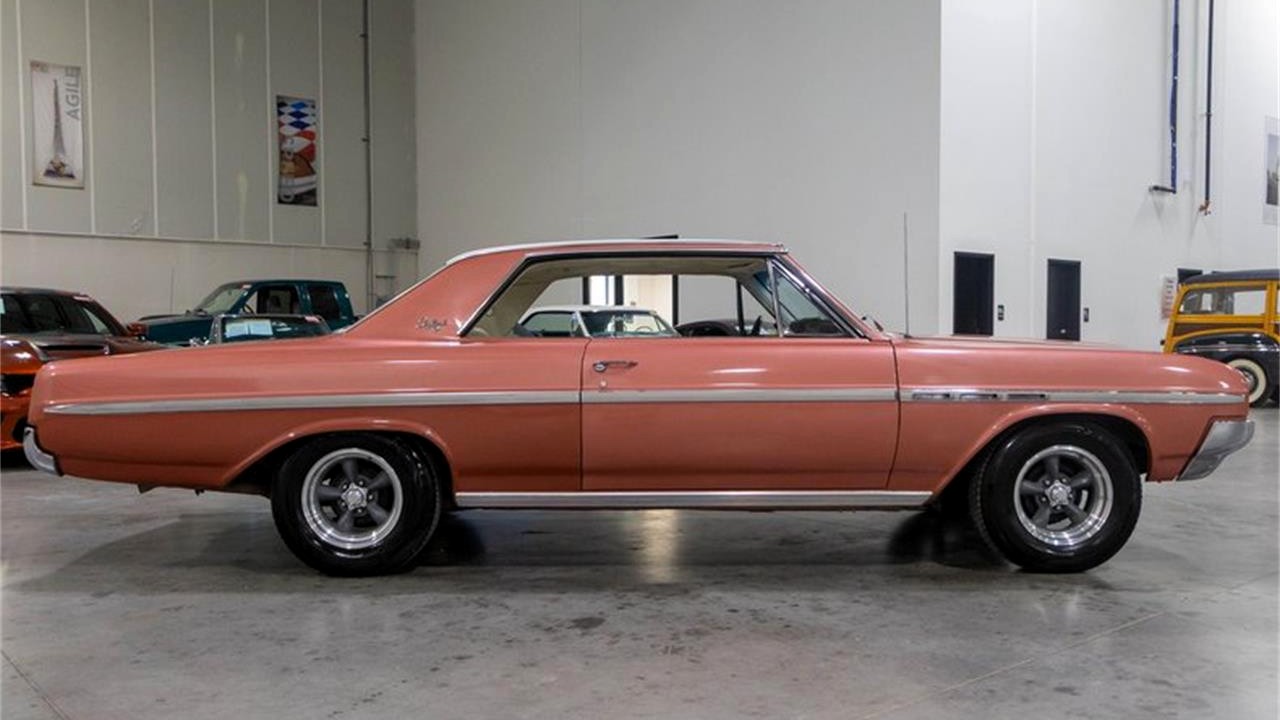
The first-generation Pontiac Tempest often receives kudos for receiving a heavier dose of engineering than the average American car at the time. A case can be made that its cousin, the Buick Special, also received more engineering support than average. However, with the second-generation Special series, Buick abandoned some of the interesting engineering, yet distinguished it nicely from its cousins. Our Pick of the Day is the upscale version of the latter, a 1964 Buick Skylark Sport Coupe listed on ClassicCars.com by a dealership in Kentwood, Michigan.
When the Special was introduced for 1961, it was the only available with a V-8. The Fireball V-8 used an aluminum block and other aluminum components like pistons, heads, intake manifold, and timing chain cover. The standard version offered 155 horsepower with a two-barrel carburetor and 8.8:1 compression, 185 horses with a four-barrel and 10.00 compression; the latter was introduced as standard equipment on a mid-year, upscale version of the Special called Skylark.
For 1962, Buick introduced another interesting engine for the Special series. This one was a V-6, the first engine like this to appear on an American car. The 198ci Fireball V-6 was based on the Fireball V-8 but lacked the aluminum components, so it weighed slightly more. Horsepower was 135 with a two-barrel carburetor and 8.8 compression.
Buick increased compression for the V-8 four-barrel to 10.25 for 1962 (giving 190 horsepower), with another 10 horses and 0.25 points in compression for 1963. Alas, aluminum was still somewhat exotic, and there were issues with porosity (if not high cost), so the aluminum V-8 was discontinued for 1964. It was replaced by the Wildcat 310, a 300ci V-8 outgrowth of the 215 that produced 210 horses with a two-barrel; a Wildcat 355 featured 250 horses from a four-barrel. Though the block was iron, the heads, intake, and several accessories remained aluminum.
However, the Fireball V-6 continued for 1964, the same model year the Special series became a true mid-size car. Now measuring 225ci and equipped with a Rochester one-barrel carburetor, the V-6 was rated at 155 horsepower. A two-barrel was used for 1966 (bumping it up to 160 horses), and this engine would continue through 1967, upon which a Chevrolet-derived I-6 was implemented as its replacement.
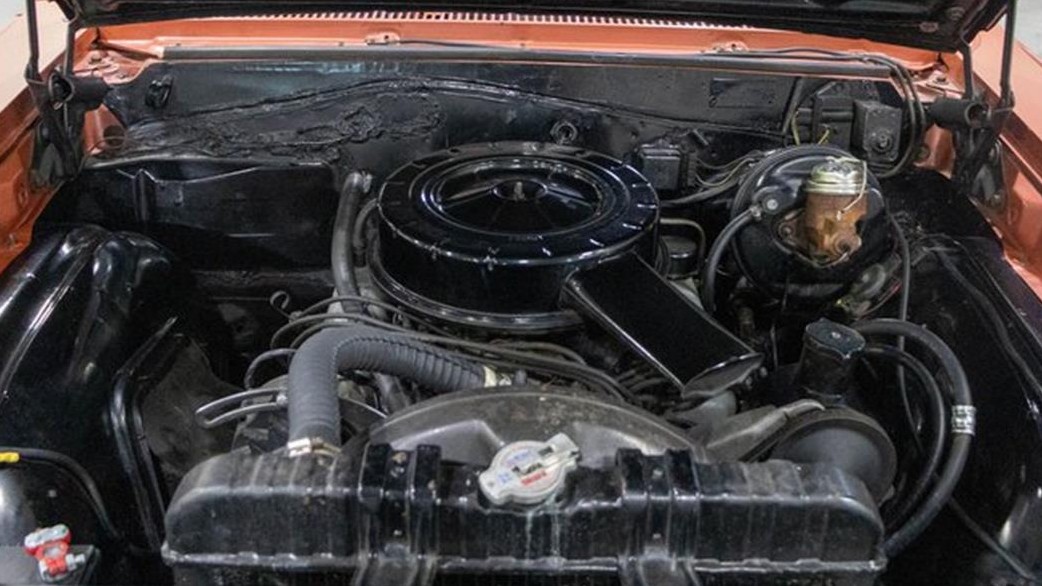
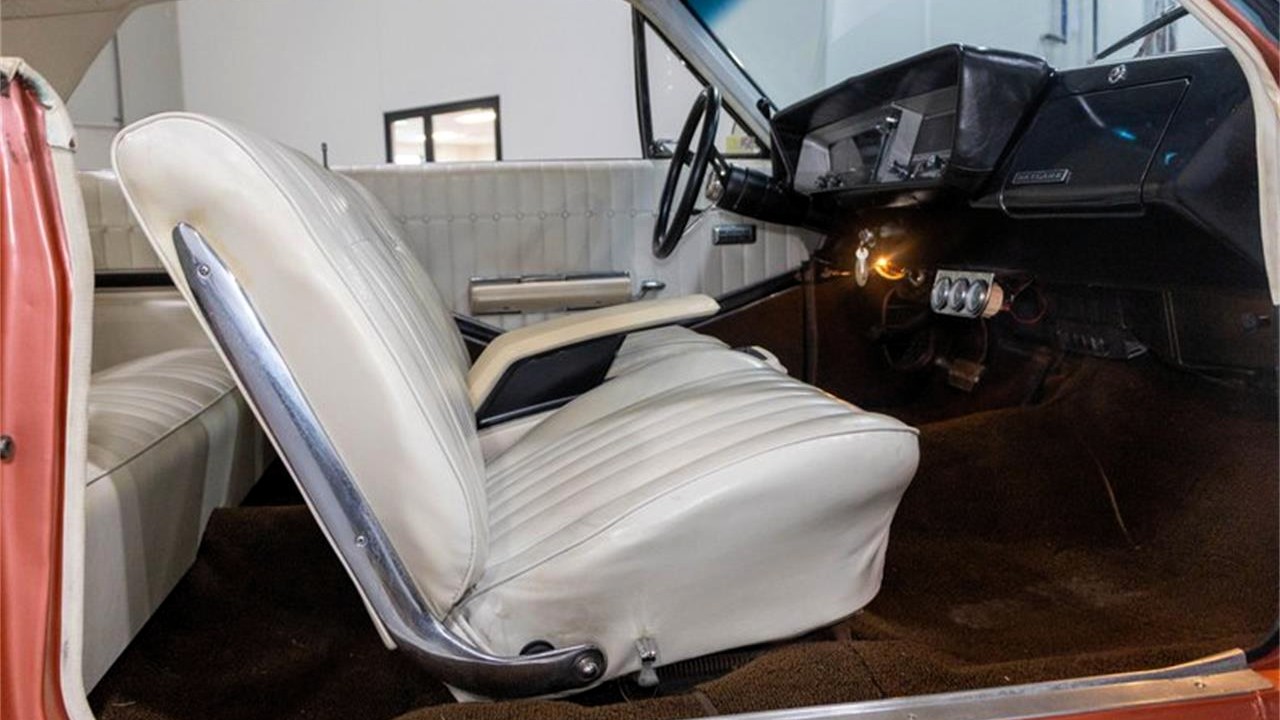
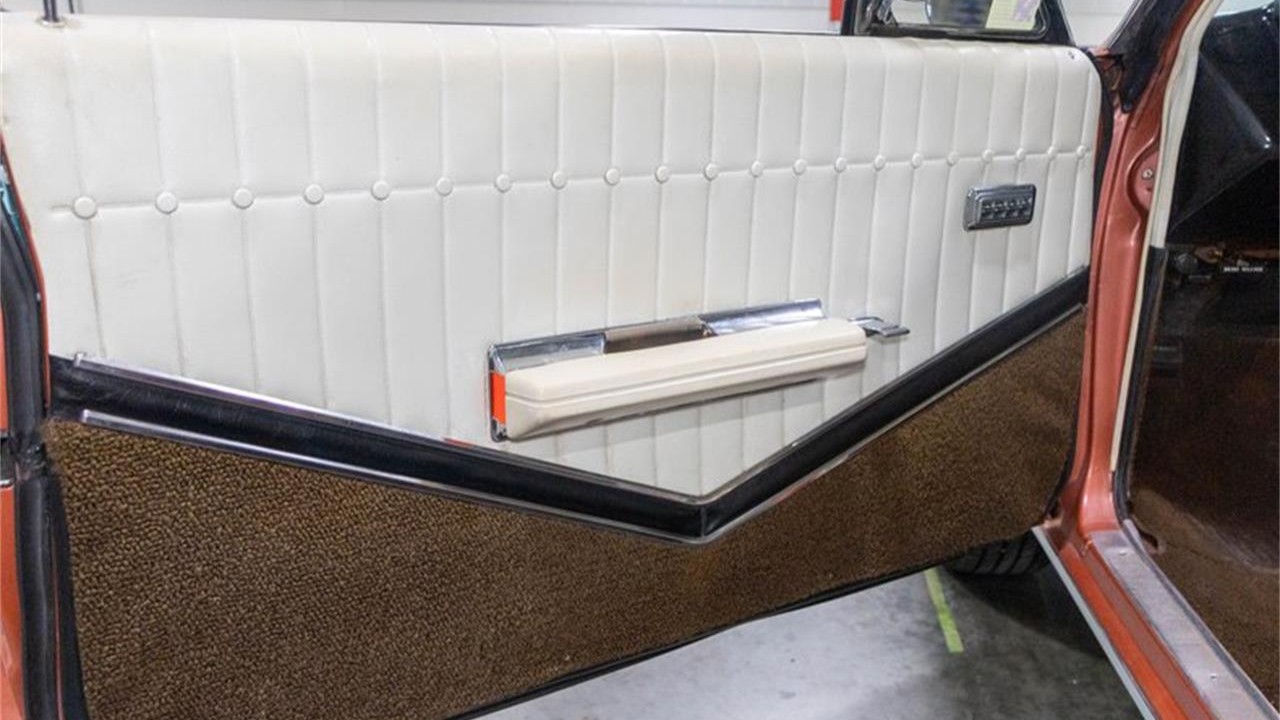
This Coral Mist 1964 Buick Skylark Sport Coupe is a fine example of the charms offered to mid-size Buick customers. Aside from the unique powerplants available (in this case, the 300ci V-8, though carburetion is unspecified), what distinguishes this car from other Specials (if not Chevelles, Tempests, and F-85s) is the interesting two-toning on the roof courtesy of a unique vinyl top treatment. There is a certain halo effect, much like some vinyl tops later in the decade, though the contrast avoids the C-pillars and continues down to the bottom of the blacklite. It’s quite a nice styling feature that gives upscale vibes, befitting Buick’s role in General Motors’ hierarchy. Like most Skylarks, a two-speed Super Turbine 300 automatic handles the shifting chores. “Equipped with power steering and power brakes, this Skylark is easy to drive and well-suited for cruising or weekend shows,” says the seller. “Inside, the car retains its original white interior, which adds to the authenticity and charm of this classic.” Note the power windows, consolette, and aftermarket American Racing Torq Thrust mags.
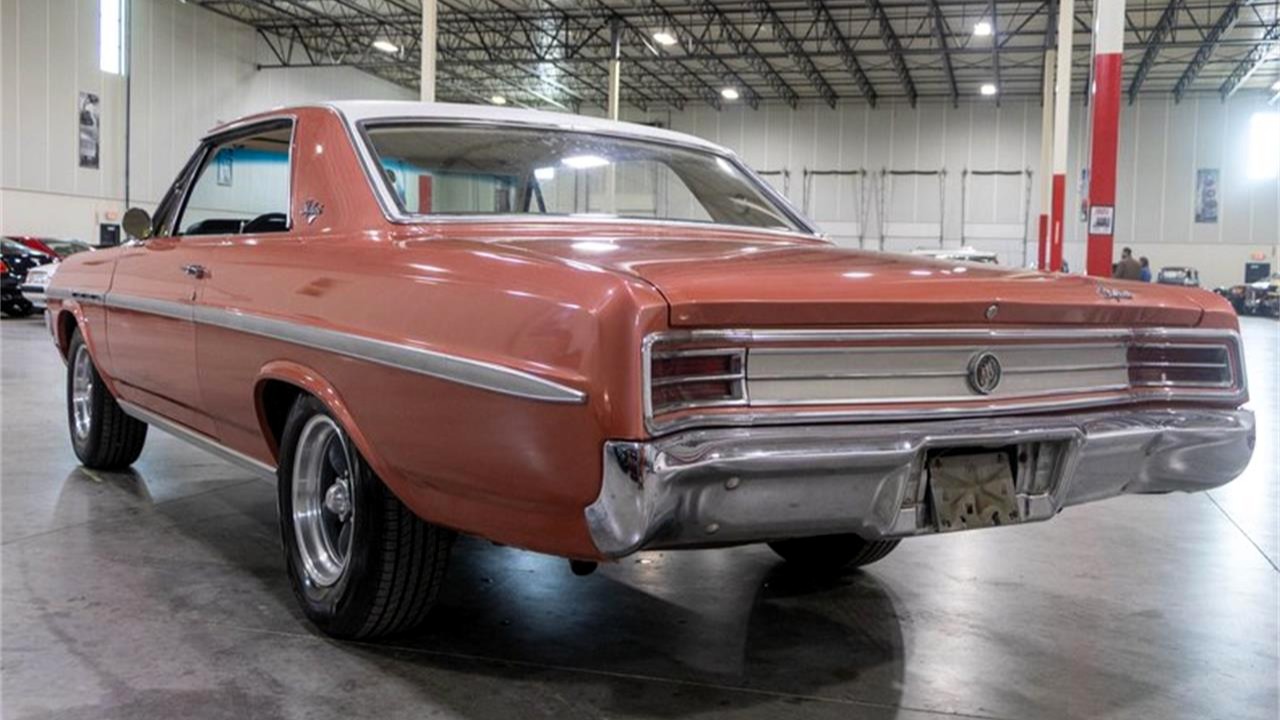
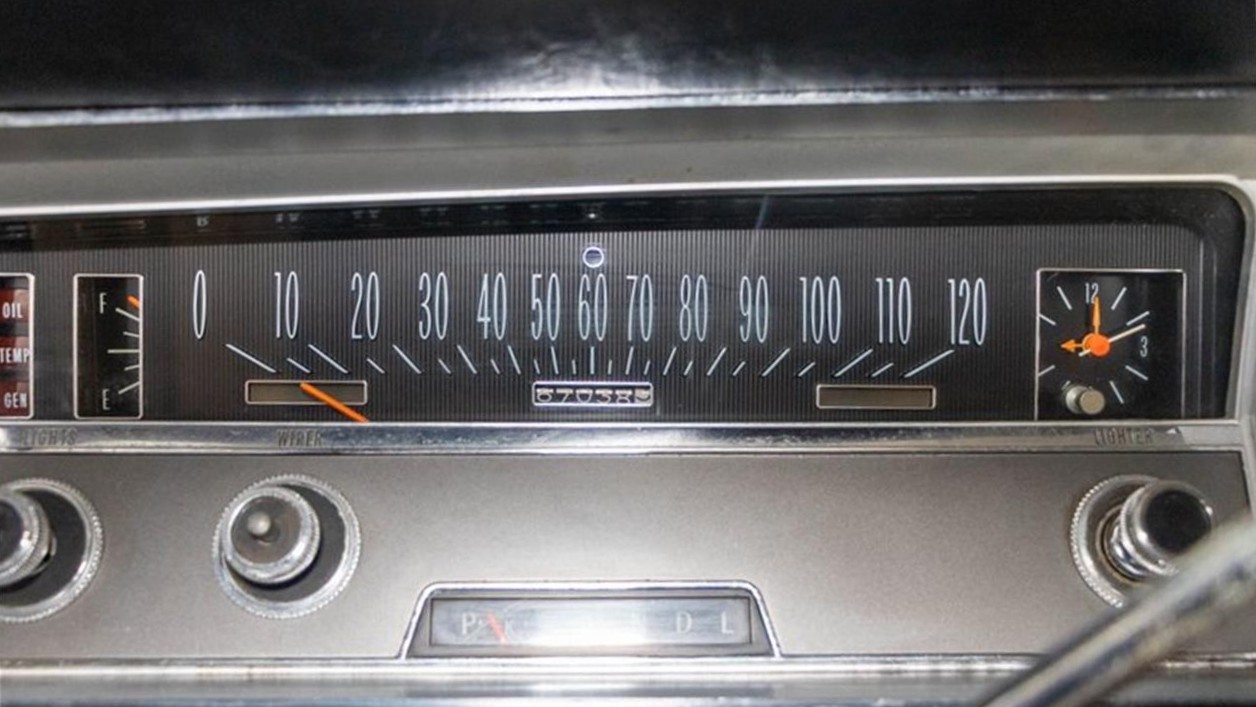
With just over 67,000 miles, on the odometer, this Buick appears to have plenty of life left for soft-serve runs with the fam. “Overall, this 1964 Buick Skylark strikes an excellent balance between originality and tasteful upgrades,” adds the seller. “With its correct color combination, documented mileage, and included original components, it’s a standout example that would be equally at home in a collection, at local shows, or out on the open road.” For $18,900, the money you save from foregoing a Gran Sport will help you score multiple soft-serve runs with the family.
Click here to view this Pick of the Day on ClassicCars.com
