

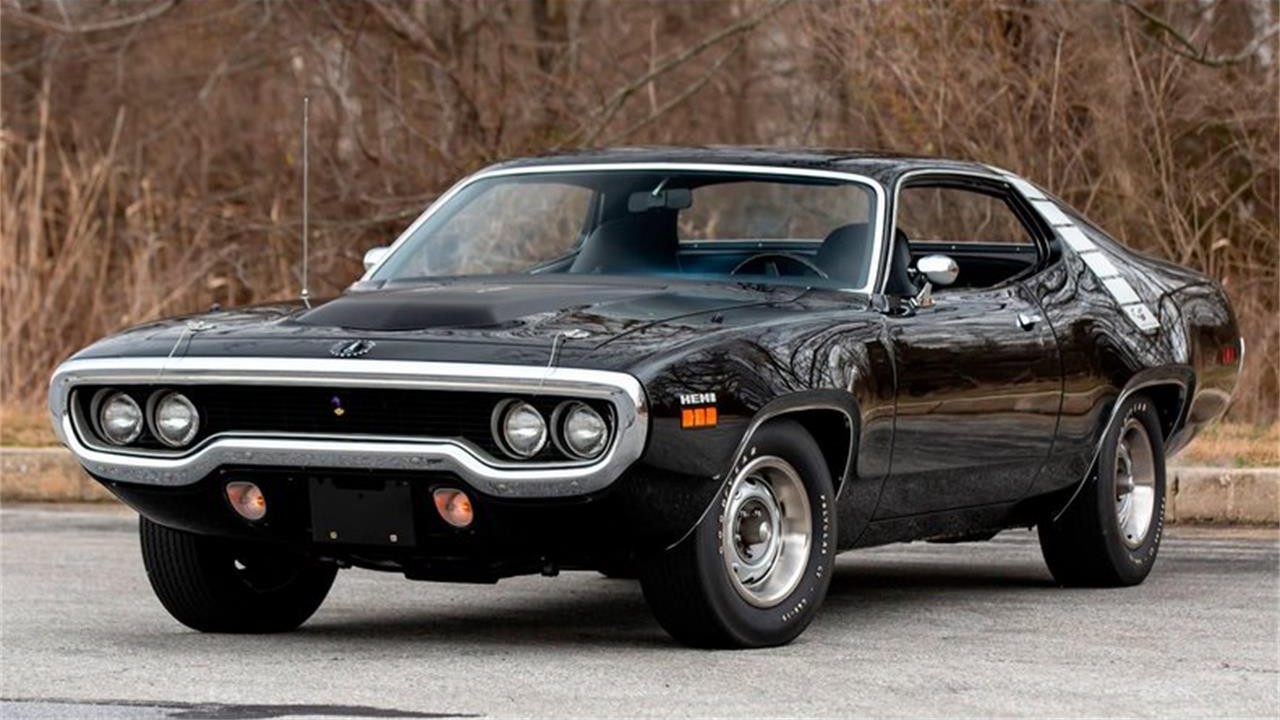
Hear me out: The 1971 Plymouth Road Runner was the best of the breed. Sacrilege? Bite your tongue! Thanks to sexy a “Fuselage” design and styling with hooks galore, the ’71 Road Runner also came with power that covered the spectrum. Few were equipped like our Pick of the Day, a Hemi-powered 1971 Plymouth Road Runner listed for sale on ClassicCars.com by a dealer in West Chester, Pennsylvania.
Purists will claim the original 1968 version was the best and, in some respects, they are correct: Per the concept from which it was created, the 1968 Road Runner was the purest, with few options that could be considered moving the car upmarket — even bucket seats were not available. It even looked cheap, which I know Mopar detractors will have fun pointing out.
When 1969 rolled around, the Road Runner received many refinements. It seemed the whole industry was all-in on more stripes, more colors, and more of anything that would whet the appetite of the young and the young at heart. Bean counters even put pressure on Plymouth to introduce a Road Runner convertible (and, legend says, a full line of body styles), which was the antithesis of the Road Runner’s formula. Not many people bit, but many, many others bought in with the coupe and hardtop (the latter a mid-year 1968 release) to help the Road Runner beat the perennial sales favorite in the market: the Pontiac GTO.
The good times continued into 1970. The Road Runner received a one-year restyle and brought even more colors and stripes. Alas, costs were creeping up, so Plymouth downgraded the standard transmission to a three-speed manual.
For 1971, Plymouth introduced the second-generation Road Runner. According to designer John Herlitz, “What we wanted to do was not to compromise the coupes by having a whole lot of interchangeability with the sedans. [Joe Sturm’s] idea was to take Coronet and Satellite sedans, put them together as a pair, and then maximize the interchangeability between the Plymouth and Dodge two-doors.” A silhouette not unlike Alfa Romeo’s Montreal. Subtle wheel bulges on all four corners. Elegant, three-window side-markers. Several stripe options — even the taillights could have stripes (although Herlitz also has echoed that he preferred the bumper configuration of the ’72, which mimicked the wheel bulges).
Pair the “EV2” Tor Red with the “M6XV” Orange & Black bucket seat interior, add the “M73” Color-Keyed Elastomeric Bumpers and “J68” Backlight Louvers (which required color-keyed side mirrors), and you’d have quite the contemporary machine that bore no resemblance to the original, econo-racer concept … yet the new car still had the full Road Runner DNA.
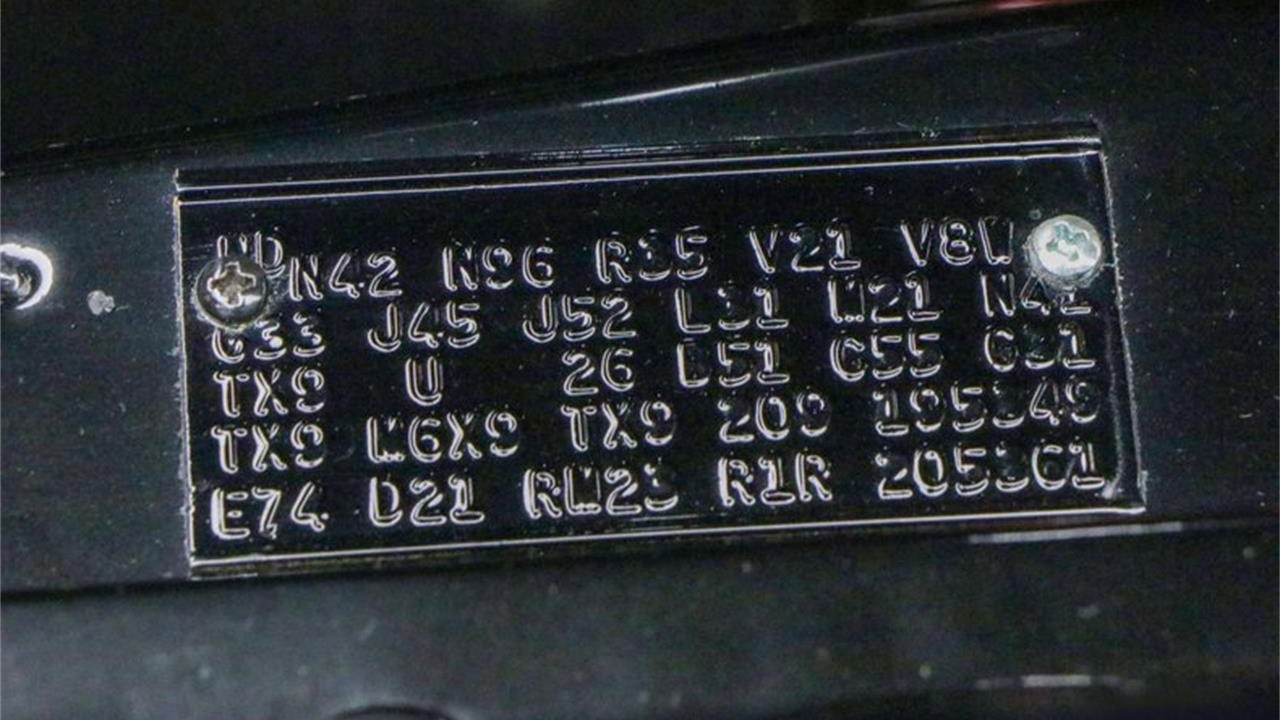
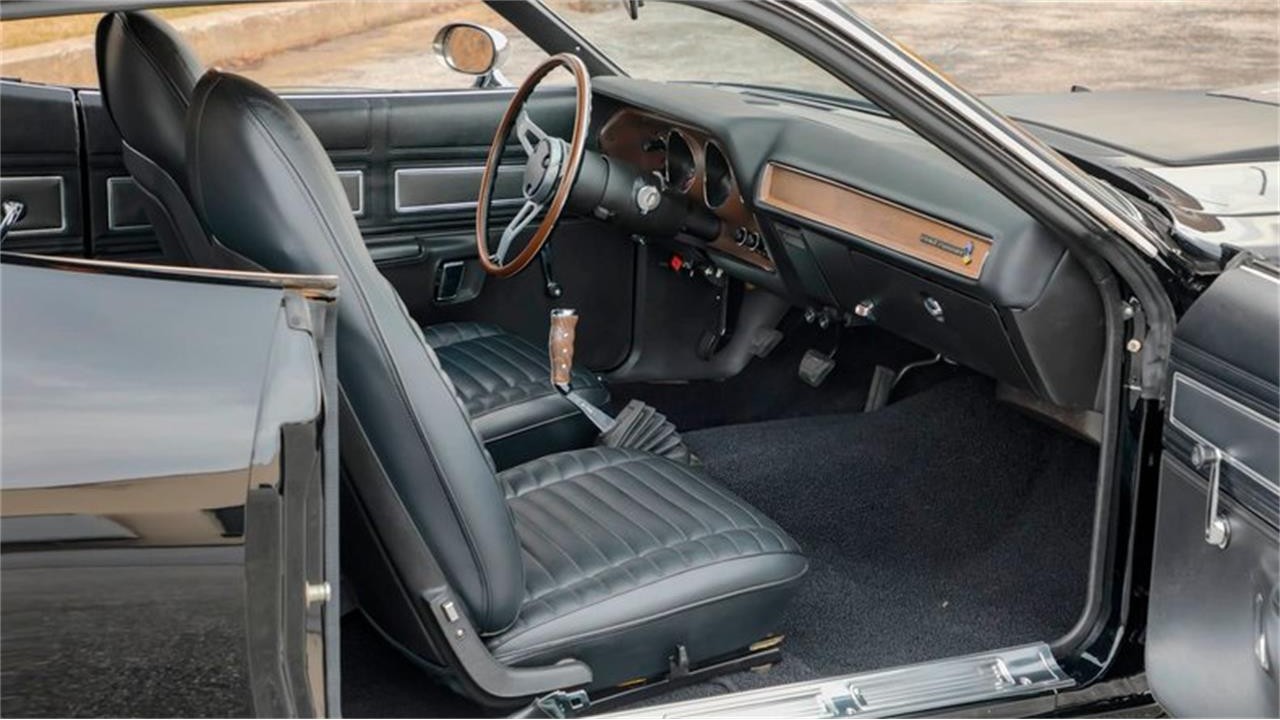
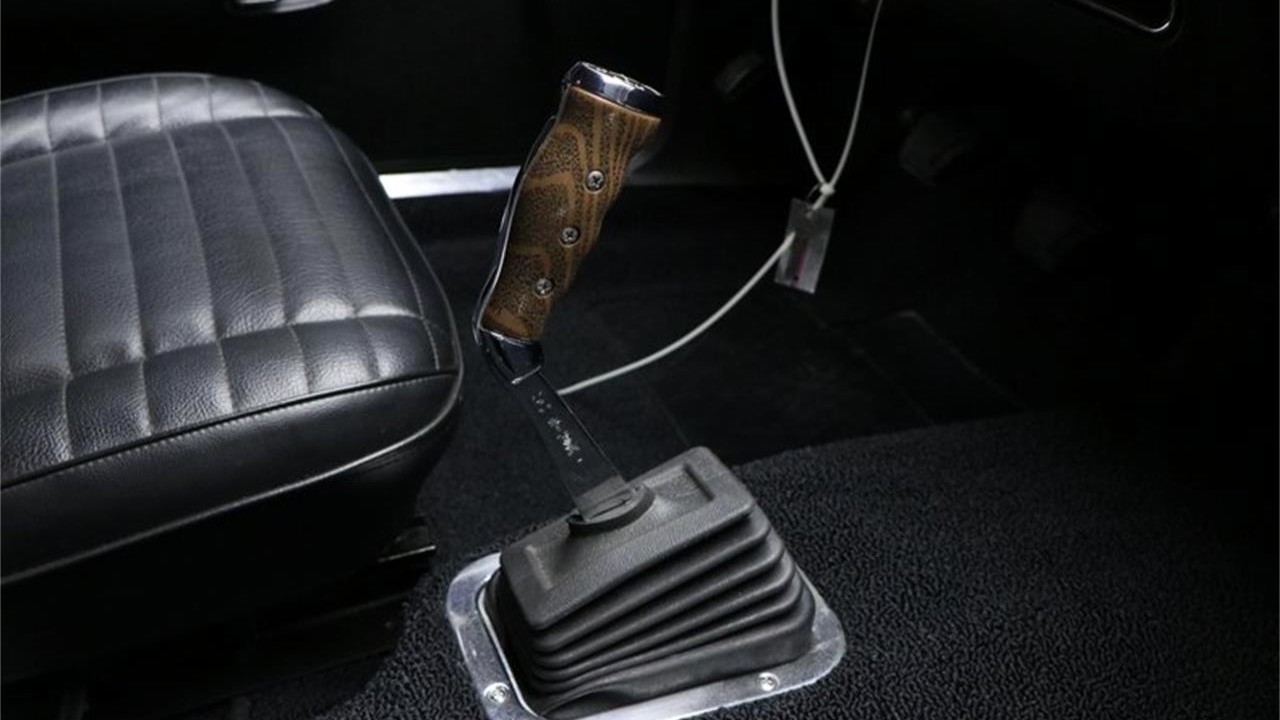
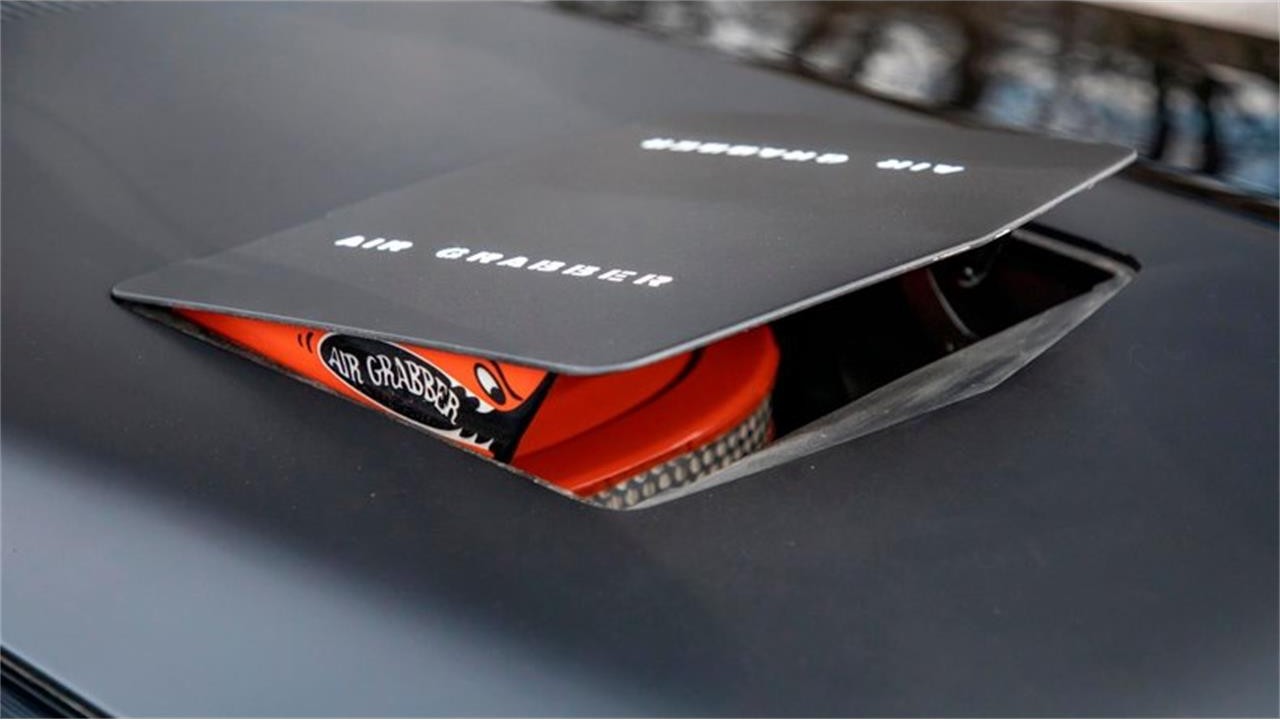
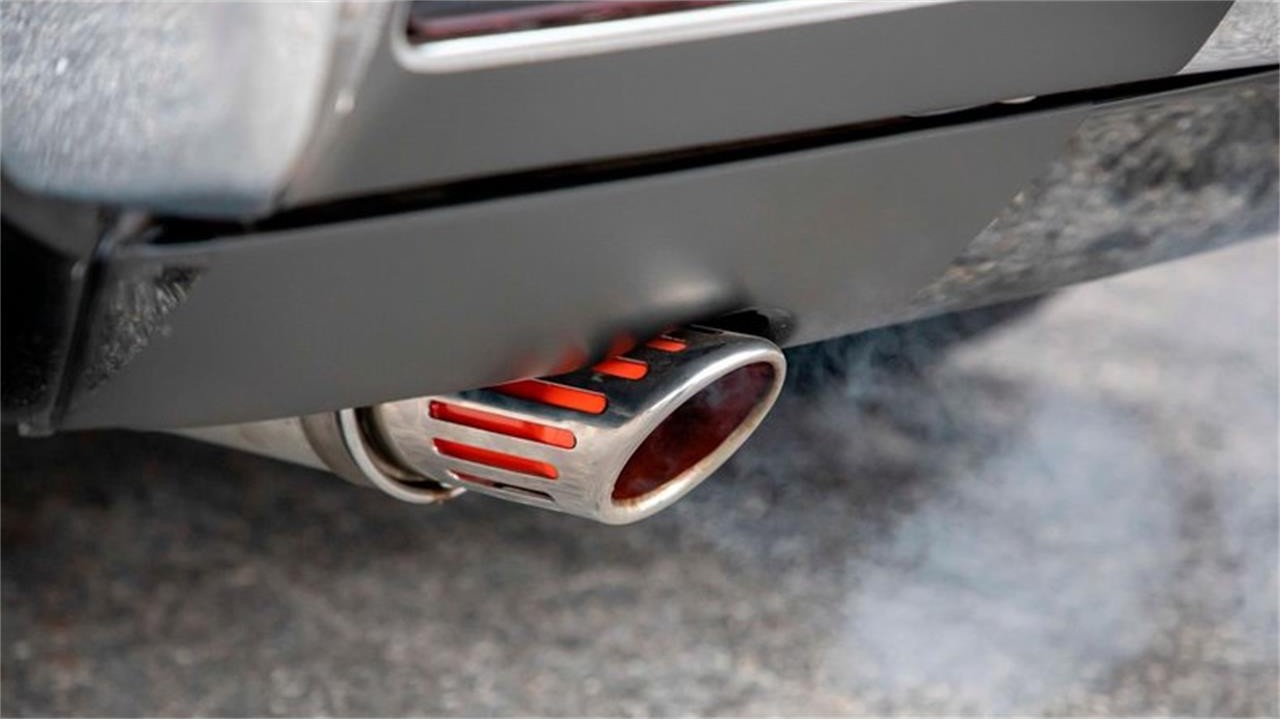
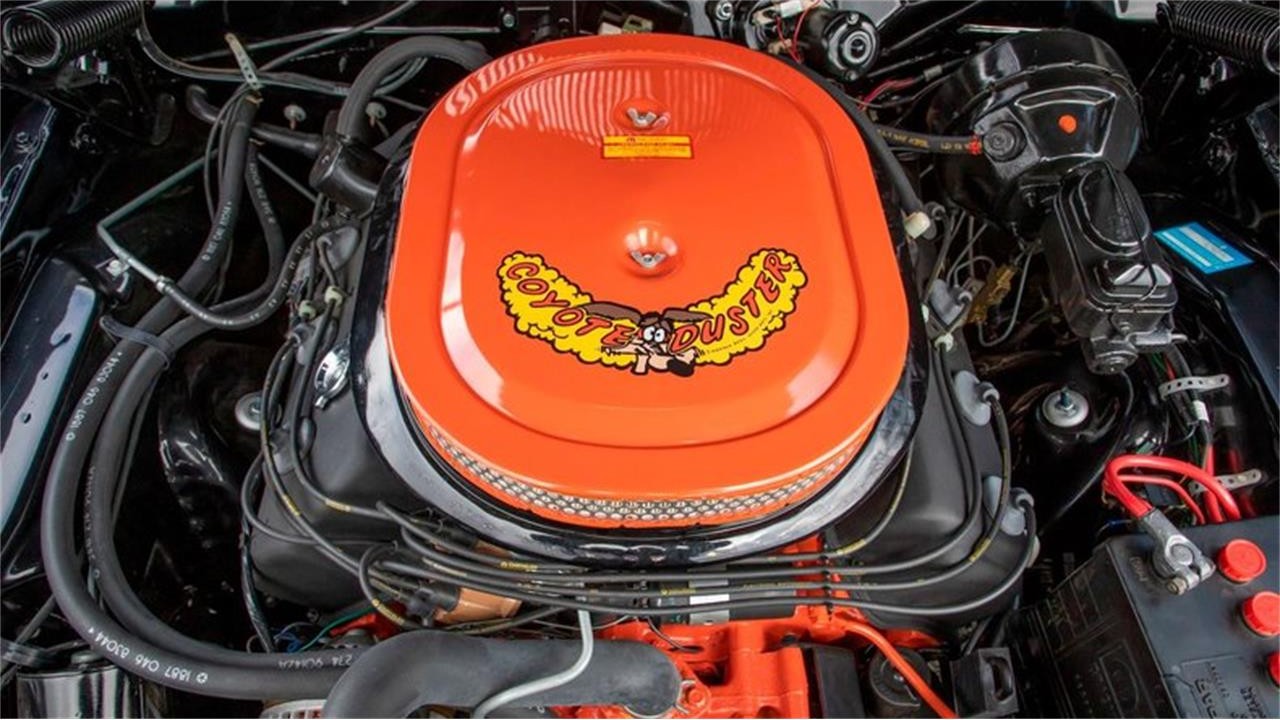
This is one of 55 Hemi 1971 Plymouth Road Runners made for the U.S. market (it was built in Windsor, Ontario, though it’s not one of the four others built for the Canadian market). Compare those numbers to around 1,000 built in 1968 and you can see how the industry was cratering. Original to this car is the “A34” Super Track Pak, which included Sure-Grip with 4.10 gears, Dana axle, seven-blade Torque-Drive fan, dual-breaker distributor, 26-inch radiator and fan shroud, and power brakes with discs up front. Black bucket seats, four-speed with Hurst Pistol Grip shifter, strobe stripes, taillight stripes, fancy exhaust tips, and Air Grabber ram air system (standard with the Hemi) are but some other features of what can be considered a prime example of an American muscle car.
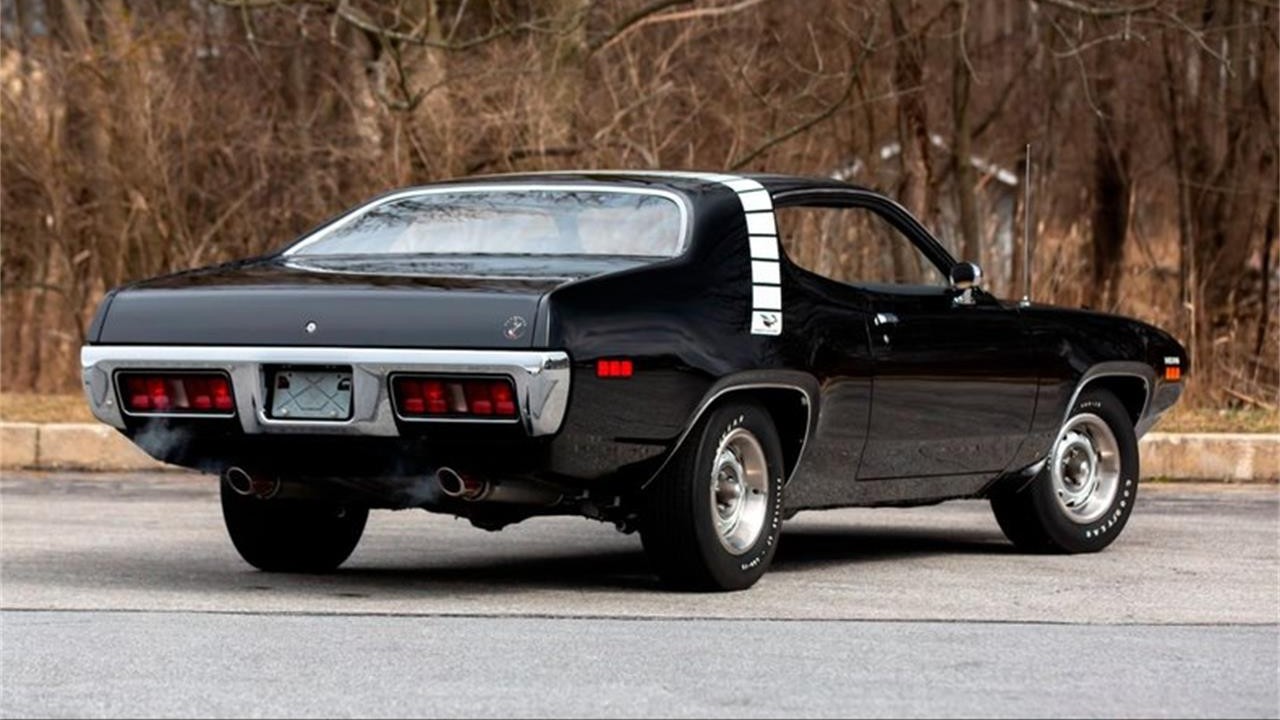
Put your hallowed ’68 against this Road Runner, and the one that reeks of style is obvious. Want an econo-racer with this body? Plymouth built those too, but it’s hard to say no to good style. For $299,900, I think it’s not worth fussing over because this is the last of the Hemi Road Runners.
Click here to view this Pick of the Day on ClassicCars.com
