

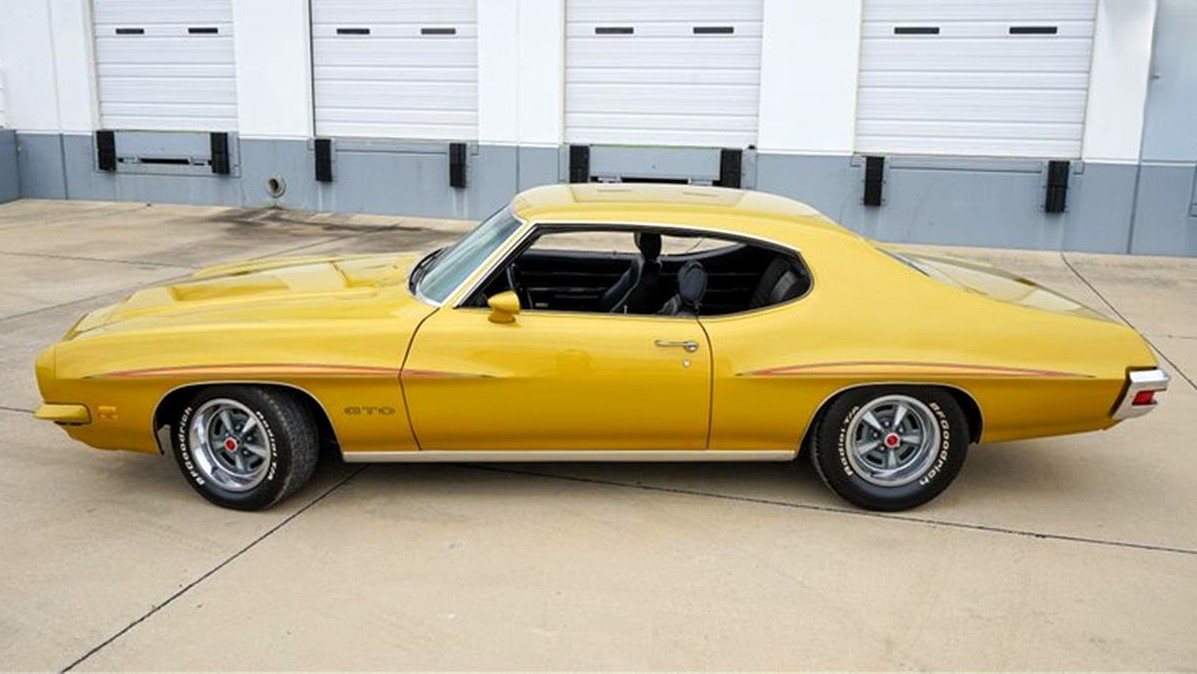
Look at General Motors’ facelifted mid-size muscle cars for 1971 and it could be said that the Pontiac GTO featured a facelift that was the biggest fall from grace compared to the previous year’s restyle. The ’71 GTO came off lacking the graceful integration of the 1970 Endura nose design, but time has a way of softening perceptions. Today, there are many enthusiasts who can appreciate the strengths and unique features of our Pick of the Day. This 1971 Pontiac GTO is listed for sale on ClassicCars.com by a dealership in Grapevine, Texas.
Yes, 1971 was a tough time at GM. Though the federal mandate to build engines capable of using low-lead or unleaded gasoline was scheduled for 1972, GM decided to do it a year earlier. Positive PR for the world’s largest corporation, perhaps? Nevertheless, while most models carried themselves well in this newfangled low-compression world, GM’s performance models were hurt, especially compared to the competition.
The Camaro and Firebird were changed little from 1970, especially due to a mid-year introduction early in the calendar year, but all A-body series received facelifts. The Oldsmobile 4-4-2 and Buick GS facelifts were mild, looking like typical year-to-year changes common within the industry. The Chevelle’s facelift was more profound, shifting to a dual headlight design instead of quads (presumably influenced by the charge of the new Camaro).
And then there was Pontiac’s A-body. While the T-37/LeMans/LeMans Sport featured a conventional facelift, the GTO was another story. Also influenced by an F-body — the hood scoops were thrust up front, inspired by the Firebird Formula’s — the downward slope also required other changes to the Endura bumper. The look simply lacked the grace of the ’70, and that, combined with the new low-compression engines, was a scarlet letter for many, many years in the collector car world. Only the enigmatic Judge convertible, of which 17 were built, aroused the interest of the community.
But then people started to warm up to the ’71 (and the nearly identical ’72). First was Dan Jensen, one of the founders of the Pure Stock Musclecar Drag Race. Staring in the mid-1980s, he showed how the 455 HO (Pontiac’s top dog at the time) could annihilate much more prestigious and prodigious machinery. True, he did it with a T-37 and not a GTO, but the engine’s horsepower and torque characteristics, combined with his tuning acumen, were the key to success. Kudos goes to Pontiac engineers for the round-port heads that were a hallmark of the 1968 Ram Air II and 1969-70 Ram Air IV. The low-compression 455 HO ends up being the missing link between the high-compression Ram Air IV and the 1973-74 Super Duty 455. Even the standard 400 is nowhere near as bad as once thought.
There are more charms that assist in the embrace of the 1971 GTO. Pontiac has always had a good mag wheel game, and the introduction of the Honeycomb polycast wheel continued that trajectory (you can add the tardy 15-inch wheels to the mix as well). And then there is the palette of new colors and trim. Lucerne Blue has become a favorite among Pontiac fans, and it made its debut on the 1971 GTO, along with Quezal Gold, Canyon Copper, and perhaps several others.
Additionally, Pontiac introduced a new design for the D98 stripes. For 1970, the stripe was the 1969 Judge decal available on GTOs and other models; for 1971, the decal was similar to the contemporary Judge “eyebrow” stripe, though in two colors instead of three (although many GTOs are often restored incorrectly with the tri-tone Judge stripes). Depending on the color of the car, you would receive white/red or black/red stripes.
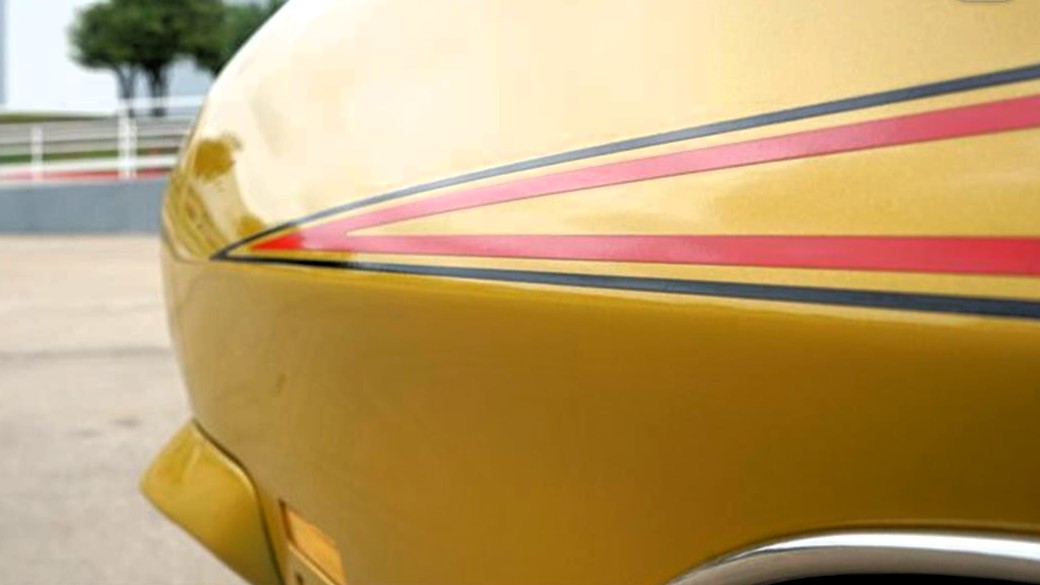
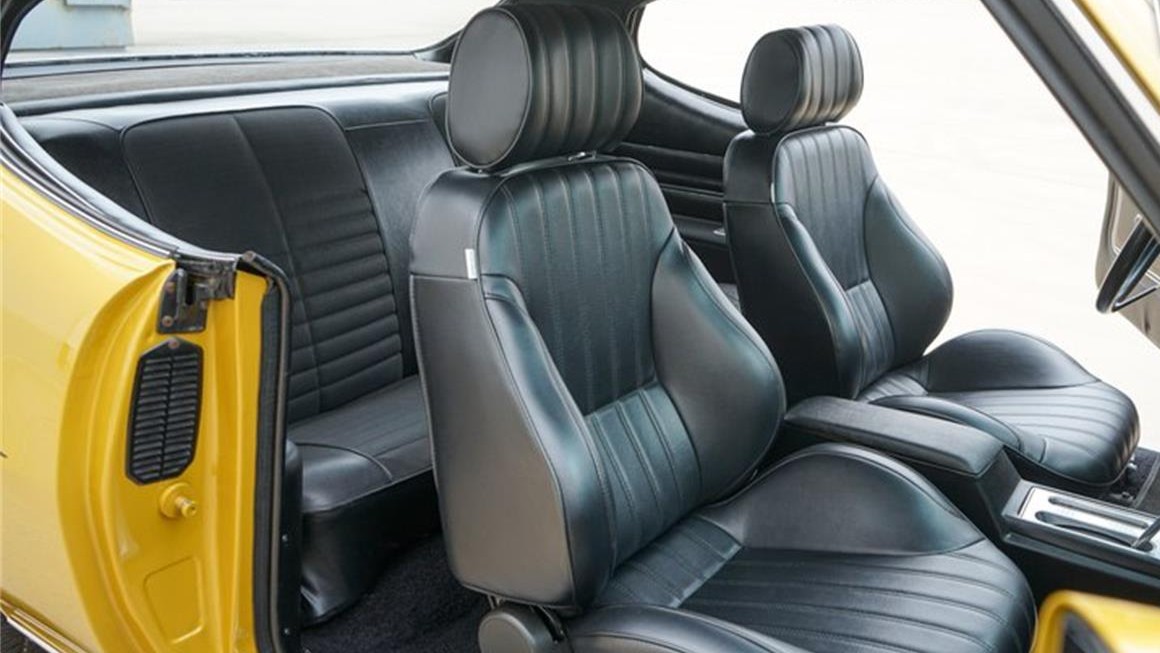
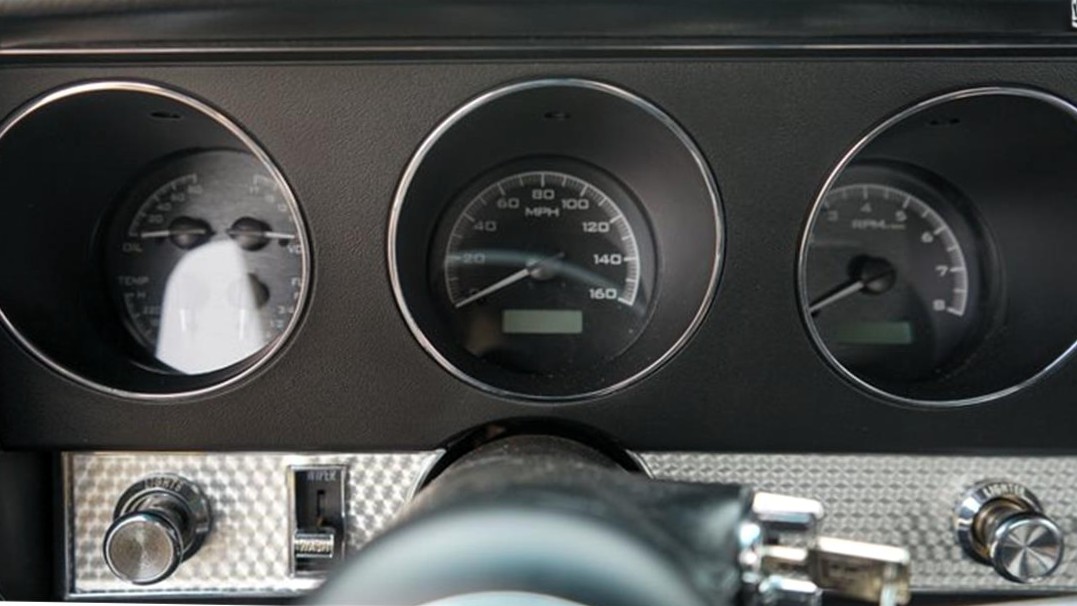
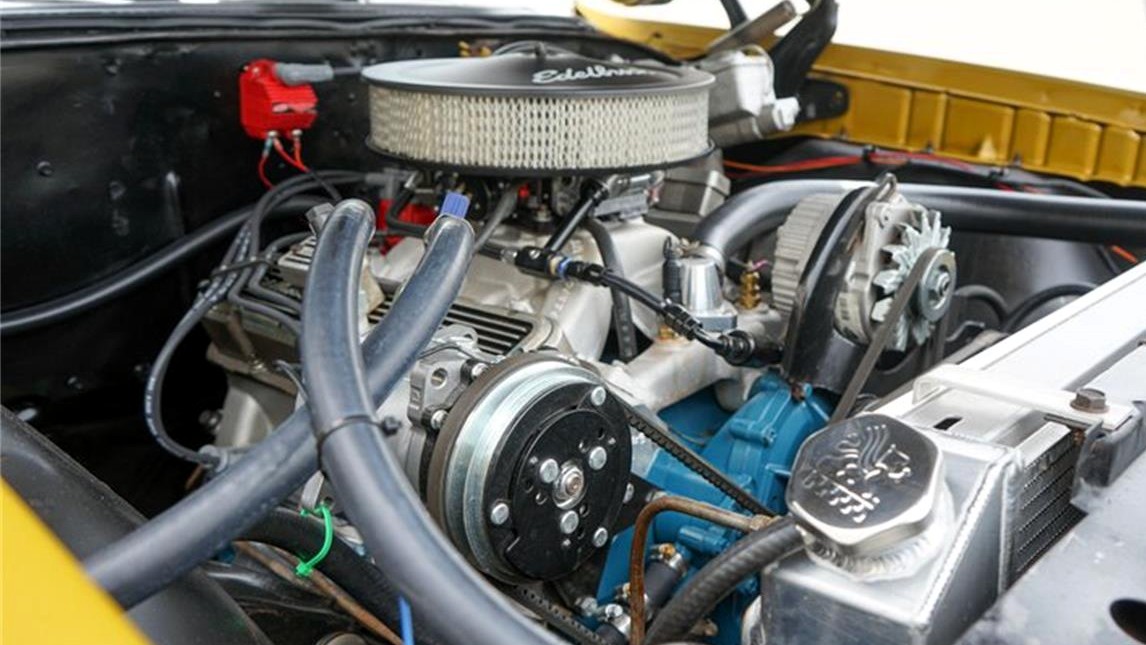
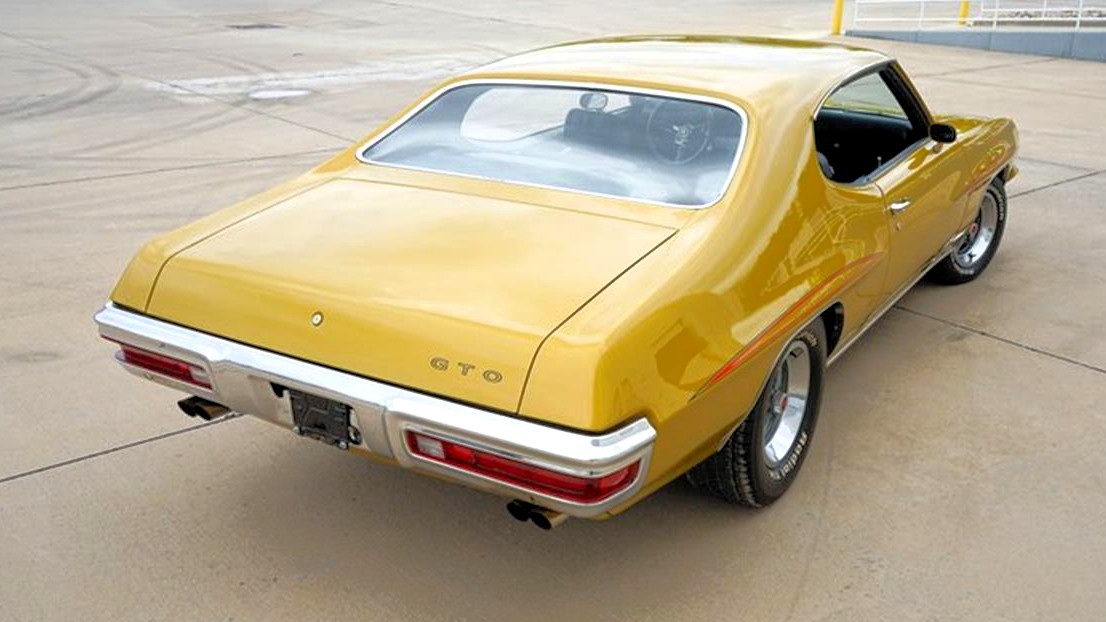
Nonetheless, the biggest downer for 1971 was more objective: sales fell drastically. You’d never guess that based on this Quezal Gold 1971 Pontiac GTO hardtop because it looks fantastic. It also sports the correct D98 stripes, which come off being more subtle than the Judge’s and complement the car nicely. However, this car’s trump card is what’s underneath the hood: the original 400 has been enhanced by a Butler Performance 500-horsepower stroker kit that ups displacement to 461ci. Other features include a Holley carburetor, Doug’s headers, Griffin aluminum radiator, and MSD ignition. Inside, you’ll see “supportive Procar Rally bucket seats and you’ll find a blend of vintage charm and modern comfort, featuring a stock-style Vintage Air control head, Dakota Digital gauges, a RetroSound Bluetooth radio, and a sporty steering wheel.” Additional features include an automatic transmission, air conditioning, power steering and brakes, and modern radials.
The 1971 GTO can now enjoy its time in the sun, as the negativity of the past has been cast off for some time already (a sentiment shared by collectors of other low-compression 1971-72 GM performance cars). It was built for an uncertain future, but what’s certain is that you can fuel up at Costco without worries—something that earlier Goats can’t handle.
Click here to view this Pick of the Day on ClassicCars.com
