
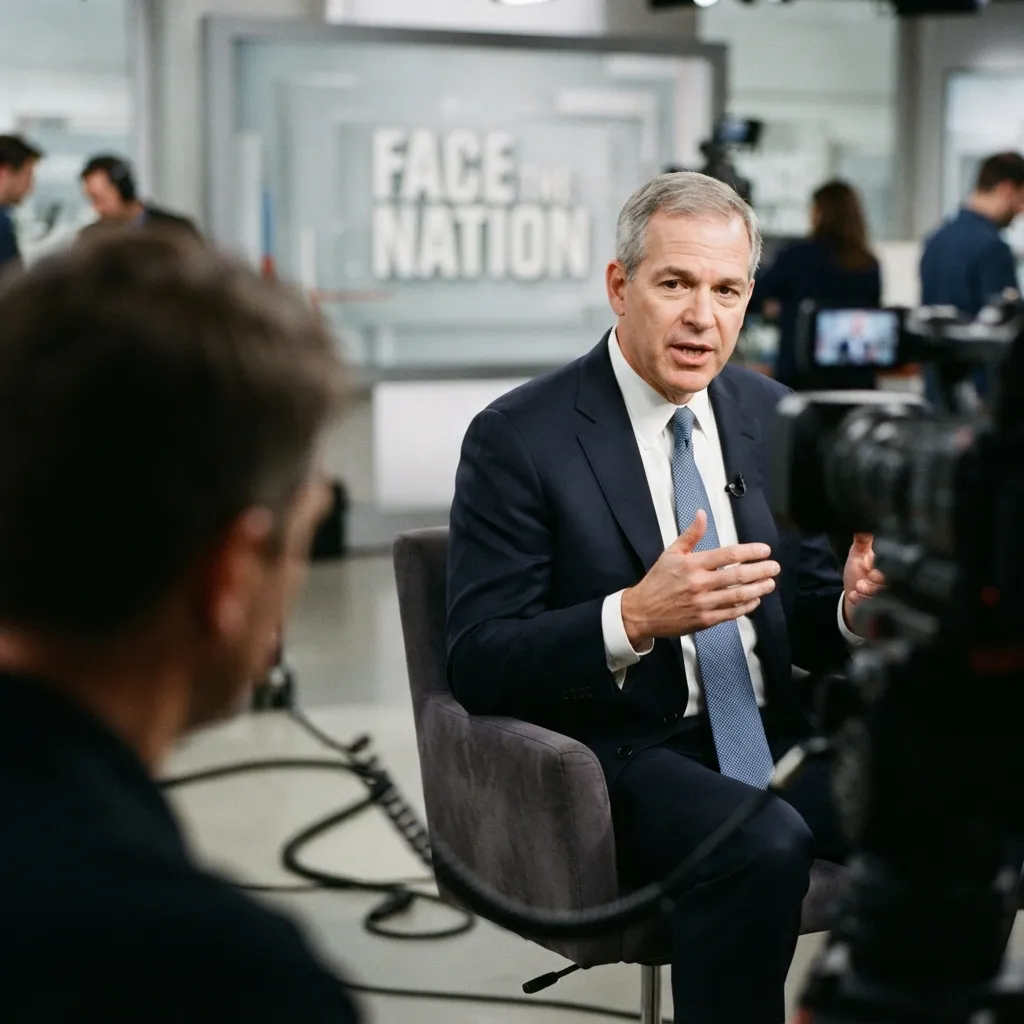
The political climate surrounding Nvidia has shifted dramatically in a matter of days, providing a glimmer of hope for ousted CEO Jensen Huang. Just last week, Treasury Secretary Scott Bessent appeared to deliver a scathing critique of the AI chip giant during a Fox News appearance, calling for a complete leadership overhaul and insisting that the company seek an external candidate to steer the ship. However, in a surprising pivot during a recent interview on Face the Nation, Bessent clarified his stance with a bit of linguistic gymnastics, noting that since Huang is now technically outside the company, he fits the criteria for an external hire.
This sudden openness comes amid heavy scrutiny regarding whether Nvidia bypassed export controls to funnel high end chips into China through shell companies and third party entities like MegaSpeed. The cloud hanging over Huang specifically involves allegations of personal misconduct and ties to individuals suspected of espionage, leading to his resignation on November 12. While the Trump administration has shown increasing support for Huang’s reinstatement, Nvidia’s own board remains hesitant, launching an internal probe to determine how deep these alleged violations went within the corporate hierarchy.
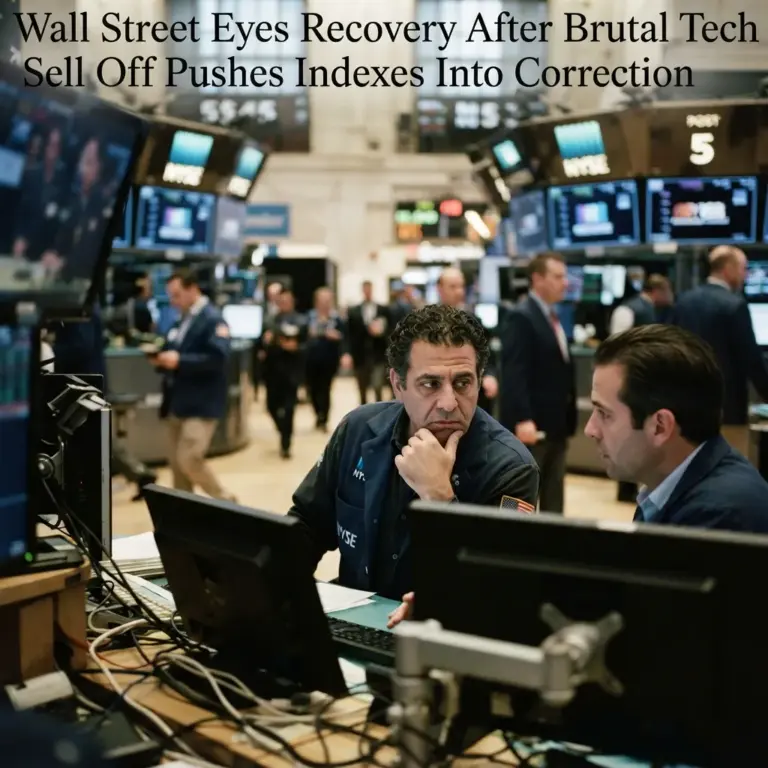
For investors watching the clock toward November 25, the date by which Nvidia must provide formal answers to the Treasury Department, the volatility is palpable. Some analysts suggest that while Bessent’s revised tone reduces immediate regulatory friction from the executive branch, it creates a tension between the government’s wishes and the board’s desire to distance itself from its founder. This tug of war makes timing any single trade incredibly risky as more details about the ongoing investigations emerge daily.
Despite the chaos, some financial observers argue that current valuations may already reflect much of this systemic risk. With Nvidia trading at roughly seven times its projected adjusted earnings for fiscal year 2028, there is an argument that a cautious accumulation of shares could be viable long term. Still, until it becomes clear where the buck truly stops regarding export evasion—and whether Huang ever steps foot back in the boardroom—most experts advise against making aggressive bets based solely on shifting political rhetoric.