

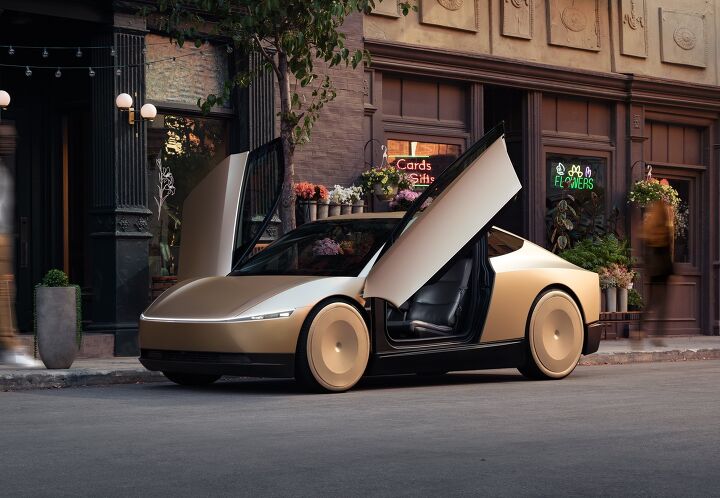
Tesla CEO Elon Musk kicked off the arrival of the company’s robotaxi concept during a showy event Michael Bay or Steven Spielberg would appreciate. However, eight months after their Austin, Texas debut, they’ve been involved in 14 crashes.
According to data from the National Highway Traffic Safety Administration (NHTSA), the EV maker’s self-driving vehicles — equipped with human safety drivers — were involved in their first crash one month after their June 2025 debut.
The next incident report, according to a Bloomberg report, came in December. The collision resulted in minor injuries and hospitalization. A second July incident resulting in injuries was also recorded with NHTSA at that point. Crashes involving self-driving vehicles must be reported to NHTSA.
In December, Tesla allowed a “few” robotaxis to be put into service without the human safety driver.
Last month, five more crashes occurred and were reported, plus an additional incident from December. It appears not all of the collisions were necessarily the fault of the Tesla vehicle. In one of the January crashes, an Austin city bus hit a parked robotaxi.
It is unclear how many robotaxis are in service in Austin, but Musk said last month there were 500 robotaxis in Austin and the company’s second market, San Francisco. He’s said previously the expansion plans call for expansion to seven other locations by the end of the third quarter of this year.
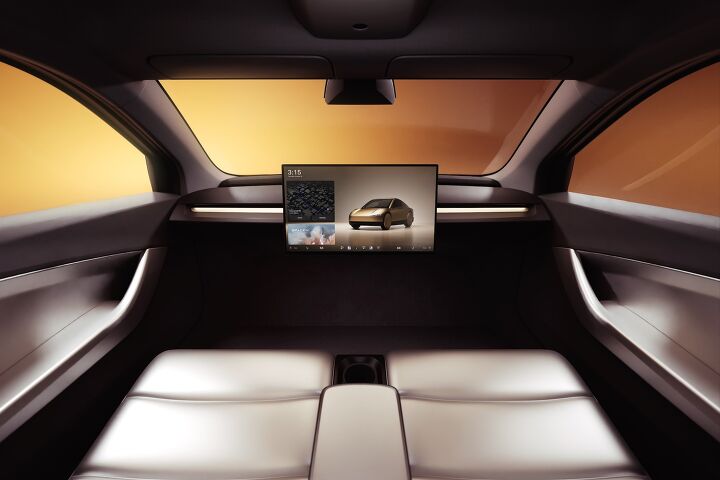
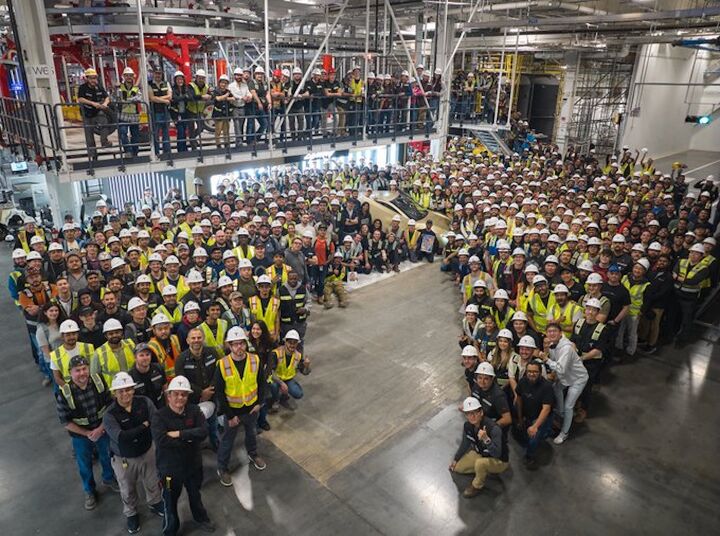
The news comes after Tesla showed off the first Cybercab, which is a separate vehicle from the Model Y-based robotaxis currently in limited use, after it rolled off the production line at the company’s plant, Giga Texas, just outside Austin. Musk has long maintained that the operation of a full-time, autonomous rideshare fleet would be one of the company’s profit centers.
The new Cybercabs will be available for $30,000, Musk has said repeatedly. Unlike the Model Y robotaxi, there are no controls for steering, braking, or acceleration.
