

Like many of you, not only am I a car enthusiast, but I’m also a bit of a watch nut. Ever since I was a little kid trading toys for cheap plastic timepieces, I’ve always had a watch of some sort. My wish list is always growing; diving into Paul Miquel’s book “Rare Watches: Explore the World’s Most Exquisite Timepieces” has only added to it. It also taught me that James Ward Packard, who co-founded the Packard Motor Car Company, is partially responsible for the Patek Philippe Henry Graves Jr. Supercomplication pocket watch, one of the most complex—and legendary—timepieces ever created.
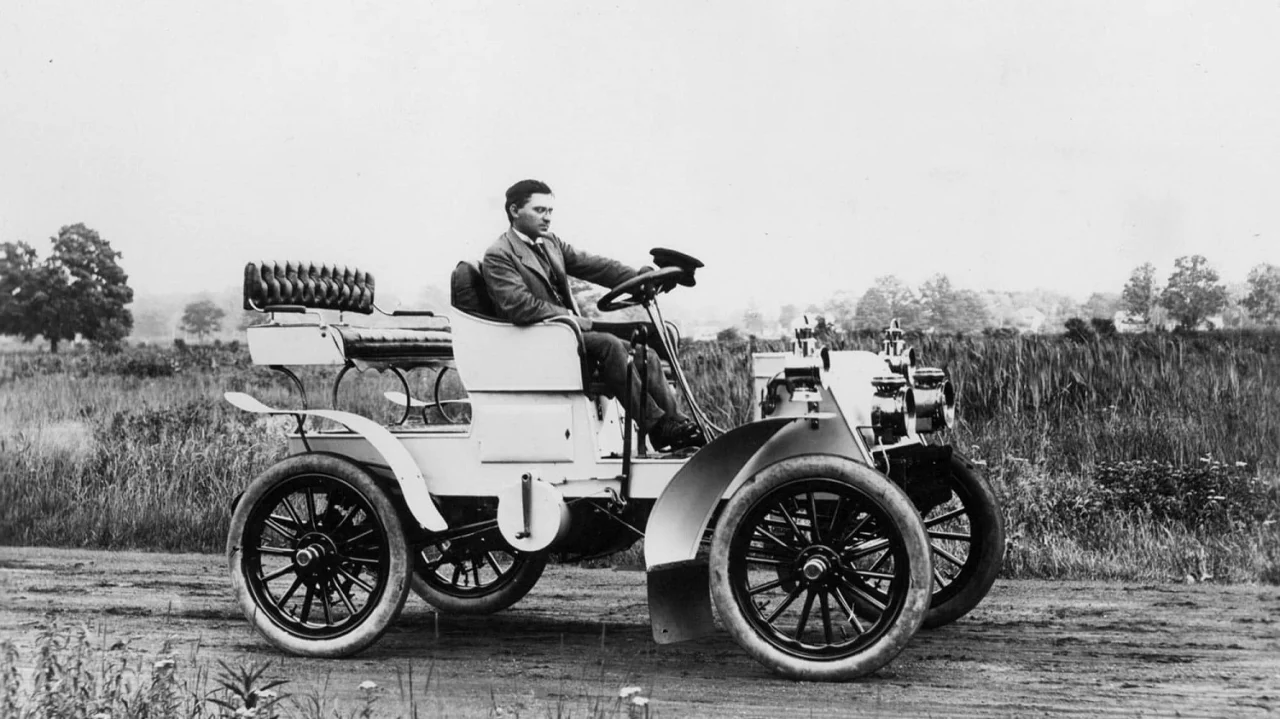
From a young age, Packard was mechanically inclined. According to the New York Heritage Digital Collections, as a student at Lehigh University in Pennsylvania, “James spent a great deal of time working on his own engineering projects in his dorm room. He created a magnetic arrangement that connected to the lock on his door, allowing him to open the door with the flick of a switch. He also rigged a telegraph line to a friend’s room and was considered a good operator.” In 1890, James and his brother William started the Packard Electric Company. Nine years later, following a unsatisfying ownership experience with a Winton automobile, the brothers released the first Packard automobile. The following year, per the Automotive Hall of Fame, they established the Ohio Automobile Company, which was renamed to the Packard Motor Car Company in 1902. Packard’s fascination with mechanical objects (and his subsequent financial success) led to him being a client of renowned Swiss watchmaker Patek Philippe; he had the watchmaker create several unique timepieces, such as a gold ring watch in 1917 and a silver-encased watch for the top of his ebony walking stick in 1918.
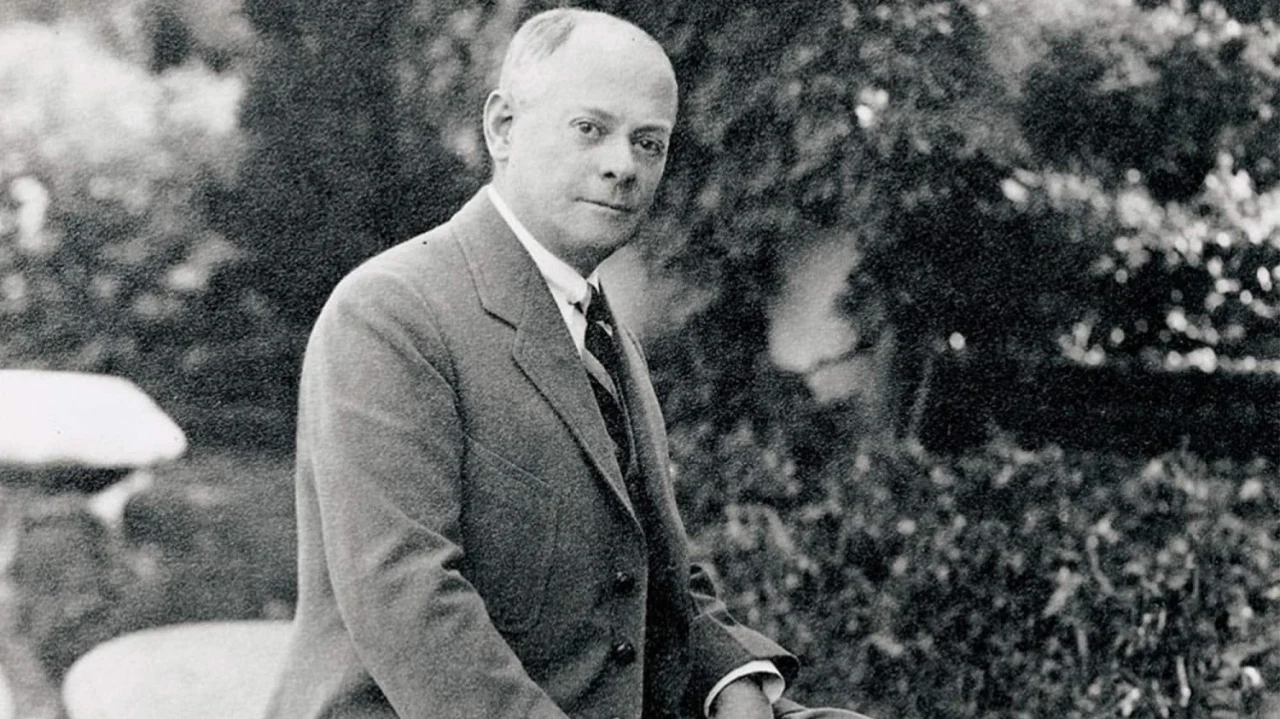
Packard wasn’t the only wealthy Patek Philippe aficionado in the early 20th century. Henry Graves Jr. was born into a family that made its fortune in railroads, banking, and commerce, not to mention he was the son of Henry Graves Sr., a New York Stock Exchange governor and co-founder of the Wall Street firm Maxwell & Graves. In addition to being an equestrian, yachtsman, and marksman, Graves Jr. was also an avid collector who amassed rare Chinese porcelain, Old Master etchings, American Revolution-era naval prints, and coins. His love of Patek Philippe horological creations led to one-offs such as a clock concealed inside a 1904 20-dollar gold coin.
Eventually, an unofficial rivalry developed between Packard and Graves, each man trying to top the other with the number of complications in his timepiece. In 1925, Graves directed Patek Philippe to craft “the most complicated watch” with “the maximum possible number of complications.”
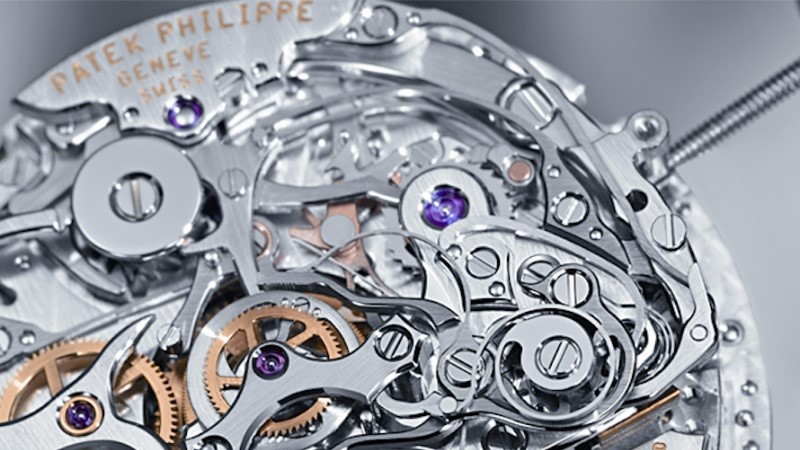
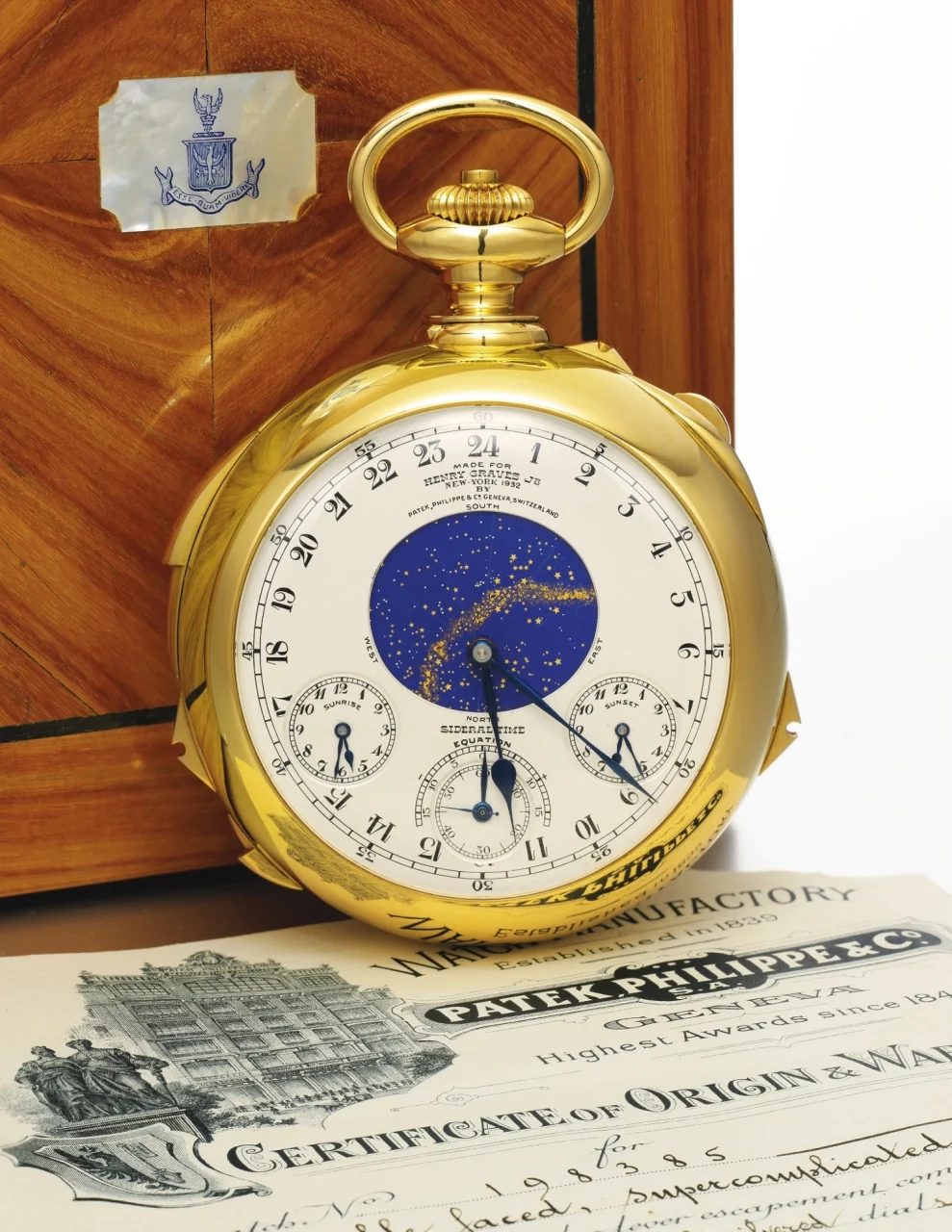
Eight years later, Graves received the product of unprecedented research, engineering, and artistry: a 1-pound, 3-ounce pocket watch with a 74mm gold case filled with 920 individual parts and a staggering 24 complications displayed on two dials. A 2014 Sotheby’s listing for the Henry Graves Jr. Supercomplication shows that those included:
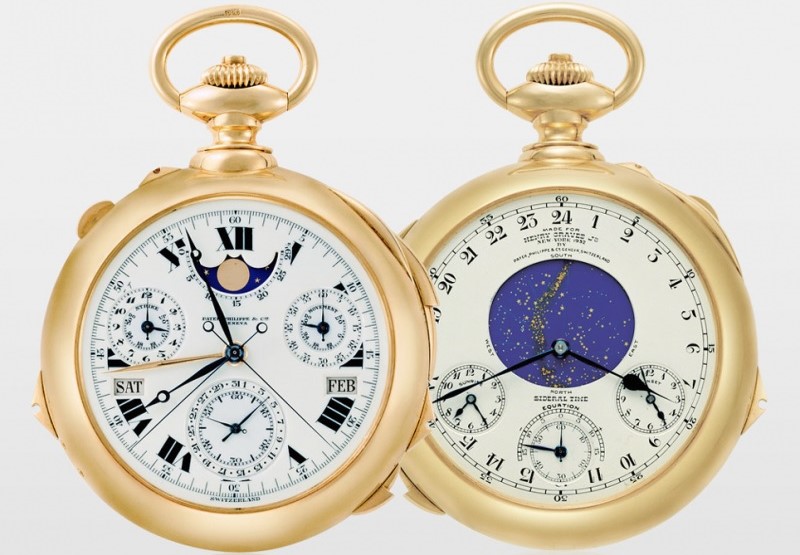
- Perpetual calendar: Shows the correct day, date, and month regardless of the length of the month, and automatically adjusts for the leap year. Accurate until 2100.
- Moon phase indicator
- Grande Sonnerie with Westminster chimes: Strikes the hours and quarters at every quarter hour and plays the Westminster chime, which many know from the Big Ben clock in London.
- Minute repeater: Strikes the quarter hours and minutes.
- Split-seconds chronograph: Used for timing two events at the same time.
- Sidereal time: “Based on the amount of time it takes the Earth to make two consecutive transitions of a meridian by a fixed star.” A sidereal day is approximately 23 hours, 56 minutes, and 4.1 seconds long.
- Equation of Time: The difference between apparent solar time (the time indicated by a sundial) and mean time (the average of solar time).
A 2024 Hodinkee article indicates that the celestial chart, equation of time, and sunrise and sunset subdials were calibrated specifically to Graves’ New York City residence on 64th Street and 5th Avenue.
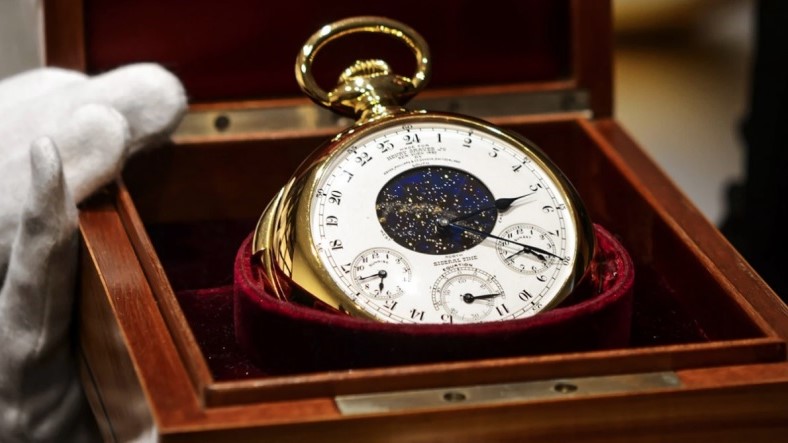
The biggest number of all associated with the Henry Graves Jr. Supercomplication is its most recent auction price: at a 2014 Sotheby’s auction in Geneva, it sold for more than $24 million—a record for a timepiece, which also happened to beat the Supercomplication’s previous record of $11 million set in 1999.
