

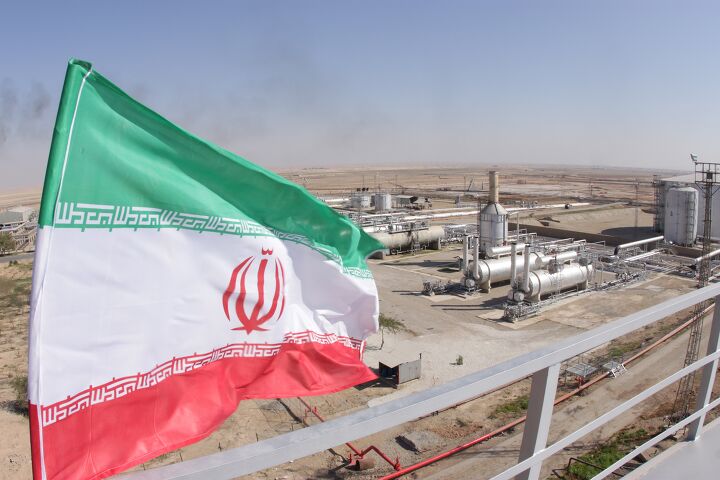
Fuel prices are on the rise in America, with the conflict in Iran presumed to be the primary culprit. The per barrel price of crude nearly doubled at the start of the month in a moment of panic. While prices have come down since, they remain at their highest point in the last twelve months and fuel prices have begun reflecting this.
Let’s dive into the details of why.
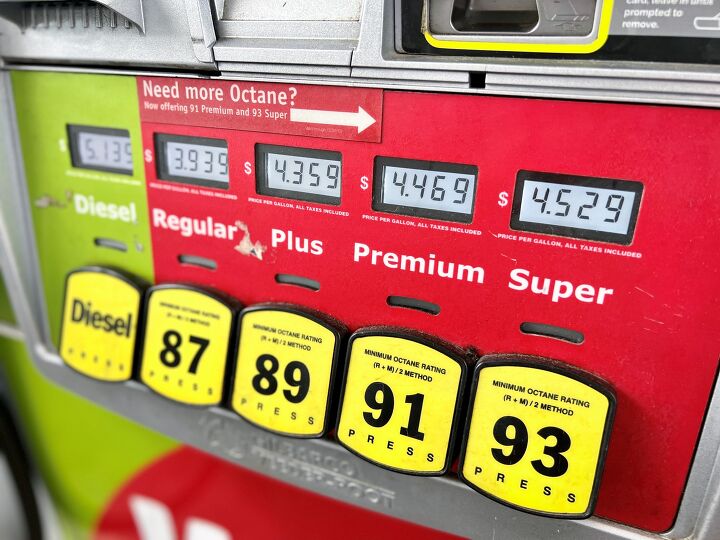
According to AAA, the national average for a gallon of 87 octane in the United States is presently $3.54. That’s up from $2.92 a month ago and from $3.11 just last week. While fuel prices tend to increase as the country heads into warmer weather, we’re a little early for peak pricing. These valuations are also outpacing last year averages, which were recorded as being $3.09 during the same period.
For added context, Donald Trump becoming U.S. president had lowered speculative oil prices going in 2025. We saw the inverse taking place as the speculative market anticipated Biden energy prices going into 2021. That makes today’s fuel prices more-or-less what we saw throughout the Biden administration, still averaging on the lower side of the spectrum.
But there are concerns that an ongoing war in the Middle East would further constrain supplies, while likewise raising demand. Several of the world’s largest oil producing nations are either presently involved in a war or still reeling from recent conflicts. This includes Iran, Iraq, Russia, and Venezuela.
Saudi Arabia, the nation with what many believe is the single largest oil reserve in the world may also become involved. U.S. Senator Lindsey Graham and allied politicians have issued warnings to the nation to the United States and Israel to join the fight against Iran or risk facing consequences.
However, the biggest issue right now may not be pulling up oil out of the ground so much as it is getting the barrels to where they need to go. At the time of this writing, most of the conflict has revolved around countries striking each other with long-range missiles. But Iranian officials have stated that part of their strategy would be to choke off exports from the region. This is something that will impact global supply chains and could be used to apply pressure to citizens feeling the pinch.
That said, the mere fact that there is fighting along the Strait of Hormuz was bound to create supply issues. As the only sea passage from the Persian Gulf to the open ocean, its strategic importance cannot be understated. About 25 percent of the world’s fossil fuels move through the strait each year and now everyone is vying for control of the area — limiting exports.
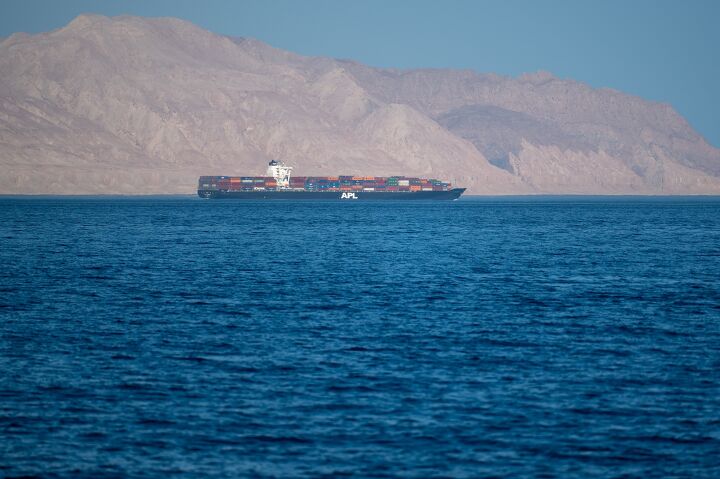
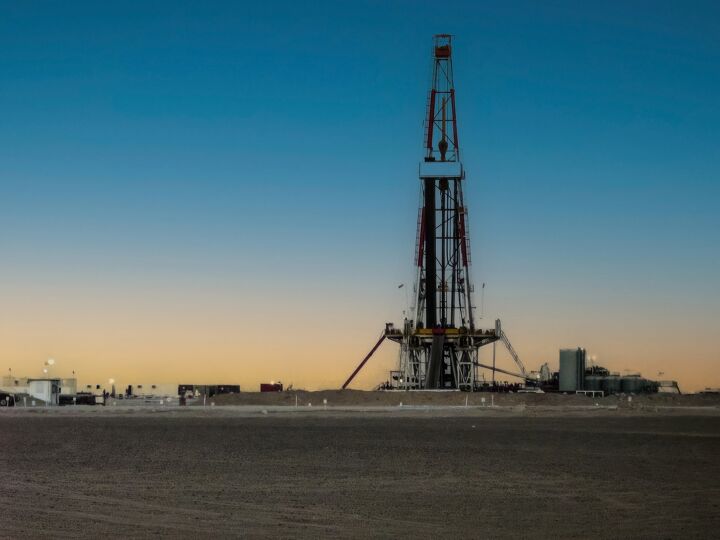
This alone could cause extreme volatility on the speculative oil market. But the industry likewise needs to contend with the prospect of the war dragging on, increasing energy consumption while also reducing global production. Thus far, five major Iranian oil production sites have been targeted by missiles from the United States and Israel. Most of them appear to have been taken completely offline, with the crude erupting from the ground as towers of flame.
While it’s undoubtedly important to you to understand the reasoning behind warfare, that’s not really under the purview of this website. For our purposes, the rationale behind the war is only important insofar as it helps us determine the extent of the conflict and how long it will continue. But the American public has been issued numerous, often conflicting reasons already.
Initial claims surrounded assertions that American leadership was made aware that Israel intended to strike Iran, encouraging the United States to take action in support. Later, the public was informed that Iran was on the precipice of a civil war and that strikes had been conducted to assist the spread of democracy within the region. However, we’ve now been getting reports that intelligence agencies had information that Iran was actually intending to attack the U.S. and that this warranted a primitive strike.
We’ve likewise been told that Iran was on the cusp of finalizing its nuclear program and that the issue required an immediate response. However, the premise that Iran has been just months away from developing nuclear weapons has been ongoing for decades. Israeli Prime Minister Benjamin Netanyahu, has consistently issued warnings about the Iranian nuclear program nearing completion since at least 1992 and those claims have frequently been echoed by American politicians.
But that matter was allegedly dealt with during June of 2025, during the “Operation Midnight Hammer” offensive that saw B-2 bombers and GBU-57 bunker-buster bombs destroying Iranian nuclear sites in Fordow, Natanz, and Isfahan. The Trump administration even stated at the time that this had allegedly set the program back by almost a decade.
Needless to say, the messaging surrounding Iran has not been consistent and does not appear to have improved over the last week — making market predictions that much tougher.
While President Donald Trump now tells reporters that the war is “very nearly complete,” Secretary of War (formerly Secretary of Defense) Pete Hegseth has said US-Israel strikes are instead ramping up. Israel has even taken it upon itself to strike neighboring countries assumed to support Iran, including Iraq. Lebanon has also been struck and there are rumors have suggested there are plans to engage Syria, which saw extensive fighting in 2025.
The public is getting two very different stories at the present. One scenario suggests that U.S. involvement should end soon while the other alludes to growing the conflict in terms of both length and scope. But neither really show us a pathway toward normalized oil production and supply.
Even if the United States does decide to stop itself from entering deeper into another conflict in the Middle East, the reverberations of past actions will continue to impact oil prices. U.S. crude prices spiked by over 35 percent in the first few days of the war and would need time to settle, even if peace was somehow achieved overnight.
We also need to stress that warfare often makes for an excellent excuse for businesses to raise their prices. American consumers were expecting inflation to finally come under control, with housing prices and the cost of living finally stabilizing. But we’re already hearing from the relevant industries to tamp down expectations because the United States is once again at war.
Crippled oil supplies and the United States directing more funding to support Israeli armaments undoubtedly play a factor. Producing and shipping goods requires energy. With the cost of energy going up, it stands to reason that will trickle down into other aspects of an economy. But some companies will also glom onto the notion that a war means it’s okay to increase prices because leadership believes it has the perfect excuse. For many, global conflict is little more than a business opportunity.
For what it’s worth, Donald Trump has stated on March 8th that energy prices should drop swiftly once the “destruction of the Iran nuclear threat is over.” He also suggested that a spike in “short term oil prices” was a “very small price to pay” in exchange for “world safety and peace” — adding that “only fools would think differently.”
While that does seem to suggest that U.S. leadership isn’t interested in a prolonged conflict, many of the official statements being issued by the Department of War (formerly the Department of Defense) have suggested that strikes against Iran are slated to increase. The War Department has called Iran a terrorist-run state and suggested that Operation Epic Fury seeks to stop the country from launching retaliatory strikes against Israel while also disabling any would-be nuclear aspirations in the process.
“Today will be, yet again, our most intense day of strikes inside Iran,” Hegseth said during today’s press briefing at the Pentagon. “The most fighters, the most bombers, the most strikes; intelligence more refined and better than ever. So, that’s on one hand. On the other hand, the last 24 hours have seen Iran fire the lowest number of missiles they’ve been capable of firing yet.”
All of the above has fed into fears about renewed inflationary pressures and price hikes, with energy prices being the core component. It’s easy to say that oil prices will be going up for the foreseeable future. But determining by how much remains incredibly difficult, especially since wartime messaging is often extremely inconsistent.
If the war drags on, $100 per barrel of crude seems likely. Some analysts have suggested this could even happen before the end of the month, resulting in national fuel prices to surpass $4.00 per gallon for good old 87 octane.
Considering that Americans were already coping with years of heavy inflation, new import tariffs, and a subpar job market, sustained hikes in energy prices are going to be particularly unwelcome. A prolonged war in the Middle East could eventually leave the United States coping with the kind of oil shortages not seen since 1973. But that’s still speculative and rides on the prospect of the war lasting until the summer months. As of today, we really have no idea how bad things will (or won’t) get.
But that isn’t necessarily going to prevent people from adjusting their purchasing decisions. We may see fewer Americans buying large, expensive automobiles if the price of goods continues to climb. V8 engines, which looked poised to make a comeback after the United States recently scaled back emission regulations, may also be taken off the menu for some drivers if they’re concerned about elevated fuel prices. That could negatively impact automakers, especially as the other factors are already likely to discourage Americans from making major purchases.
For now, the situation in the Middle East is little more than a road bump in regard to energy prices. We’re just seeing a jump in oil futures that could indeed stabilize if the conflict ended tomorrow. But analysts are left trying to make market predictions on conflicting reports from various countries, many of which cannot even agree on their internal messaging. The only true certainty is the per barrel price of oil will indeed climb if the war drags on, resulting in higher fuel prices for just about everyone.
China is said to be leaning on its oil reserves and direct access pipelines from Russia to endure the storm. But the rest of the world may be less fortunate. While the United States may have the largest strategic petroleum reserve in the entire world, they were depleted by the Biden administration to stabilize pricing during the start of the Russo-Ukrainian war. Between 2021 and 2023, it’s estimated that the United States sold off over 40 percent of its 700-million barrel oil supply. While the Trump administration stated refilling those reserves was a top priority, they’re presently estimated to be less than 60-percent full.
[Images: Mohamad Reza Jamei/Shutterstock; CeltStudio/Shutterstock; Hussain Warraich/Shutterstock; ThreeRivers11/Shutterstock]
Become a TTAC insider. Get the latest news, features, TTAC takes, and everything else that gets to the truth about cars first by subscribing to our newsletter.
