

What is an AMC AMX? Enthusiasts sometimes struggle to define it. Is it a sports car? Is it a two-seat pony car? Back in 1968 when it was introduced, it was defined by the industry and not enthusiasts. The designated class, Specialty Cars, grouped it with several other vehicles that could not be more different.
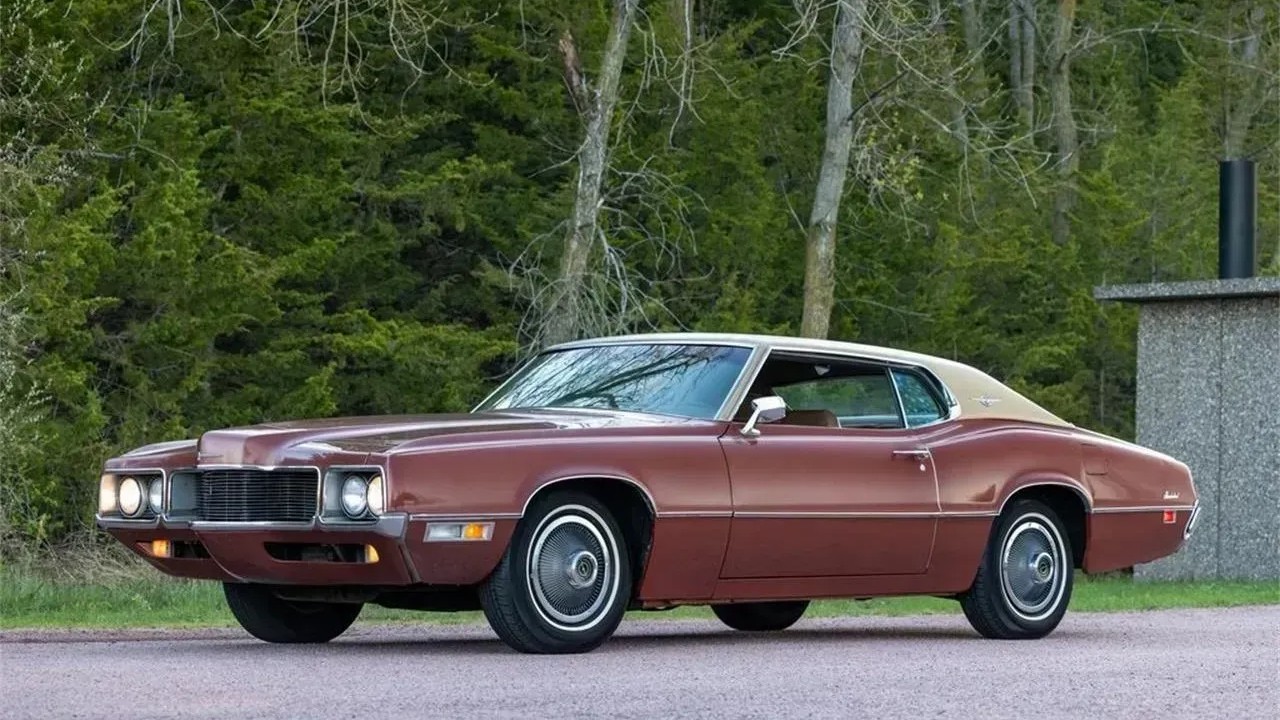
When I was researching for my book, “Selling the American Muscle Car: Marketing Detroit Iron in the 60s and 70s,” I became aware that the industry had its own way of classifying certain cars that didn’t quite fit the usual compact/mid-size/full-size construct. Yes, a Ford Thunderbird was a full-size car, but it wasn’t grouped with Galaxies; the Mustang was a compact, but it wasn’t grouped with Falcons. Here are the American models that would be grouped under the Specialty Cars umbrella for 1970:
- AMC
- Javelin
- AMX
- Buick
- Riviera
- Cadillac
- Eldorado
- Chevrolet
- Corvette
- Camaro
- Monte Carlo
- Dodge
- Charger
- Challenger
- Ford
- Mustang
- Thunderbird
- Lincoln
- Continental Mark III
- Mercury
- Cougar
- Oldsmobile
- Toronado
- Plymouth
- Barracuda
- Pontiac
- Firebird
- Grand Prix
- Shelby
- GT350 and GT500
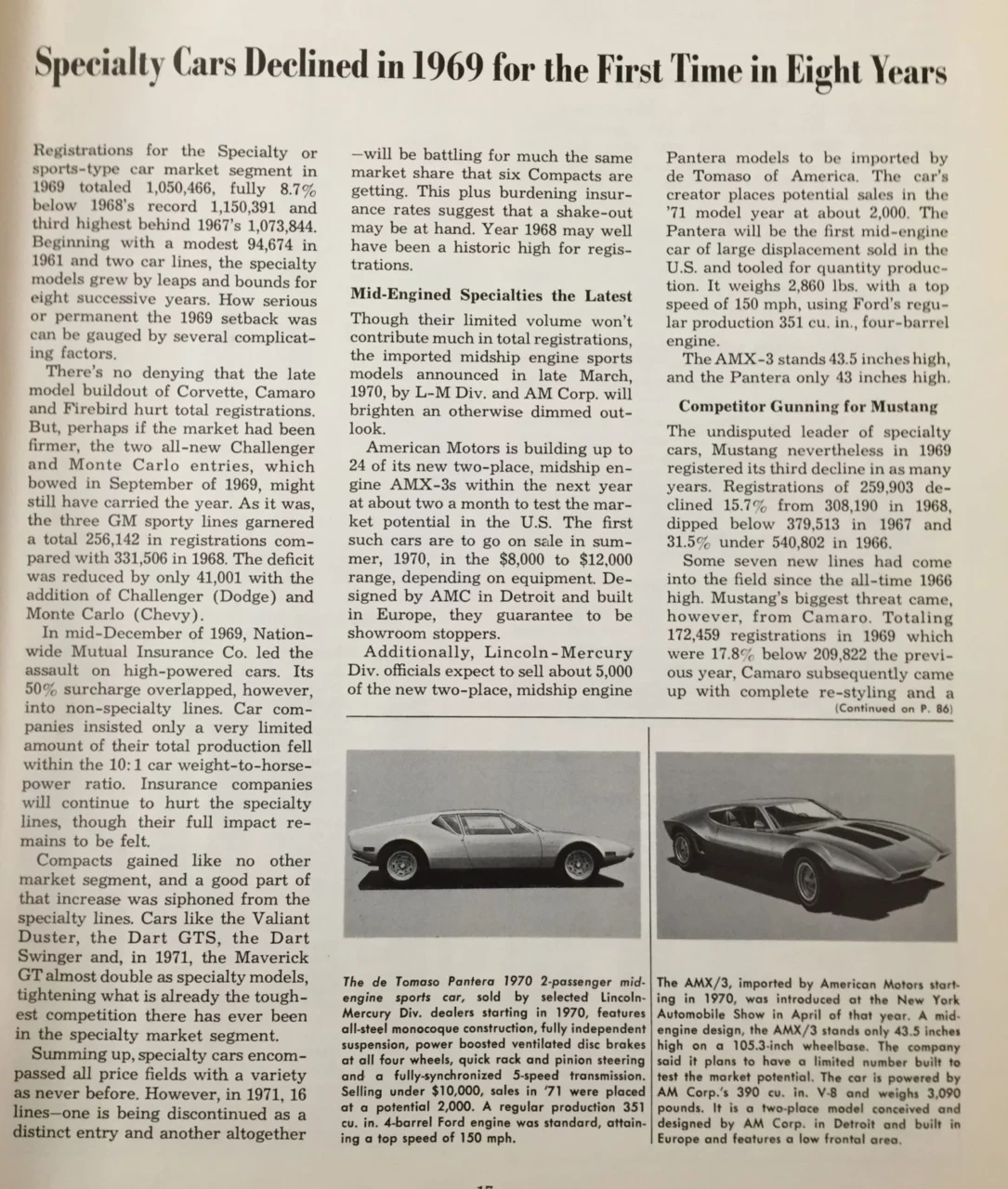
You can see in this article from Ward’s 1971 Automotive Yearbook that there were several new models joining the class, including the De Tomaso Pantera (sold at Lincoln-Mercury dealerships) and the (stillborn) AMC AMX-III.
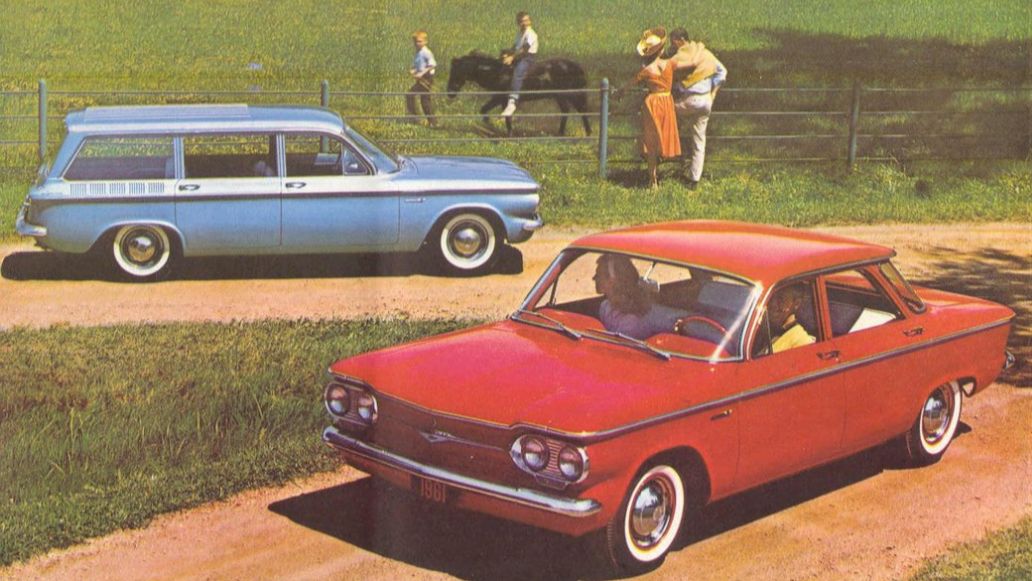
Starting in 1961, only the Chevrolet Corvair and Ford Thunderbird qualified, but the segment grew through the decade to include many more vehicles. Nonetheless, while it may be difficult to reconcile the idea that the industry felt a Corvette and a Charger should be within the same class of car, it does make sense that special, non-traditional segments with cars often featuring unique bodies could be connected.
