
Chery’s incoming iCaur brand is betting on personalisation, familiar SUV styling and electrified powertrains to stand out in Australia’s crowded new-car market, with its international CEO arguing buyers want vehicles they can make their own.
Speaking with Australian media, including CarExpert, in China, iCaur International CEO Ronna Luo said customisation was central to the brand’s pitch.
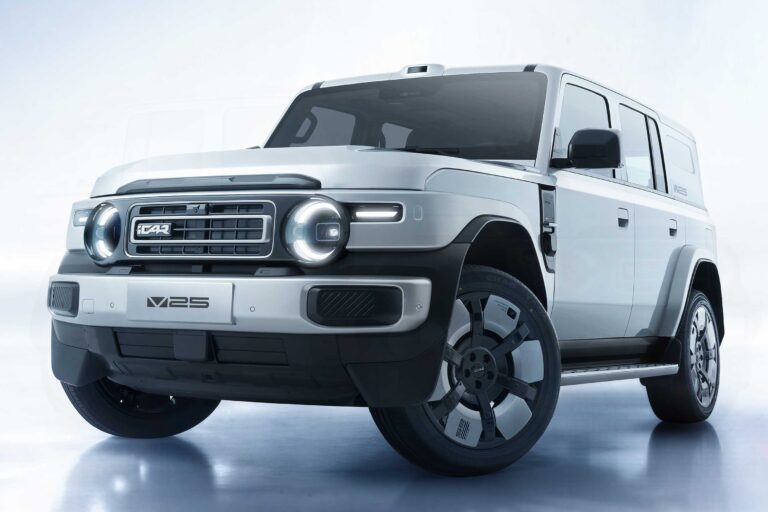
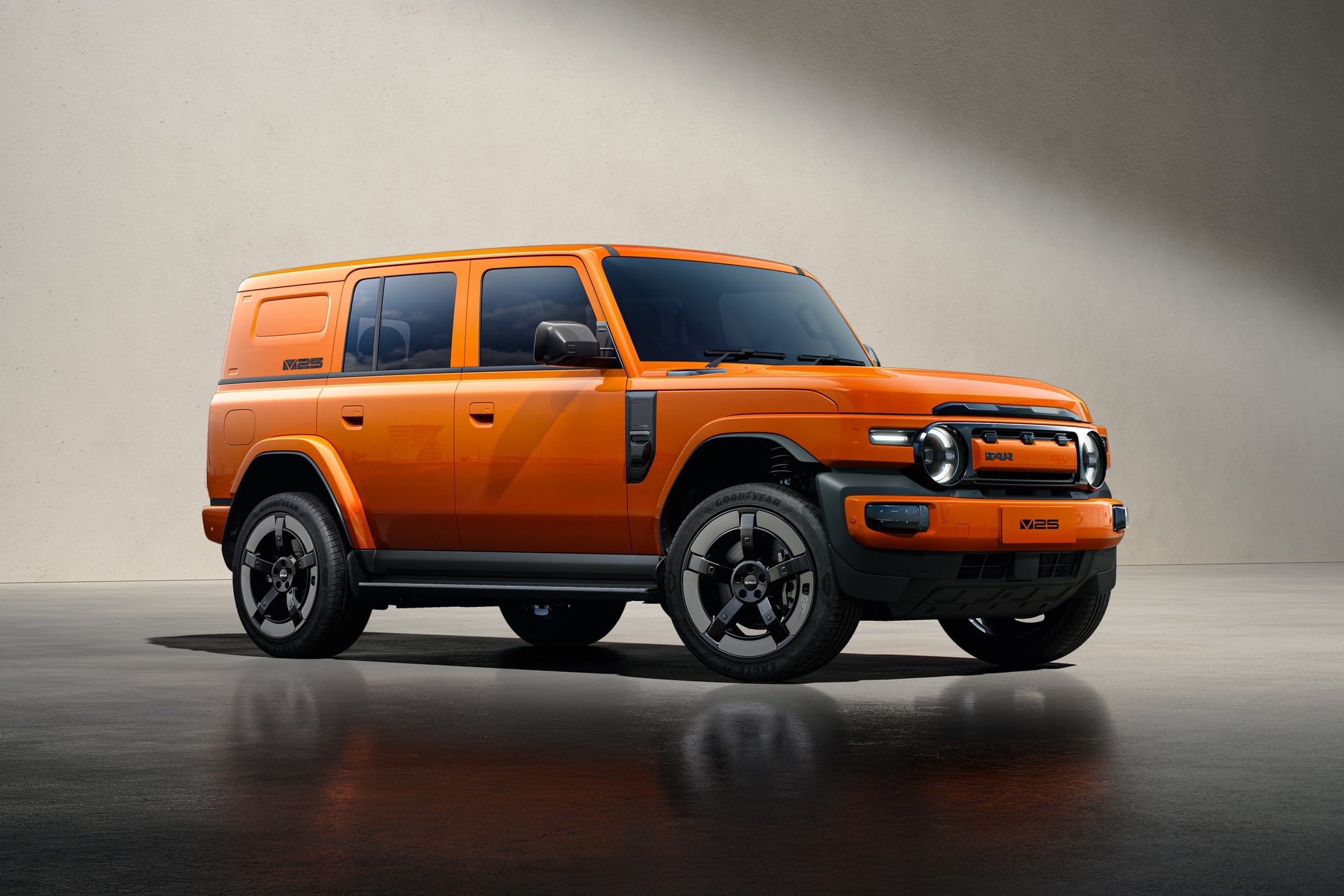
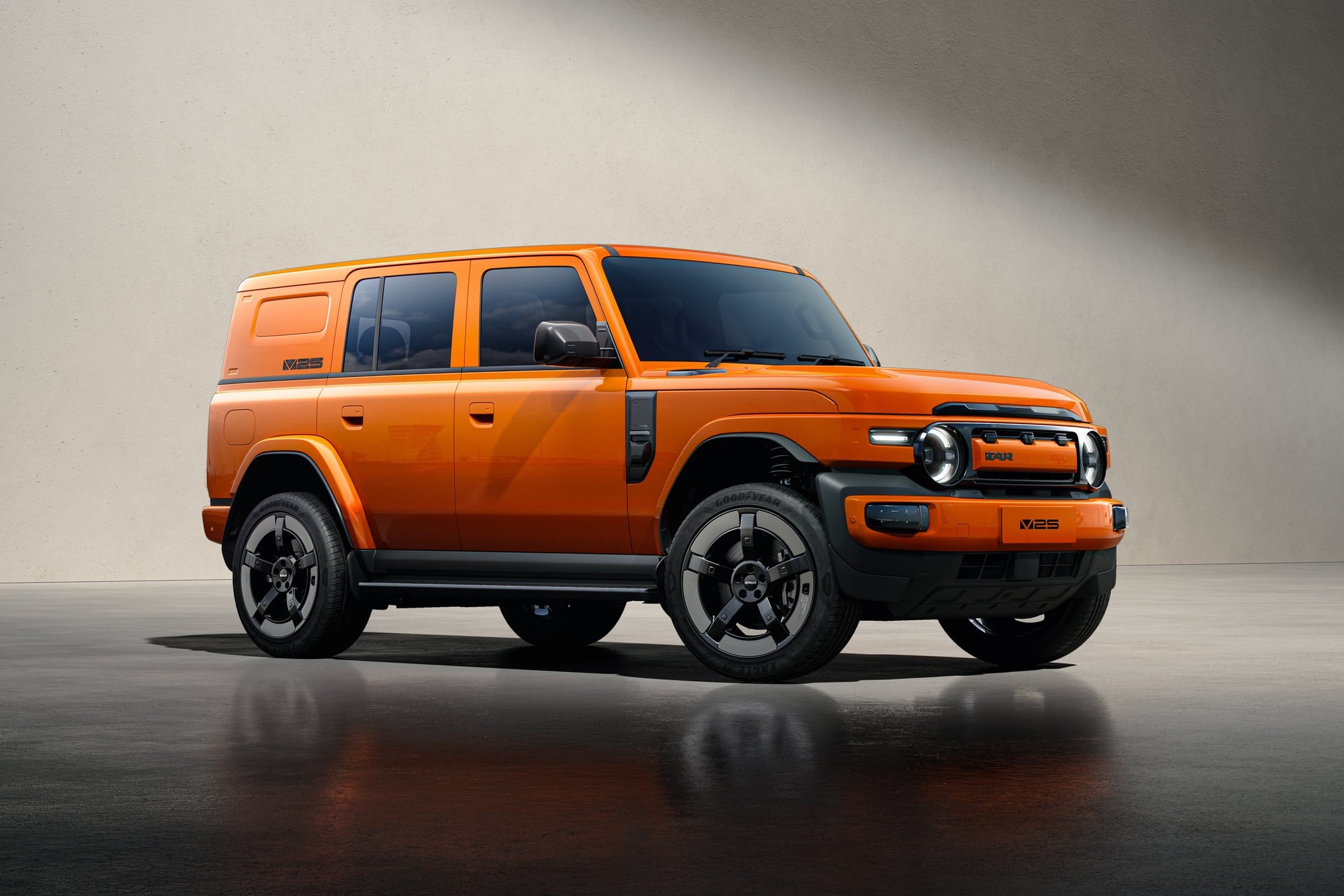
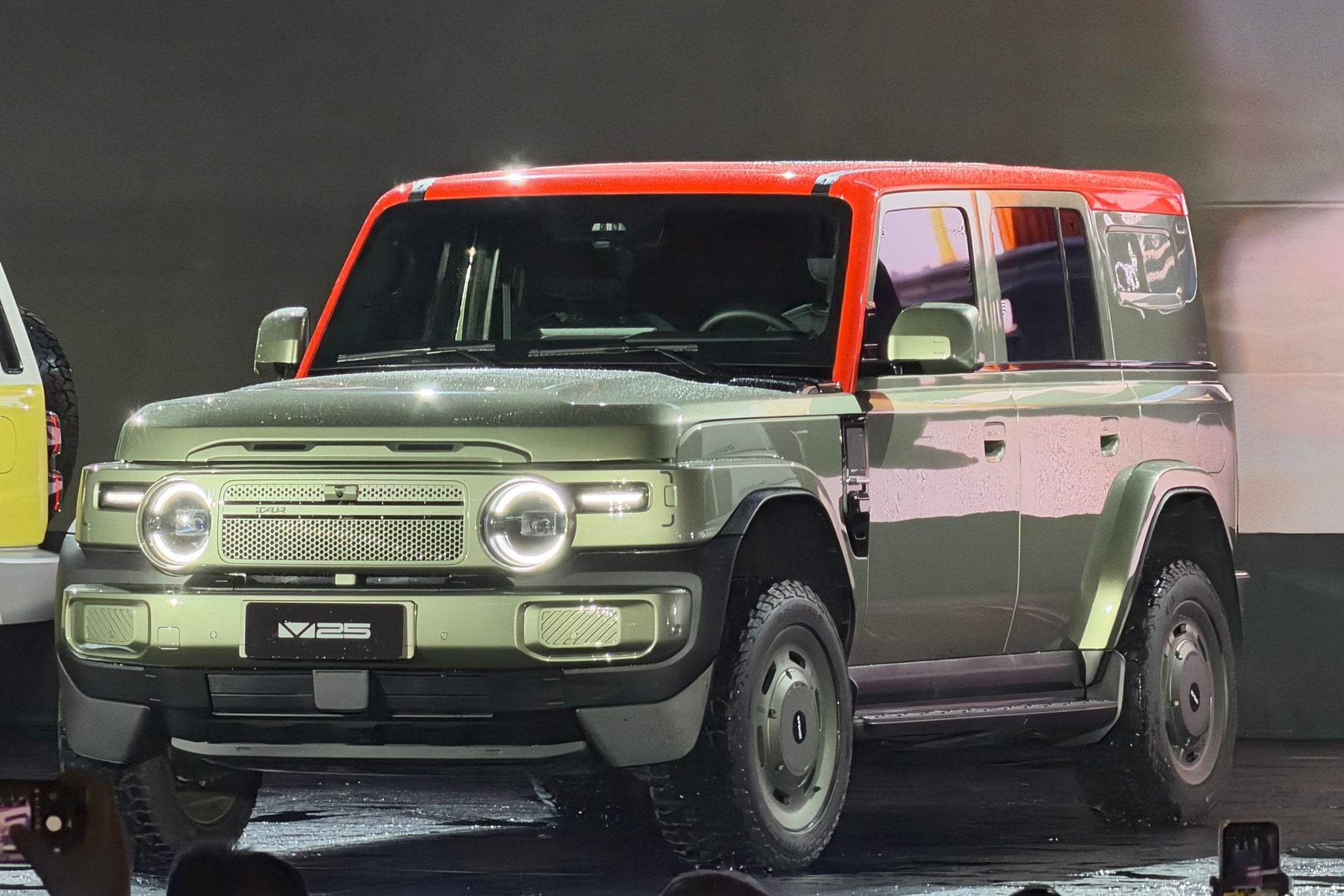
The first test of that strategy will be the iCaur V25, a mid-size SUV confirmed to lead the brand’s Australian launch in early 2027. Australian pricing and final specifications are still to be announced.
Ms Luo said the company didn’t want to offer a “me-too car”, instead offering recognisable designs that buyers can customise to express their own tastes.
“Make the classic design your style and your taste,” she said.
She argued customers interested in familiar SUV shapes could still want a different driving experience and newer technology.
“They want to show their attitudes, their personalities, and their readiness to get into the new-energy vehicles,” Ms Luo said.
The intended buyer is primarily urban, using the car for everyday life but occasionally heading away on more adventurous trips. Ms Luo cited Australians’ familiarity with large SUVs and the country’s driving distances as reasons the brand could find an audience here.
Chery Automobile vice president Dr Su Jun, who oversees iCaur’s product design, brand building and business operations, described its intended audience as “young at heart”. The executives said that referred to curiosity and interest in new things, rather than simply a buyer’s age.
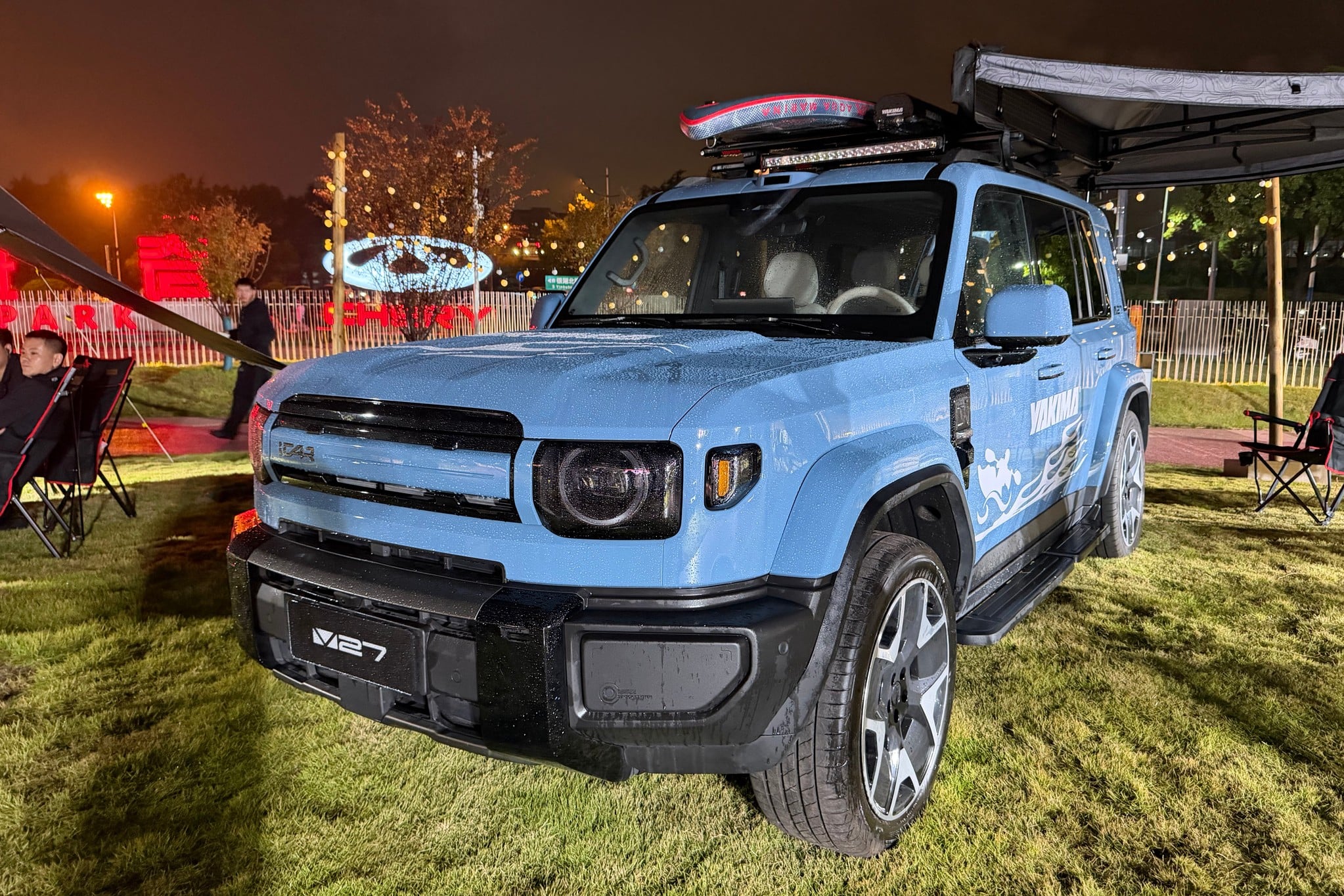
Customisation is also part of the brand’s global product and event program. In an announcement ahead of the October 19–23 Wuhu user summit, Chery described the V25 as having more than 20 interfaces for accessories and other functional additions.
The same announcement outlined a customisation festival featuring 20 vehicles, with themes covering urban commuting, camping and off-road use.
iCaur hasn’t confirmed which accessories or customisation options it’ll offer in Australia, while it has only confirmed five exterior colours.
There’s a large pool of SUV buyers for iCaur to pursue in Australia. CarExpert, combining VFACTS and Electric Vehicle Council data, recorded 69,712 SUV deliveries, accounting for 64.1 per cent of the 108,778 new vehicles reported for the month.
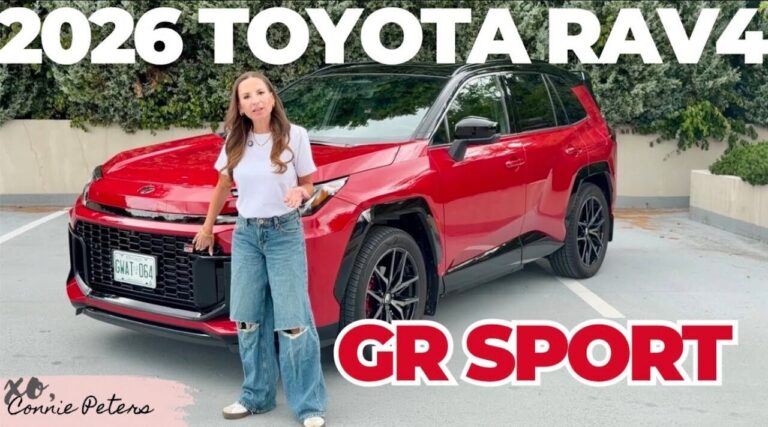
Mid-size SUVs were the largest segment, with 34,545 deliveries, up 26.1 per cent on September 2025. The hybrid and plug-in hybrid Toyota RAV4 and electric Tesla Model Y and BYD Sealion 7 headed the mid-size SUV sales rankings, and also finished in the top five among all vehicles.
Electrified vehicles are also taking a larger share of sales. Across the overall market, plug-in hybrid deliveries rose 122.7 per cent year-on-year to 10,072 in September, while battery-electric vehicles accounted for 24.2 per cent of reported new-vehicle sales.
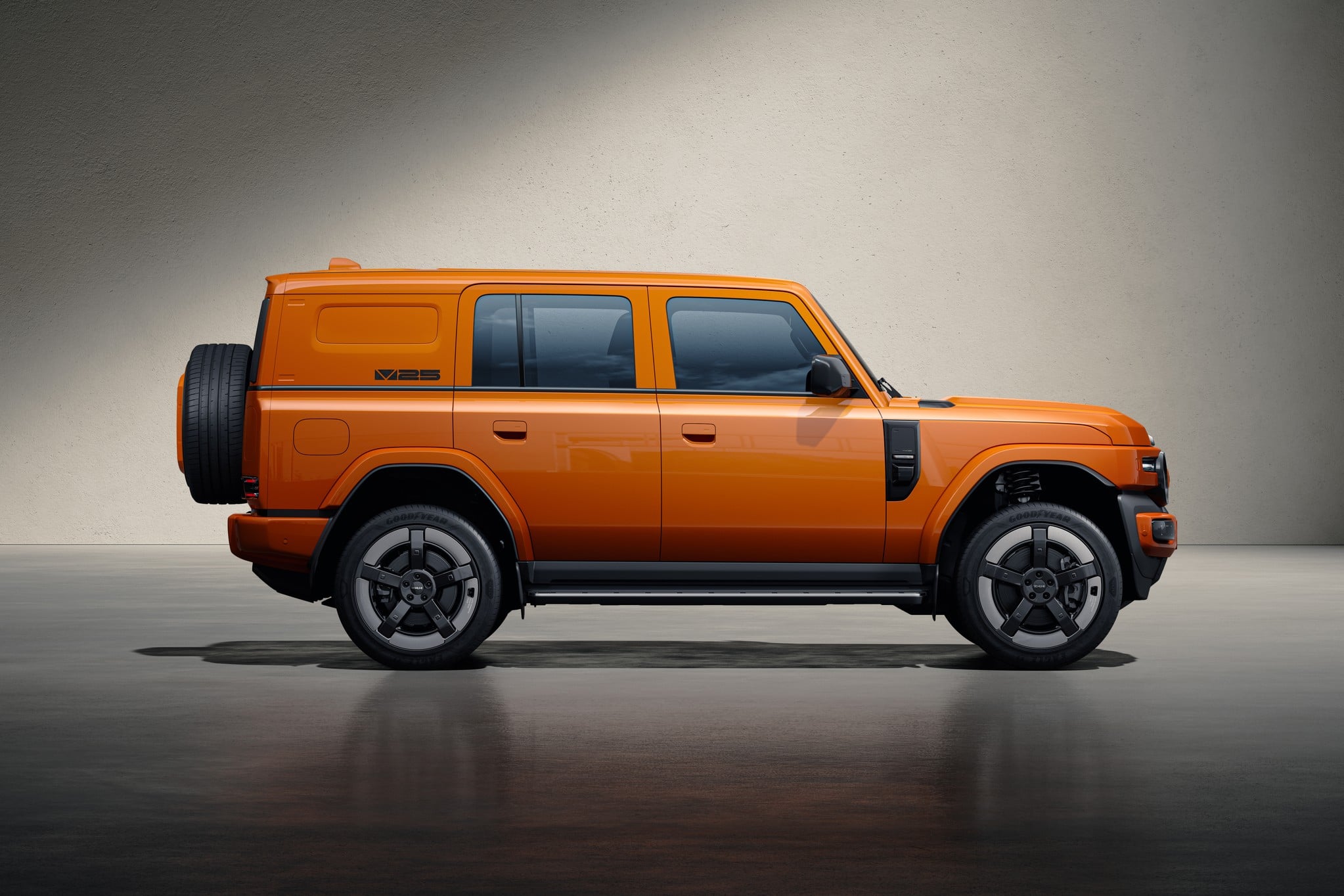
The V25 will enter that family-SUV market with upright bodywork, round headlights and a tailgate-mounted spare wheel, suggestive of rugged, body-on-frame SUVs. However, it uses car-like unibody construction.
Local specifications have yet to be announced, but depending on the market, the V25 will be offered with either electric or extended-range electric (EREV) powertrains.
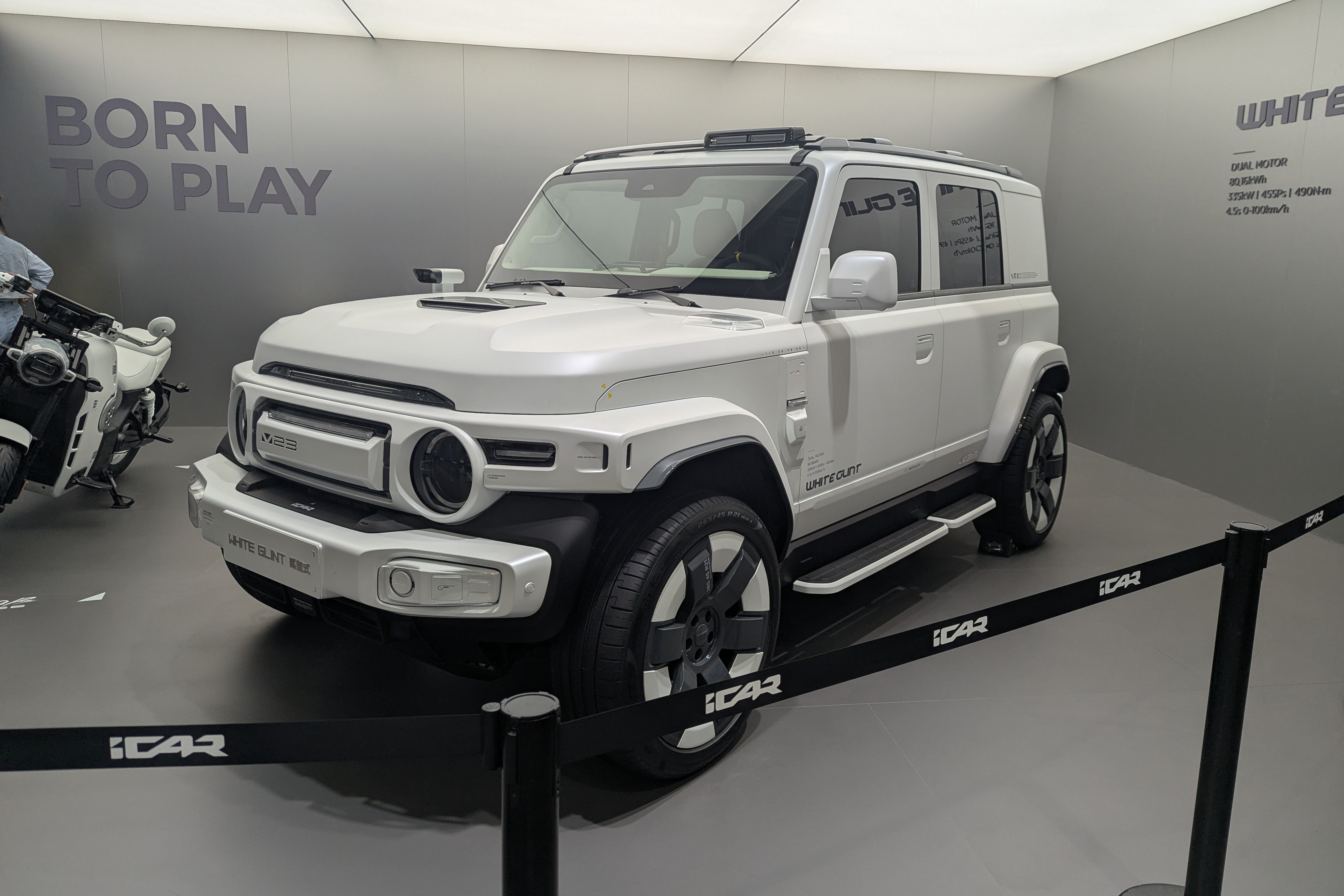
The V25 sits between the smaller electric V23 and larger V27 EREV in the overseas lineup. Both of those models have been shown in right-hand drive, but neither has been confirmed for Australian sale.
Rugged styling and electrification already appear together elsewhere in the market. GWM’s new Haval H7 is due to launch in November with hybrid and plug-in hybrid options, and a promised starting price below $50,000 drive-away; it’ll be sold alongside the Tank 300, which also offers a PHEV powertrain but features body-on-frame construction.
There’s competition within the Chery Group too. Its Jaecoo J7 already offers plug-in hybrid power, while Jetour is preparing the T1 and T2 mid-size SUVs for expected Australian releases in early 2027.
Asked how iCaur differed from Jetour, Ms Luo emphasised its primarily urban customer base and characterised Jetour as having a greater focus on toughness. Jetour’s initial Australian models also use unibody construction, and have received local approvals covering petrol and plug-in hybrid powertrains.
Chery’s expansion is also set to bring Exlantix and Freelander to Australia in 2027, alongside iCaur and Jetour. Freelander is a brand developed as part of Chery’s joint venture with Jaguar Land Rover.
The Chery and Omoda Jaecoo brands are already operating here, with Lepas orders open ahead of expected first deliveries in November 2026.
Chery Australia has previously told CarExpert its brands are intended to reach different types of buyers, rather than form a traditional hierarchy based on price or prestige.
Its strategy differs from that of fellow Chinese automakers GWM and GAC, which sell their respective vehicles under a single brand name here, regardless of which of their brands their vehicles are sold under in China.
Ms Luo nevertheless described iCaur’s intended Australian position as premium. Without a V25 price, that description doesn’t yet establish where it will sit against the growing range of electrified family SUVs.
iCaur’s Australian operation is headed by Kate Gillis, whose previous roles include managing director of Peugeot Citroën Australia.
The brand is already recruiting Australian dealers, with Ms Luo outlining plans for sales and service networks separate from mainstream Chery.