
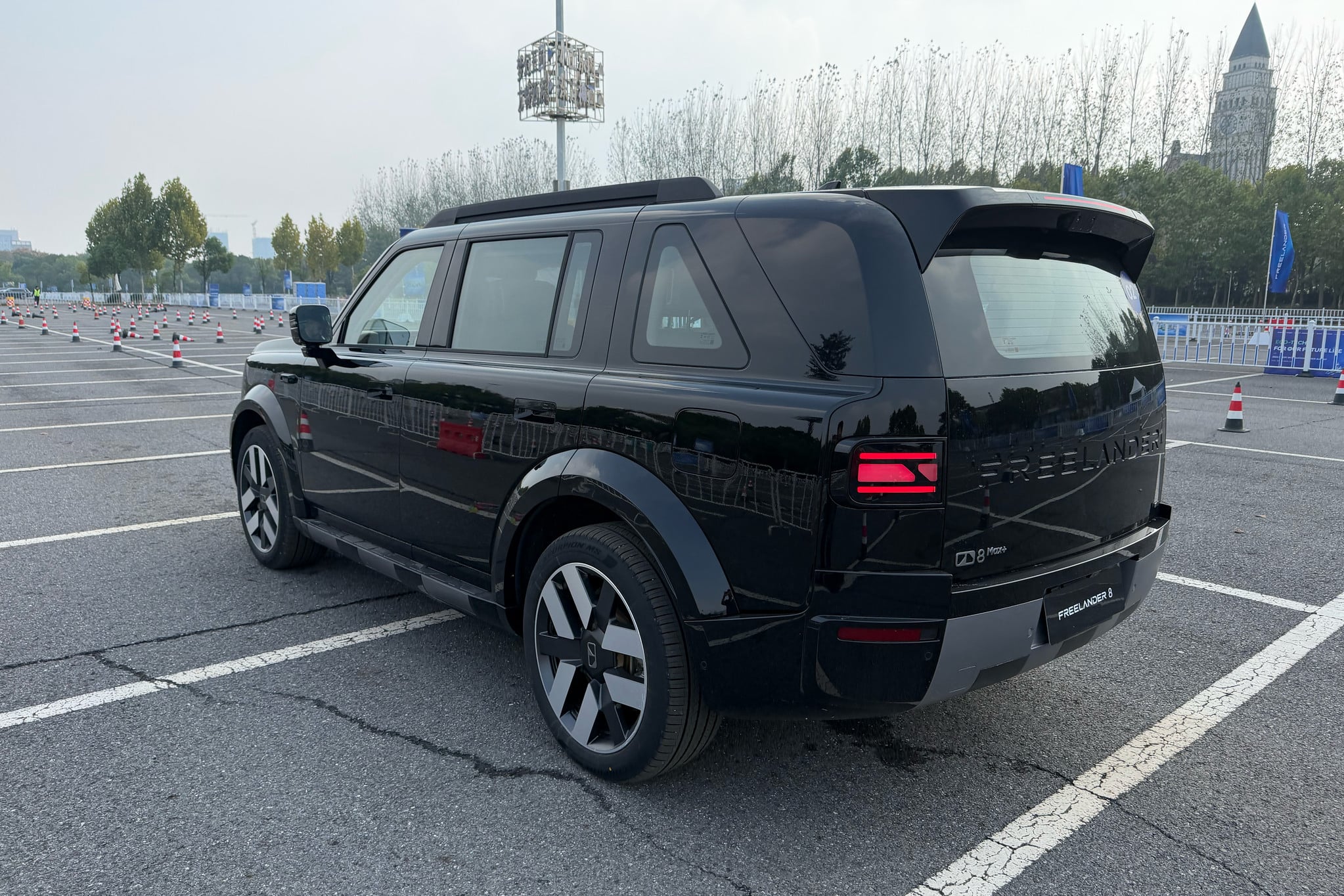
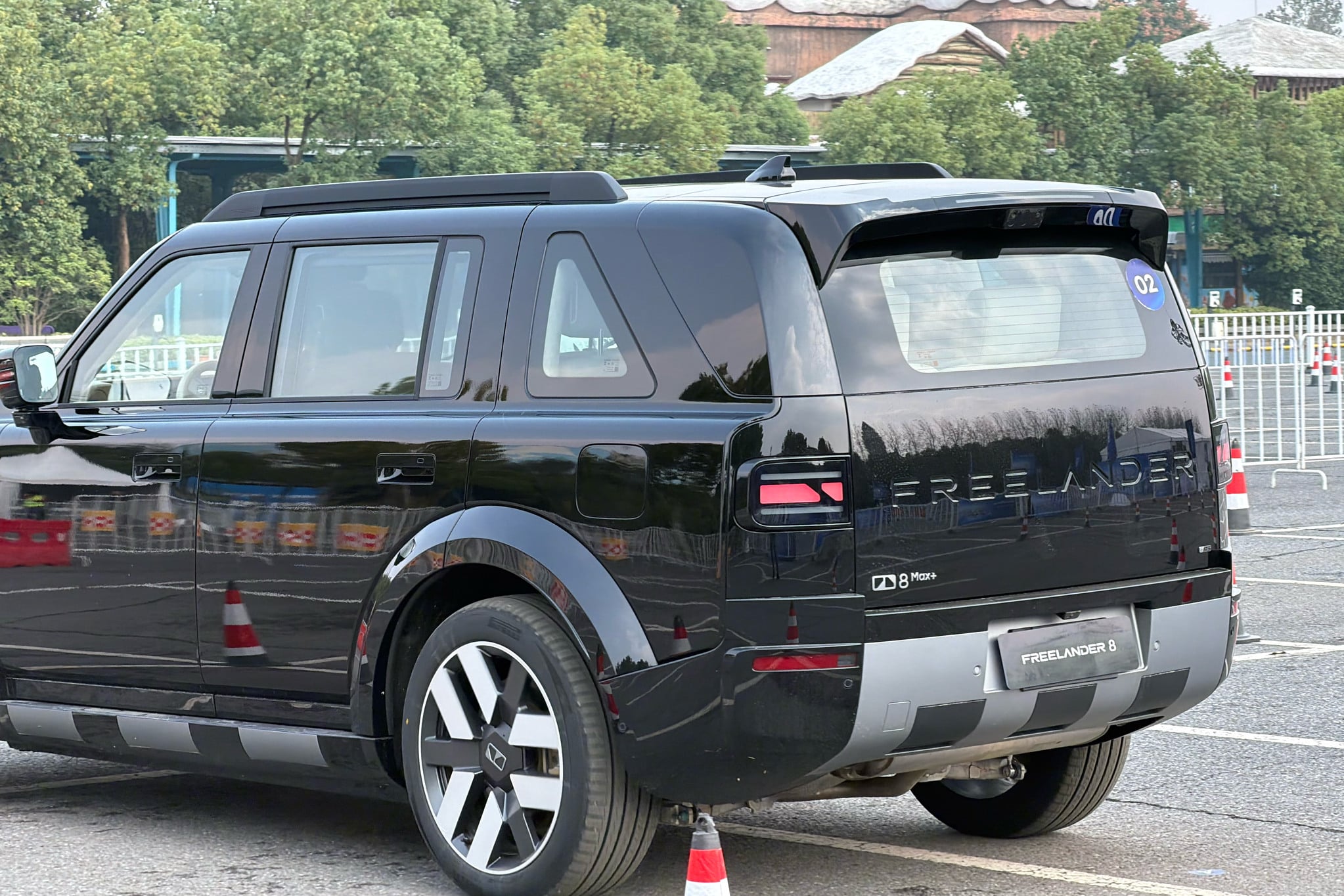
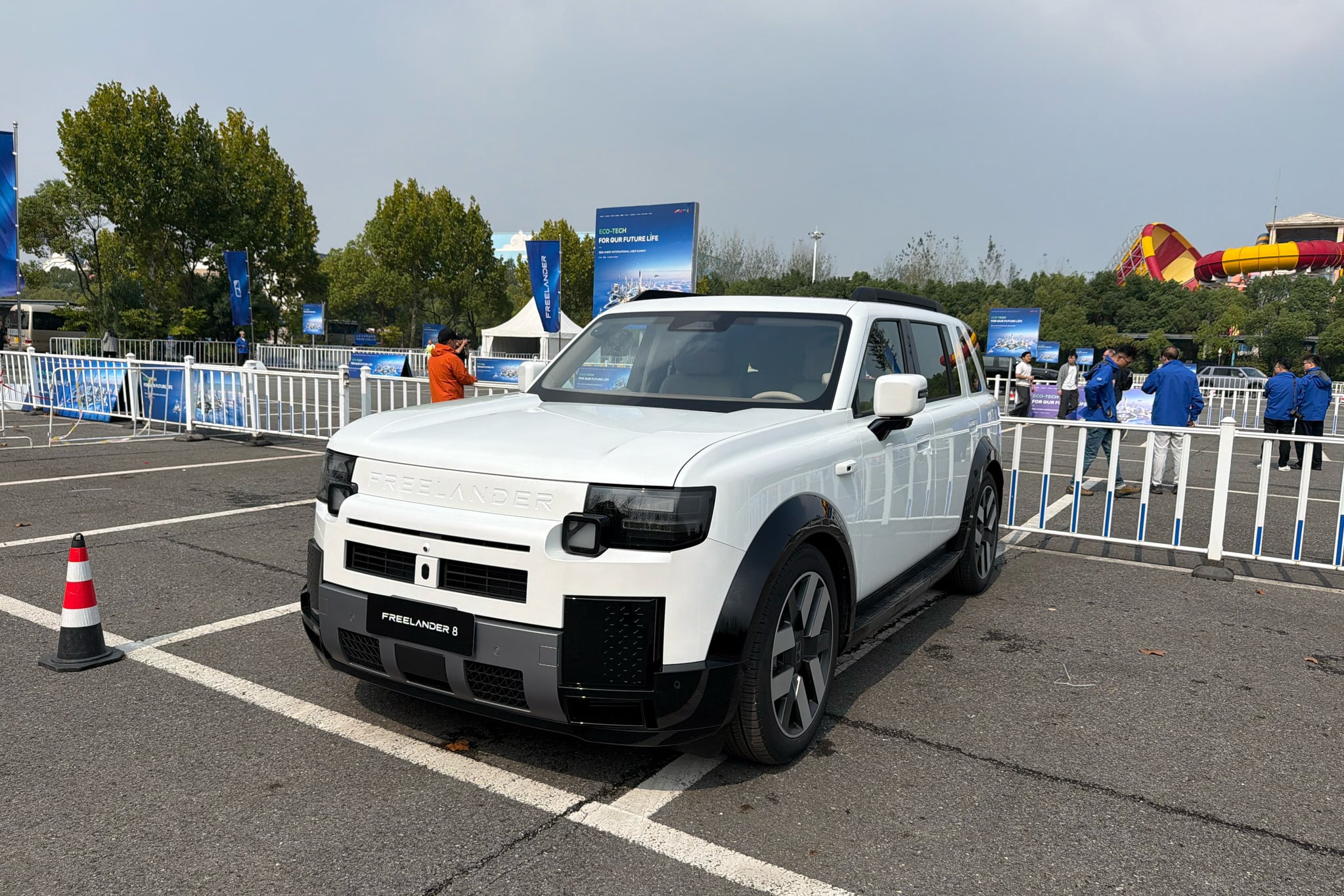
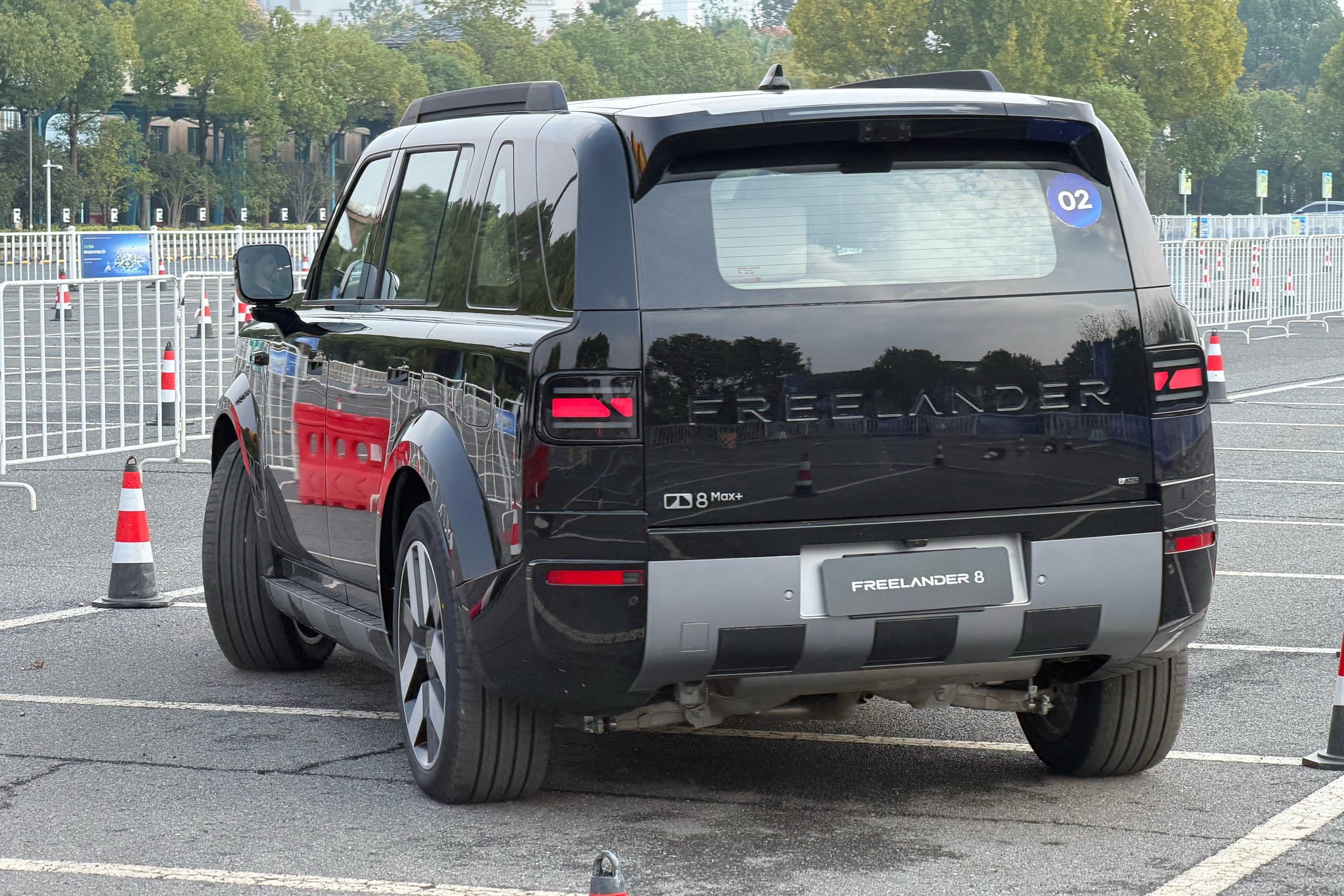
There’s a lot of excitement about the Freelander 8, not because we lack large premium three-row SUV options in Australia, but because this seems like a perfect blend of what an adventurous SUV customer might actually want: traditional British styling with the latest technology from China.
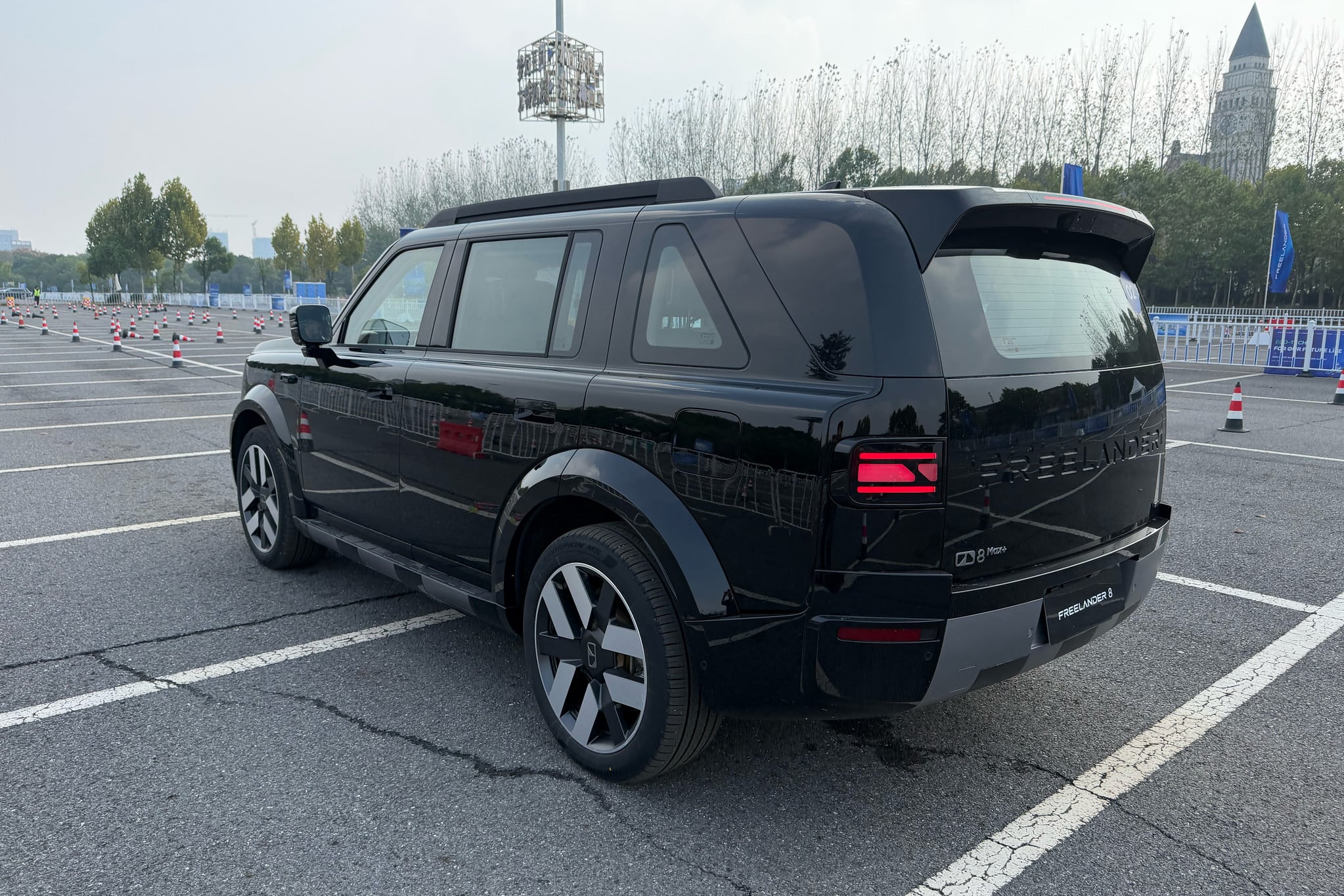
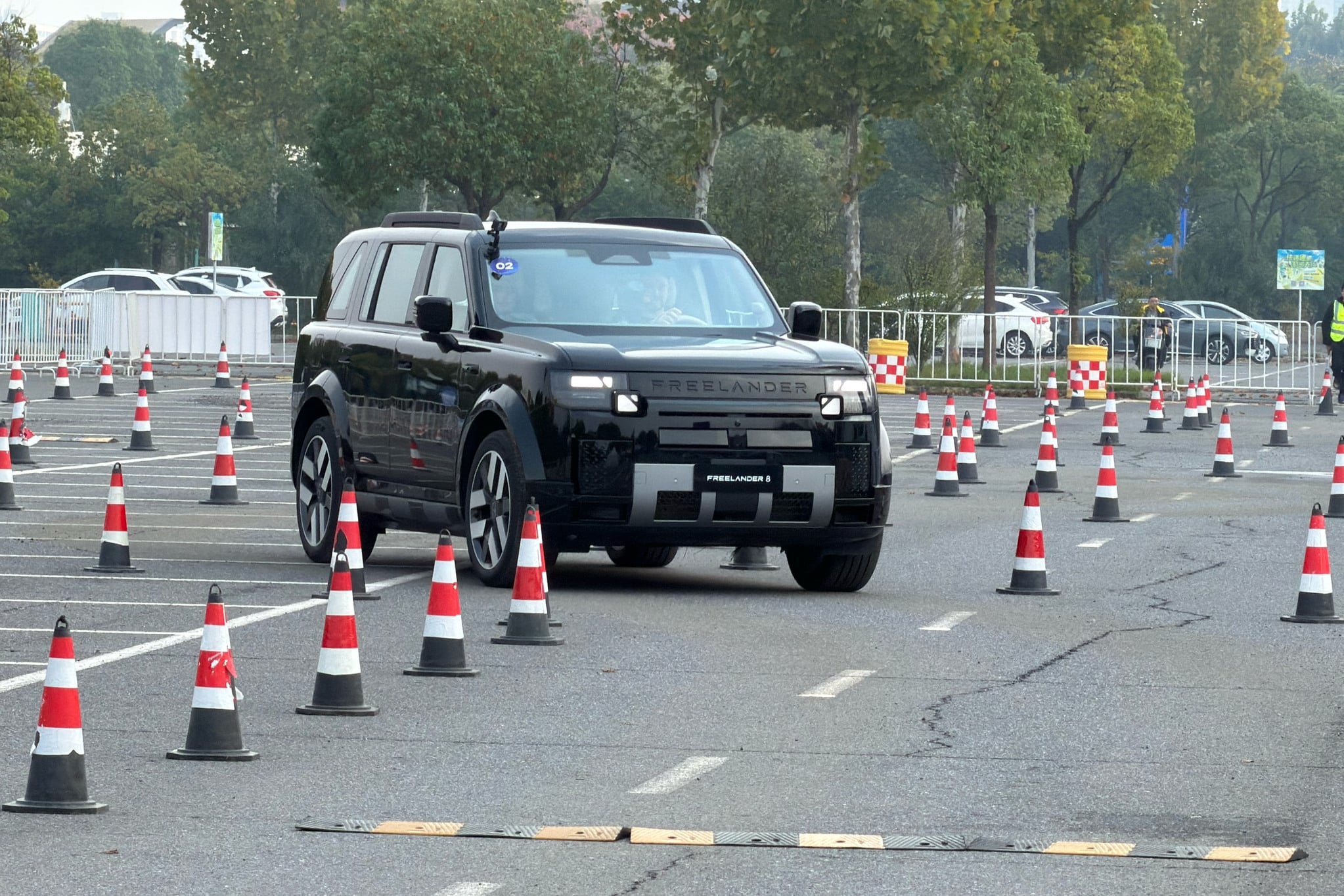
We drove a pre-production plug-in hybrid Freelander 8 prototype around a short carpark course in China. This was by no means a road test, but it was enough to get a feel for the steering, power delivery and cabin.
Freelander is now a standalone brand jointly developed by JLR and Chery. JLR owns the name and leads its design work, while Chery supplies the underlying technology. The vehicles are built at the joint venture’s plant in Changshu, China.
The Freelander 8 will lead the Freelander brand’s Australian launch in 2027. We like what we’ve seen so far, but there are a few things Freelander needs to sort out.
How much does the Freelander 8 cost?
We don’t yet know what the Freelander 8 will cost in Australia, how many trim levels we’ll get, or what they’ll come standard with.
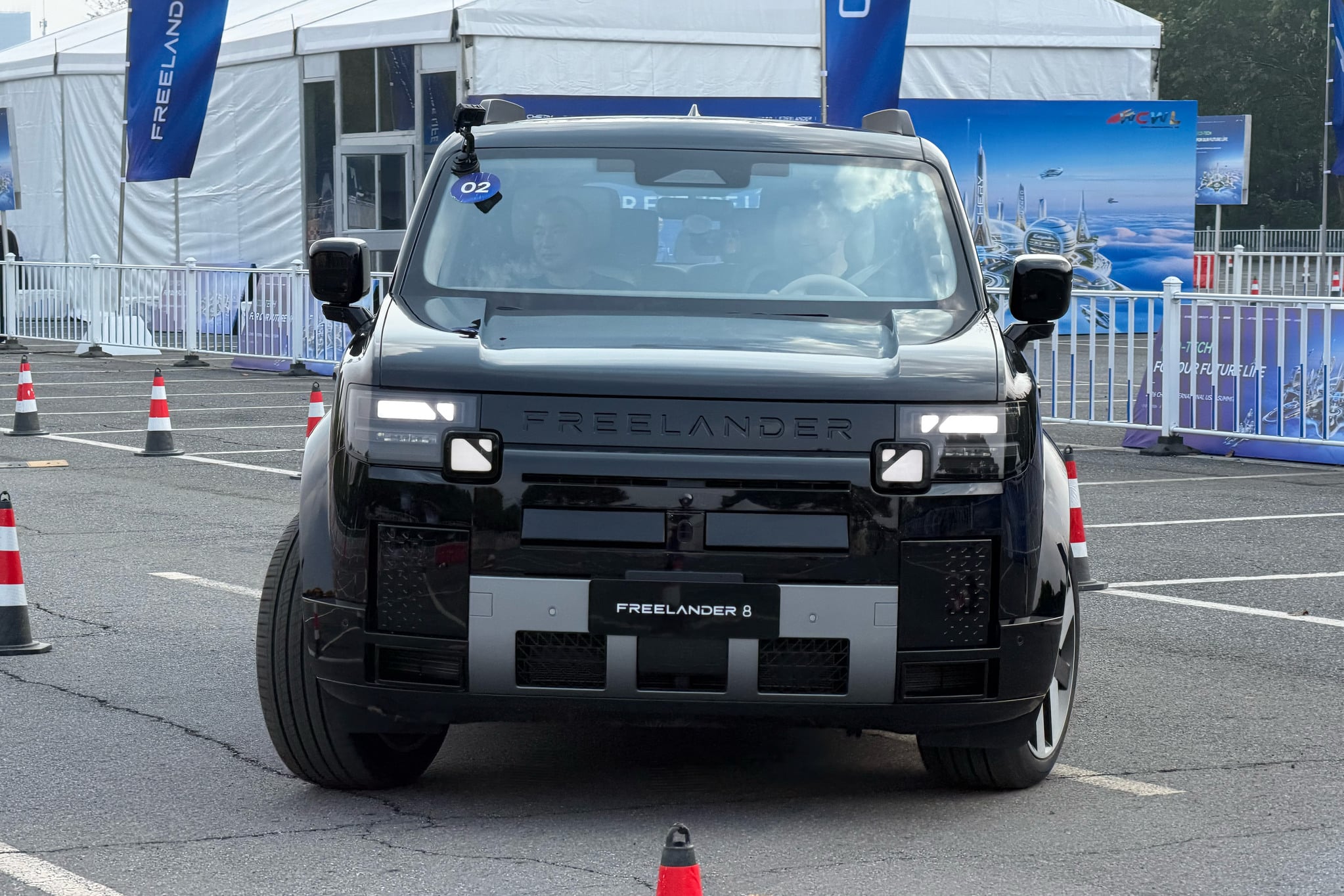
For us, it needs to be priced around $85,000-$90,000, at most. At that sort of money, we can see the appeal. More than that and the sell gets much harder.
The hybrid Hyundai Palisade and plug-in hybrid Mazda CX-80 are already here and there is also competition from Denza and Zeekr. Freelander will need to get its price and equipment right. Price it too high and it’ll struggle to get its foot in the door. After all, you can buy a Land Rover Defender 110 for about $110k on road.
What is the Freelander 8 like on the inside?
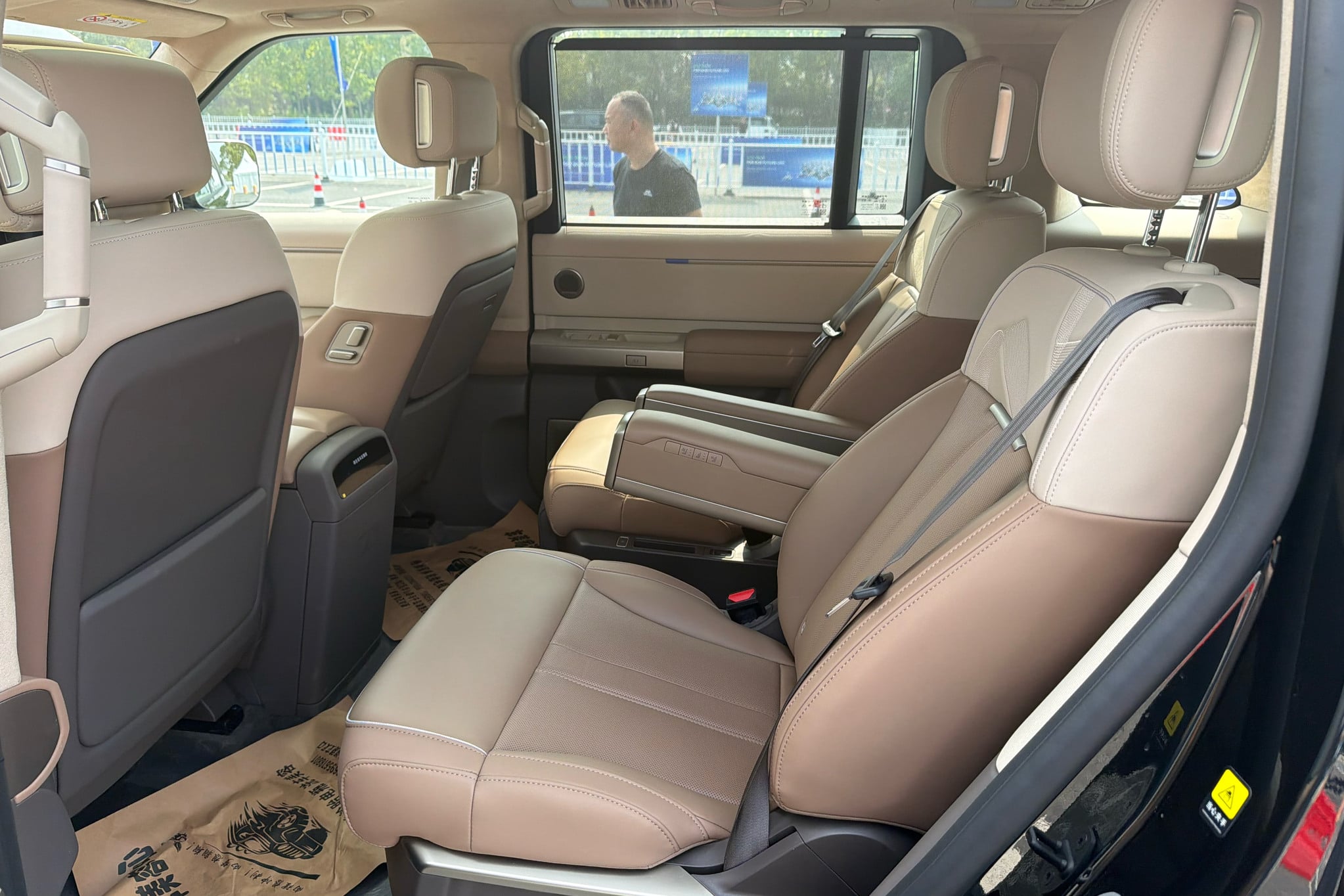
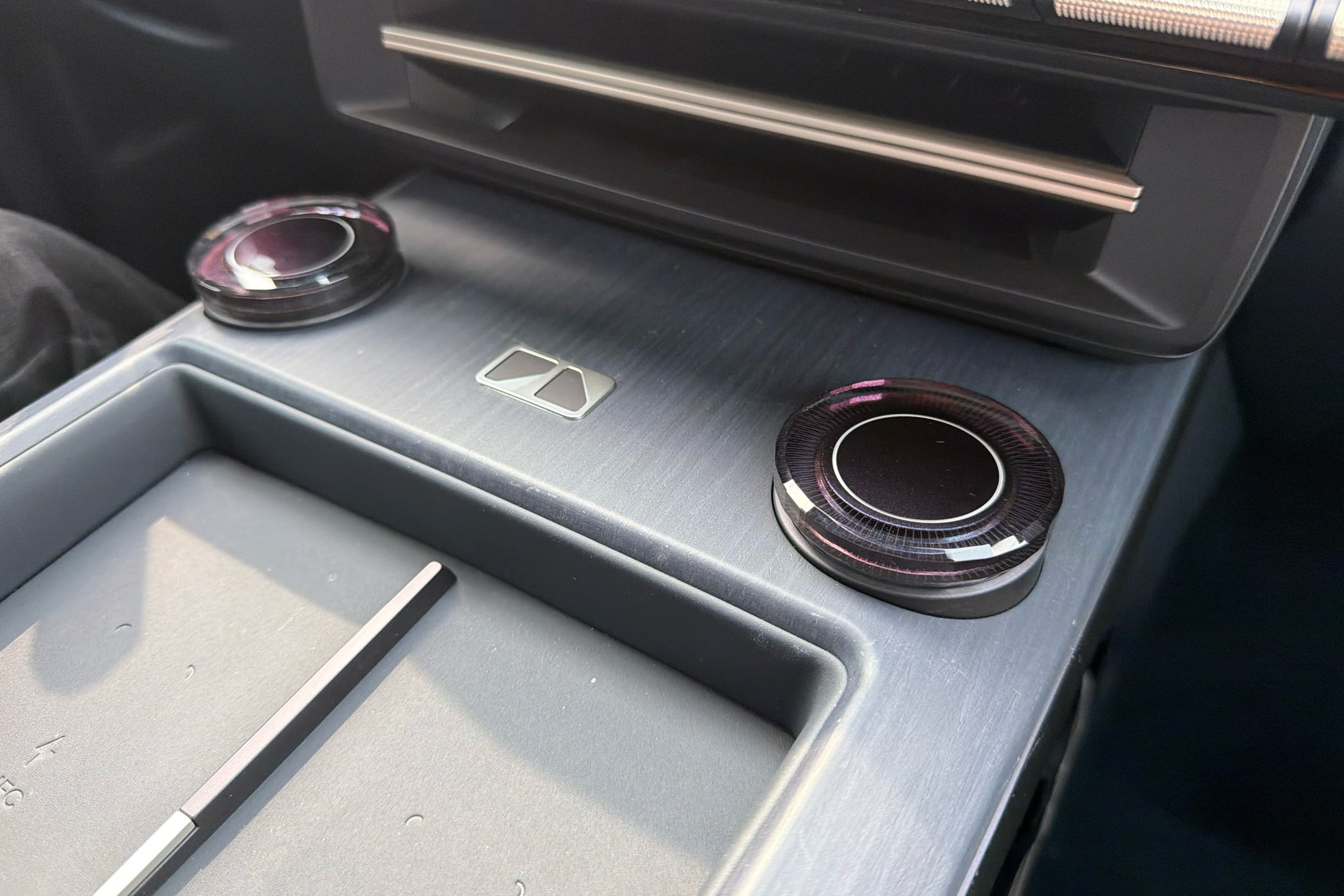
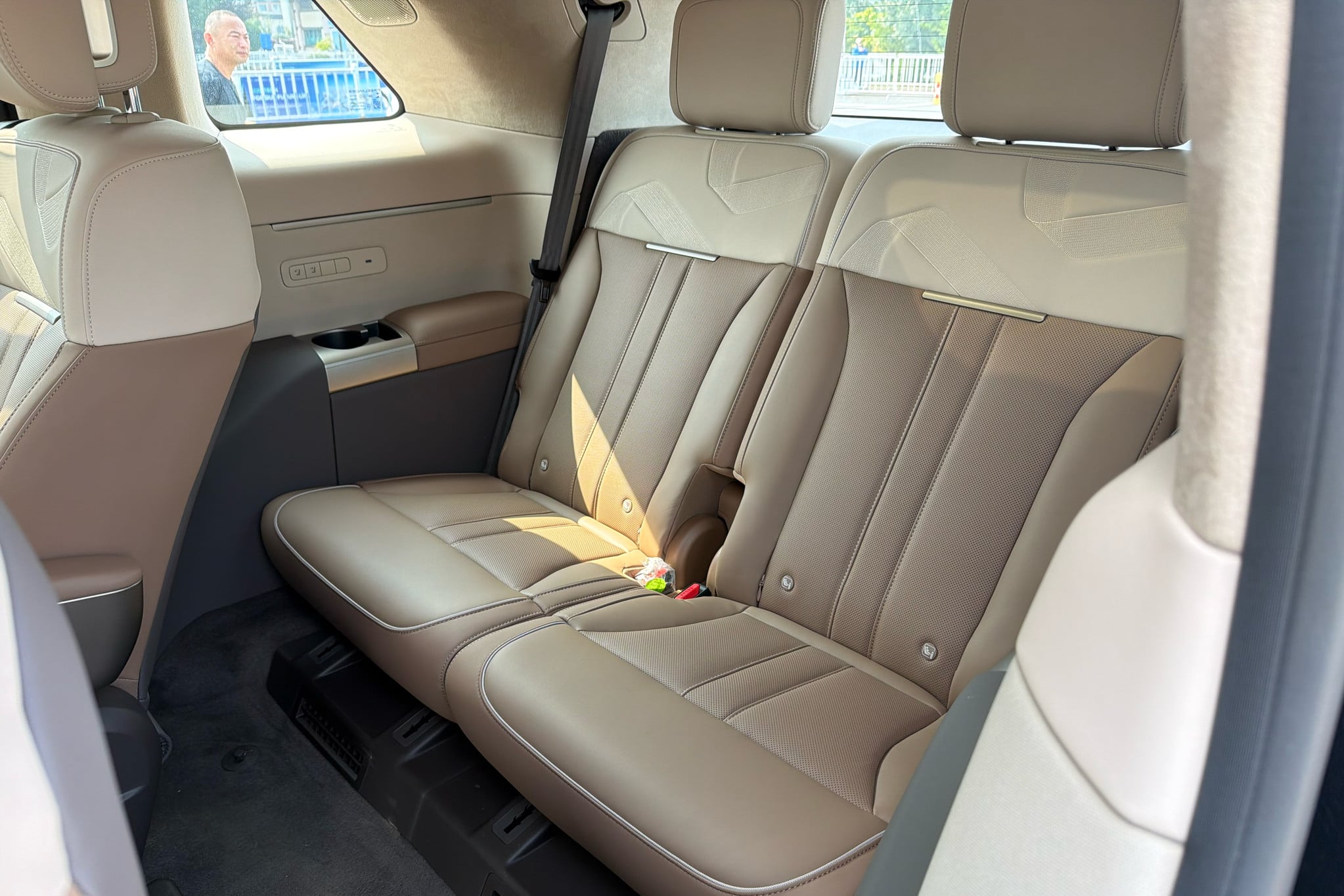
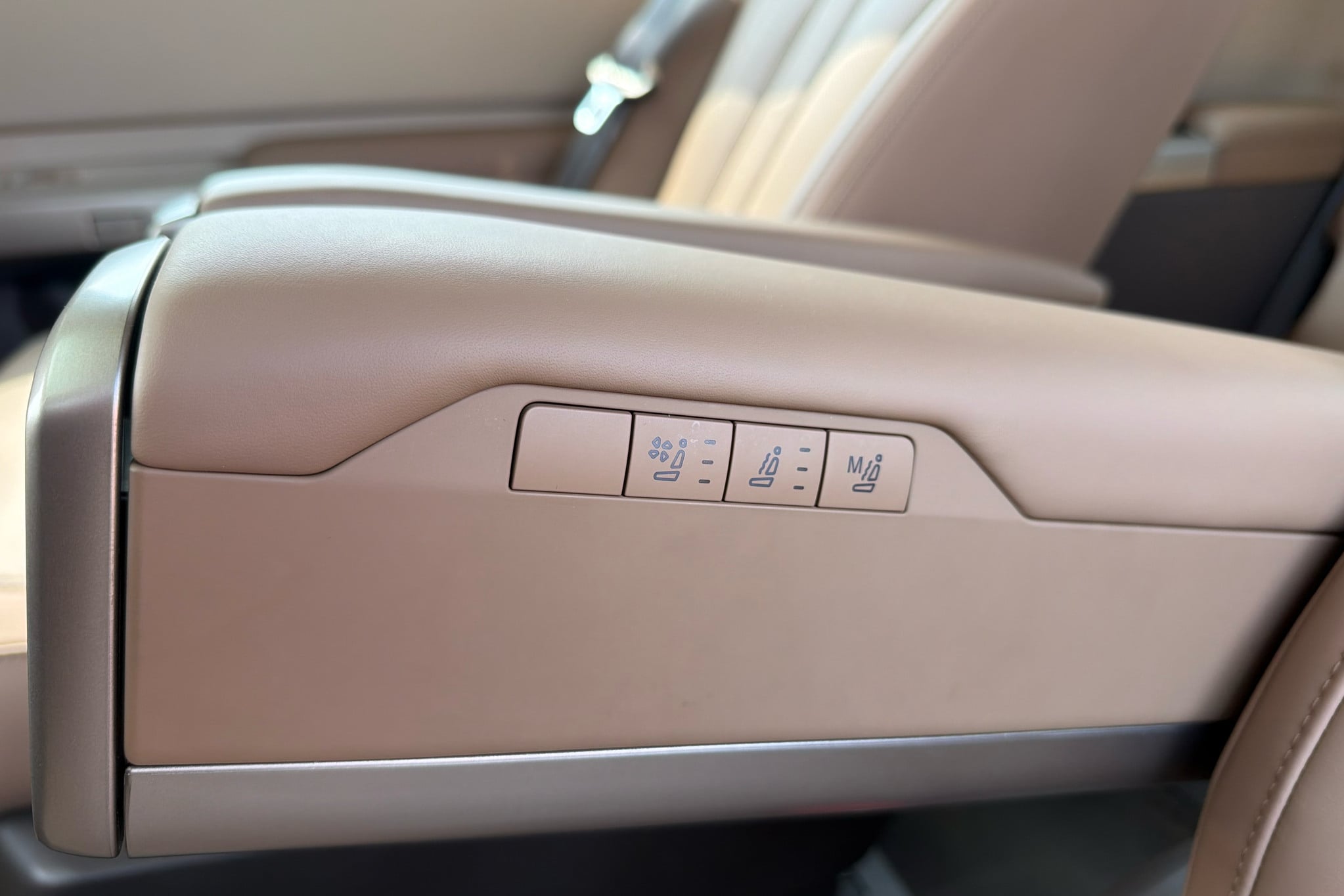
The cabin is what we like most. The materials we touched felt good, the seats were very comfortable, and there’s plenty of room in the back.
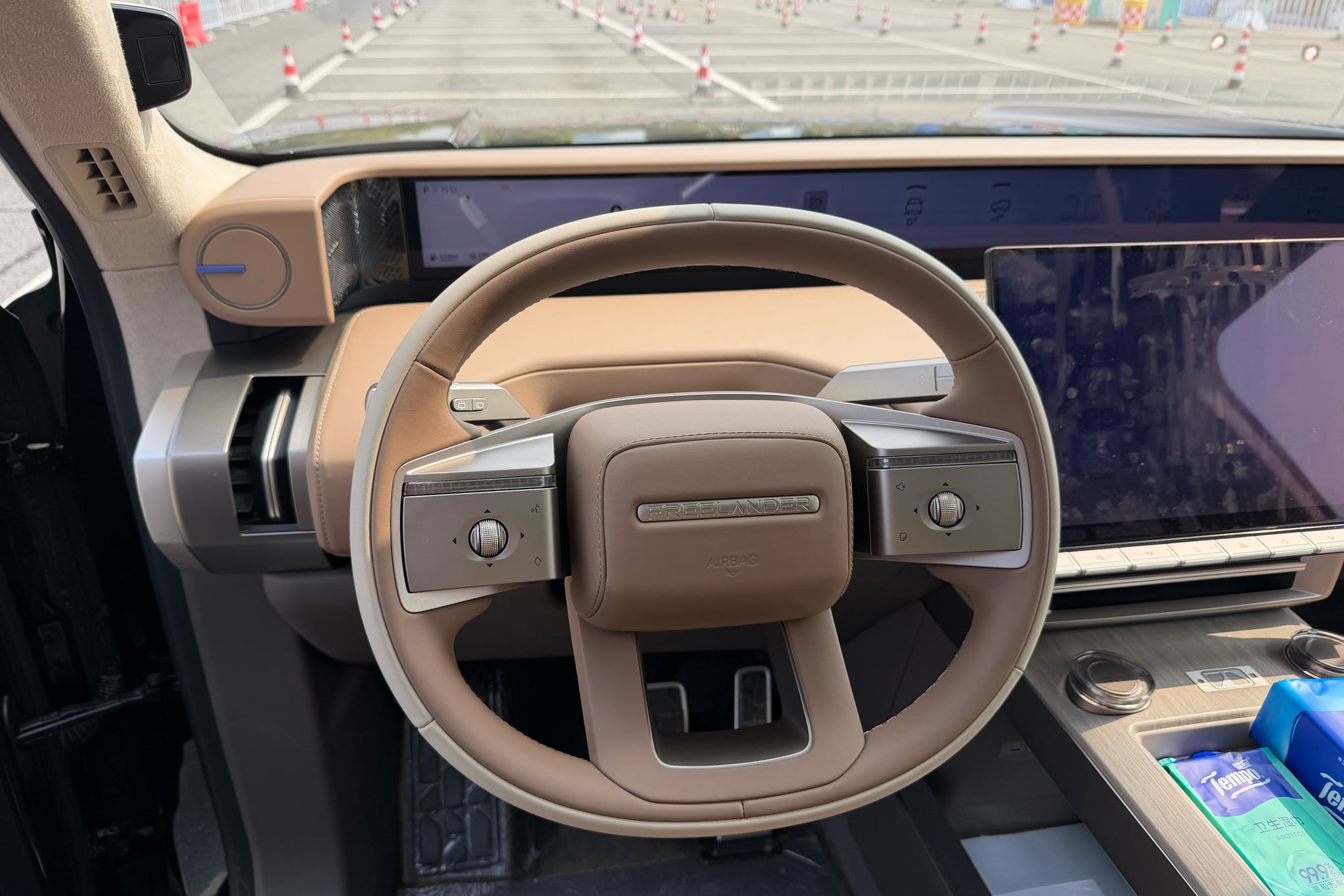
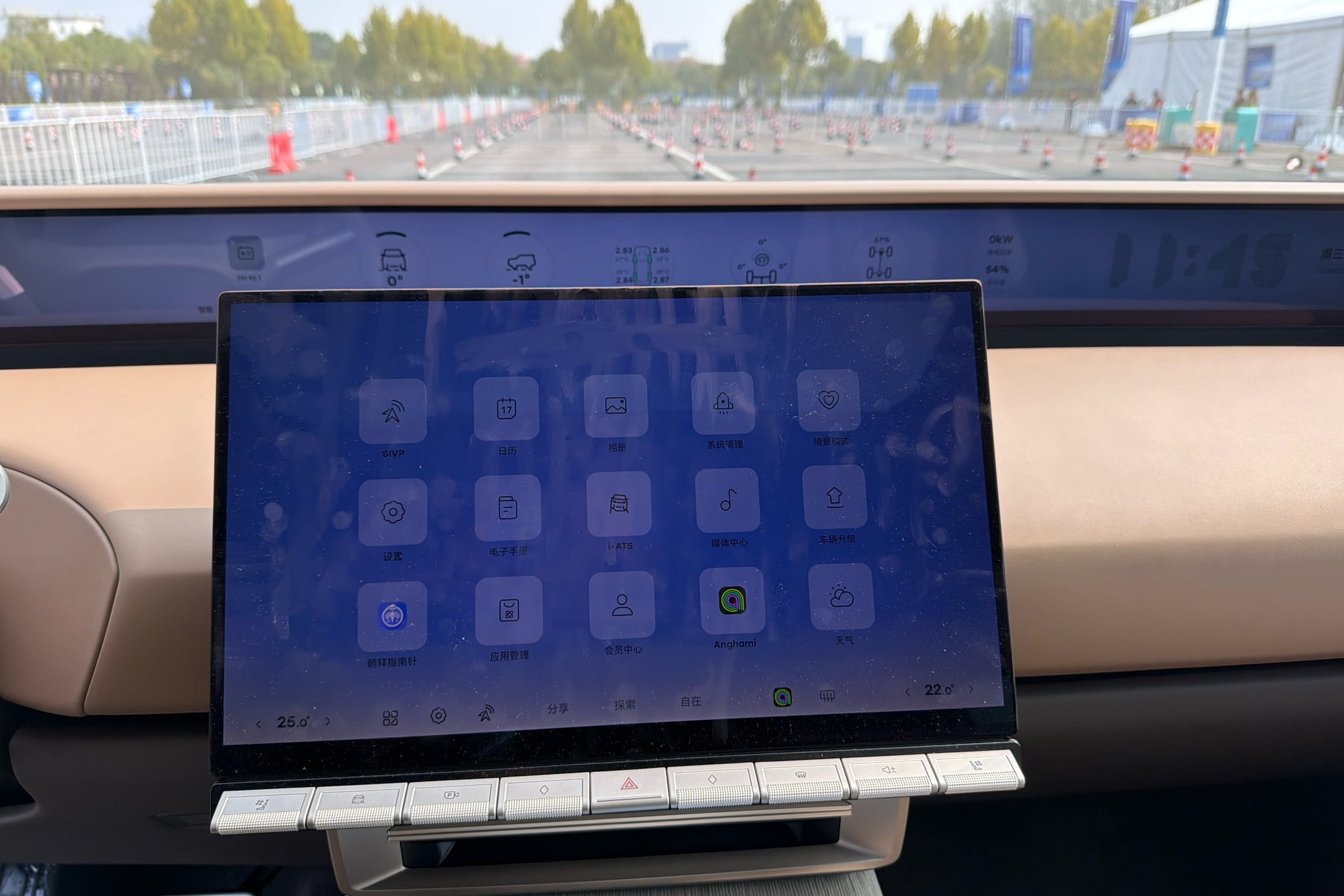
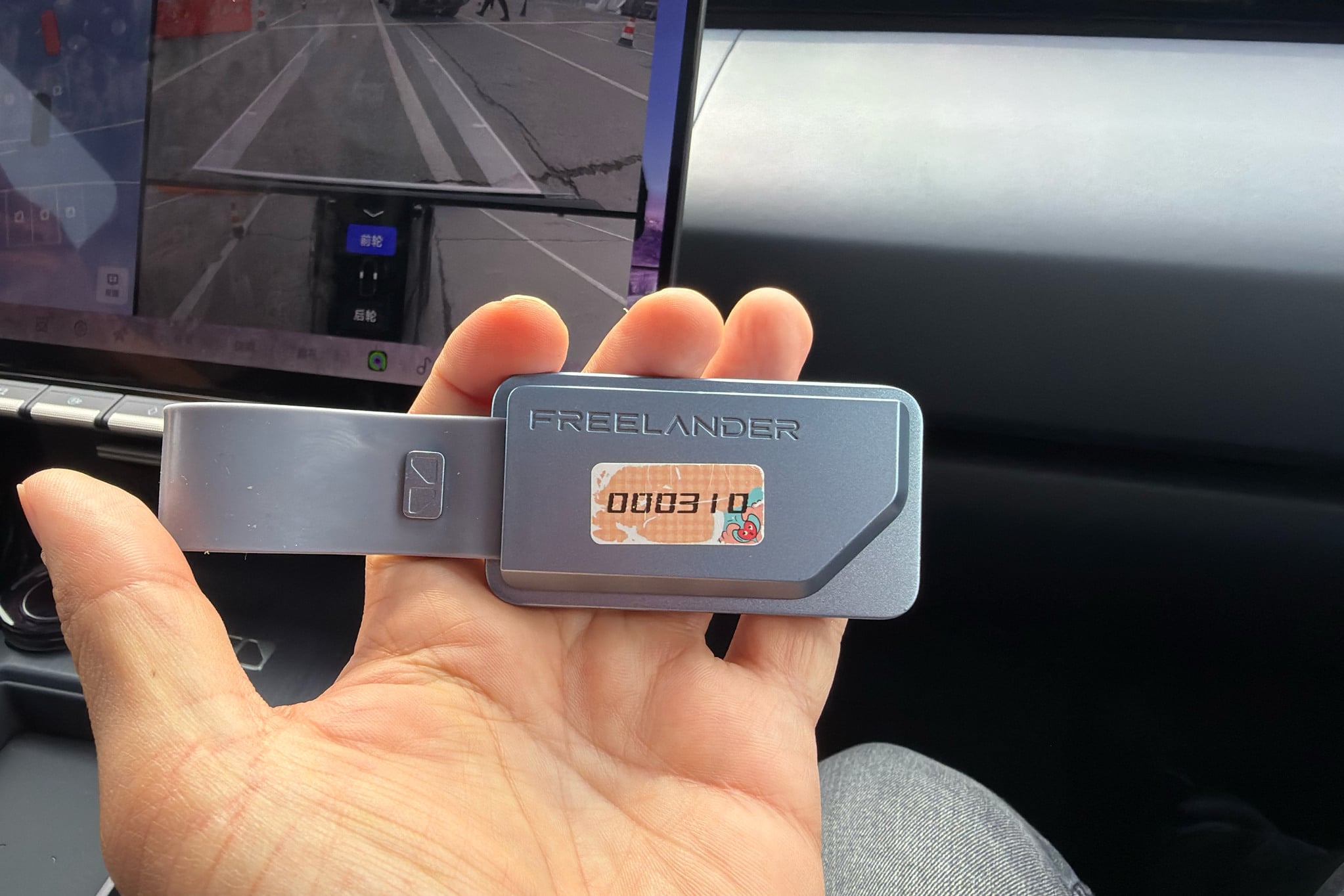
We really like the huge BMW-like 46.3-inch mini LED screen display across the base of the windscreen, with a separate 15.6-inch infotainment touchscreen in the centre.
That central screen in this pre-production model was not what we were expecting of a car in this price range, however. It reflected so much sunlight that it was difficult to read at times. We’re used to very clear digital displays in new Chinese cars, so this stood out.
Whether that’s down to the pre-production hardware or the screen itself, we can’t say. But we are hopeful the glare issue will be fixed by launch.
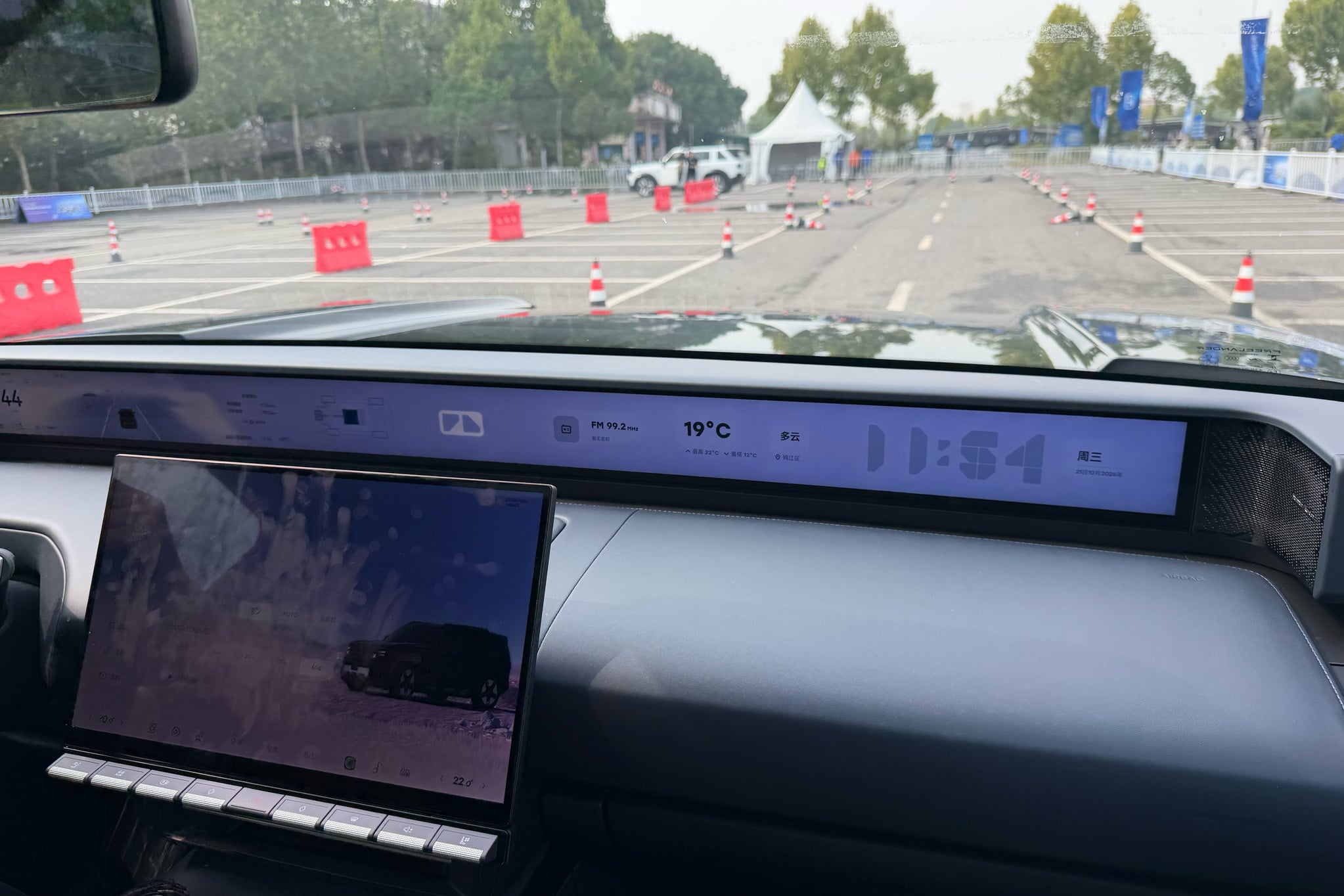
The speedo display needs a rethink, too. The digital speedometer is off to the left, while the space directly in front of the driver shows a visualisation of the car’s surroundings. We’d rather have the speed ahead of us, not a gimmick.
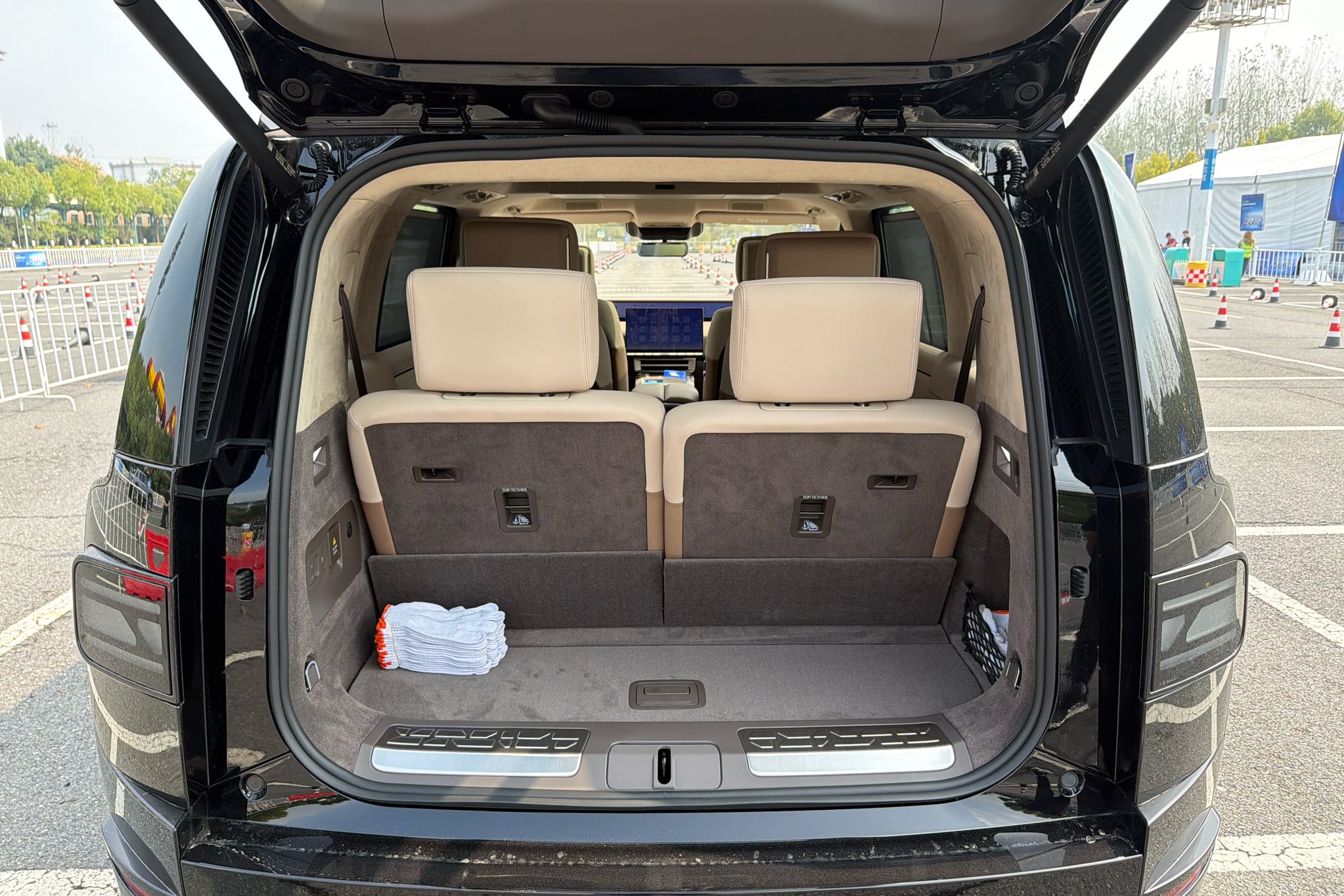
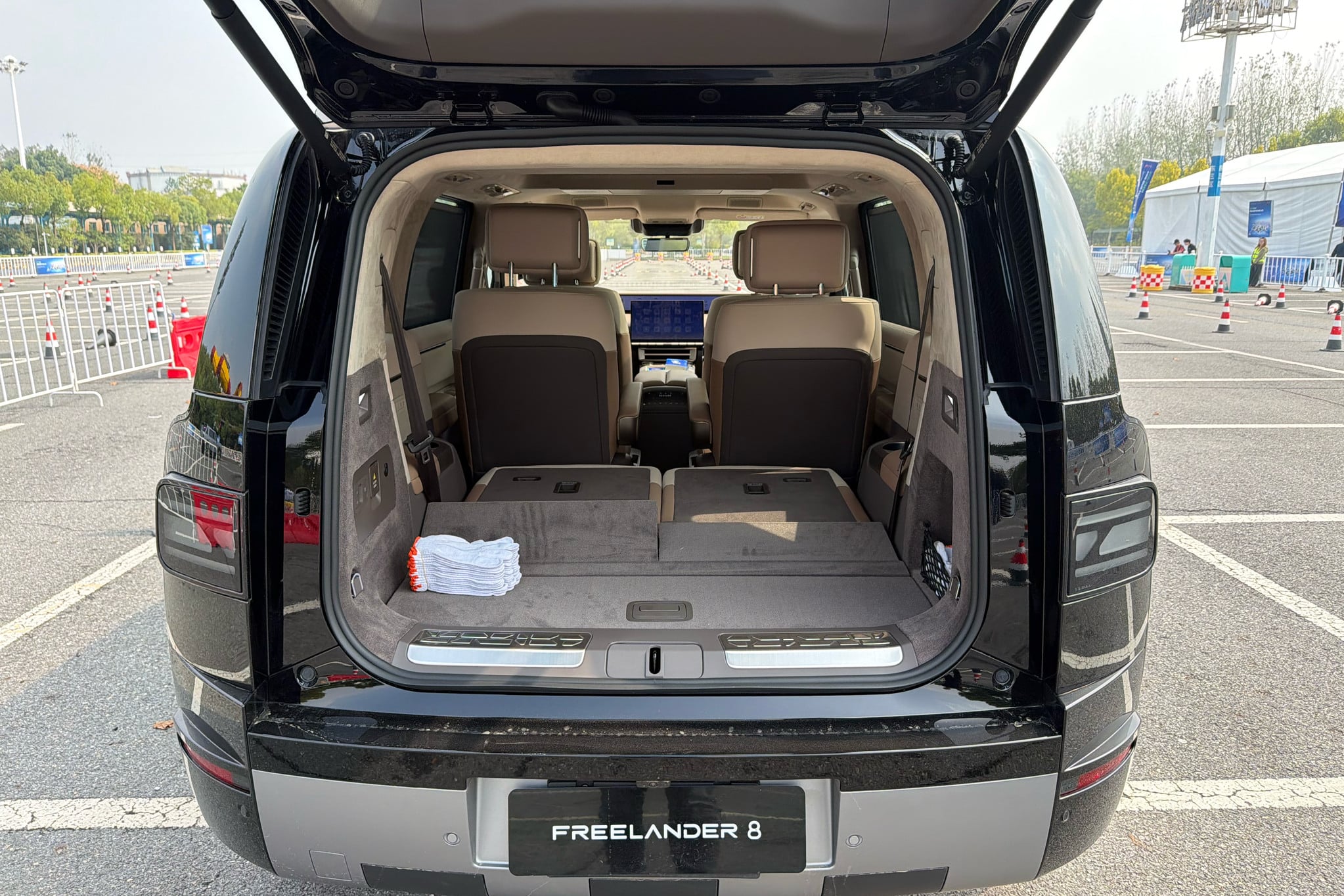
We like the USB-C connections built into the second-row seats, and getting into the third row wasn’t particularly difficult. The boot area looked compromised in the configuration we inspected, though.
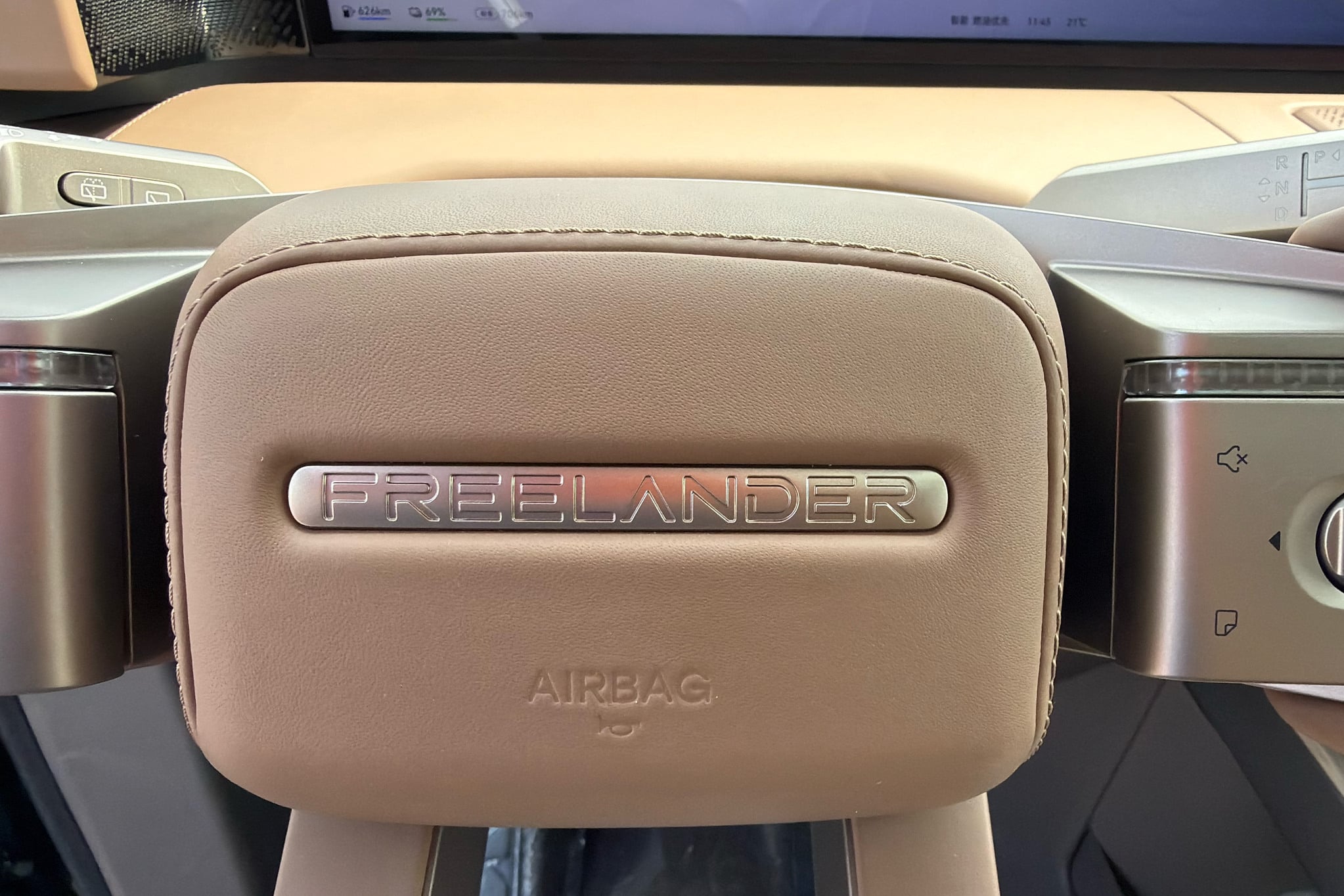
Some things weren’t working properly, including the door handles. Again, this was a pre-production car. But our overall impression of the interior was very positive, and it’s actually quite similar in many ways to a Range Rover.
|
Dimensions |
Freelander 8 PHEV |
|---|---|
|
Length |
5118mm |
|
Width |
2050mm |
|
Height |
1926mm |
|
Wheelbase |
3040mm |
What’s under the bonnet?
Our car was the plug-in hybrid version, pairing a turbocharged 2.0-litre four-cylinder petrol engine with two electric motors and all-wheel drive. Freelander claims combined outputs of 460kW of power and 662Nm of torque.
|
Specifications |
Freelander 8 PHEV |
|---|---|
|
Powertrain |
2.0-litre 4cyl turbo-petrol PHEV with 2 electric motors |
|
Drive type |
AWD |
|
Peak power / torque (claimed) |
460kW / 662Nm |
|
0-100km/h (claimed) |
5.8 seconds |
|
Battery |
34.12kWh lithium iron phosphate |
|
Electric range (WLTC) |
At least 110km |
|
Combined range (WLTC) |
At least 886km |
|
AC charging |
Up to 11kW |
|
DC charging time (claimed) |
20-80 per cent in 20 minutes or less |
These are the manufacturer’s figures for the international-spec Freelander 8 PHEV. The battery, range and charging figures listed below are for the Middle East model; Australian specifications are yet to be confirmed.
Freelander claims up to 266mm of ground clearance and 900mm of wading capability, with a nine-mode intelligent all-terrain system.
The Chinese-market extended-range electric vehicle (EREV) version of the Freelander 8 is a possibility for Australia, and obviously has a different powertrain to the plug-in hybrid we drove.
Freelander’s head of brand for Australia and New Zealand, Kym Mellow, told CarExpert: “We haven’t committed on the model range yet for Australia.”
How does the Freelander 8 drive?
The power delivery is smooth and the cabin was very quiet at the low speeds we reached. Together with those comfortable seats, it made the short drive a pleasant one.
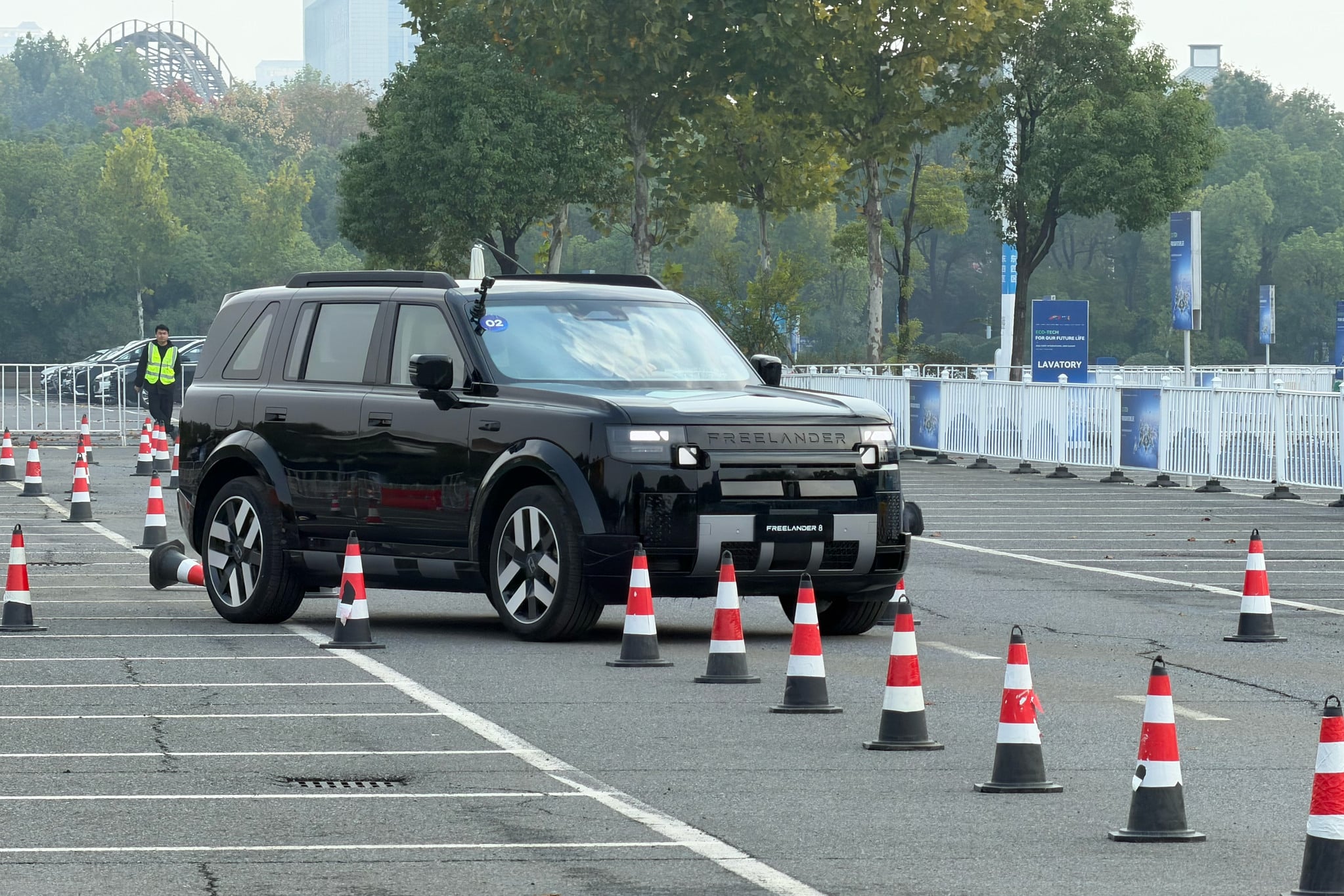
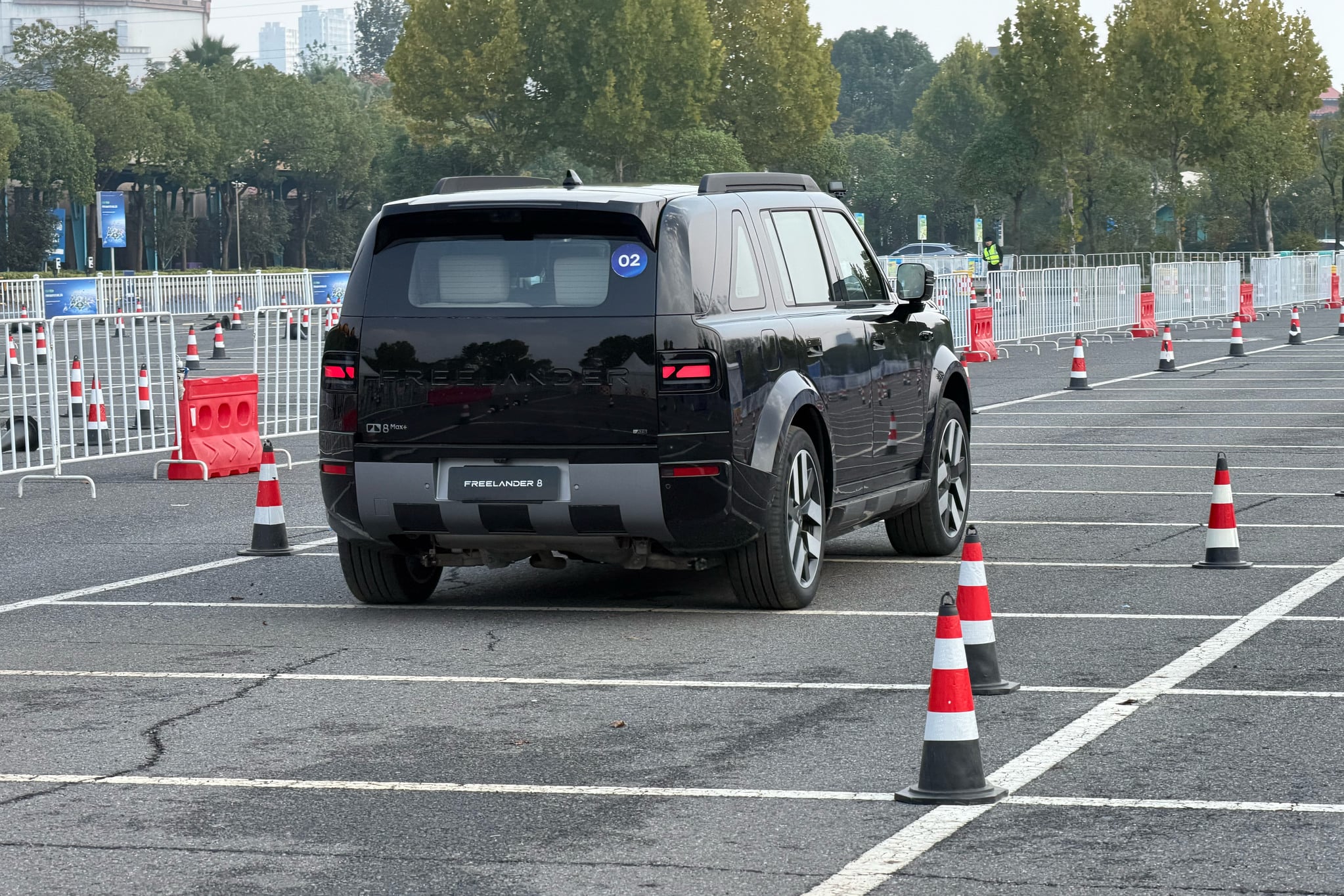
There’s no getting away from the size, though. At 5118mm long and 2050mm wide, this is a big car to thread through a tight course.
You sit high, but we still found it hard to judge where the front corners and wheels of the vehicle were. We didn’t hit a cone, but we’d want more time in it before feeling comfortable in tight spaces.
Push a little harder through the turns and you feel the weight. There’s body roll, as you’d expect, but it wasn’t unsettling.
The steering was well tuned for a car its size, and we really like the shape of the steering wheel. It looks quite small in that huge cabin, but its shape felt right to us.
Freelander has announced dual-chamber air suspension and continuously controlled damping. A carpark doesn’t tell us much about how it handles broken roads, and we didn’t test motorway refinement or off-road ability outside of driving up a giant ramp and wading through some water.
What do you get?
Australian equipment is still to be confirmed.
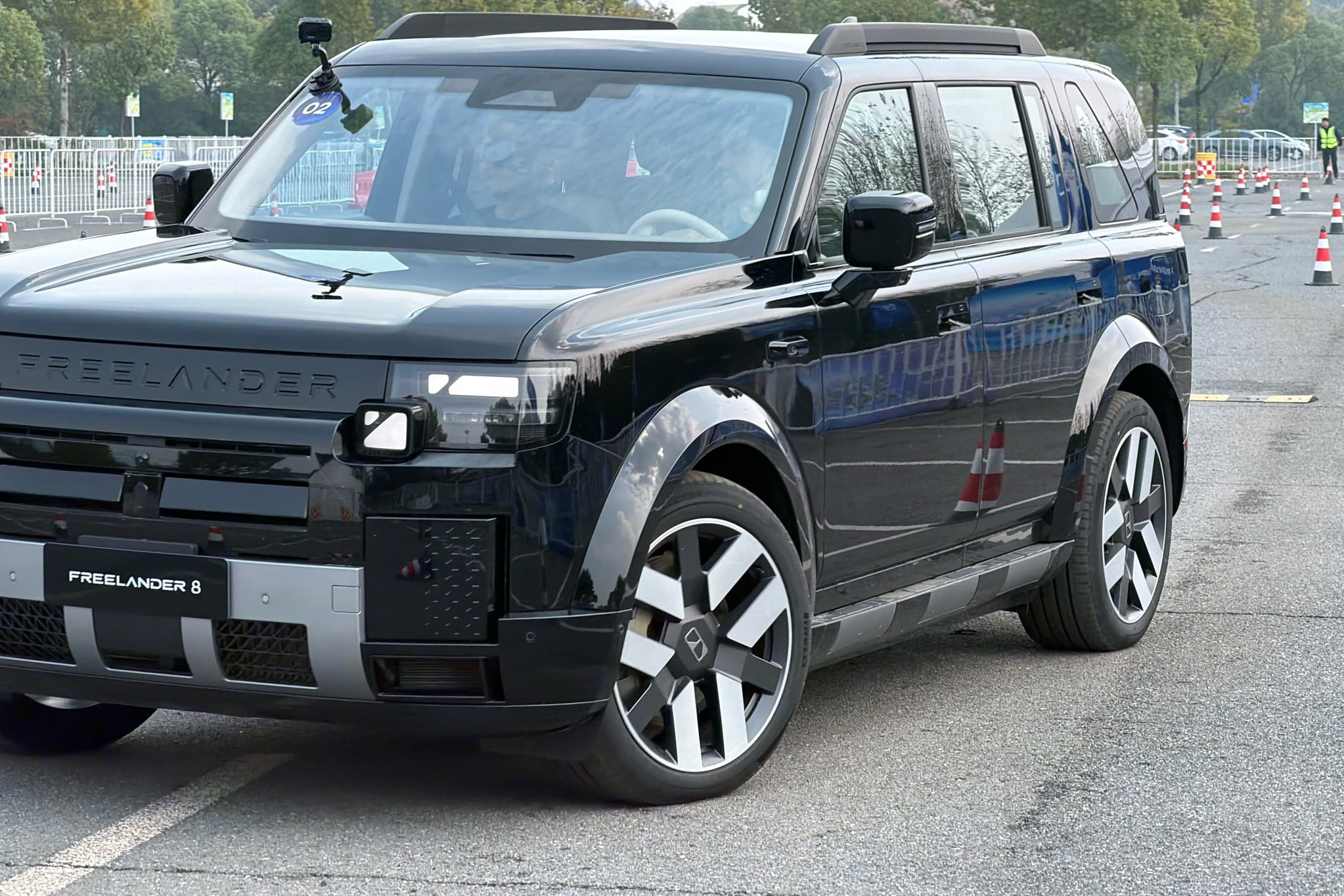
The international range offers the following equipment, depending on the market:
- 5- or 6-seat configurations
- Nappa leather seat upholstery and Ayous wood veneer
- Physical shortcut buttons and crystal-style rotary controls
- Available second-row reclining seats with leg rests and massage
- Optional 17.3-inch ceiling-mounted rear entertainment screen
- Optional Harman Kardon audio with up to 23 speakers
- Optional 10-litre refrigerator
Is the Freelander 8 safe?
The international model has been announced with more than 30 driver-assistance functions, including adaptive cruise control, lane-centring, autonomous emergency braking, blind-spot monitoring, and rear cross-traffic alert.
We don’t yet know the final Australian safety equipment, but we would expect the Freelander 8 to get a five-star safety rating when it’s tested.
How much does the Freelander 8 cost to run?
Australian warranty terms, service intervals and servicing prices haven’t been announced yet.
Freelander is targeting around 25 Australian dealers for its launch next year, with its own retail network and access to Chery’s parts and vehicle distribution infrastructure.
CarExpert’s Take on the Freelander 8
We came away liking the Freelander 8. It looks fantastic, the cabin feels good and it’s smooth and quiet, at least at low speeds.
We’d want the screen glare and speedo display layout sorted out, and we’d need more time to get used to placing that big front-end. It’s a very large car entering a relatively crowded segment, and its success is hugely dependent on its price position.
At under $90,000, we can see the 8 being an appealing buy. Beyond that price, we think Freelander would have a much harder job of convincing Aussies to take a chance on it.
Click the images for the full gallery.