

Chery is still working towards a one-tonne payload for its Stockman diesel plug-in hybrid (PHEV) ute, after preliminary specifications put its carrying capacity at 765kg.
Speaking to CarExpert and other Australian media in China, Stockman chief product manager Mark Qi was asked whether a version with the originally proposed one-tonne payload was coming.
“We know about that. Think about the diesel PHEV, the battery and the weight. The payload now isn’t as good; it is not one tonne. We are still doing work on the payload,” Mr Qi said.
Chery had confirmed a 1000kg payload in February, when it outlined plans for leaf-spring rear suspension in the diesel and a coil-sprung setup in the petrol PHEV.
However, model year 2027 specifications published this month list a 2735kg kerb weight and 3500kg gross vehicle mass (GVM) for the Stockman Ultimate, GVM being the maximum permitted weight of the fully loaded vehicle.
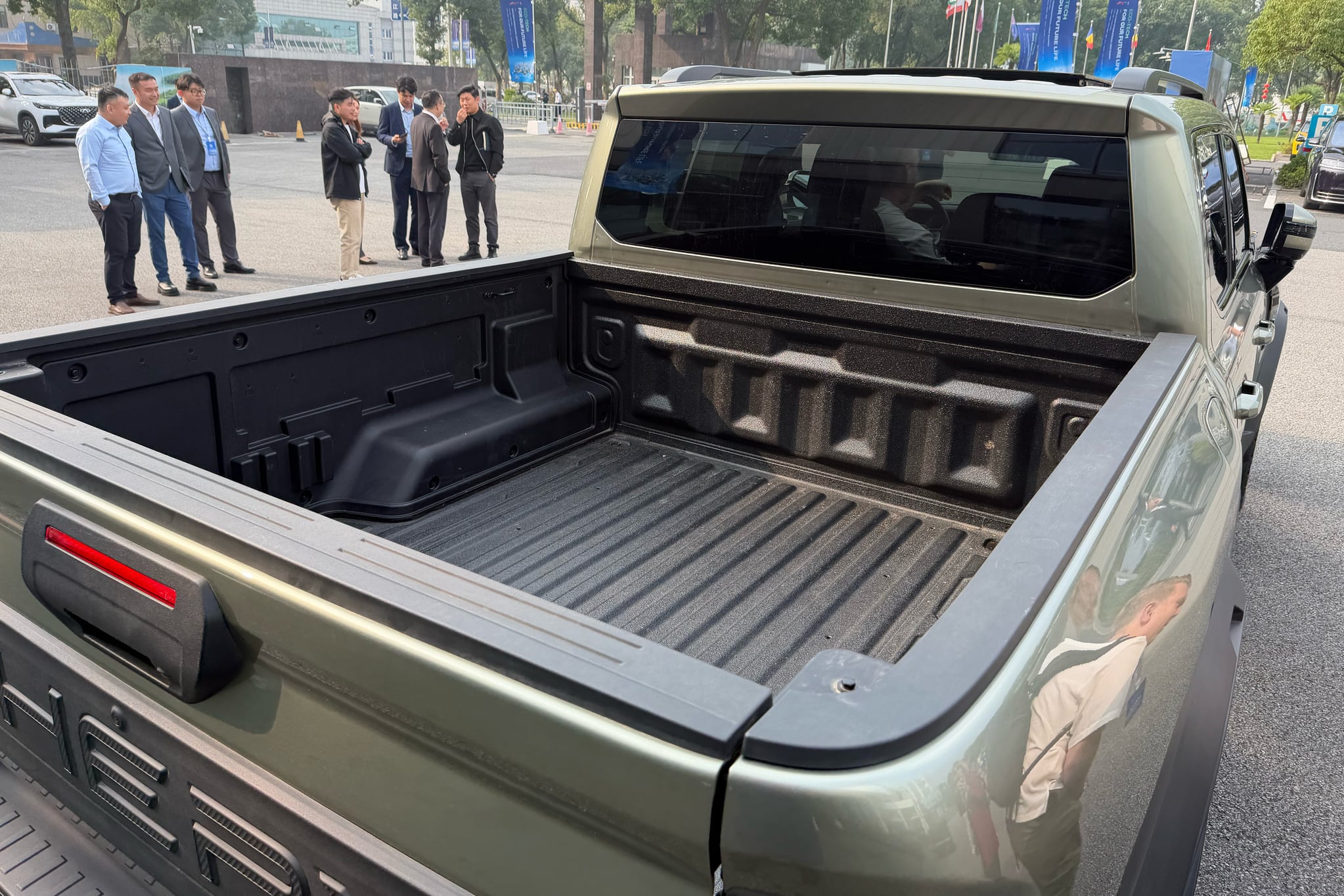
The payload, which can be calculated by subtracting the kerb weight from the GVM, is therefore 765kg, or 235kg less than the earlier figure.
Asked whether Chery could reach one tonne with the plug-in hybrid, Mr Qi said:
“Yes. We are still working with the Australian team on it. In China, payload is not as important, especially for this vehicle, which is not mainly for commercial use.”
He didn’t specify how Chery would raise the payload or commit to having a one-tonne version ready for the ute’s February 2027 Australian launch.
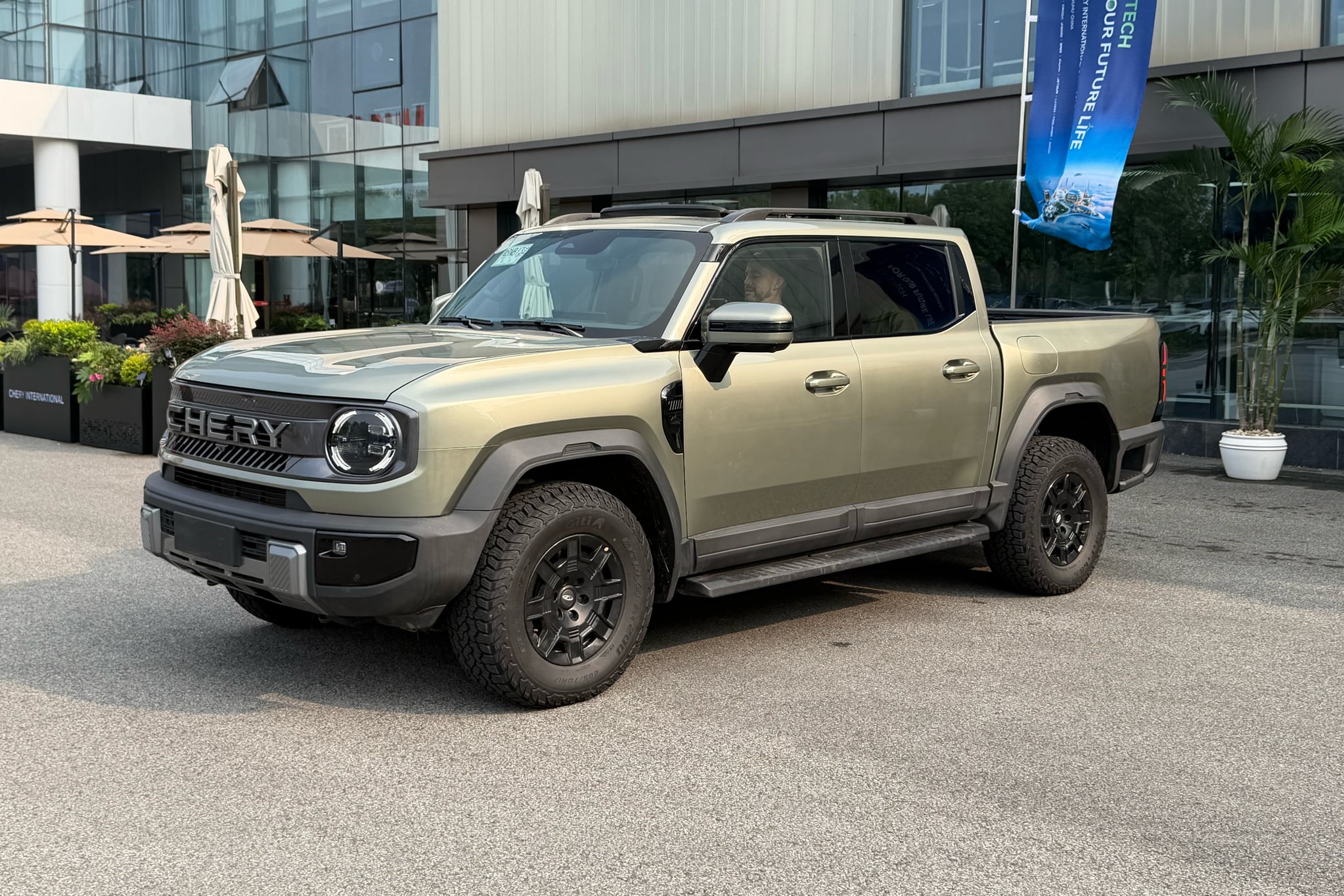
Payload covers the combined weight of occupants, cargo, added accessories, and towball download when towing. A canopy, bullbar, drawers, and recovery gear all reduce what is left for people and luggage.
Towing places another limit on how much the Stockman can carry. Its maximum braked towing capacity is 3495kg, 5kg down on most of its competition, with a 6500kg gross combination mass (GCM) for the loaded ute and trailer.
Using Chery’s current figures, towing a trailer with a total laden weight of 3495kg would leave 270kg for occupants, accessories, and cargo onboard the ute: 6500kg, less 2735kg for the vehicle and 3495kg for the trailer.
Towball download also counts towards the ute’s own payload and axle limits. It’s part of the trailer’s total weight, so it’s already included in that combination calculation.
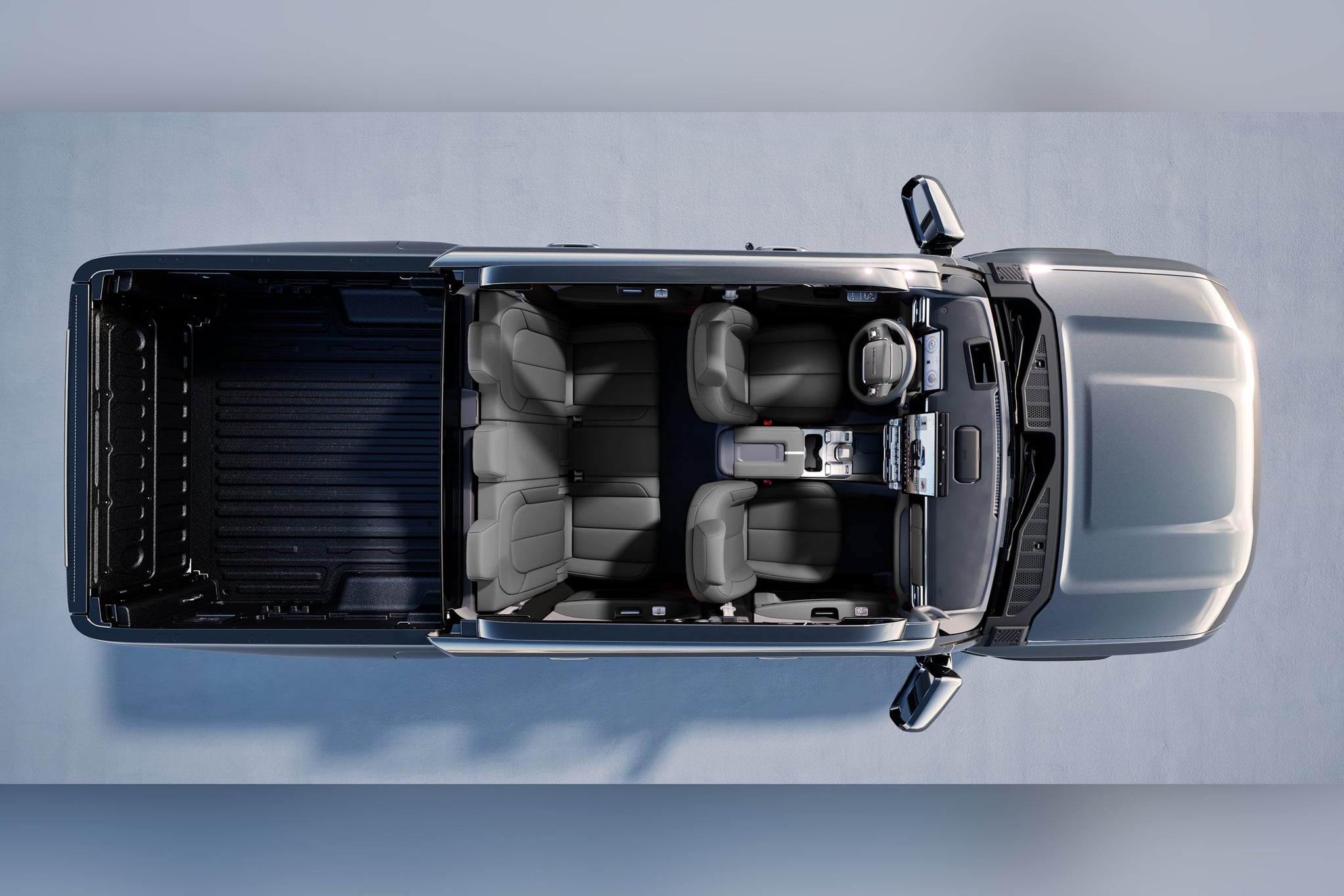
The Stockman’s preliminary payload exceeds the figures for the rival BYD Shark 6 Performance and GWM Cannon Alpha PHEV, but falls below the updated Ford Ranger Hybrid lineup.
|
Model |
Payload |
Brakedtowing capacity |
|---|---|---|
|
Ford Ranger Hybrid (MY26.5) |
901kg-1009kg |
3500kg |
|
Chery StockmanUltimate diesel PHEV* |
765kg |
3495kg |
|
BYD Shark 6Performance |
725kg |
3500kg |
|
GWM Cannon AlphaPHEV |
685kg |
3500kg |
*Stockman figures are preliminary. Ford’s payloads use minimum kerb weight and exclude the optional spare wheel, which adds 39kg. Chery lists a full-size spare as standard equipment.
Nissan is also targeting a 1000kg payload and 3500kg braked towing capacity for its Navara Pro PHEV, due in Australia in 2027.
Mr Qi also explained Chery is still working on the ute’s Australian suspension.
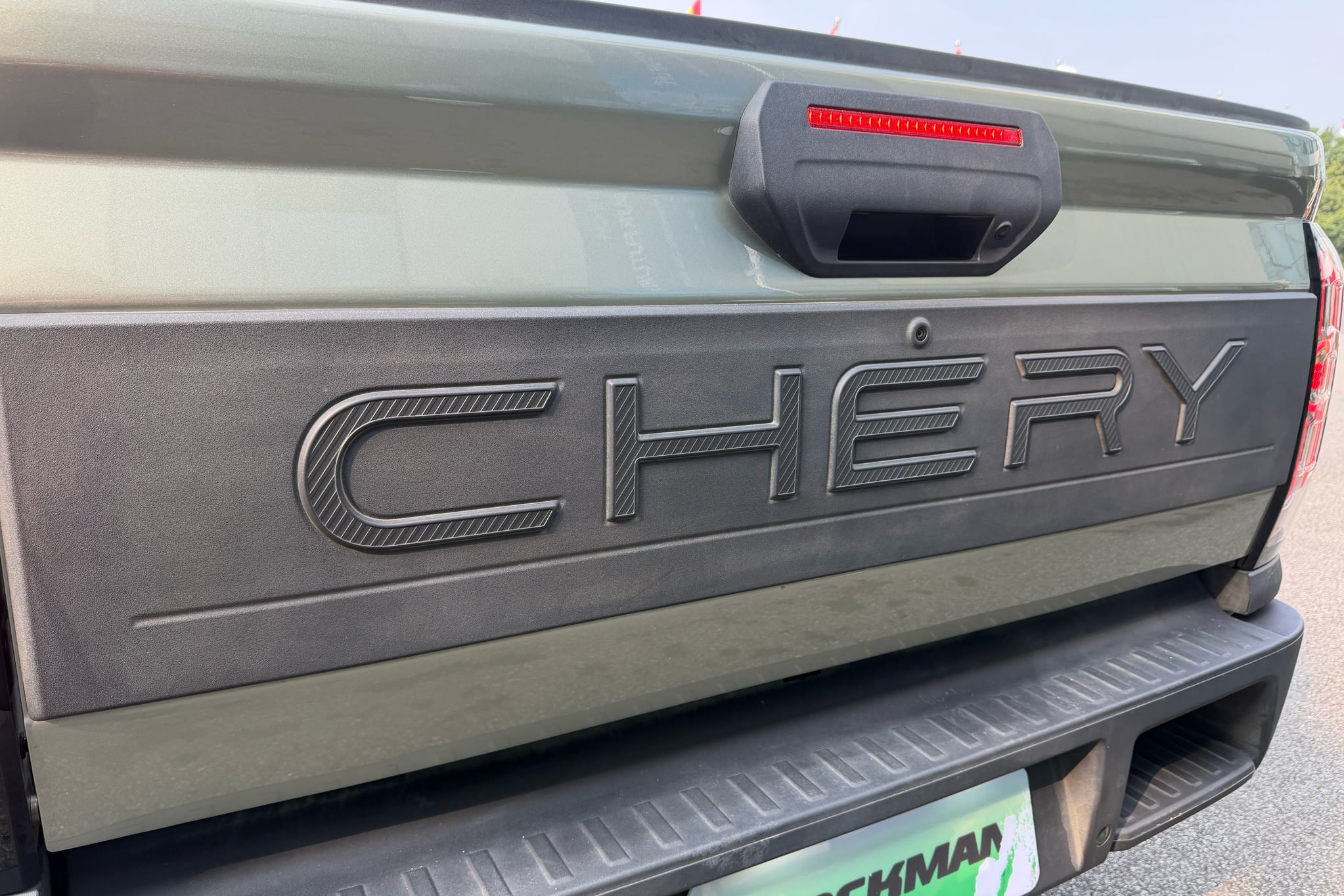
“With the diesel PHEV, the battery is at the rear, below the cargo box and above the frame,” he said.
“In China, people like multi-link suspension because it is more comfortable. For Australia, we have leaf springs, and we need to do more work on the leaf springs and shock absorbers.”
Chery has already engaged local engineering firm Premcar to test and validate the Stockman on Australian roads.
The Stockman will launch with a 2.5-litre turbo-diesel four-cylinder engine, a 34kWh battery, and total system outputs of 350kW of power and 800Nm of torque.
Australian deliveries are due from February 1, 2027, after Chery moved the arrival from the final quarter of 2026.
Australian pricing has yet to be announced.