

Gloss-black trim, often referred to as piano-black, has become a ubiquitous material in new cars today… and it’s also become a ubiquitous complaint in new-car reviews.
Nissan has said it’s listened to customers and is moving away from the material.
“[It’s] definitely consumer-driven,” said Ponz Pandikuthira, Nissan North America senior vice president and chief planning officer, to The Drive.
“It looks very premium when it’s perfectly shiny and new. But then all it takes is any real-world use and then the fingerprints and stuff like that, you know, just obsessively cleaning it or you just give up and it just looks terrible after some time.”
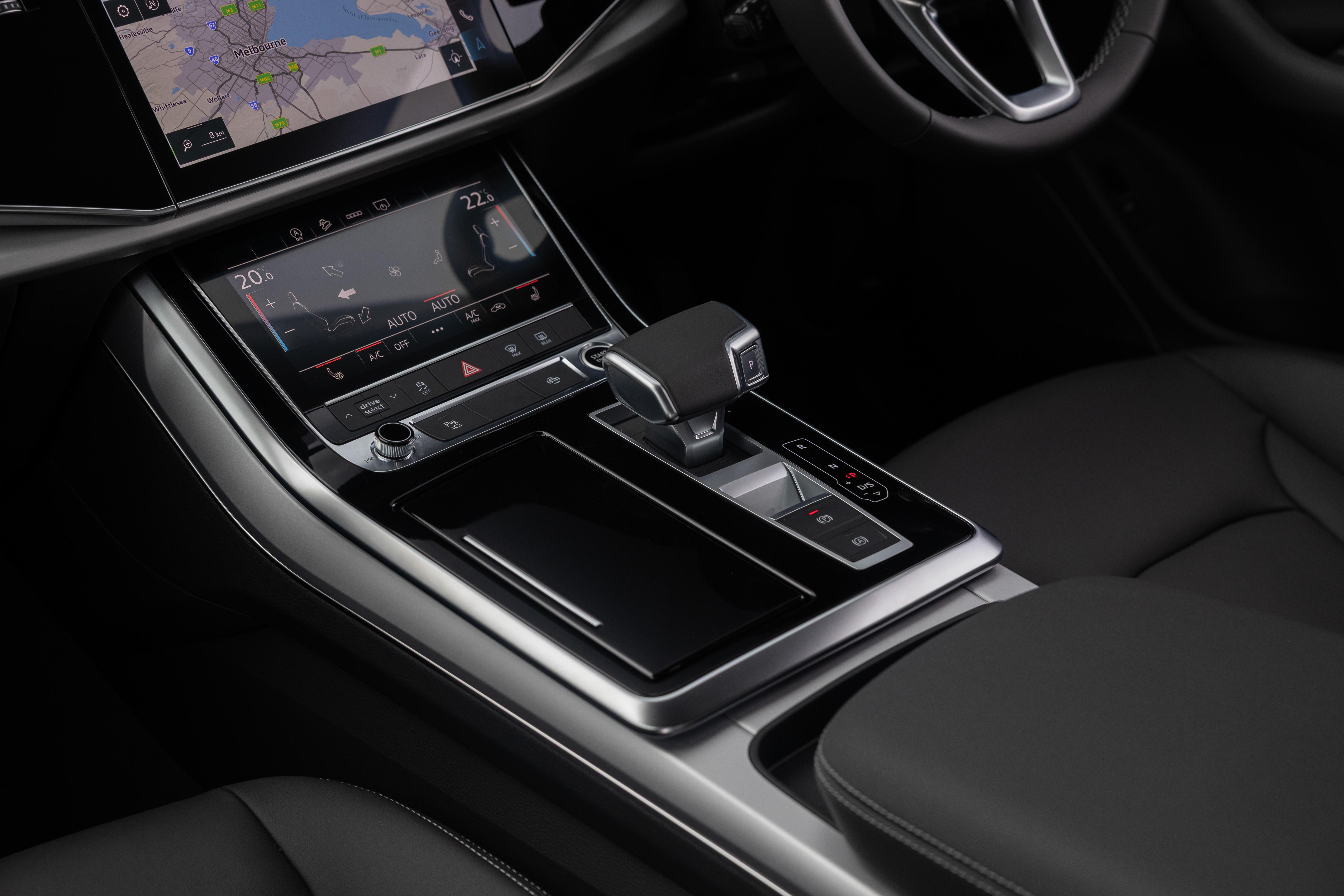
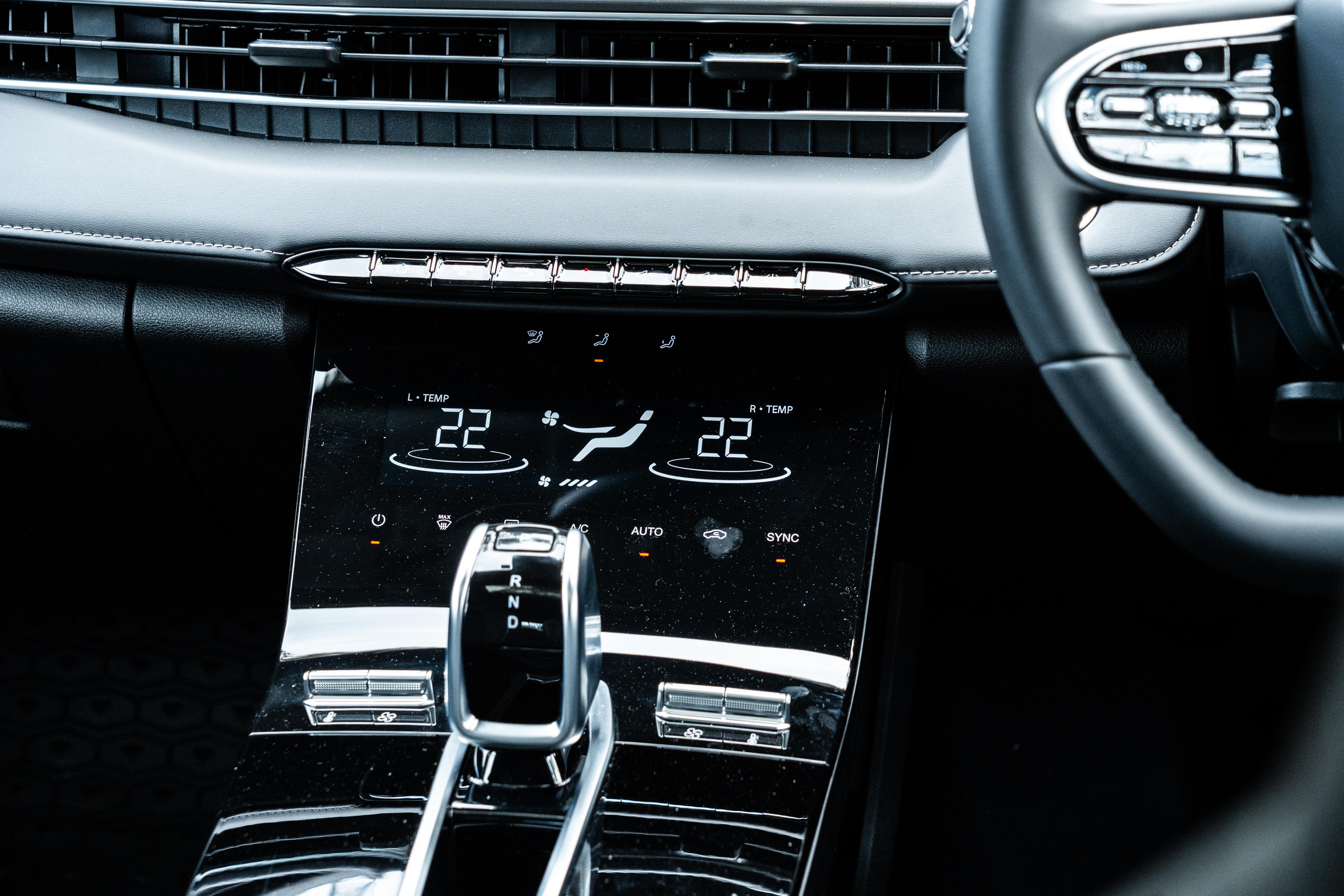
His remarks confirm what motoring journalists have been saying for years – that the trim immediately attracts fingerprint smudges and dust. Additionally, scratches can be more visible on this dark trim than on other materials.
It has become a ubiquitous material in everything from affordable Chery and Mitsubishi models through to luxury brands such as Audi and Mercedes-Benz.
Gloss-black trim can allow interior designers to more seamlessly integrate screens, which have increased in size and number in modern car interiors. It’s also used not only as an inlay to replace woodgrain or metallic trim, but also as a surround on centre stacks and consoles, replacing the grey or silver plastic that was once so common.
Land Rover is often credited with popularising piano-black trim, starting with its special-edition Range Rover Linley in 1999 – though this used actual piano-black wood veneer, not just black plastic.
By the following decade, Land Rover was making this trim more widely available, and by the 2010s it had well and truly become popular among the wider automotive industry.
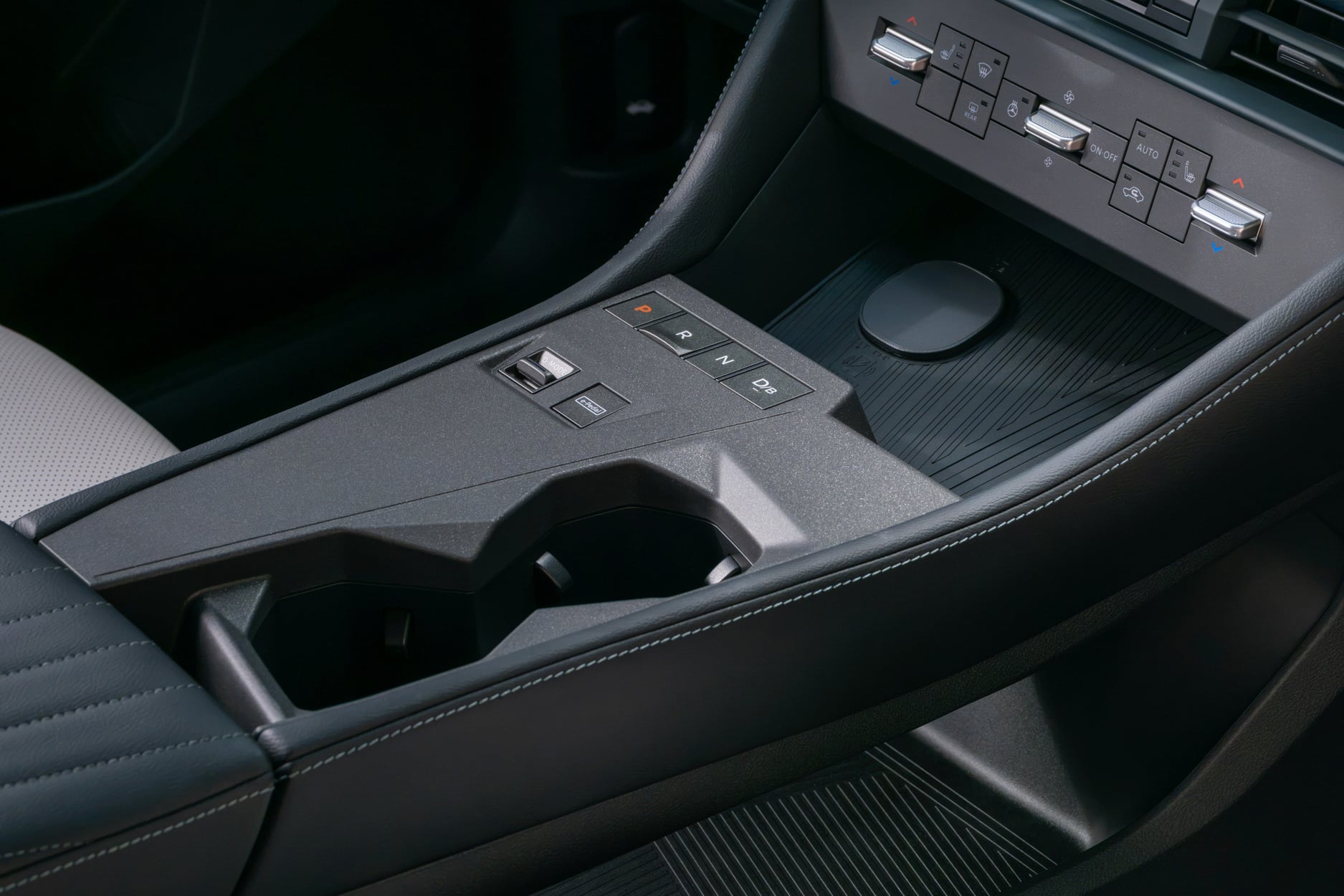
Nissan’s recently revealed 2027 Rogue, which previews the upcoming next-generation X-Trail, features a speckled grey plastic trim on its centre stack and console.
The company hasn’t just moved away from gloss-black interior trim, with Mr Pandikuthira also confirming the company is ditching bright-chrome exterior trim.
“Chrome on the outside, it made a big resurgence when we started started coating plastic with chrome, and it just got a bit over the top, where it missed that sophistication element,” he said.
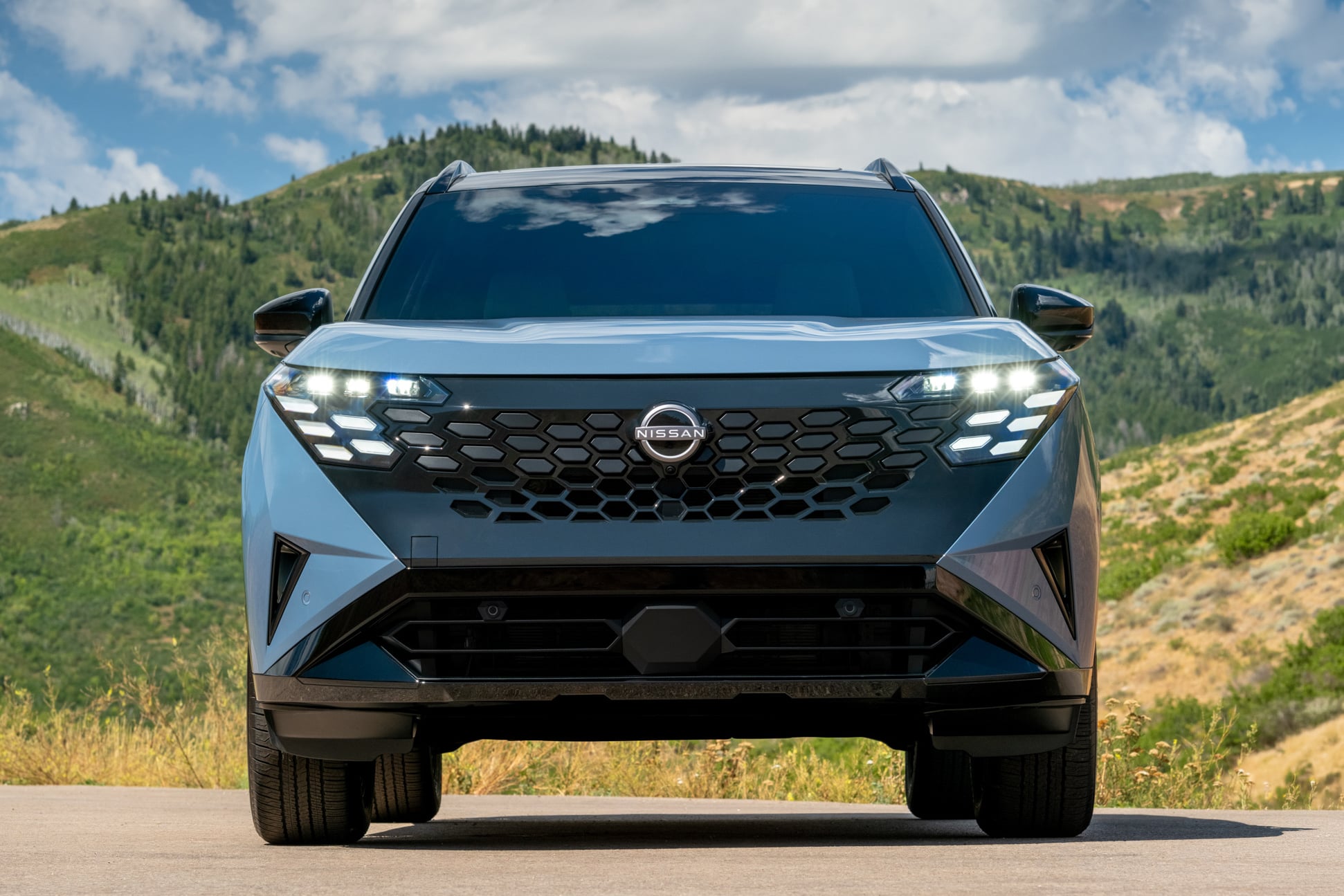
“And so there’s lots of things that we can do with dark chrome, and subtle paint treatments. We’re actually looking at even wrap-style treatments that we do out of the production facility in the future that give much more subtle design cues than overt in-your-face, big chrome grilles, big chrome elements on the wheel.
“So I think the underlying design message [is] there would be subtlety over in-your-face.”
Nissan has already been moving away from grilles outlined with chunky chrome trim, with the latest Patrol for example moving to thin strips of brightwork across the top of its grille; the Qashqai also moved to an unusual patterned grille with its latest facelift, a theme with which the new Rogue (and likely its upcoming X-Trail twin) continues.
MORE: Death to piano black trim!MORE: Explore the Nissan showroom
