

Isuzu Ute Australia (IUA) says it intends to avoid passing on price increases to customers as a result of potential penalties under the Australian Government’s new emissions regulations, but it won’t rule them out.
The New Vehicle Efficiency Standard (NVES), which came into force last year, sets mass-adjusted emissions targets for vehicles, with automakers facing penalties for excess CO2 emissions of up to $100 per gram per kilometre.
For 2026, the limit for passenger cars is 117g/km of CO2, with light commercial vehicles and heavy-duty SUVs – ie: almost everything IUA currently sells – subject to a more lenient 180g/km limit. These limits will get progressively tighter each year until 2029.
Despite offering only diesel-powered vehicles, IUA avoided joining the list of automakers that recorded an emissions liability in the first round of NVES results, released in February 2026.
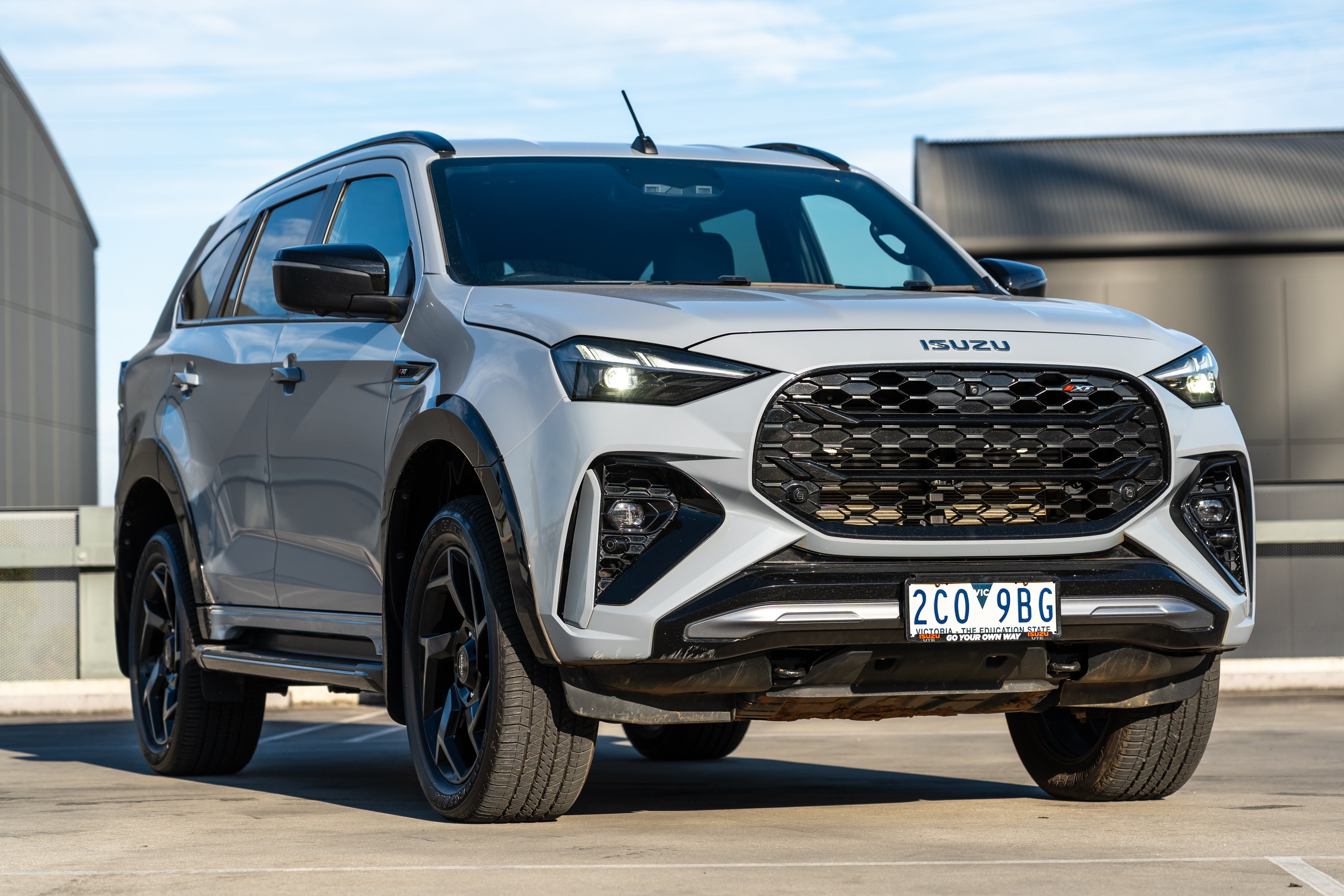
However, it’s unclear how long this will last, particularly given IUA has cancelled plans to bring the D-Max EV here in light of projected weak demand.
Without zero- or lower-emissions vehicles to offset the higher-emissions models in its lineup, IUA will have to either absorb any potential penalties, pass them on to customers, or purchase credits from other auto brands to shore up its position under the NVES.
“I know some manufacturers have said ‘we’re not buying from another manufacturer’ but that’s not us, we’re about our customers,” Rod Caldwell, IUA executive general manager for the managing director and internal audit office, told CarExpert.
“Everything we do in this whole NVES journey is about, ‘we’re not going to do it for the sake of the NVES now, not everything is about NVES’.”
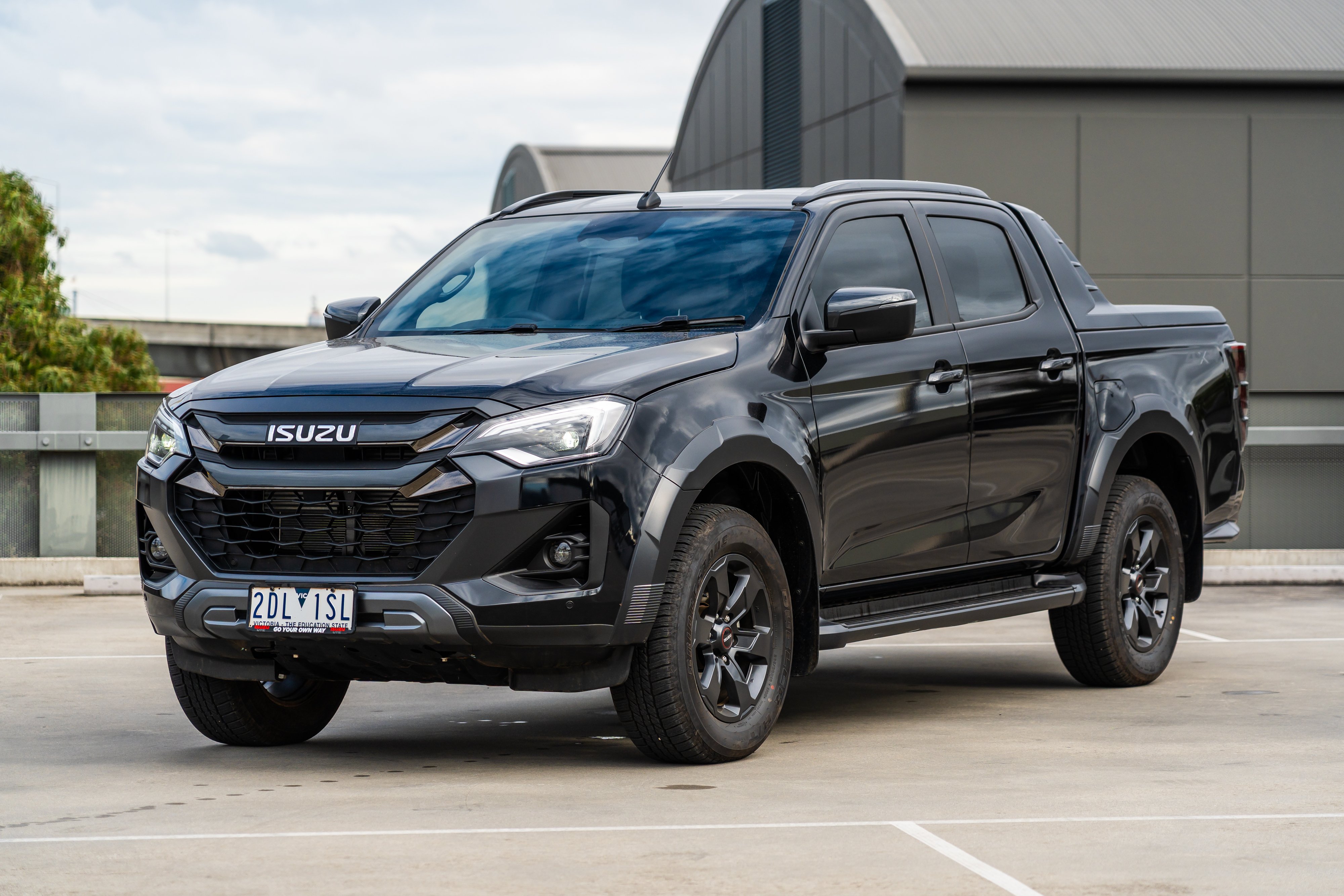
However, Mr Caldwell conceded “we did drop manual vehicles as part of that journey because they don’t get the same credits as an auto does”.
“4×2 got reduced, we’ll look at that in the future, we’ll continue to look at that,” he added. The range of MU-X 4×2 variants was cut back to a single grade for model year 2025.5 (MY25.5), as 4×2 off-road SUVs fall under the same category as passenger cars and crossover SUVs, and therefore have a more stringent emissions target.
“But at the end of the day, we just want to minimise the impact to the customer, what the rules are forcing us to do… The customers still want these cars. We want to reduce the impact on the customer,” said Mr Caldwell.
He conceded there’s a possibility IUA could choose to pass on financial penalties to customers in the form of price increases on its vehicles.
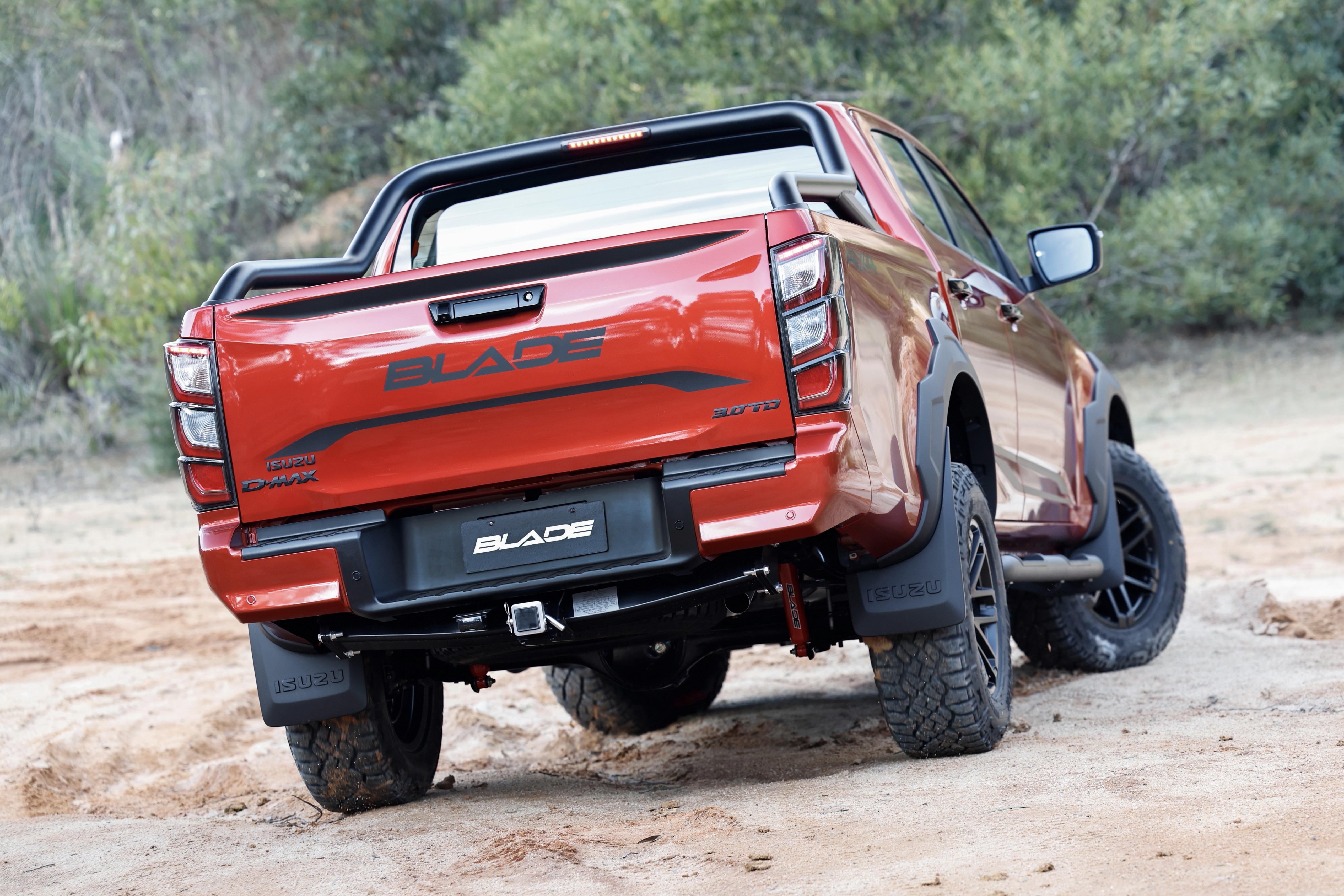
“We can’t guarantee there won’t be some impact on price re: the customers,” he said.
For brands that have an emissions liability above zero in 2026, they’ll need to trade units with another company by December 31, 2028 or risk a penalty in February 2029 of $50 multiplied by their final emissions value.
Alternatively, if they perform better in subsequent years, they can use any generated credits to “extinguish” their liabilities under the scheme.
A total of 40 ‘regulated entities’ – car manufacturers, suppliers or importers – beat their 2025 CO2 target, and 19 didn’t. Mazda recorded the largest liability, but it has subsequently introduced an electric vehicle (EV), with another to follow before the end of this year, which should help shore up its performance under the NVES.
MORE: Almost 20 auto brands missed CO2 targets in Australian Government’s first NVES resultsMORE: Explore the Isuzu showroom
