

The facelifted BMW 3 Series has been unveiled overnight with a completely new look, and production will commence in Bavaria imminently ahead of first Australian deliveries in 2027.
While the 2027 BMW 3 Series may look like an all-new mid-size luxury sedan that brandishes design cues from the new i3 electric sedan, the ‘new’ 3er is actually an evolution of the current model based on the German automaker’s Cluster Architecture (CLAR) platform.
Measuring 4675mm long and 1850mm wide on a 2860mm wheelbase, the ‘G50’ 3 Series is marginally larger in every dimension compared to its G20-generation predecessor, and launches with an exclusively petrol-powered engine range, all utilising 48V mild-hybrid technology.
Leading the charge is the new M350 xDrive, the performance halo of the core 3 Series range until the new-generation M3 sports sedan is launched. Powered by a 3.0-litre turbocharged petrol inline six with 48V assistance, the M350 xDrive outputs 326kW of power and 580Nm of torque, and can dash from 0-100km/h in a claimed 4.1 seconds.
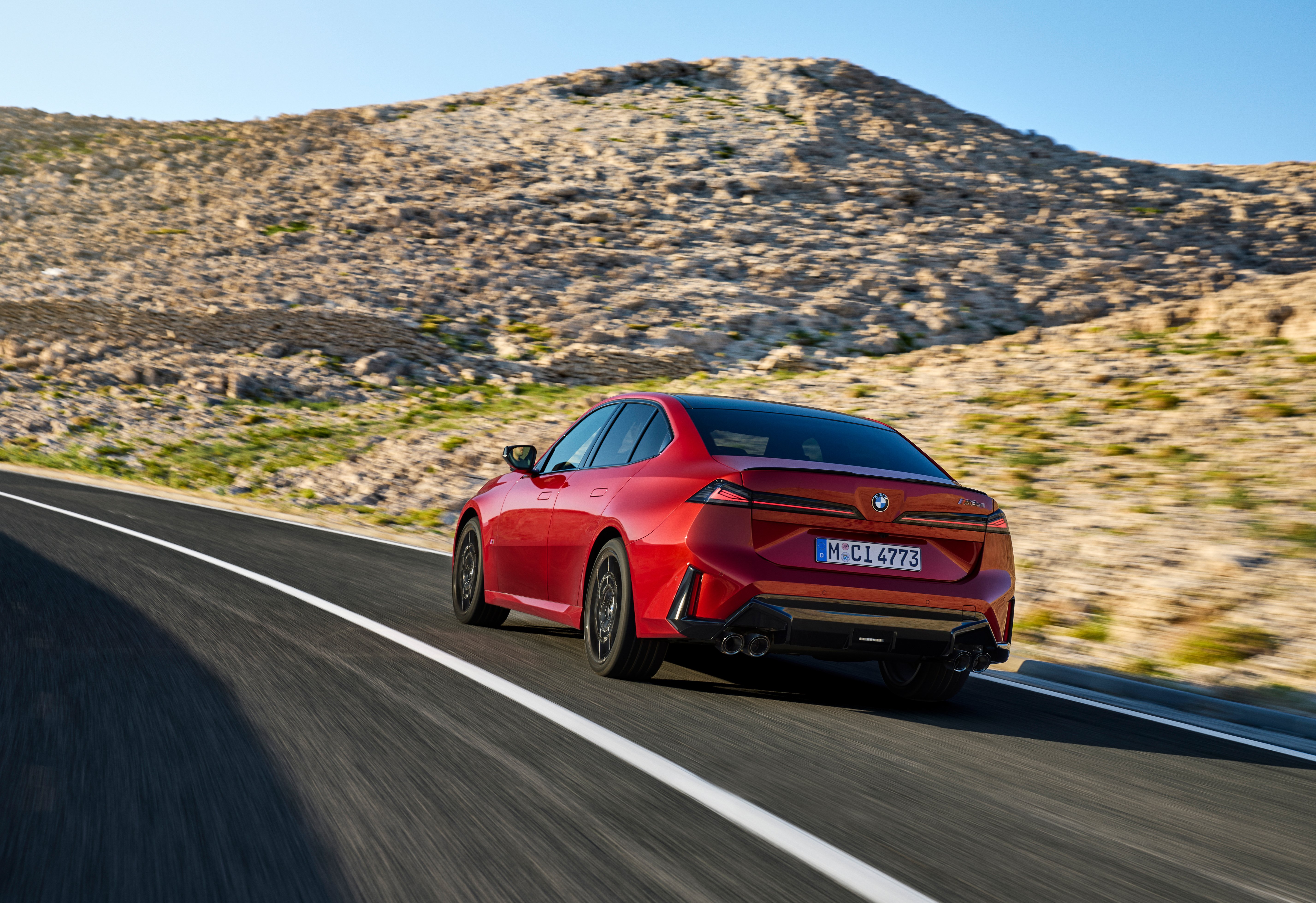
The M350 sends that grunt to the tarmac via BMW’s xDrive all-wheel drive system via an eight-speed ‘Steptronic’ automatic transmission. Top speed is electronically limited to 250km/h. BMW has confirmed a Drift Moment function allowing the vehicle to send power to the rear wheels only, a feature previously reserved for BMW M models.
WLTP fuel and emissions figures for the M350 xDrive are 8.2-7.5L/100km and 187-171g/km on the combined cycle, depending on specification.
Joining the M350 at launch – in Europe at least – will be the 318 and 320, each powered by a 2.0-litre four-cylinder turbo-petrol engine with 48V mild-hybrid assistance, in two different states of tune.
The 318 makes 115kW/250Nm and drives the rear wheels again via an eight-speed automatic, with 0-100km/h taking a claimed 9.5 seconds. The 320 ups outputs to 155kW/330Nm, and drops the acceleration claim to 7.4 seconds.
BMW says a plug-in hybrid (PHEV) version will be added to the lineup “over the coming year”.
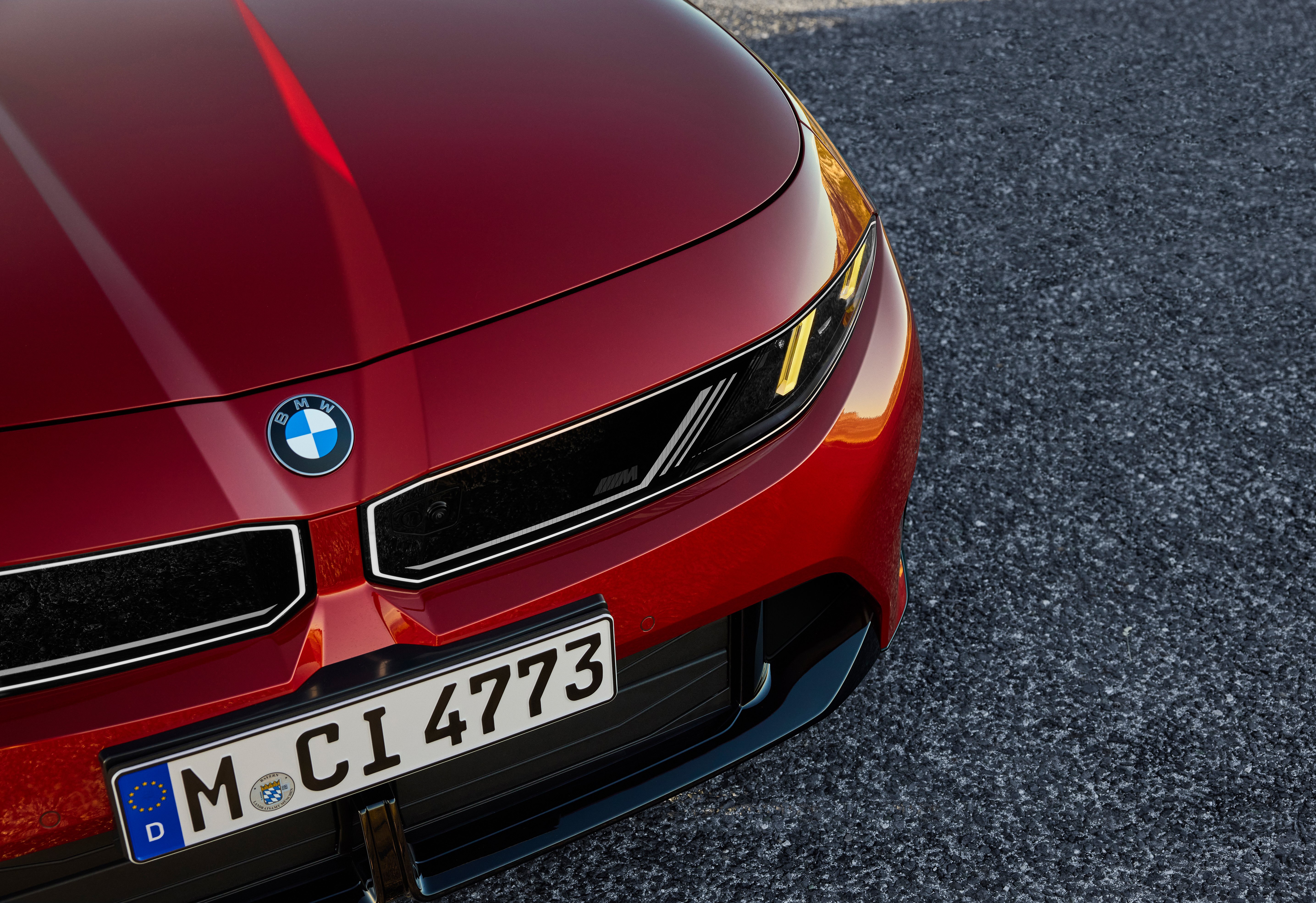
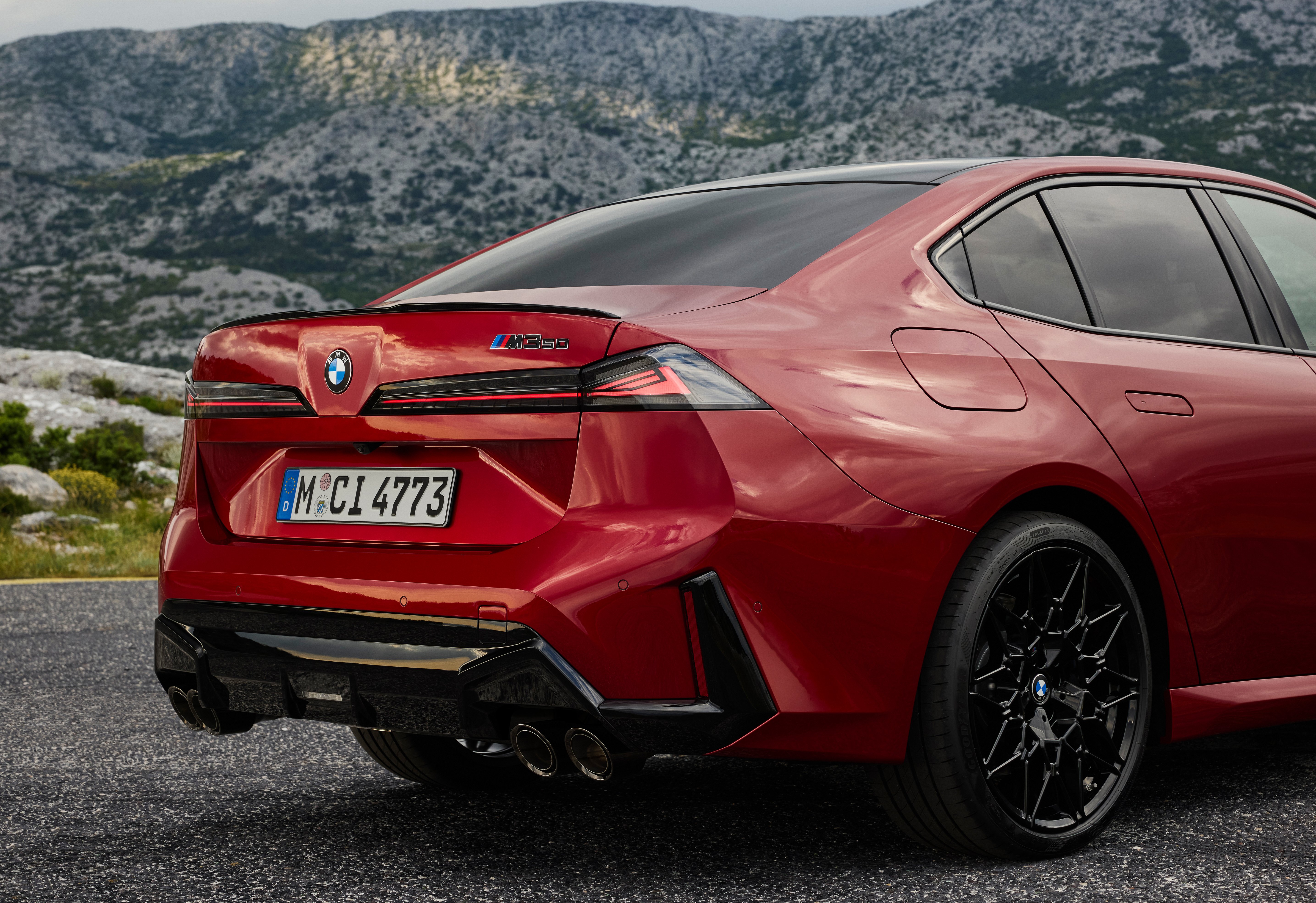
Perhaps more noteworthy is the design inside and out. Externally, the new 3 Series looks very much like the all-electric i3, which is based on BMW’s Neue Klasse dedicated EV architecture.
It’s a pretty wholesale change from the G20 3 Series, which was first revealed in 2019. The concept-like design mirrors the Neue Klasse-based i3 sedan and related iX3 mid-size electric SUV, as well as the facelifted X5 large SUV, which is likewise based on the 3er’s CLAR platform.
A slim take on BMW’s kidney grille feeds into the twin headlight clusters, merging into a full-width design cue. The M Performance version offers M Yellow Lights too, adopted from the brand’s motorsport ventures.
The rear-end sees a similar integration of the i3’s design language, with an upright fascia featuring slim LED tail-light units that bleed into the rear quarter panels.
It’s worth noting the platform differences between the 3 Series and i3 have also translated to dimensional differences – the G50 3 Series is 5mm longer and 15mm slimmer overall, and 37mm shorter in the wheelbase than its electric sibling.
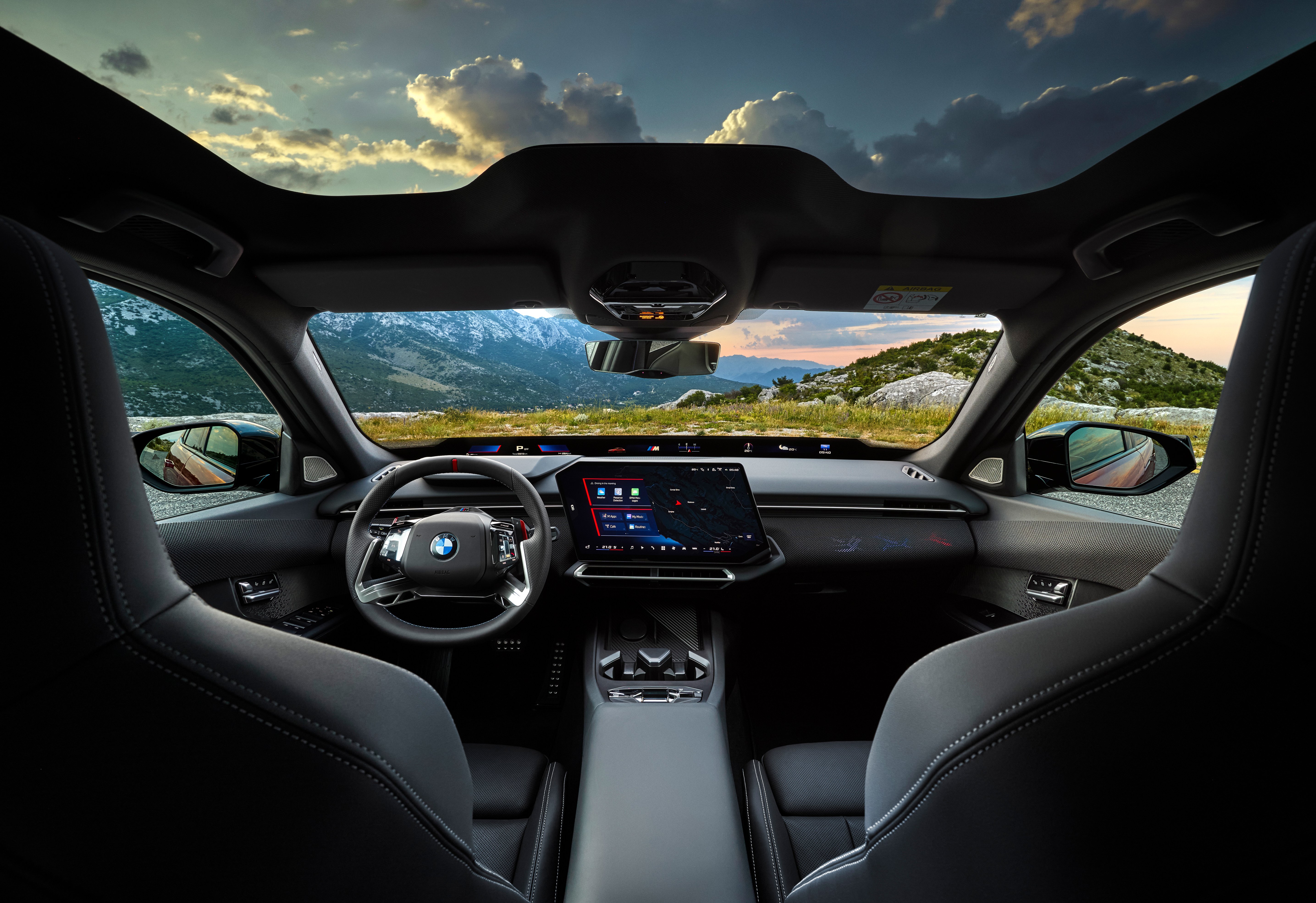
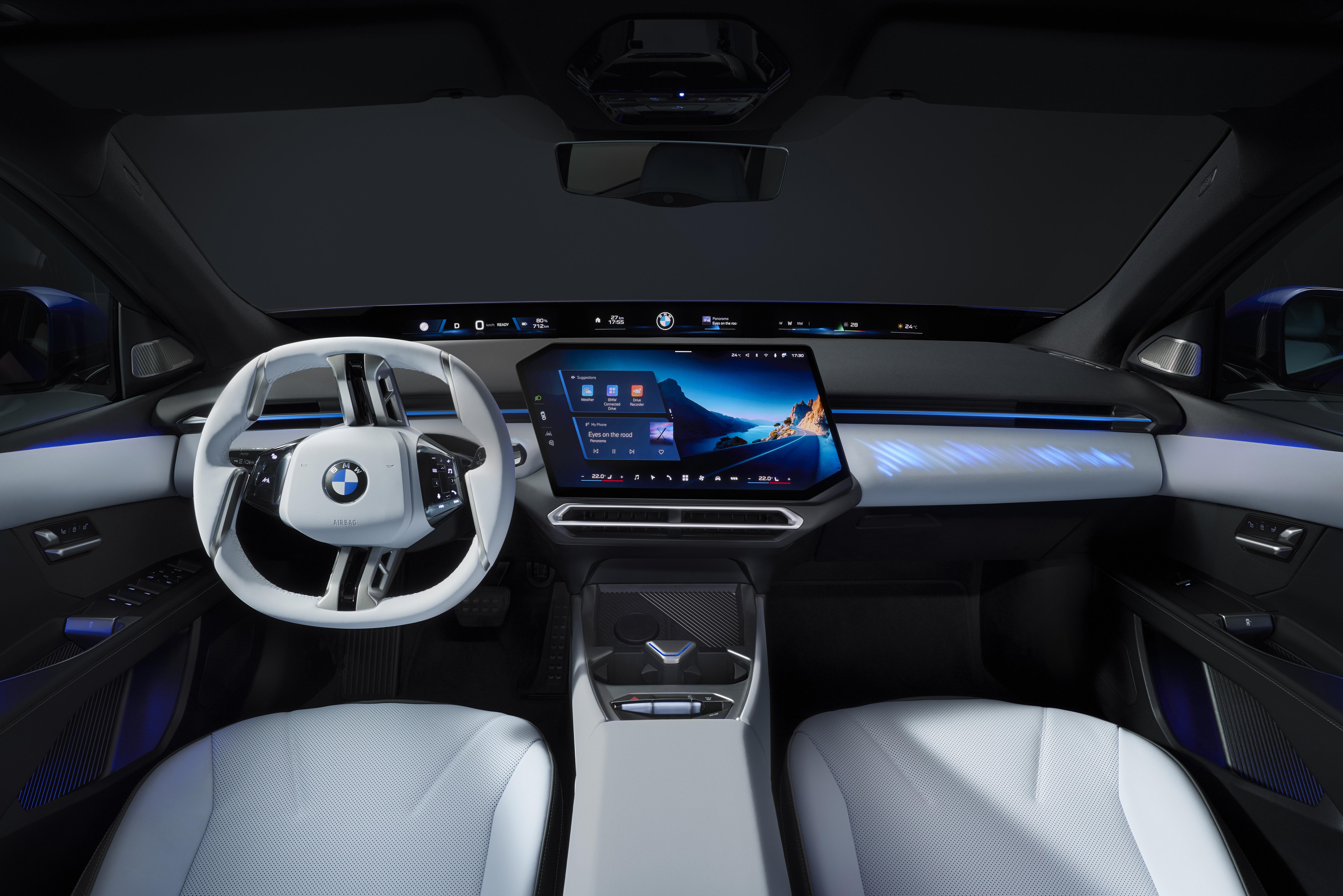
The interior also takes on the Neue Klasse design language, debuting numerous new technologies and elements for the combustion-powered 3 Series line.
As you’d expect, an array of seats, upholsteries, trim finishers and colourway options will be available.
From the new-age steering wheel designs, to the futuristic BMW 3D head-up display and 17.9-inch central touchscreen, the latest 3 Series has very much been designed to align BMW’s mid-size combustion and electric offerings.
BMW Operating System X powers the BMW Panoramic iDrive experience, shared with the Bavarian marque’s latest models. The software architecture is based on the Android Open Source Project (AOSP), which is said to allow “excellent update and upgrade capabilities”.
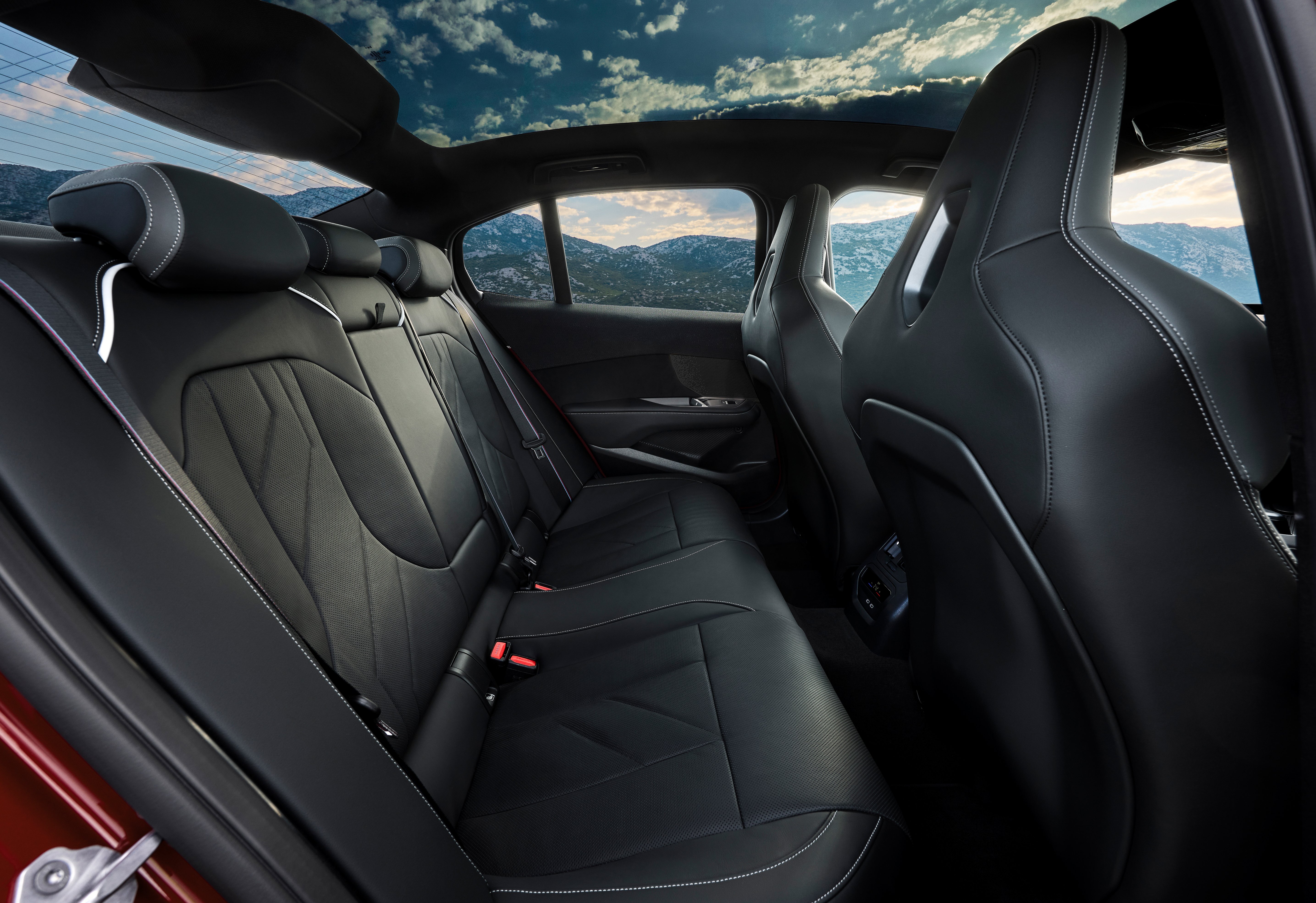
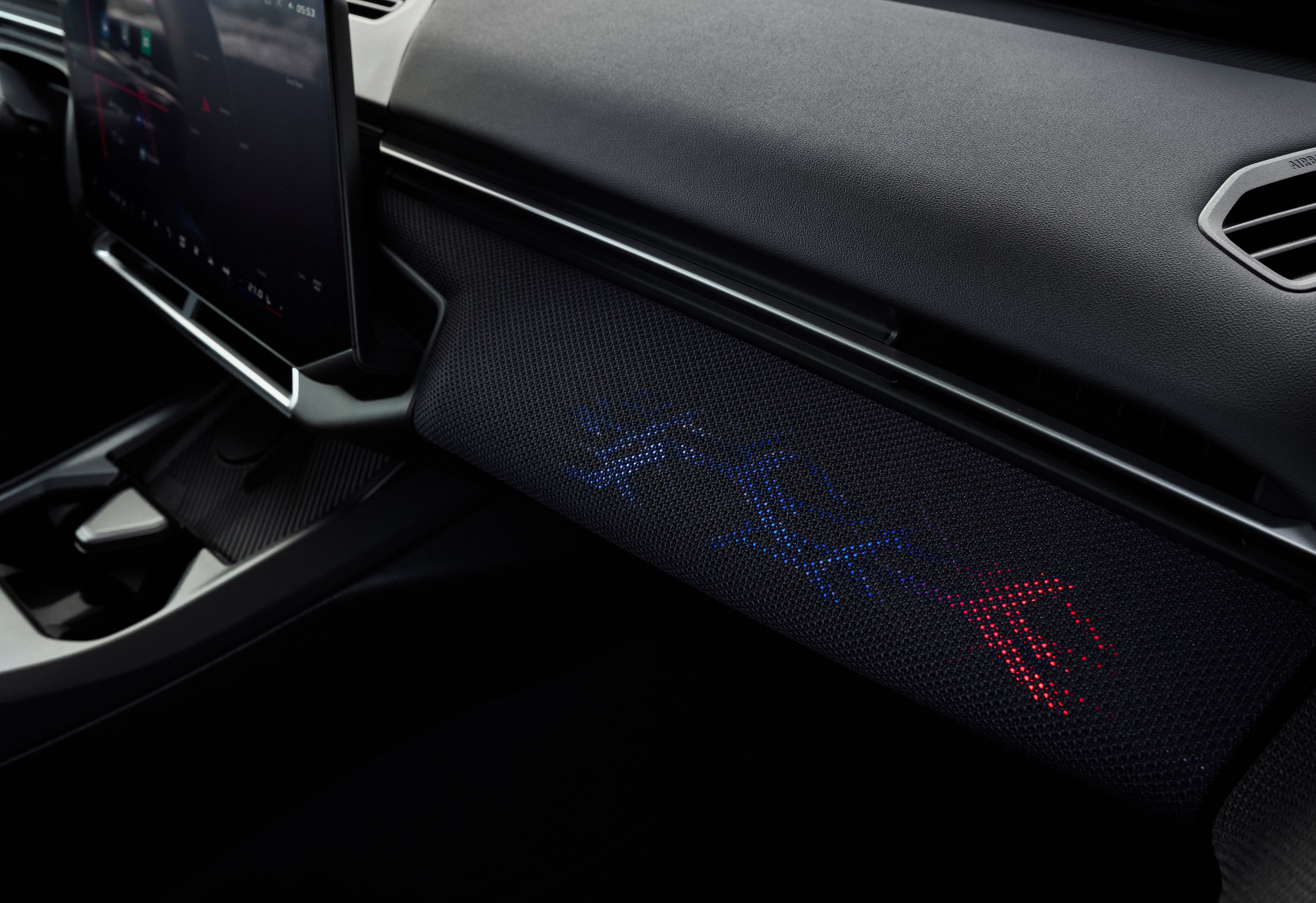
In more specific terms, the new software allows for more functions and services to be added to the connected infotainment system over time.
The BMW Intelligent Personal Assistant features Amazon Alexa+ AI integration for enhanced functionality, as well as more conversational and dialogue-based interaction.
AI integration extends to the suite of driver-assistance systems, including Level 2 autonomous driving capability that allows supervised hands-free driving at up to 130km/h in 21 selected countries (where legislation allows) in the form of Motorway Assistant.
From 2027, the featureset will be enhanced to also offer “navigation-guided, partially automated driving in urban areas”, according to BMW.
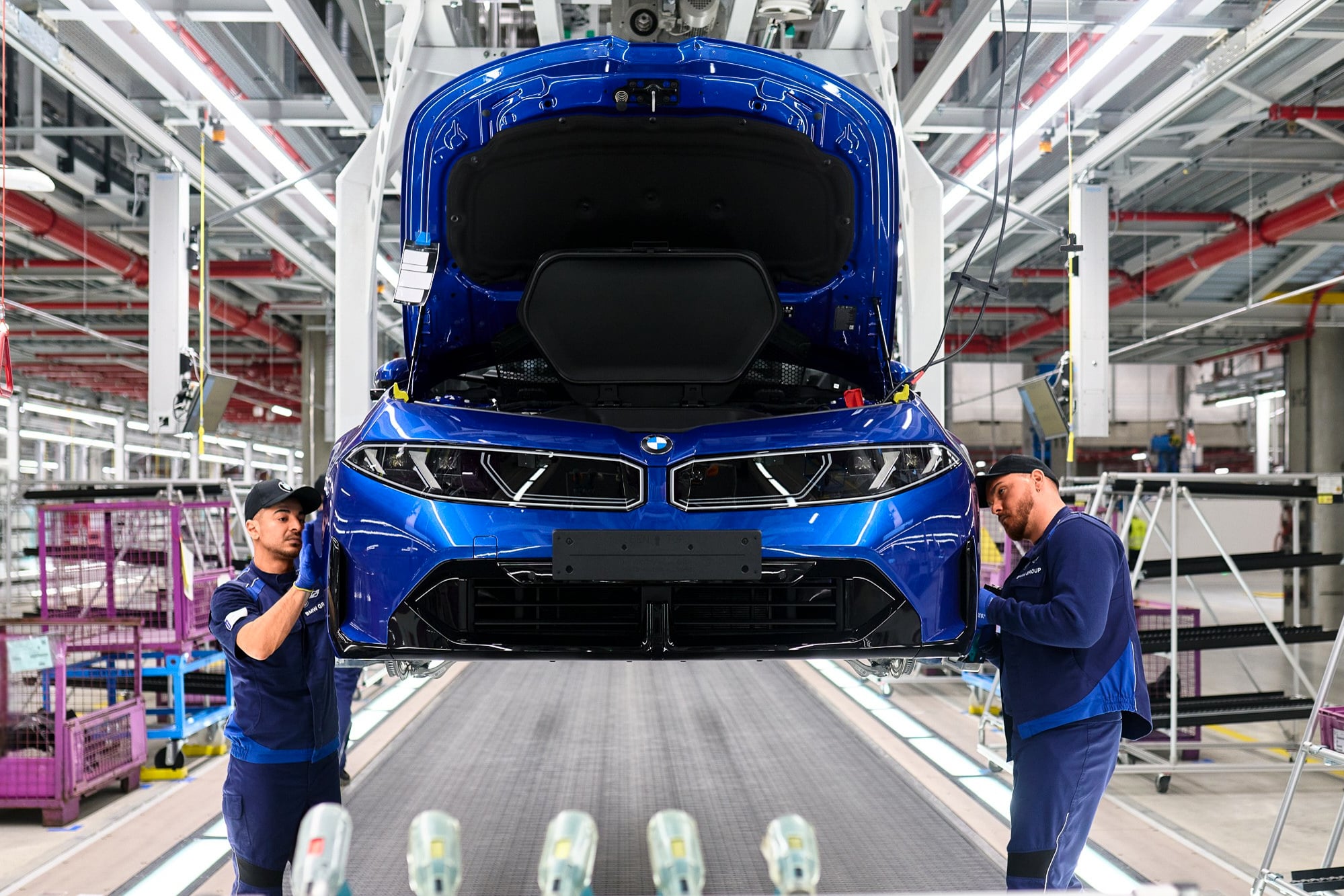
Production of the G50 BMW 3 Series is due to commence this year at Plant Dingolfing in Lower Bavaria, northeast of Munich – the BMW Group’s largest European manufacturing facility – supported by components supplied by Group Plant Steyr in Austria.
The BMW i3 is being produced at Group Plant Munich, the German brand’s home factory, and where the first-ever BMW 3 Series rolled off the assembly line in 1975.
BMW has also confirmed high-voltage batteries for the electrified 3 Series range will be supplied by the company’s new Irlbach-Straßkirchen plant in Bavaria.
CarExpert has reached out to BMW Australia for local release timing and specifications for the upgraded 3 Series range, and we expect an update later today – stay tuned for all the latest.
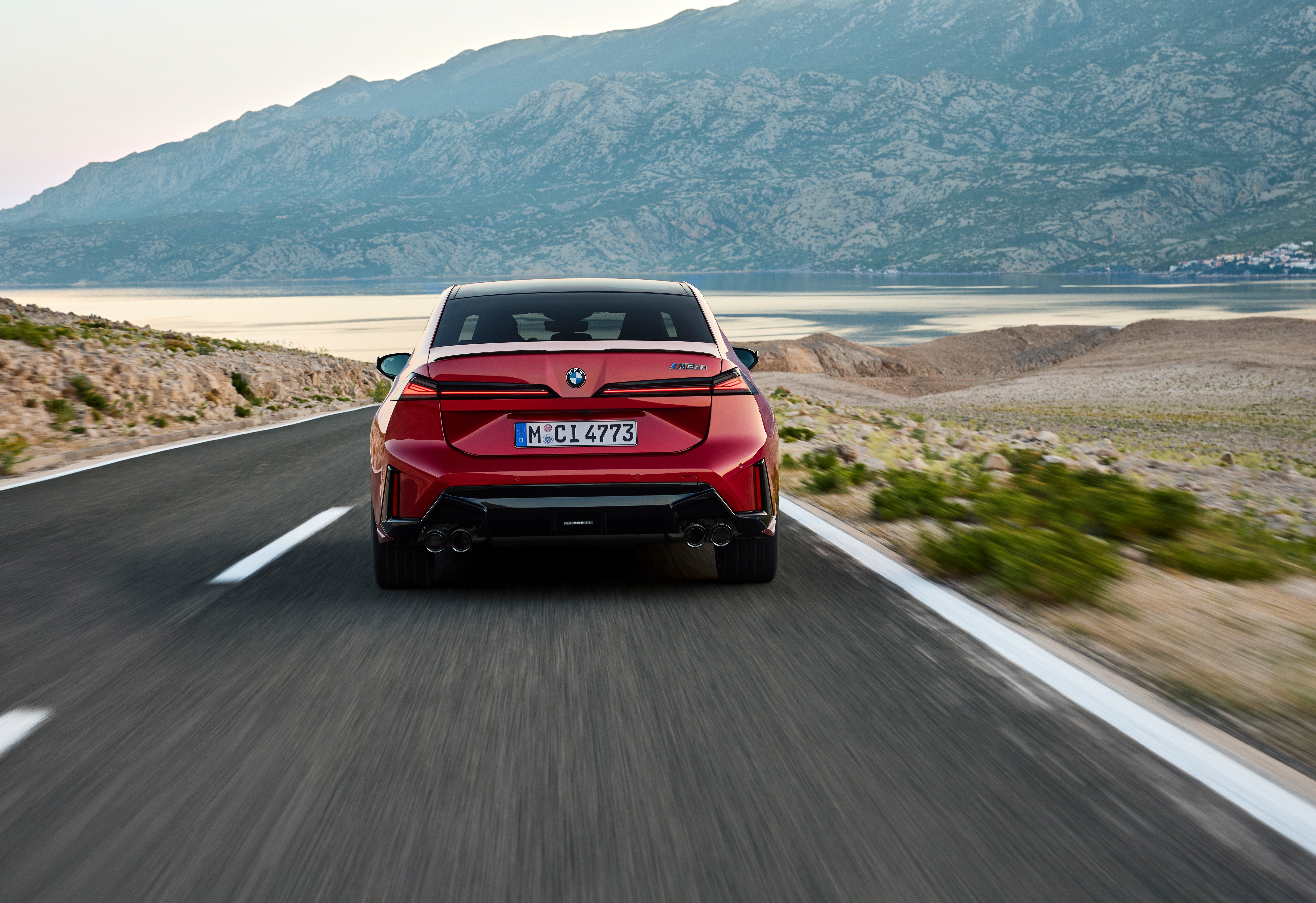
Click the images for the full gallery
