

The Electric Vehicle Council (EVC) says Australian new-vehicle buyers aren’t put off by cybersecurity concerns surrounding connected vehicles, and that electric cars have been unfairly targeted by recent reporting on the matter, which has led to calls for government action on in-car security and hacking vulnerabilities.
A recent TV report by current affairs program Four Corners, aired on the Australian Broadcasting Corporation (ABC) on September 21, raised concerns regarding connected cars (ie: those connected to the internet) being ‘hacked’, allowing remote access to certain vehicle functions.
Vehicle hacking pre-dates the recent rise in EVs and connected cars, with researchers from the University of Washington and UC San Diego in the US having demonstrated vehicle security vulnerabilities as far back as 2010.
Yet EVs and ‘software-defined vehicles’ are typically connected to the internet, potentially increasing their vulnerabilities, with technology such as over-the-air software updates becoming increasingly common as more connected cars hit Australian roads.
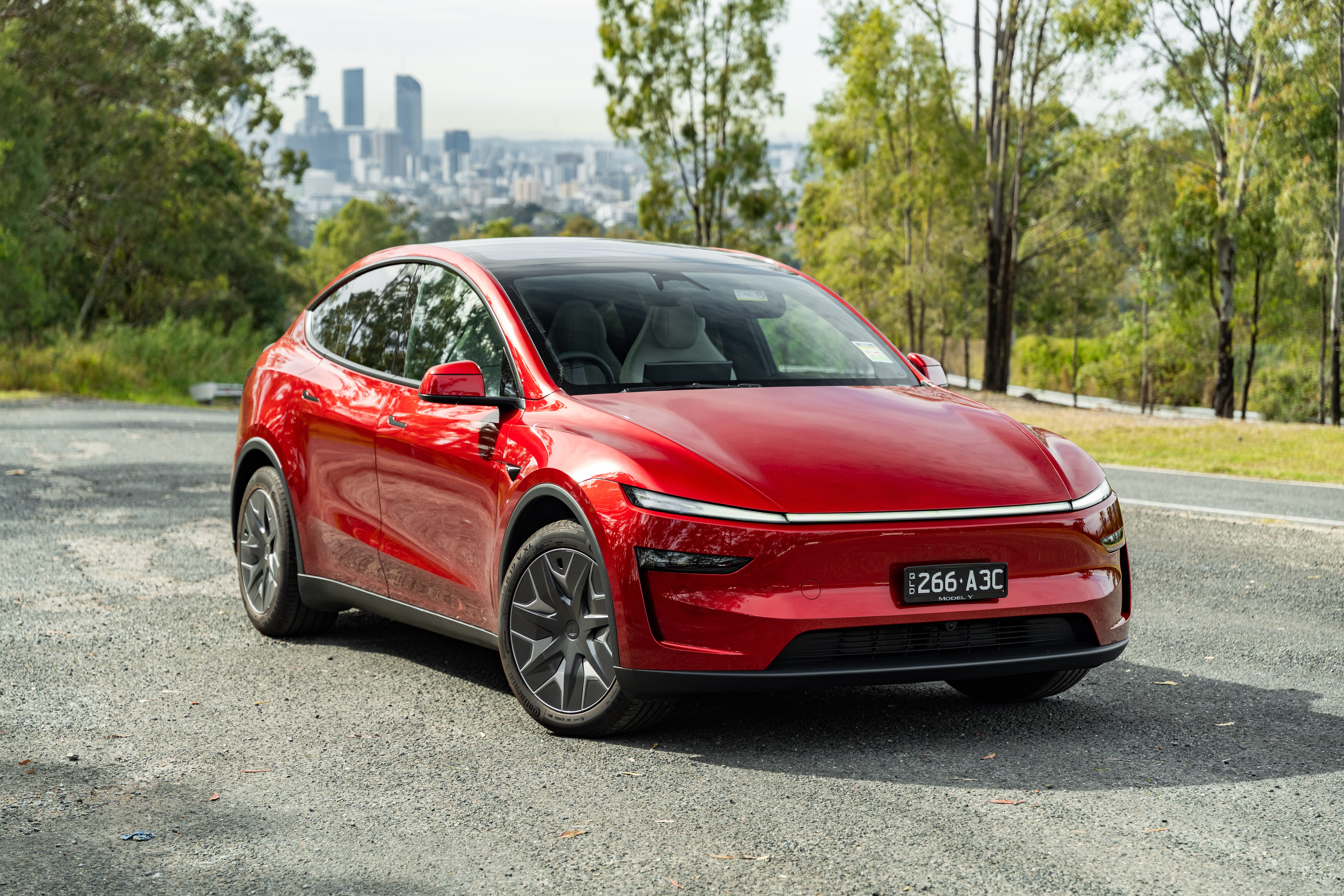
The ABC report also questioned the storage, sharing and use of large swathes of personal data collected by connected vehicles, such as location, camera footage, and even the potential to access audio from in-car phone calls.
Following the program, the Australian Automotive Dealer Association (AADA) claimed dealers have been facing an increasing number of questions from consumers.
“Australian car buyers are asking legitimate questions about connected vehicle technologies and deserve clear answers,” said AADA CEO James Voortman in a statement.
“Those questions are not limited to privacy and data collection. Customers also want to understand how these technologies operate, what protections are in place and how manufacturers and regulators are managing potential cybersecurity and safety risks.”
Speaking to CarExpert as it issued its ‘State of Electric Vehicles 2026’ report, the EVC said these issues have not significantly impacted EV sales or heightened customer concerns following the high-profile report.
“We have not heard from our OEMs [vehicle manufacturers] of that response,” said the EVC’s head of legal, policy and advocacy, Aman Gaur.
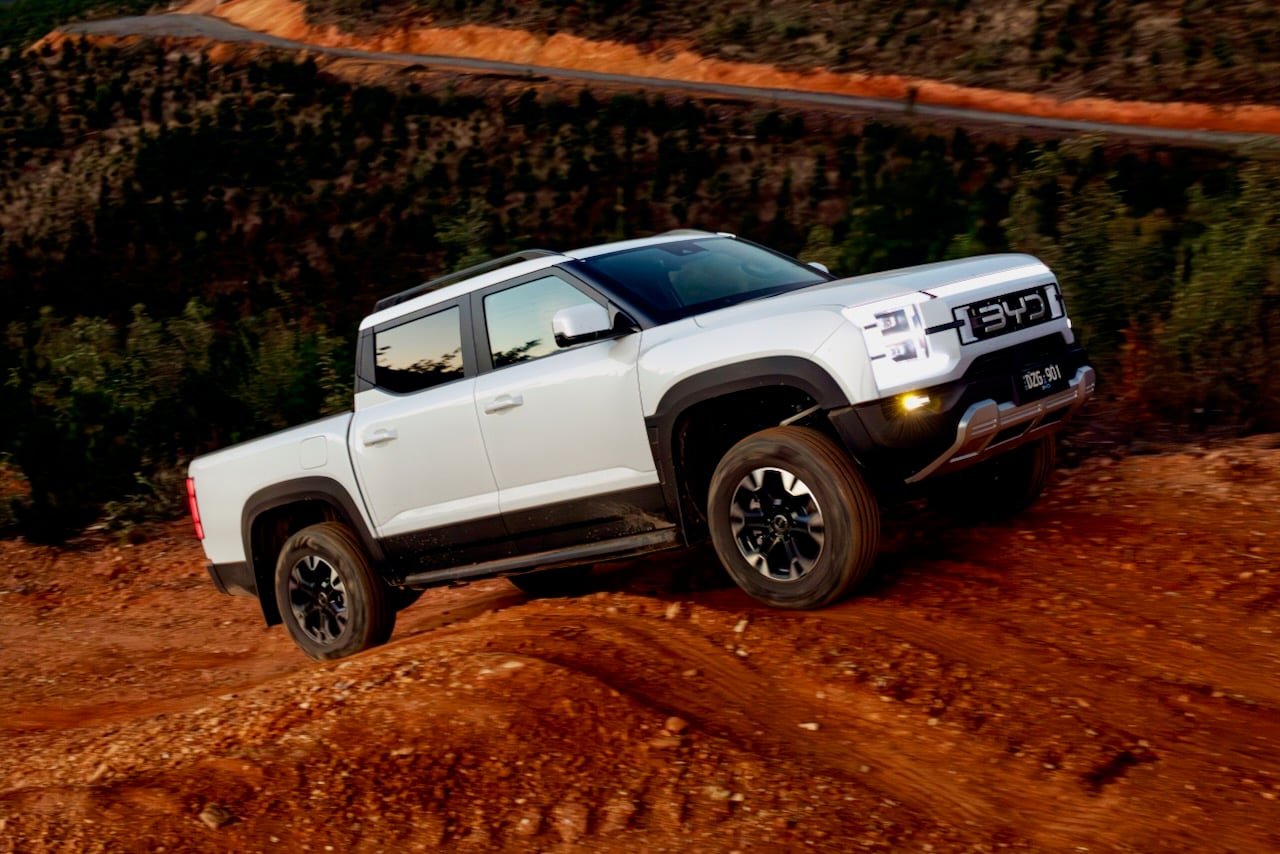
EVC members include BYD, whose popular Shark 6 plug-in hybrid ute featured heavily in the Four Corners report. Other members include BMW, Chery, Hyundai, Mercedes-Benz, Polestar, Tesla, Volkswagen, and Volvo.
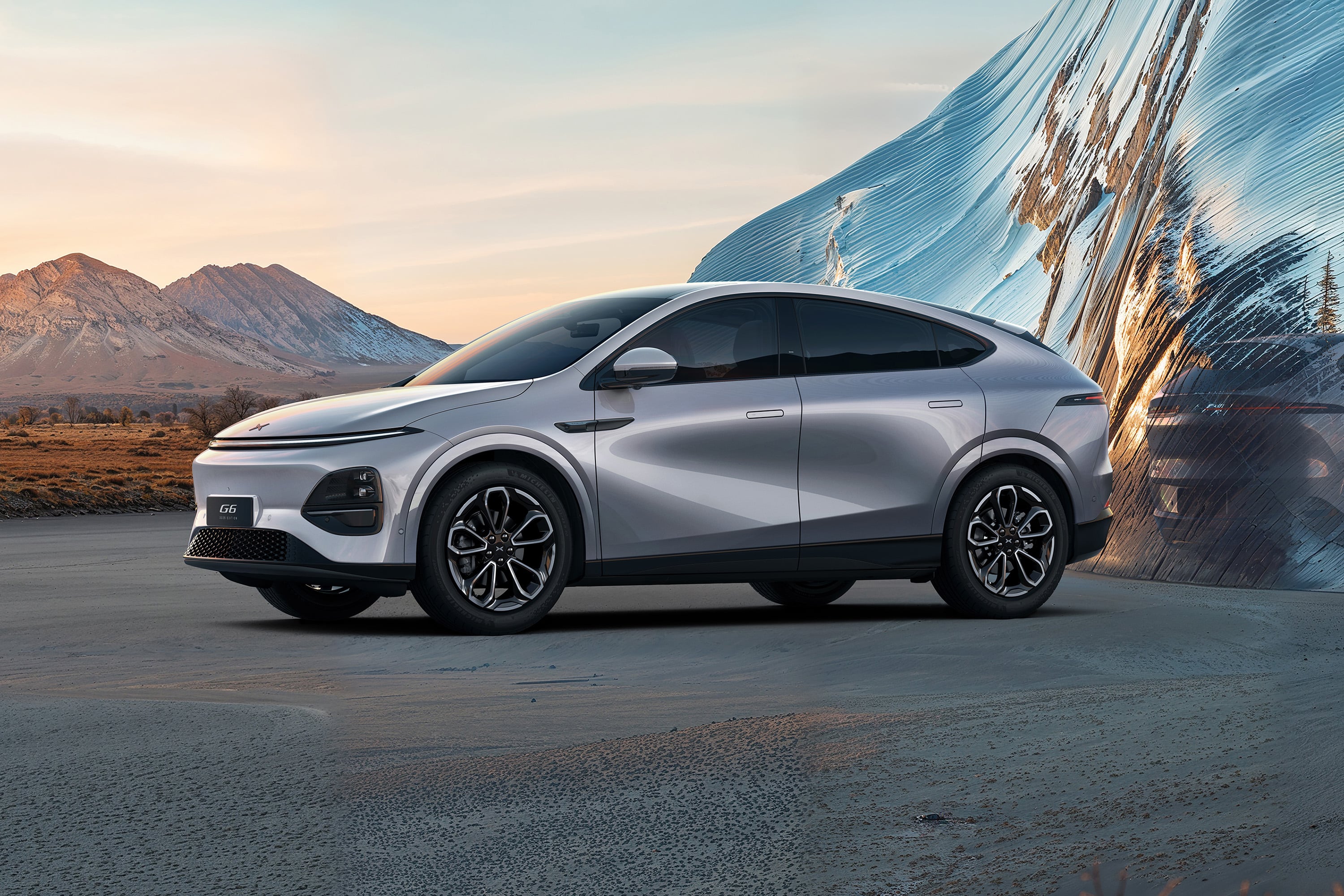
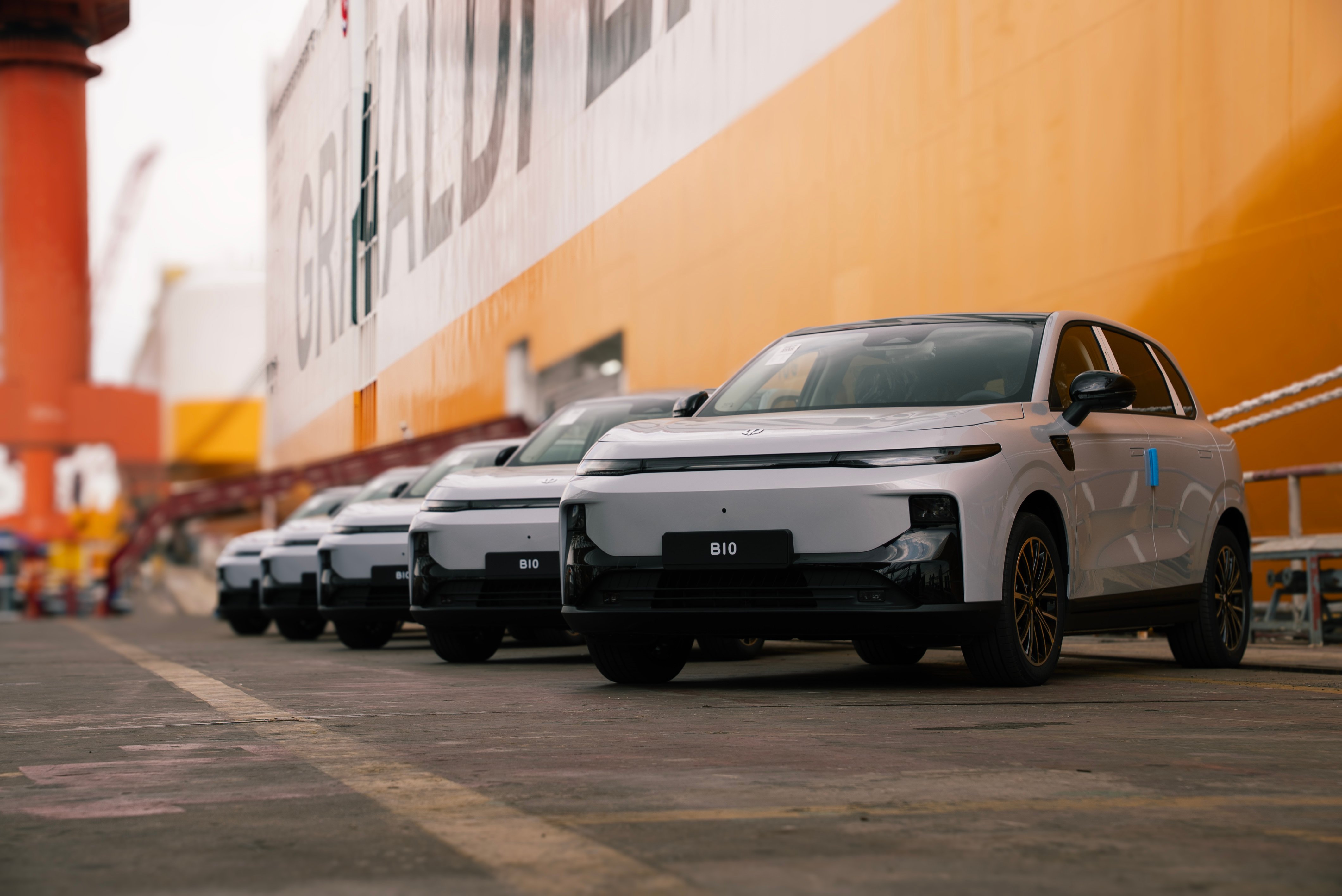
Two other vehicles noted in the ABC report were models from Chinese automakers Xpeng and Leapmotor. Stellantis holds a circa-21 per cent stake in Leapmotor and a controlling interest in the Leapmotor International joint venture that distributes its vehicles outside China. Stellantis also owns brands including Alfa Romeo, Ram, and Jeep.
No public comments on the issue have been made by Xpeng Australia nor Leapmotor Australia.
The EVC suggested that electric cars had been unduly targeted, with a broader approach needed to address security concerns.
“This narrow focus on EVs is not productive and, really, what we need to be doing is considering all connected vehicles as one, and then looking at it in terms of risk analysis,” Mr Gaur told CarExpert.
“Any instrument that is connected these days needs to be considered as a connected vehicle or a connected instrument, which has security issues that should be considered.”
Following the Four Corners report, BYD Australia issued a statement saying it would investigate the program’s claims and offer a detailed response to its findings, but it is yet to do so. It also called for Australian Government action on the protection of personal data.
“BYD Australia notes concerns raised about connected vehicle data security in Australia. Personal data generated by BYD vehicles in Australia is stored on Australian servers,” BYD Australia chief operating officer Stephen Collins said in a statement issued to CarExpert.
The automaker has previously told CarExpert it uses Telstra servers to temporarily store data in Australia.
“We have publicly called for purpose-built connected-vehicle legislation in Australia – a clear, enforceable standard applying equally to every brand in this market,” Mr Collins said.
“We welcome that scrutiny and would comply fully with any such framework.”
The EVC’s 2026 report adds: “Australia is by no means alone in navigating the challenge of increasingly connected vehicles and the EVC recommends a holistic policy response from government that aligns with international best practice.”
EV sales increased dramatically in several parts of the world in 2026, including in Australia, where battery-electric vehicles reached a record market share of 24.9 per cent in August, outselling both petrol and diesel vehicles for the first time last month.
Earlier this year, the Tesla Model Y became the first EV to top the Australian new-vehicle sales chart in a month when it overtook the Ford Ranger as the nation’s best-selling model in May, a result it repeated in June and August.
MORE: An EV is Australia’s cheapest new car for the first time
