

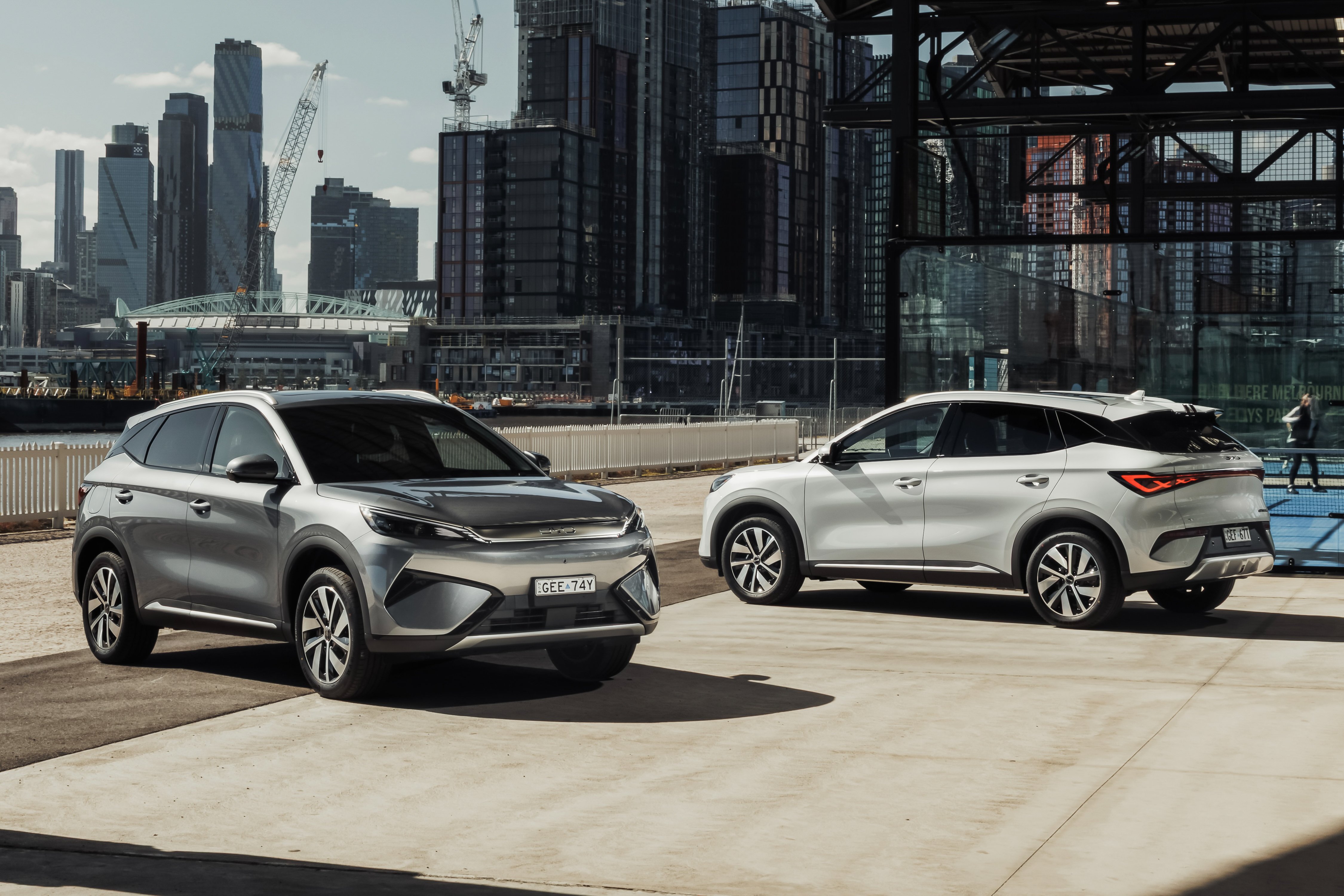
Believe it or not, you’re looking at BYD‘s first facelifted model in Australia.
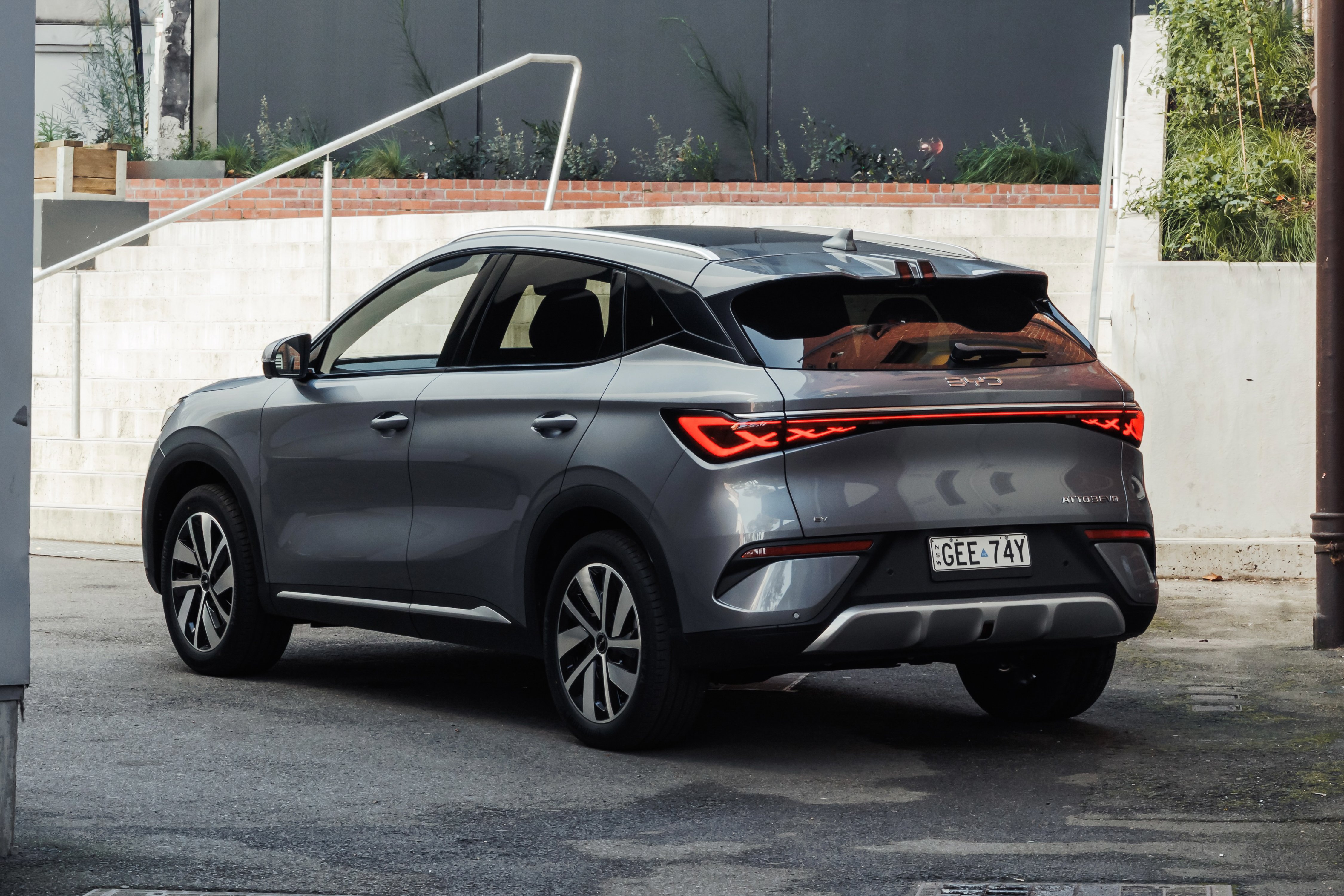
Despite the new models and rapid advances in electrified powertrain technology that BYD has brought to its Australian showrooms since the Chinese auto brand was officially launched here just over four years ago in mid-2022, this is somehow the first time it’s introduced a substantial mid-life update to a model already on sale locally.
It’s fitting, then, that the recipient of that update is the model that put BYD on the map Down Under.
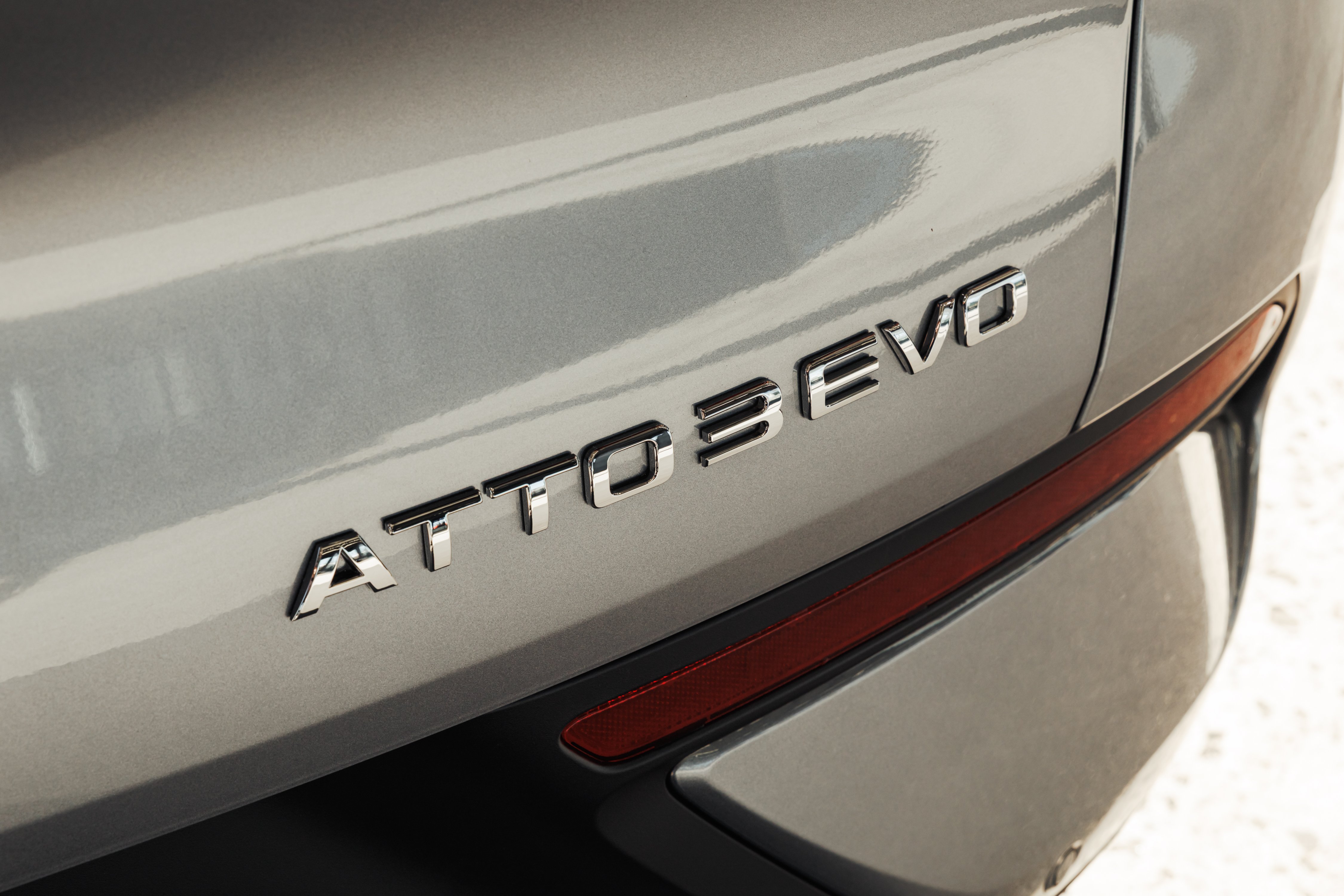
Of course, it’s the pioneering BYD Atto 3 small/medium electric SUV, and its updates are more substantial than its exterior would suggest, so BYD has tacked on the ‘Evo’ suffix to make sure you don’t confuse the new with the old. But fear not, Mitsubishi fans, the moniker is merely a signpost that this is an ‘evolution’ of the original Atto 3.
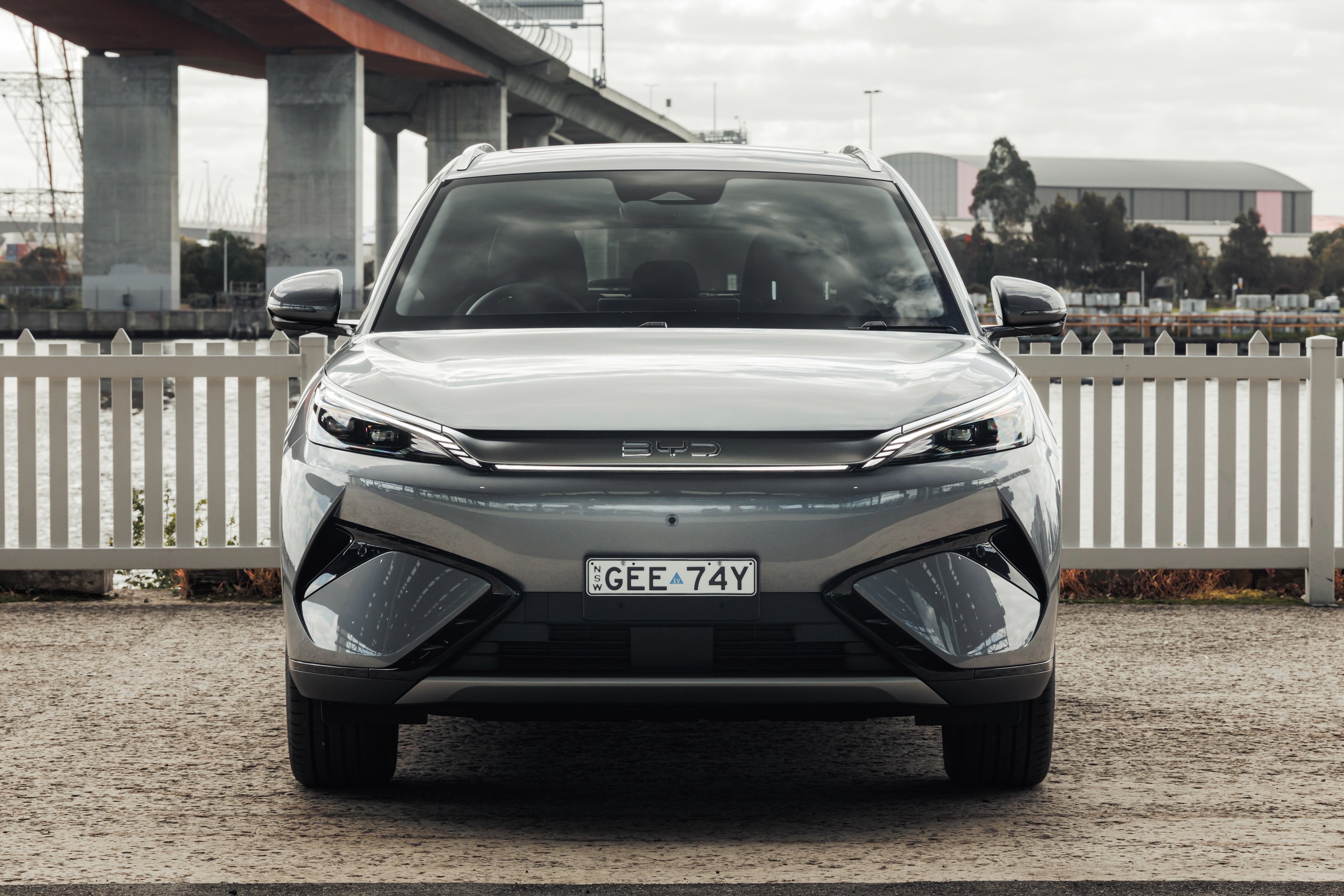
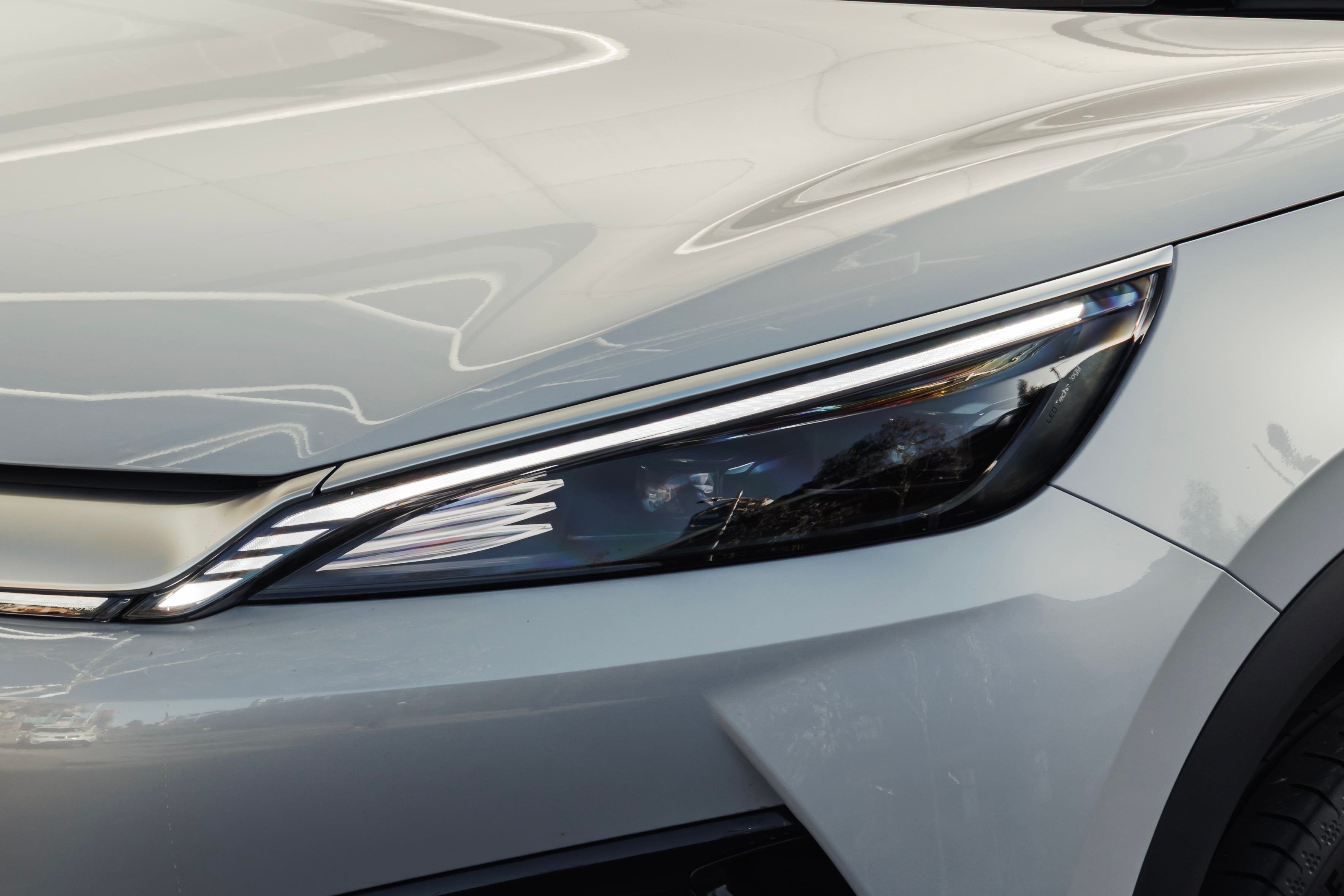
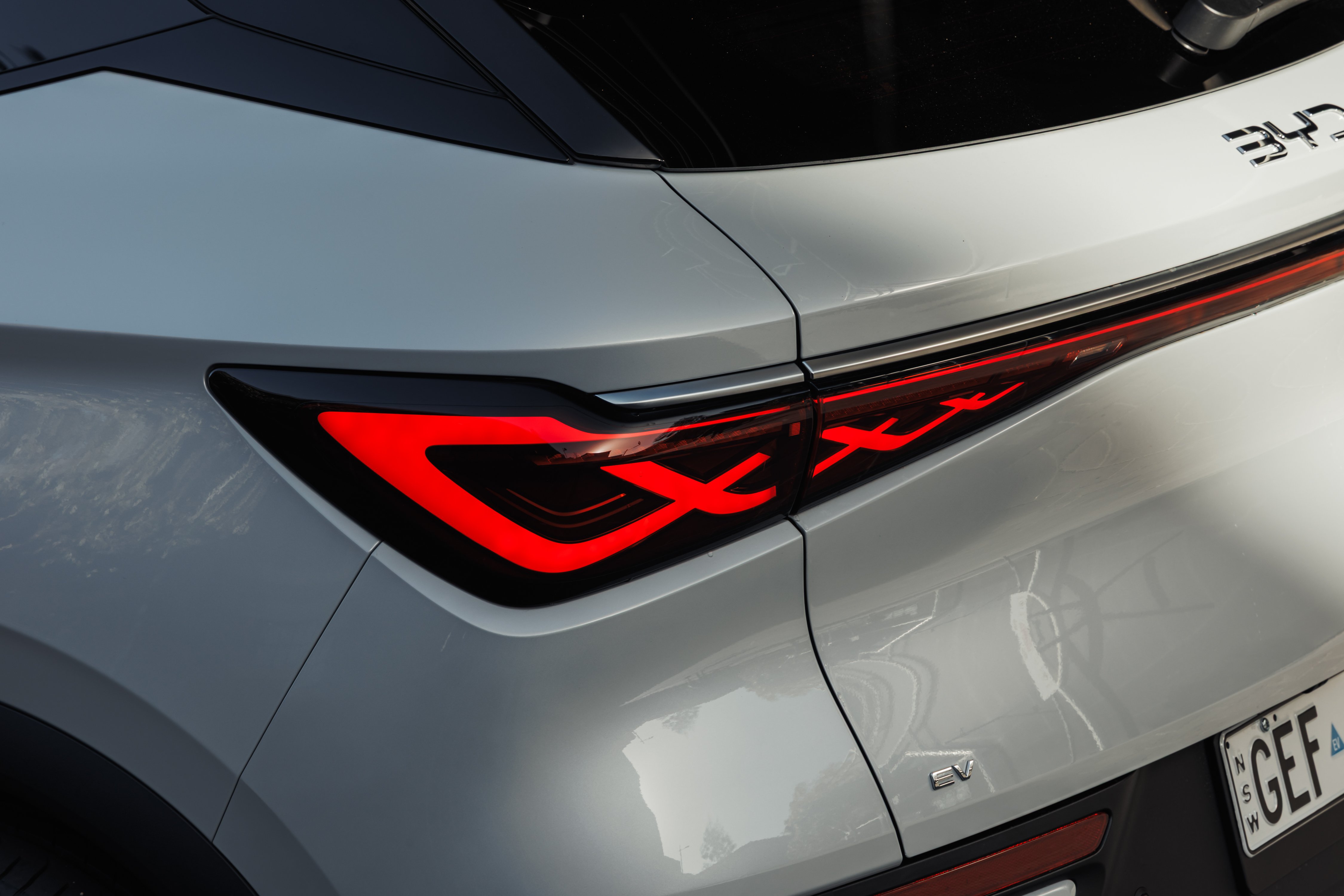
So, what’s actually changed? On the outside, not much. There have been slight tweaks to the front and rear bumpers, and there’s a new alloy wheel design, plus a new rear lighting signature that’s consistent with BYD’s newest SUVs.
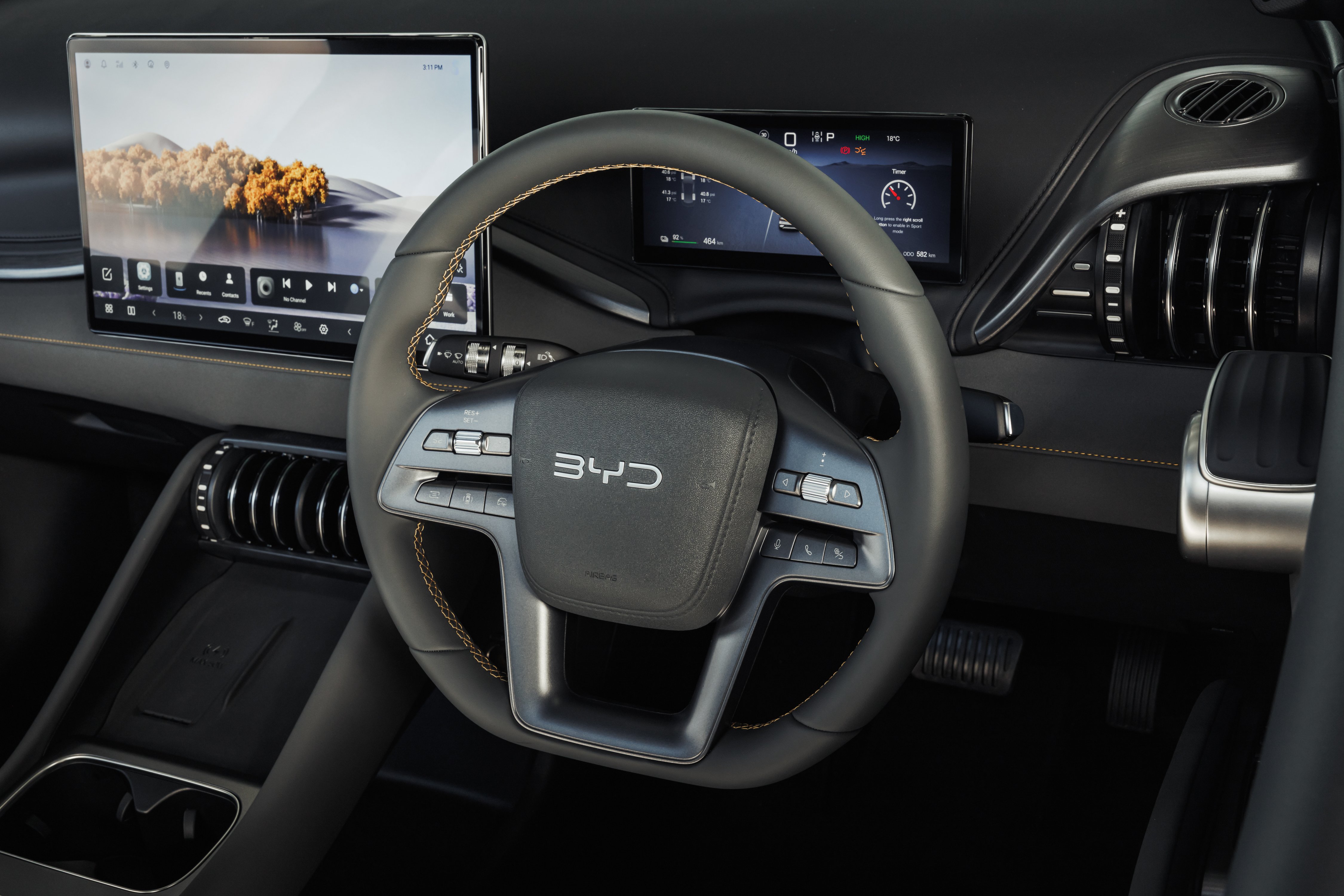
The interior has been freshened up with a redesigned centre console, steering wheel, and instrument display, while the tech has been updated with BYD’s latest infotainment software.
Under the skin, however, is where the biggest overhaul has occurred. The flagship trim is now rear-wheel drive, has a larger battery pack with an increased driving range, more power and torque, and can charge much faster than before.
To demonstrate how that all comes together, BYD invited Australian automotive media to New South Wales for a first local drive of the 2027 BYD Atto 3 Evo Premium, as well as the new Atto 2 DM-i small plug-in hybrid SUV which we’ve already covered in a separate review.
Is this the evolution the Atto 3 needed to become a top-seller once again?
How much does the BYD Atto 3 cost?
Prices are up for the Atto 3 Evo, but only slightly. It starts at $41,990 before on-road costs.
|
Model |
Price before on-road costs |
|---|---|
|
2027 BYD Atto 3 Evo Dynamic |
$41,990 |
|
2027 BYD Atto 3 Evo Premium |
$46,990 |
The outgoing Atto 3 was available in two grades priced at $39,990 and $44,990 before on-road costs, but the revised powertrain lineup means the old and new grades aren’t quite like-for-like.
Most notably, the entry-level Evo Dynamic retains the outgoing Atto 3 Premium’s powertrain, which means the ‘Extended Range’ base version is now available for $3000 less than before.
The Evo Premium, meanwhile, brings a new electrical architecture, larger battery, more power, and greater driving range for $2000 more than the old Atto 3 flagship.
There are more rivals than ever for the Atto 3 in the small SUV segment (even if it’s officially classed as a mid-size SUV), but three of the most relevant are the MG S5 EV, Geely EX5, and Kia EV3. The MG tops out at $47,990 drive-away and the Geely at $45,990 plus ORCs, while the Kia starts at $47,600 plus ORCs.
To see how the BYD Atto 3 stacks up against the competition, check out our comparison tool
What is the BYD Atto 3 like on the inside?
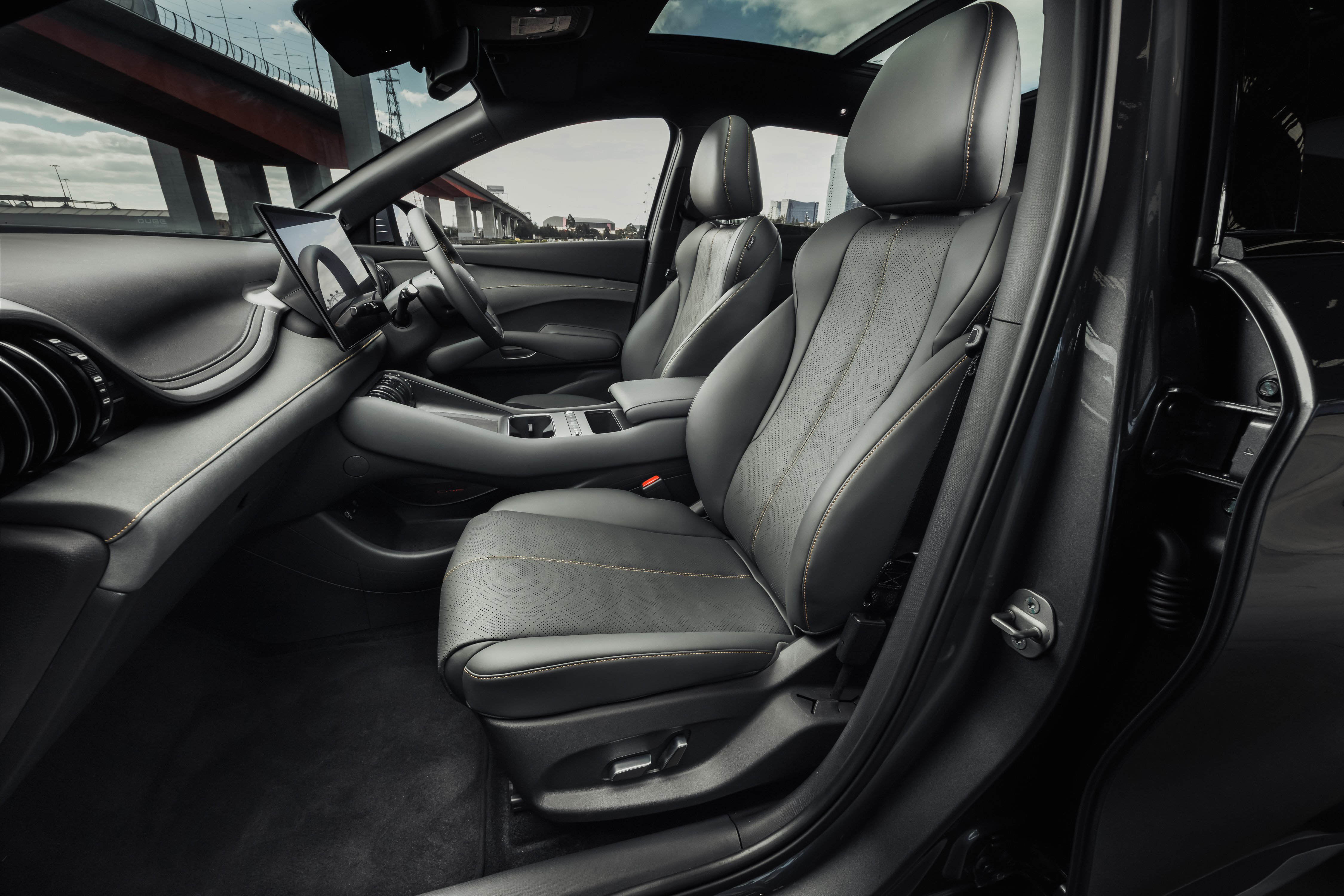
The changes inside are minor but certainly make the cabin feel a touch cleaner and more modern, though it has lost some of the character that made the pre-update model unique.
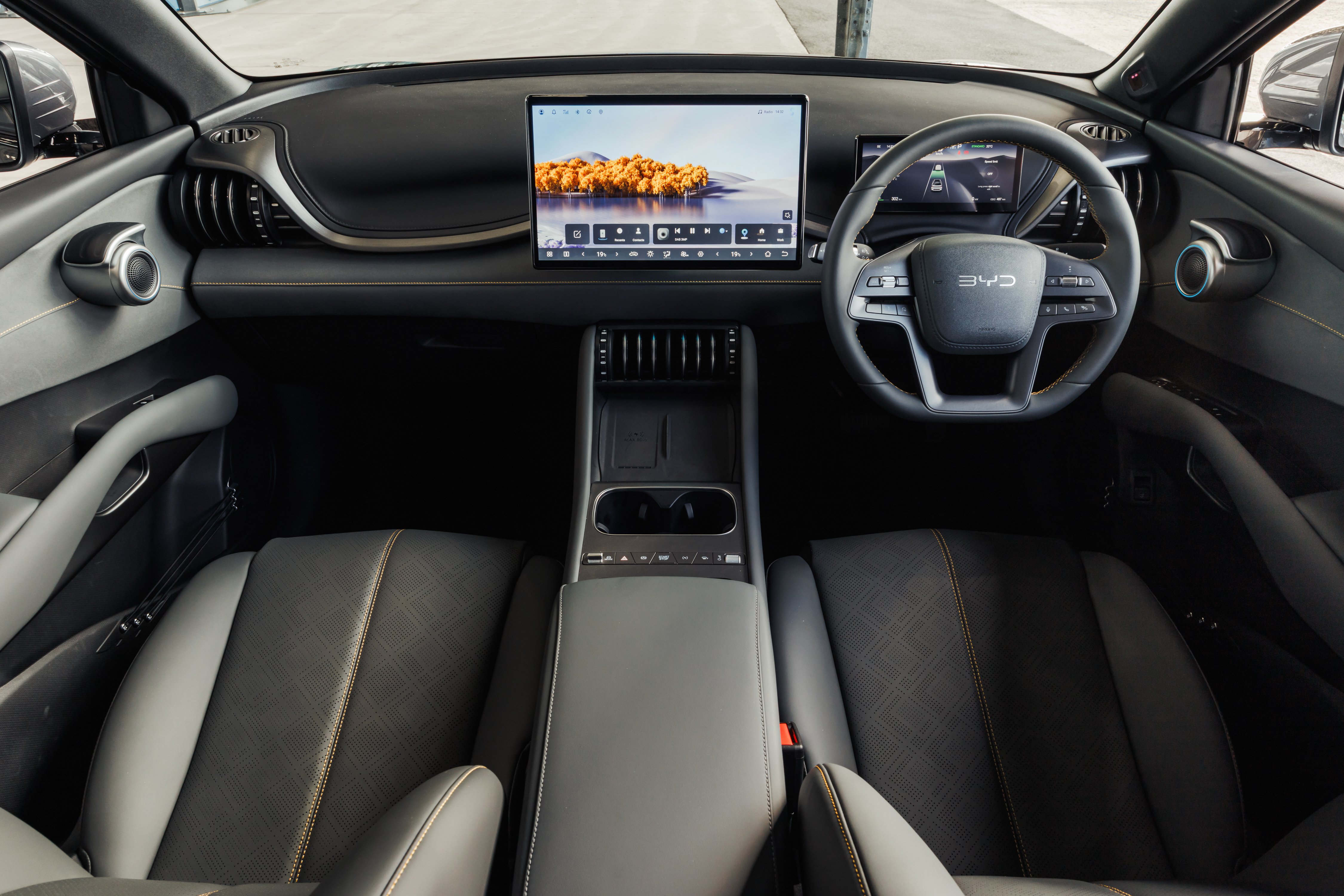
If you aren’t familiar, the old interior really was a bit bizarre. It had BYD’s tacky old steering wheel, a tiny instrument display, a huge aviation-style gear selector, and no shortage of weirdly organic design cues all over the place – you either loved it or hated it.
Now, only the bendy shapes and fittings remain, with everything else either tidied up or freshened up. It’s easier on the eyes but noticeably more sedate in here, except for one unique Atto 3 element we haven’t mentioned yet.
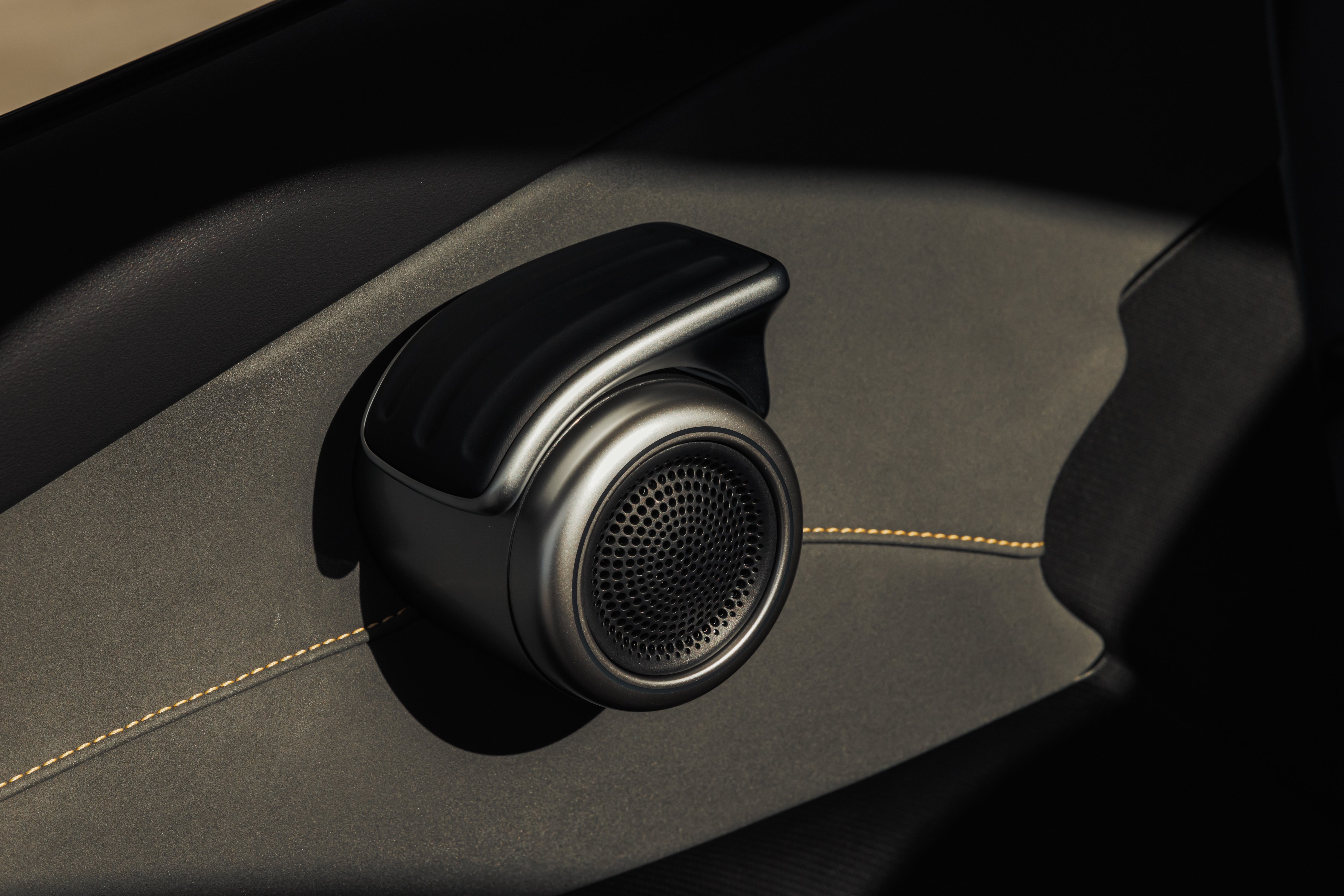
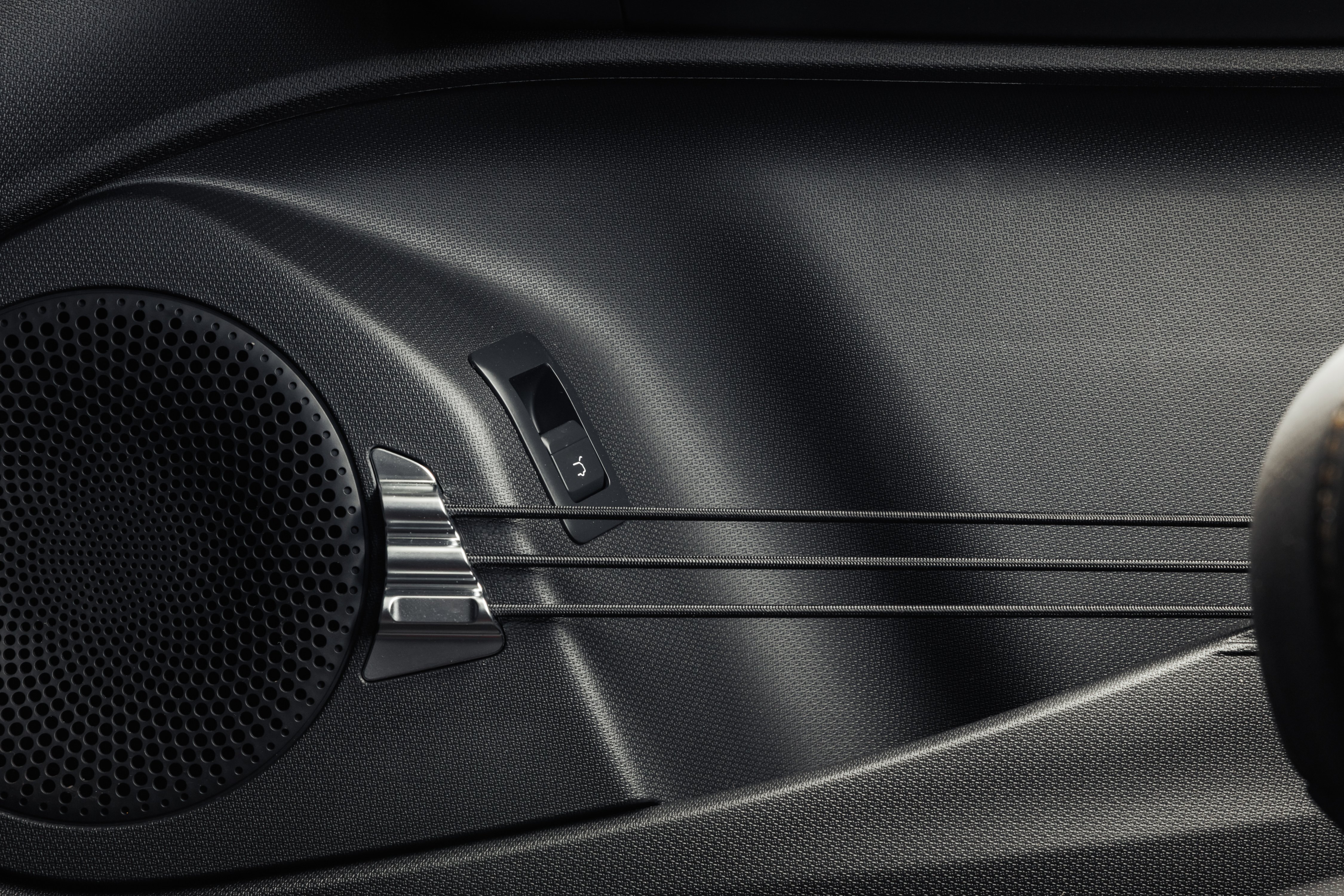
There are still guitar strings on the doors, or at least taut elastic strands. Weirdly enough, they’re actually tuned, so strumming or plucking them doesn’t sound half bad. It’s a gimmick, sure, but a welcome bit of flair nonetheless.
And that’s important, because everything else has become more mature. The tech, for instance, has received a much-needed upgrade.
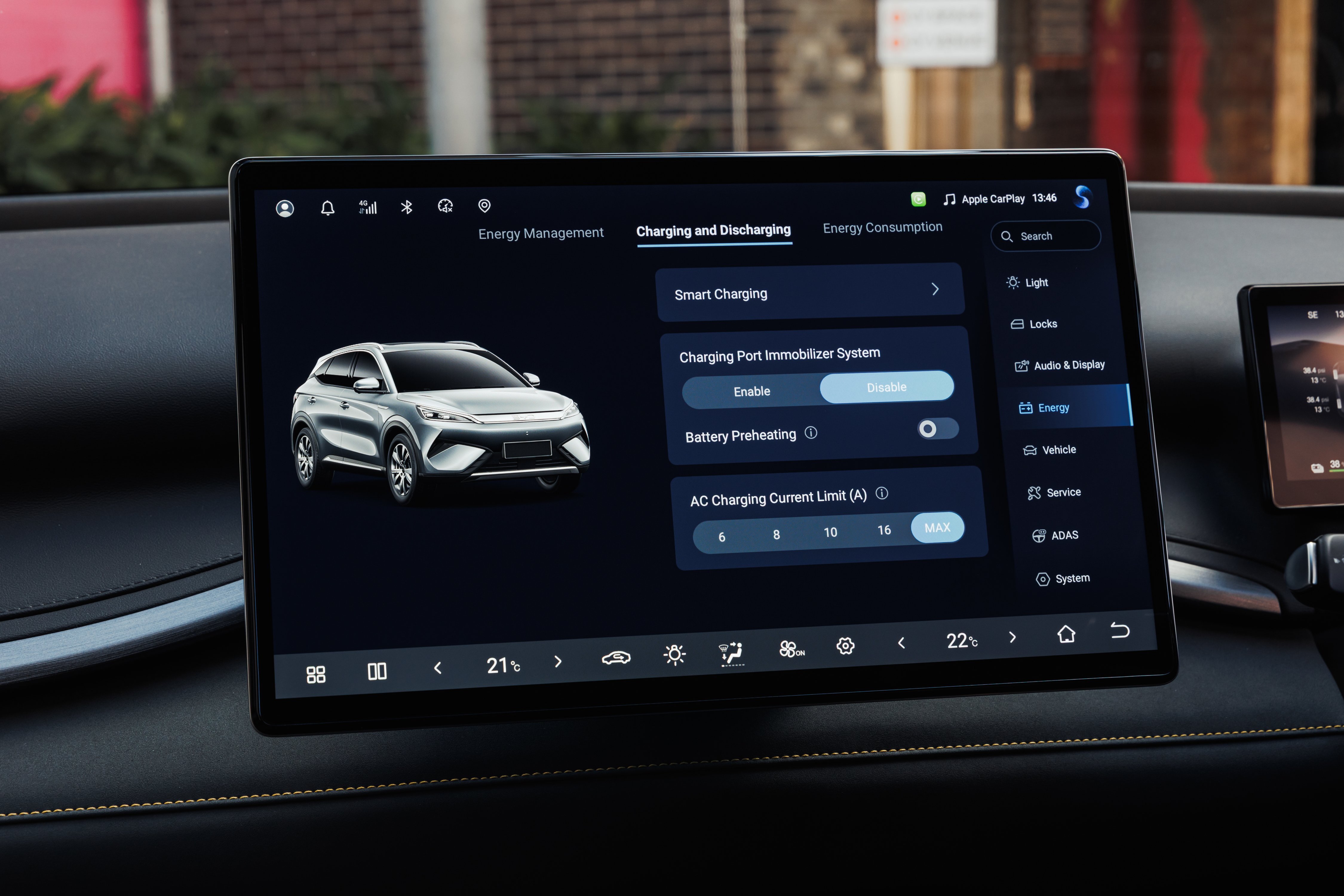
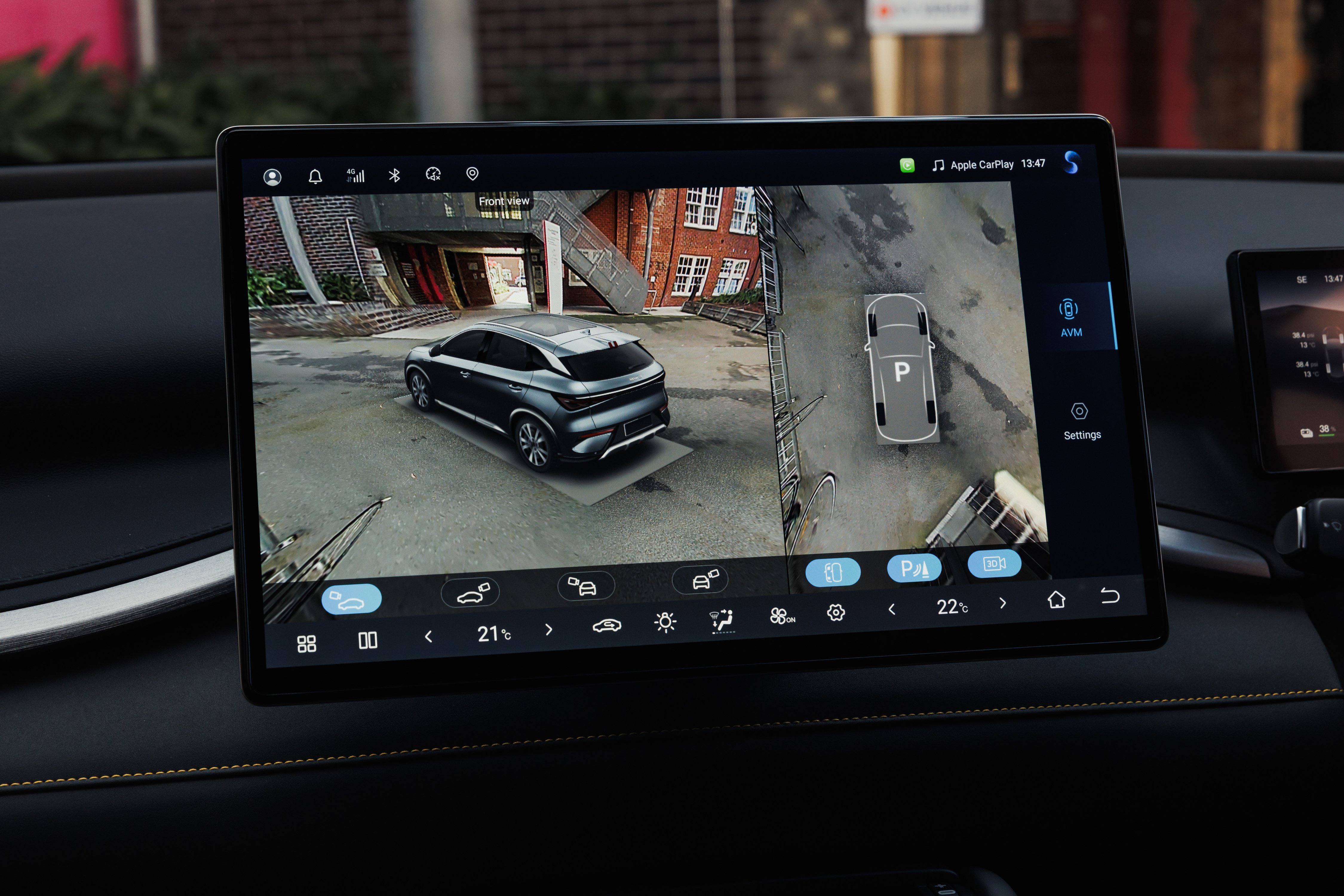
The touchscreen infotainment system remains colossal and features a heavily updated BYD user interface, while the instrument display has grown larger and sharper in resolution. Both screens are nicer to interact with, and bring the Atto 3 up to date with the competition.
We’ll still complain about the lazy implementation of these two screens though, because they’re just ‘floating’ tablets sitting on the swoopy dashboard. This may be trendy, but surely there was an opportunity to make the Atto 3 Evo feel less like a computer on wheels.
The same is true for the sheer lack of physical buttons inside. BYD’s updated infotainment software has allowed many of the Atto 3’s real buttons and controls to migrate to the digital realm, which has at least been done in a way that maximises the number of shortcuts on hand at all times.
And to BYD’s credit, there are plenty of basic functions available in the always-on ribbon at the bottom of the touchscreen. Climate controls are the most obvious, as they’re far more accessible than they were in the old car.
But unsurprisingly, the trade-off is tactility. The centre console has been simplified, with the mildly satisfying gear shift handle lopped off in favour of a boring shifter stalk on the steering column.
The start/stop button has been reduced to one of several nondescript buttons on the centre console, and like most other new items in here, it appears to have come straight from the BYD parts bin. That means you get many of the same interior fittings in this $47,000 Atto 3 as you do in a $30,000 Atto 2.
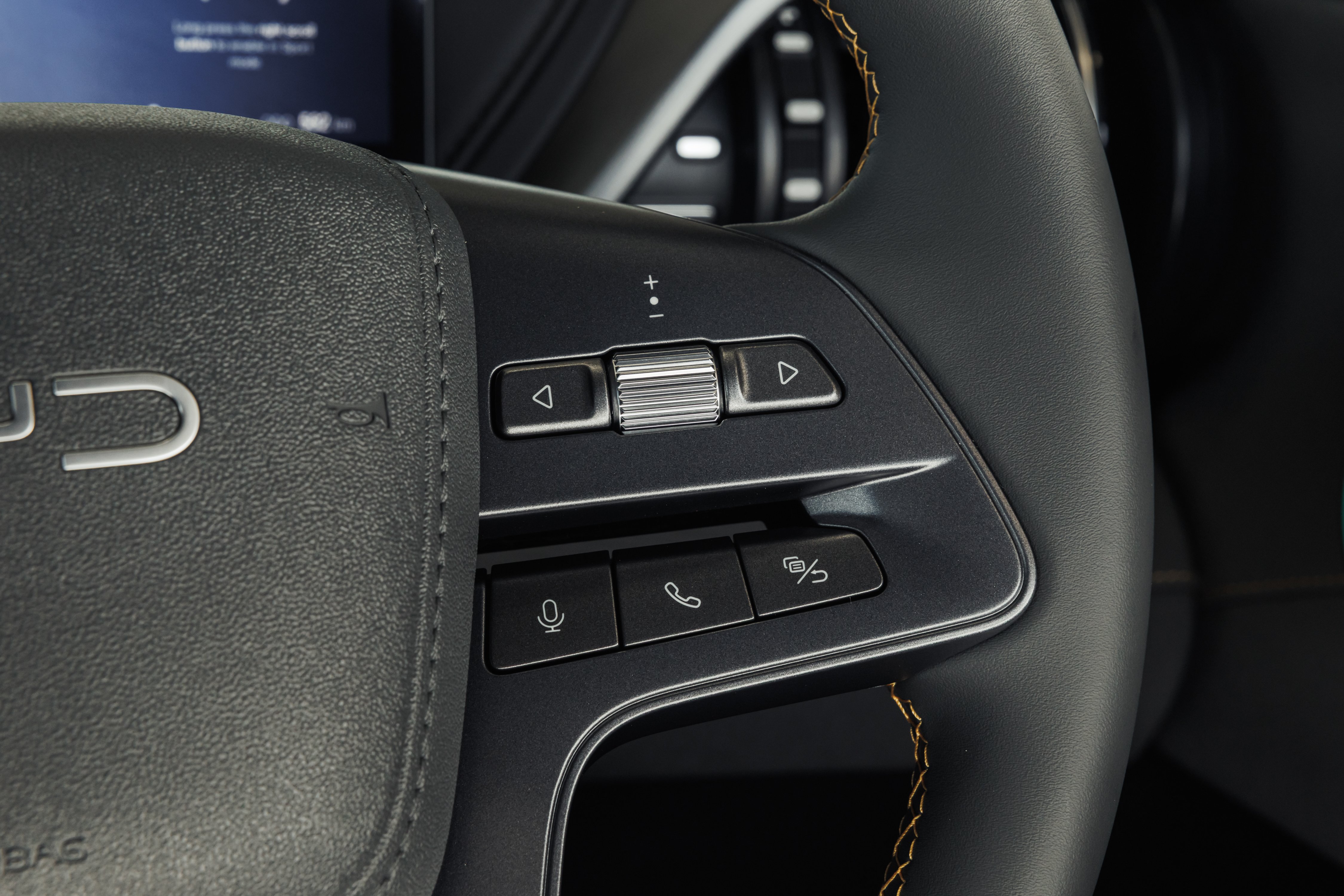
It’s impossible to argue that the cabin isn’t functional, though. Everything is nice to interact with and feels well assembled, with the steering wheel in particular being a considerable upgrade over the old car.
It’s a bit too big, but it’s finished in smooth synthetic leather and has its own assortment of physical buttons. They could still be a little more clearly labelled, but at least there’s no delicate piano-black plastic in here.
Further, the cabin feels very spacious given the vehicle’s compact dimensions. That was the case before, so there’s no surprise here, but it’s still a positive mark relative to some rivals. Front occupants are also treated to comfortable seats that are supportive enough, and a little more configurable now that they don’t have integrated head restraints.
They also feature power adjustment, heating, and ventilation in both Atto 3 Evo grades. In fact, the only features you miss out on in the base Dynamic are driver’s seat lumbar adjustment and dual-zone climate control – and the Premium also adds an extra two ways of electric adjustment for the passenger.
Storage space is similarly generous. The centre console has cupholders, a miscellaneous tray, and a ventilated wireless phone charger, all of which sit above a sizeable tray with two USB ports. There’s also a reasonable central storage box underneath the padded armrest between the front seats.
Alongside all of that is a passenger-side glovebox, as well as bottle holders in the door cards, and those guitar strings that do an excellent job of keeping things firmly in place.
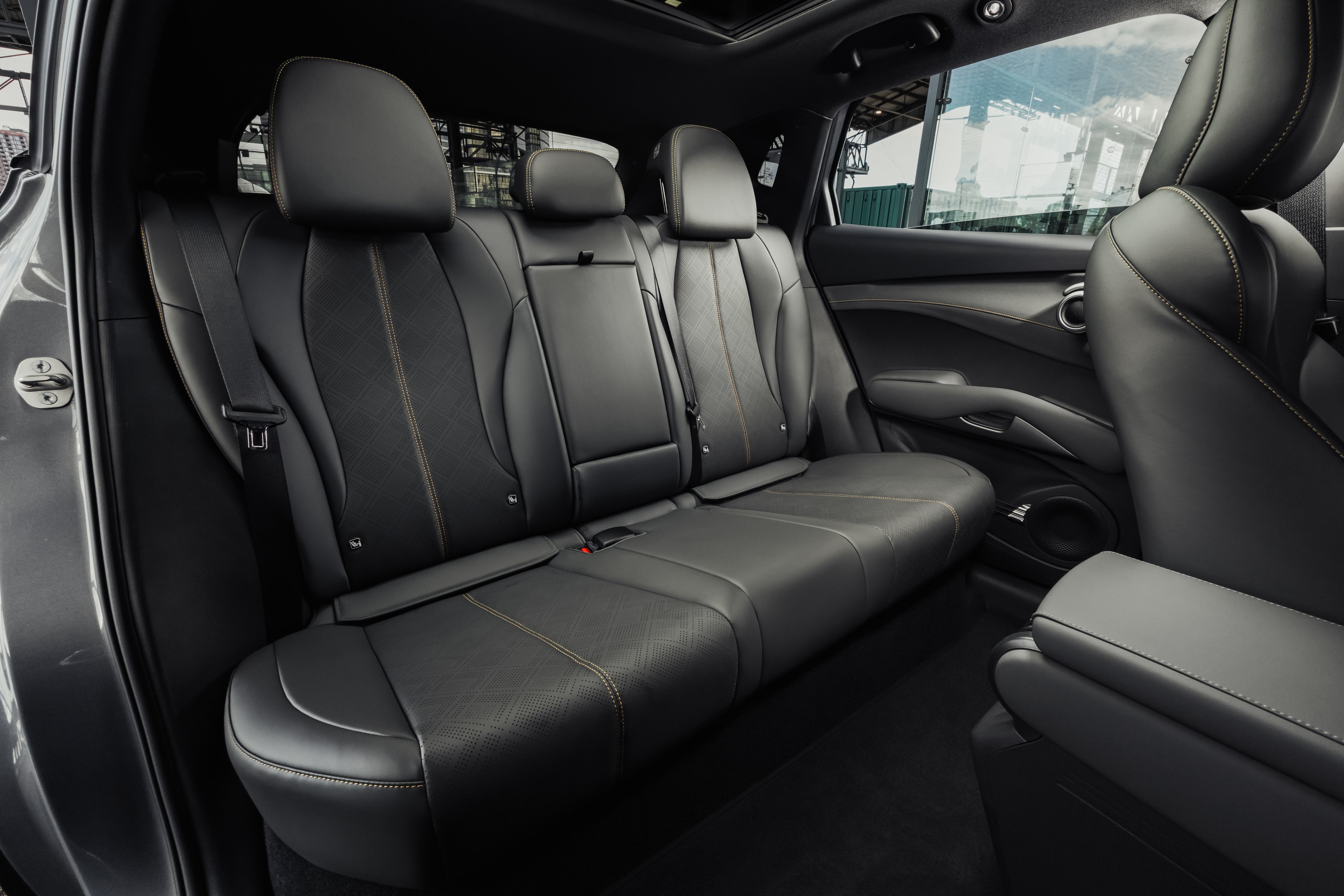
The spacious interior theme continues to the second row, where there’s more room than you might expect. The Atto 3 outdoes many small SUVs back here, and it should be a very workable area for families.
There’s plenty of legroom and headroom for adults, and the floor is completely flat, which makes the middle seat more usable, even if it’ll still be cramped. The bench itself is reasonably comfortable, too.
Amenities include USB ports and air vents on the back of the centre console, along with a standard fold-down armrest housing two cupholders. The bottle holders in the door cards come complete with additional sets of guitar strings which, to the joy of parents everywhere, should keep kids entertained for hours on end.
Rounding things off is a sizeable boot. The Premium manages to pack a larger cargo hold than the Dynamic – measuring 490 litres with the rear seats in use instead of 434L – though floor space is practically identical.
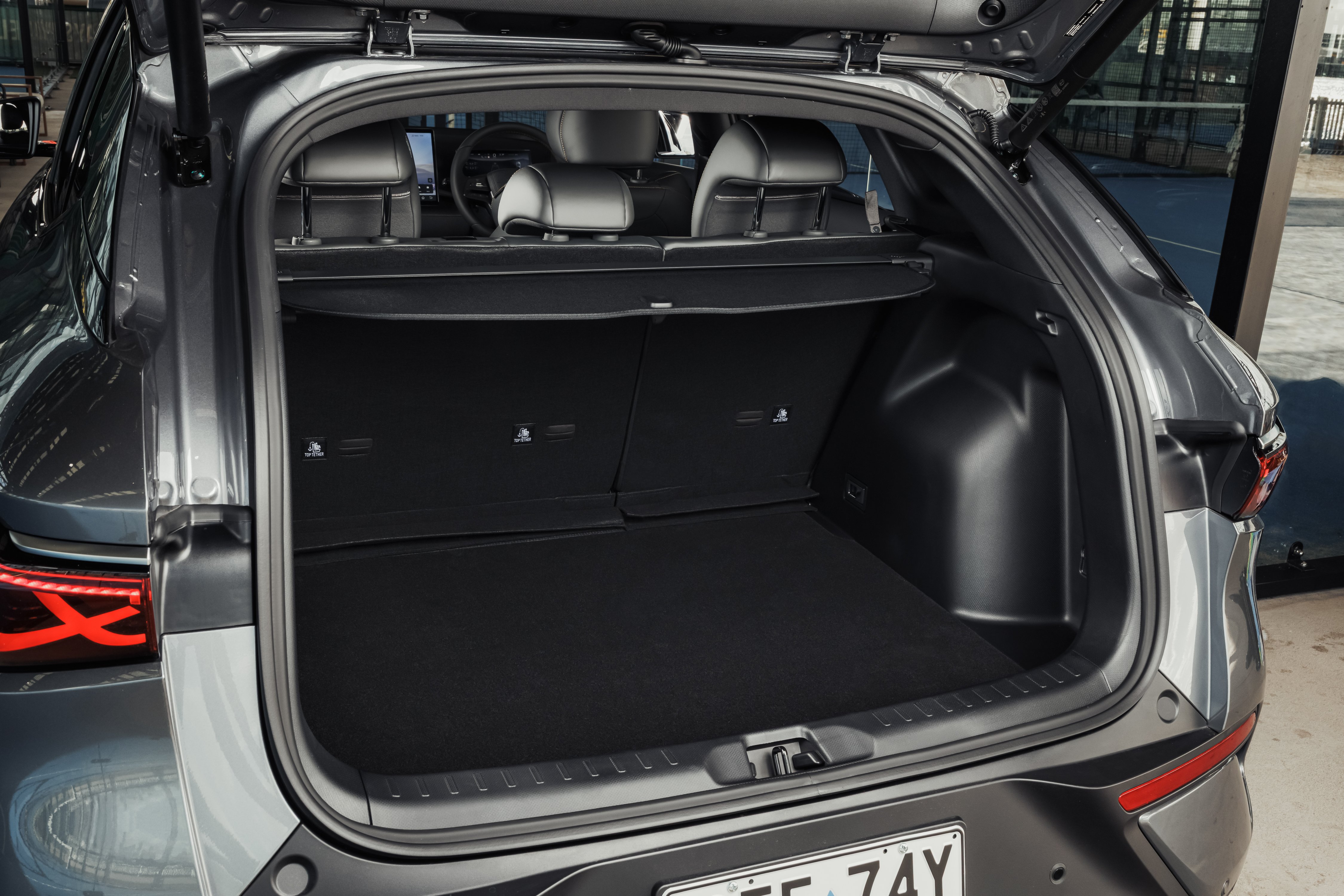
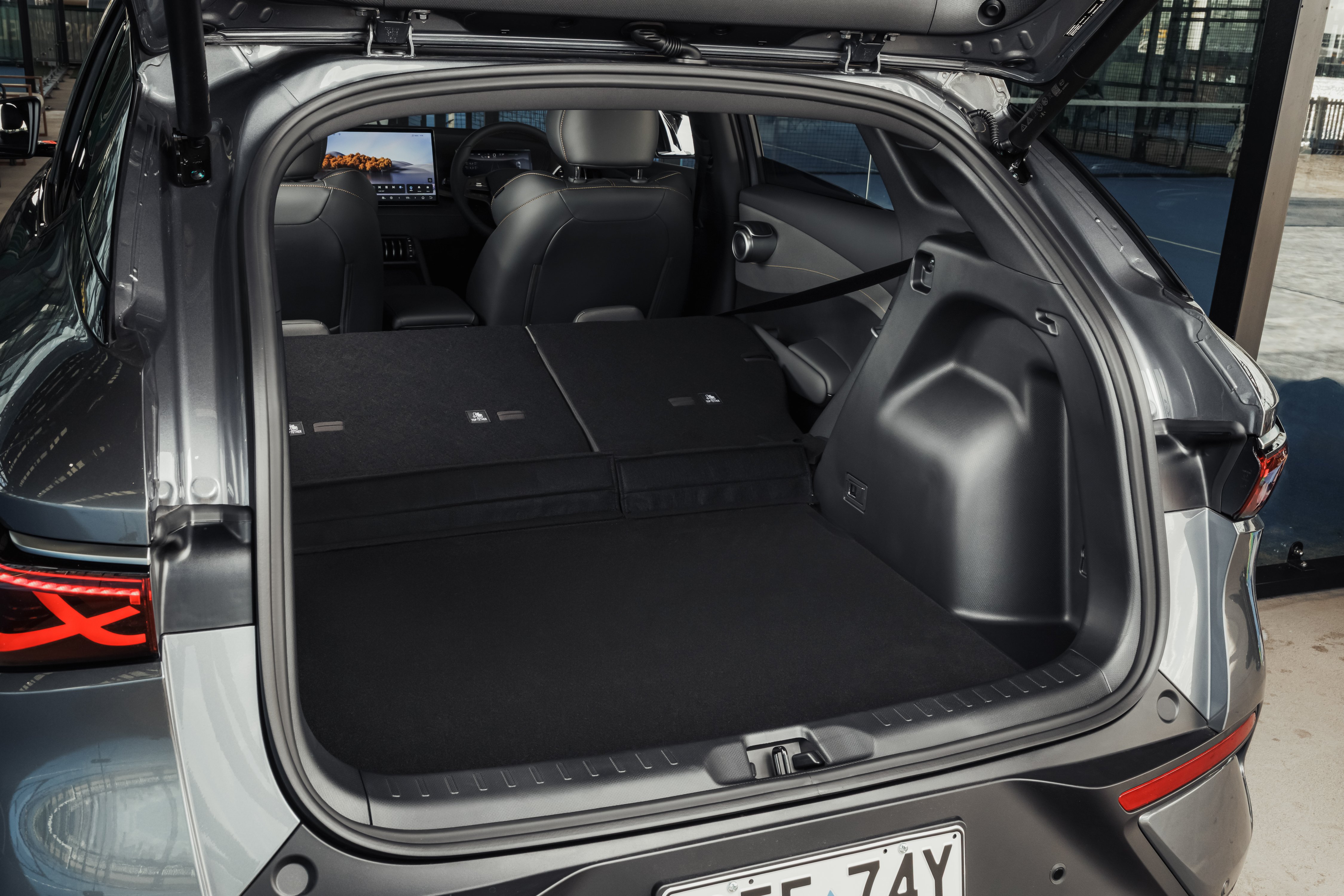
Much like the Atto 2 DM-i, the Atto 3 Evo Premium unlocks extra boot space by scooping out the plastic above the rear wheel housings on either side. That’s especially obvious compared to the old Atto 3, even if the tangible benefits of this added space are less conspicuous.
Still, its quoted capacity is larger than the likes of the MG S5 EV (453L), Kia EV3 (460L), and even the larger Geely EX5 (410L). The rear seatbacks fold down to unlock more space, albeit not with a completely flat floor.
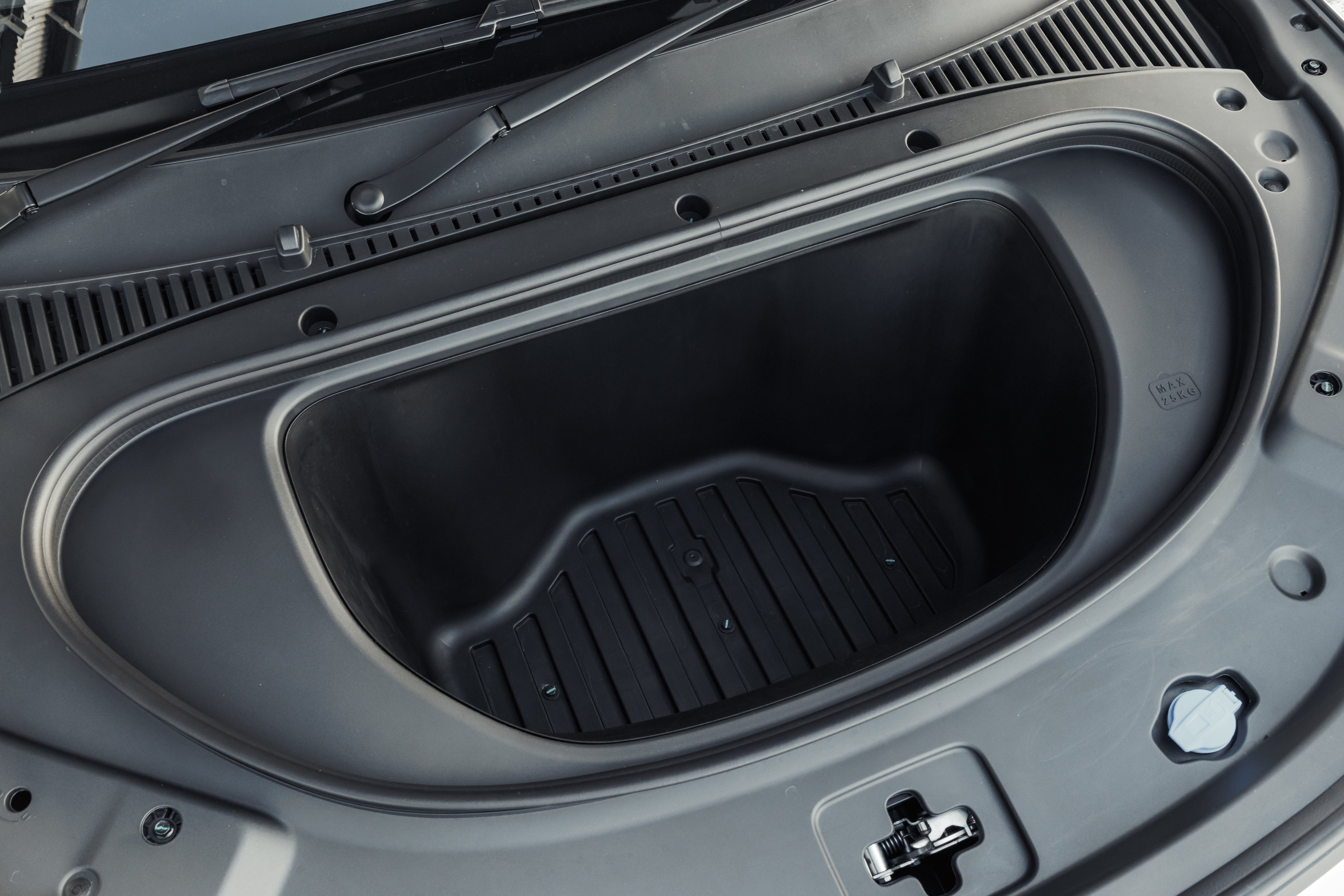
A power tailgate is standard across the range, and Premium buyers will be able to make use of additional storage under the bonnet. The Dynamic, with its front-mounted electric motor, offers no such convenience.
Neither Atto 3 Evo variant has the luxury of a spare wheel though, with only a tyre repair kit available in the event of a puncture.
|
Dimensions |
BYD Atto 3 Evo Dynamic |
BYD Atto 3 Evo Premium |
|---|---|---|
|
Length |
4455mm |
4455mm |
|
Width |
1875mm |
1875mm |
|
Height |
1615mm |
1615mm |
|
Wheelbase |
2720mm |
2720mm |
|
Cargo capacity |
434L – rear seats up1340L – rear seats folded |
490L – rear seats up1360L – rear seats folded101L – under-bonnet storage |
To see how the BYD Atto 3 stacks up against the competition, check out our comparison tool
What’s under the bonnet?
Two powertrains are available for the Atto 3 Evo, with few similarities between them beyond the fact they’re both electric.
|
Specifications |
BYD Atto 3 Evo Dynamic |
BYD Atto 3 Evo Premium |
|---|---|---|
|
Drivetrain |
Single-motor electric |
Single-motor electric |
|
Battery |
60.48kWh LFP |
74.88kWh LFP |
|
Peak power |
150kW |
230kW |
|
Peak torque |
310Nm |
380Nm |
|
Drive type |
Front-wheel drive |
Rear-wheel drive |
|
Kerb weight |
1750kg |
1880kg |
|
0-100km/h (claimed) |
7.3 seconds |
5.5 seconds |
|
Energy consumption (claimed) |
16.0kWh/100km |
16.4kWh/100km |
|
Claimed range (WLTP) |
420km |
510km |
|
Max AC charge rate |
7kW |
11kW |
|
Max DC charge rate |
110kW |
220kW |
|
DC charge time (0-80 per cent) |
41 mins |
30 mins |
The Dynamic is most similar to the pre-update model, specifically the Extended Range version. It’s front-wheel drive, has a 60.48kWh lithium iron phosphate (LFP) ‘Blade’ battery, and produces up to 150kW of power and 310Nm of torque.
The Premium, in contrast, is the real story here. Its 400V electrical architecture has been upgraded to 800V, significantly boosting its DC fast-charging speeds.
BYD says it can now charge at up to 220kW, up drastically from the Dynamic’s 110kW capability.
It also has a larger 74.88kWh LFP battery offering 510km of WLTP range, and peak outputs of 230kW and 380Nm. Most interestingly, it’s the first time the Atto 3 has been offered in a rear-wheel drive layout.
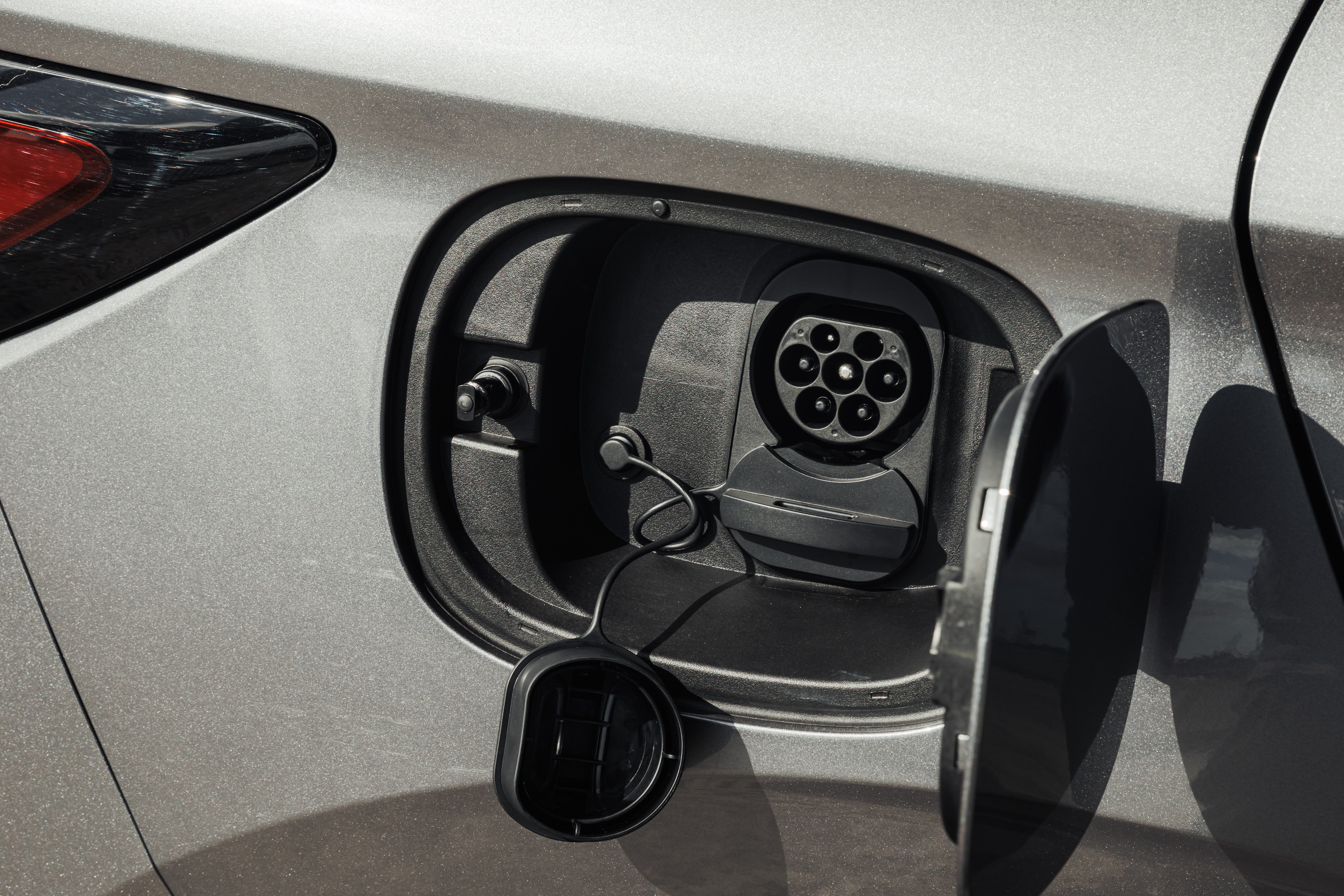
And if you need it, the Premium has an upgraded braked towing capacity of 1500kg, up from 750kg for the Dynamic. Both cars also come standard with 3.3kW vehicle-to-load (V2L) functionality.
We didn’t get enough time in any one car during BYD’s launch event to record a representative real-world energy consumption figure.
To see how the BYD Atto 3 stacks up against the competition, check out our comparison tool
How does the BYD Atto 3 drive?
The old Atto 3 was never a bad vehicle to drive, just a little uninspiring. The Evo carries most of that forward while bringing slight enhancements in a handful of key areas.
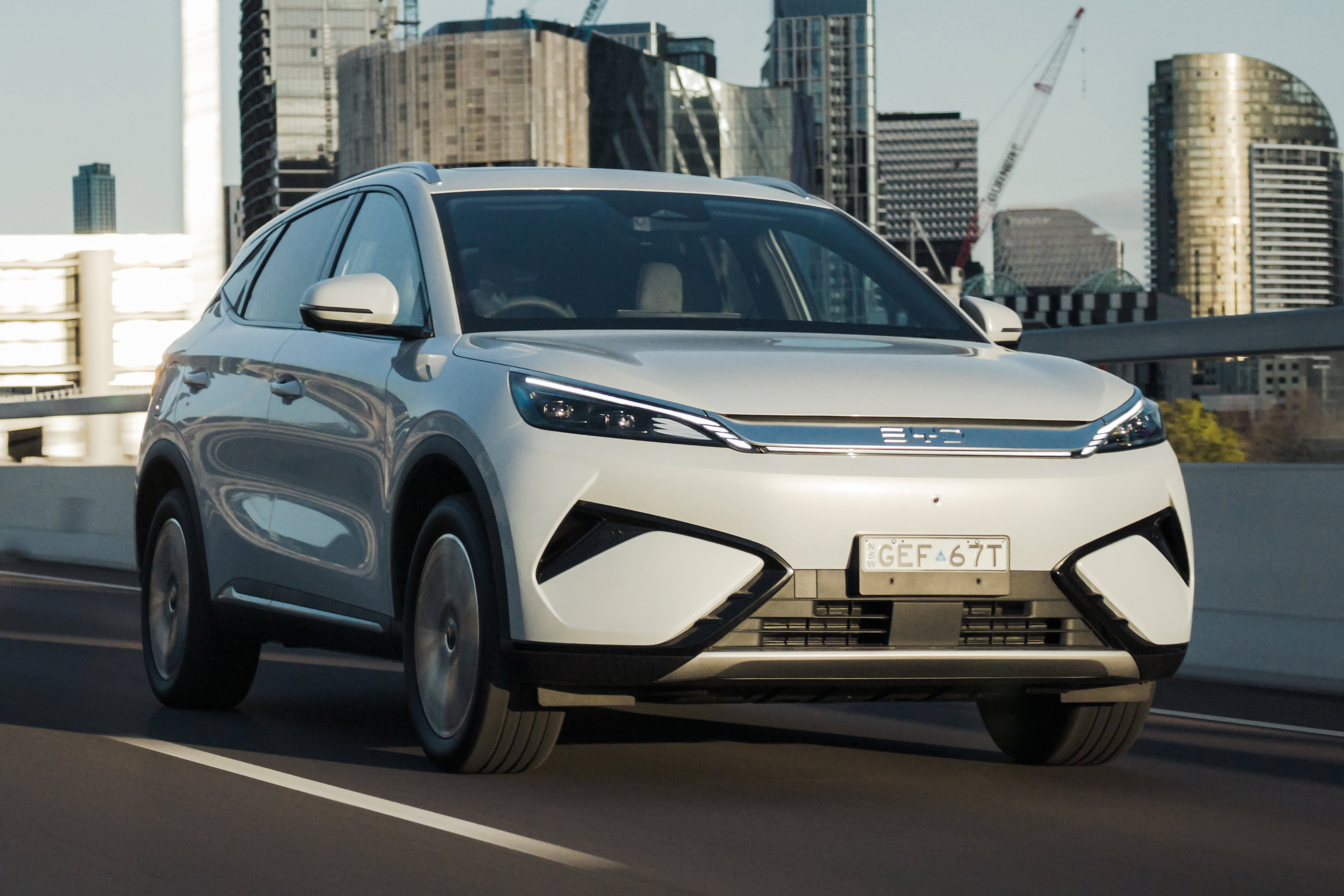
In fact, one of the most significant sticking points was the Atto 3’s sub-par rubber, leading BYD to fit more sophisticated Continental EcoContact 6Q tyres instead. That change has stuck, because that’s what the Atto 3 Evo gets as standard.
That’s especially important now that this compact electric SUV is putting out more power than ever before. You certainly feel it under your right foot, as the Evo Premium has a distinctly un-Atto 3-like character when it comes to power delivery. The Continental rubber lets you take advantage of that.
The Premium’s new rear-drive layout brings substantial changes to the Atto 3’s on-road character. Where the old car was generally competent, if a little cumbersome, the new one has a much better balance.
It feels a bit more willing to turn, with decent composure in both urban and higher-speed environments. That gives the impression of greater agility, as if the car has become a bit lighter on its feet.
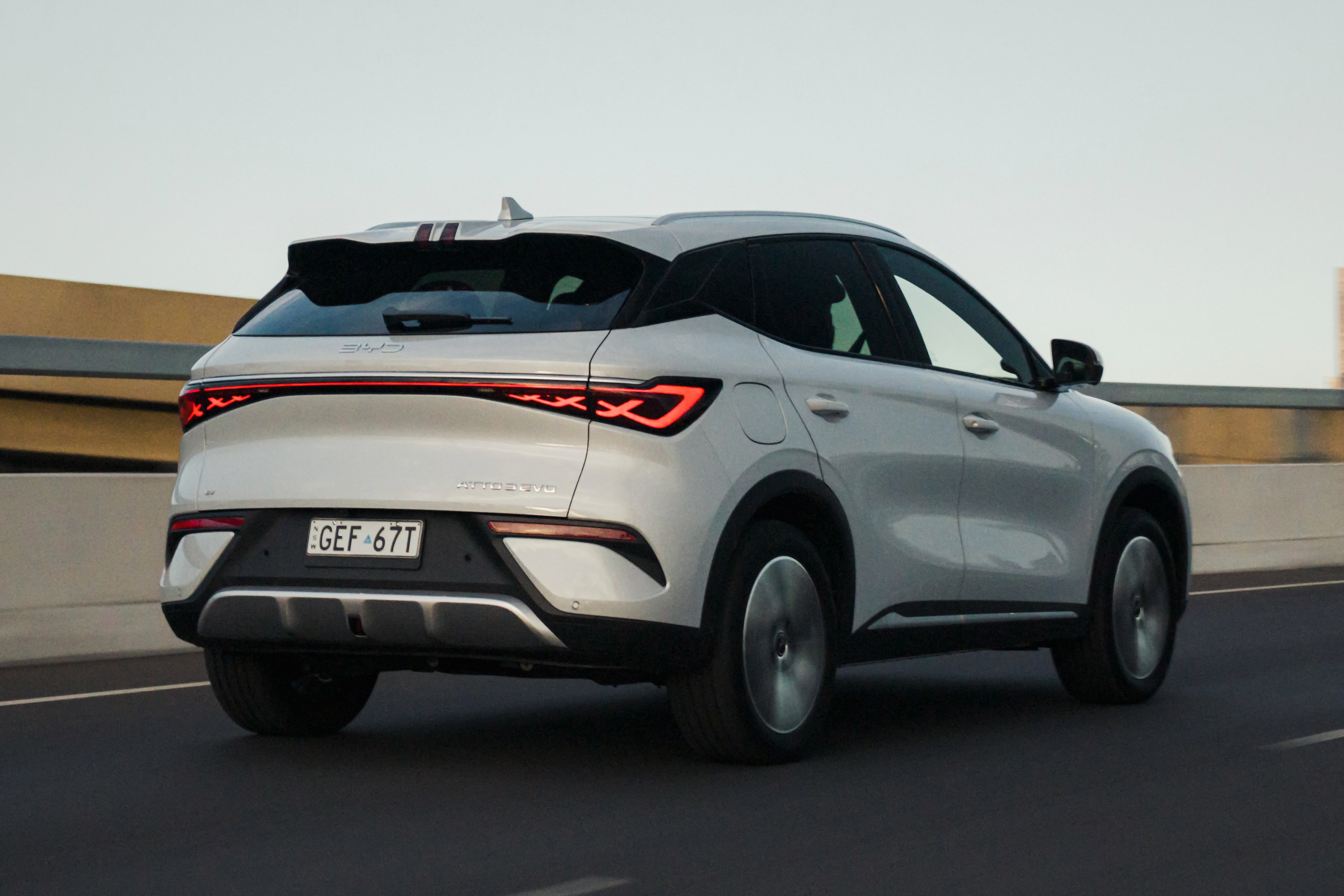
It’s no sports car, but it’s finally on par with other RWD EVs like the MG S5. There are still key differences, such as the BYD’s steering, which I felt was a touch too heavy for normal driving.
It isn’t the type of heaviness that gives the car a sense of substance; instead, it feels quite artificial and numb. It makes the front-end feel somewhat lazy, but at least the lack of feedback is less of an issue now that there’s no torque steer to worry about.
And on that note, the Evo’s RWD-ness isn’t afraid to make itself known. Hasty acceleration out of an intersection will easily break traction with at least one rear wheel, though the traction control system seems well calibrated and will keep you pointing in the right direction.
That works nicely with the decent response from the throttle and brake pedals, and the Atto 3 Evo remains easy to drive. That said, you may still have concerns about the car’s suspension tune and its perceived size on the road.
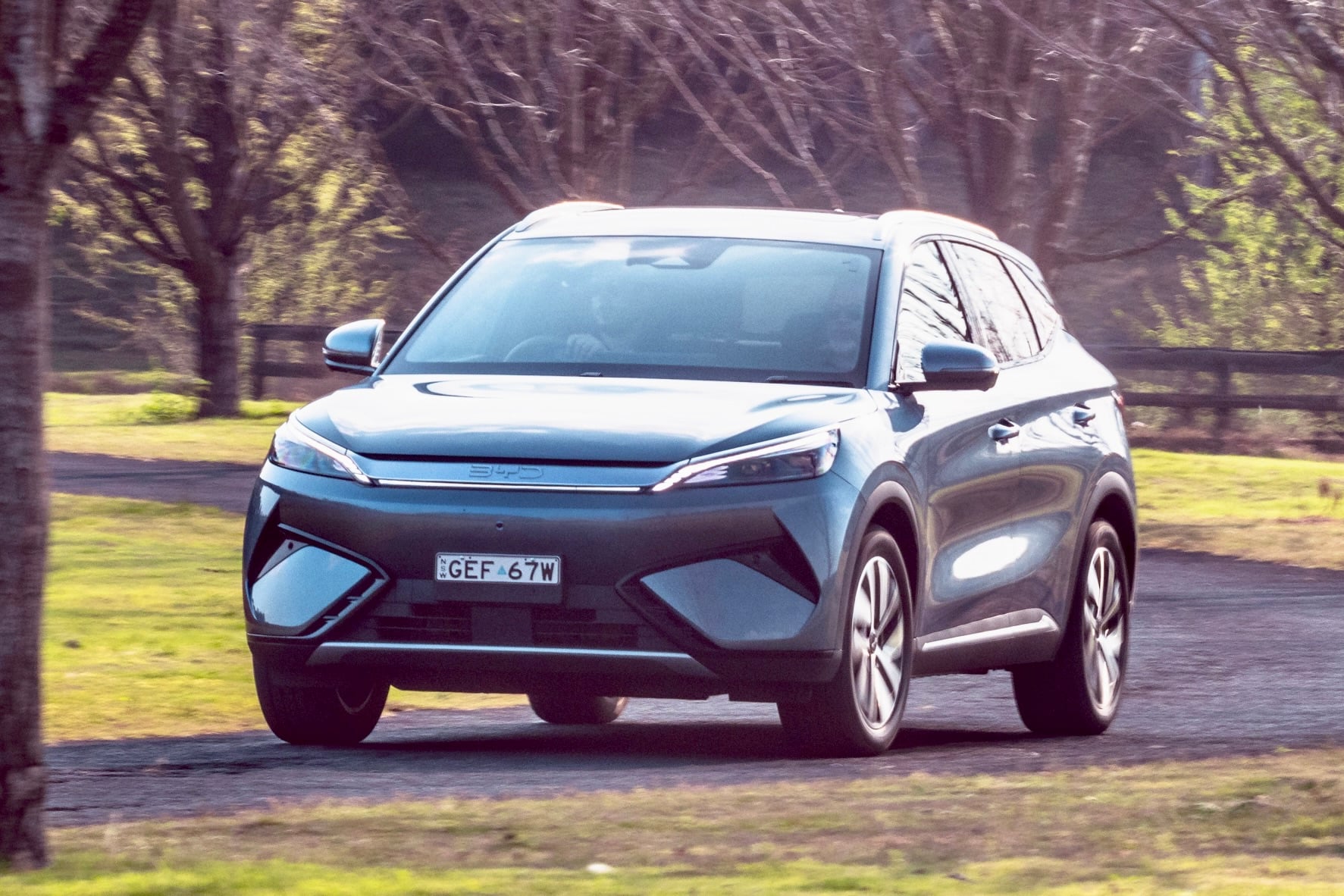
Like many other BYD EVs, the Atto 3 Evo has a relatively firm ride. It seems like BYD is chasing a sporty character here, but it’s not quite executed to the same level as the surprisingly well-sorted MG S5 EV.
Body roll is still managed fairly well, but the lifeless steering does make it a bit harder to read the car than it should be. Of course, that’s unlikely to be an issue at the shops or during the school run.
And we’re not saying the ride is unacceptable, because it’s perfectly liveable in normal driving. That brings us to the size argument, because the huge interior makes the car feel more bloated than it really is.
That’s a trait amplified by its hefty 1.9-tonne kerb weight. We actually prefer driving the Atto 2 EV as a result, mostly because its on-road footprint feels more in keeping with its external dimensions.
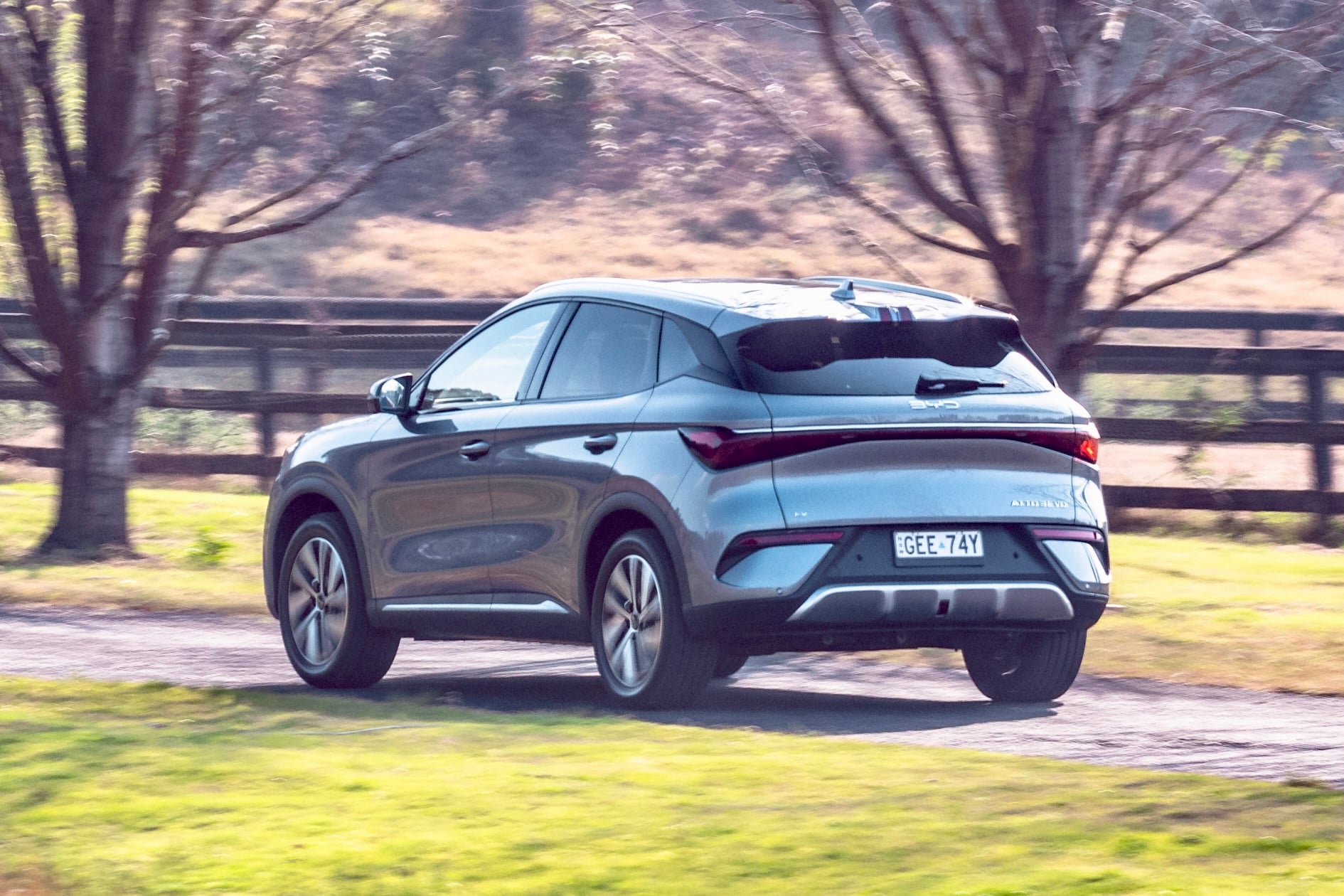
Now, it’s important to consider that while no small SUV needs to be particularly engaging to drive, the Atto 3 Evo leaves a bit to be desired. The Atto 2 isn’t a whole lot better in that regard, but at least it’s cheaper, smaller, and lighter, which makes a big difference in combination.
Regardless, the Atto 3 remains okay to drive, and most functions work as expected. In typical BYD fashion, it lacks a true one-pedal driving mode, which means you’ll always need to use the brakes to come to a stop.
There is still regenerative braking, available in two strengths. Both seem calibrated well enough, so they’re easy to understand and adapt to. The weakest ‘Standard’ setting feels most like typical engine braking in a traditional combustion car.
In terms of safety tech, the Atto 3 Evo’s driver-assistance systems are as strong as they were in the old car. A highlight is the camera system, as it offers a plethora of views and angles in impressively high quality.
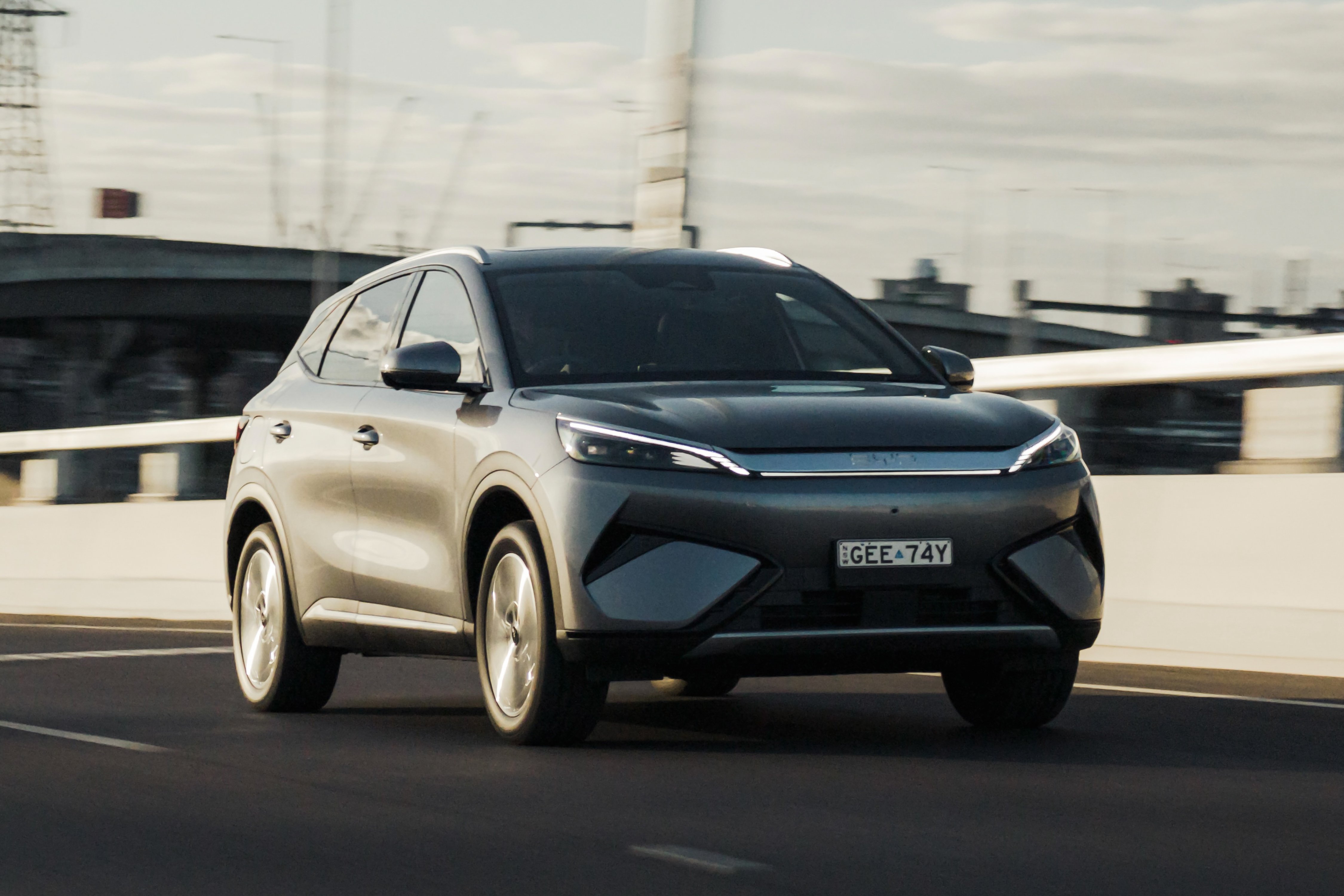
Other systems, like blind-spot monitoring and adaptive cruise control, worked fine during our short drive, but we have other gripes. One is the driver monitoring system, which is too sensitive – although this is nothing new.
More significant for us is the lane-keep assist, because it was more intrusive than we were expecting. It often tugged at the steering wheel on narrow country roads when there was little need to do so, and got confused through an off-camber bend, again jumping in when it wasn’t needed.
These are small hiccups in a generally solid driving experience, and ones that could potentially be addressed via software updates. Still, the price has us wanting a little more.
At least cabin refinement is solid, so you shouldn’t be annoyed by road or wind noise.
To see how the BYD Atto 3 stacks up against the competition, check out our comparison tool
What do you get?
Two grades of the updated Atto 3 are available at launch.
2027 BYD Atto 3 Evo Dynamic equipment highlights:
- Front-wheel drive powertrain
- 400V electrical architecture
- 18-inch alloy wheels
- Tyre repair kit
- Rain-sensing wipers
- Auto LED headlights
- LED tail-lights
- Roof rails
- Heated power-folding side mirrors
- Auto-dimming interior rear-view mirror
- Synthetic leather-wrapped steering wheel
- Synthetic leather seat upholstery
- 6-way power driver’s seat
- 4-way power front passenger seat
- Heated and ventilated front seats
- 8.8-inch digital instrument display
- 15.6-inch touchscreen infotainment system
- Wireless Apple CarPlay and Android Auto
- DAB+ digital radio
- 8-speaker sound system
- Over-the-air software updates
- Wireless phone charger
- Single-zone climate control
- Rear privacy glass
- Power tailgate
- Panoramic glass roof
- 3.3kW vehicle-to-load (V2L) functionality
- Keyless entry
Atto 3 Evo Premium adds:
- Rear-wheel drive powertrain
- 800V electrical architecture
- 6-way power front passenger seat
- Driver’s seat lumbar support
- Dual-zone climate control
To see how the BYD Atto 3 stacks up against the competition, check out our comparison tool
Is the BYD Atto 3 safe?
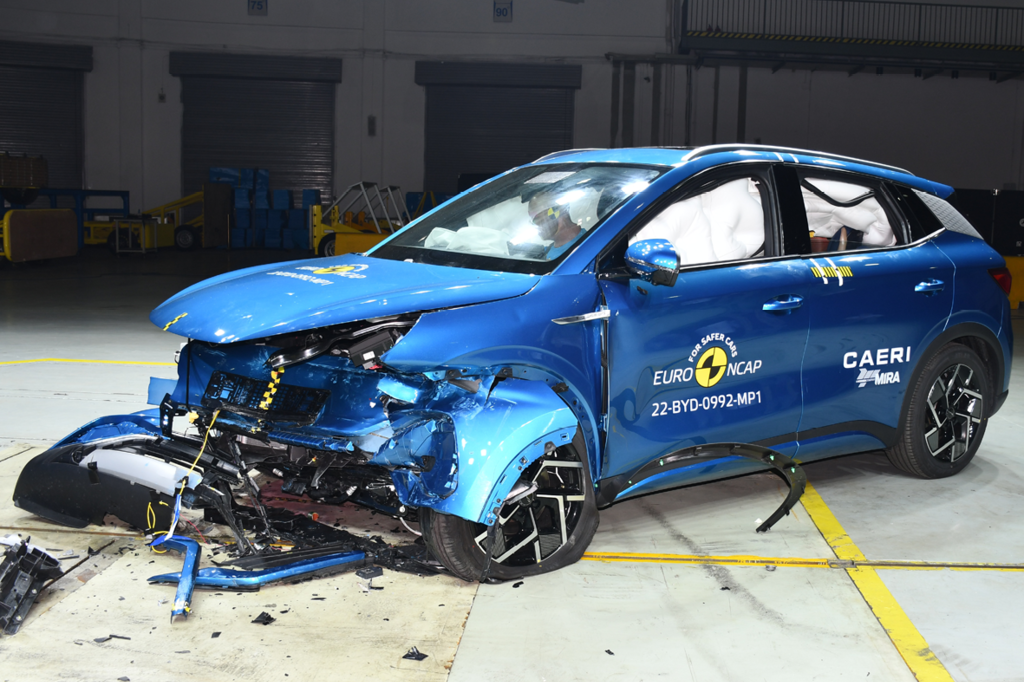
BYD Australia says the Atto 3 Evo will retain the outgoing model’s five-star ANCAP safety rating, based on Euro NCAP testing conducted in 2022. The original assessment scores are shown below.
|
Category |
BYD Atto 3 Evo* |
|---|---|
|
Adult occupant protection |
91 per cent |
|
Child occupant protection |
84 per cent |
|
Vulnerable road user protection |
69 per cent |
|
Safety assist |
80 per cent |
*Based on 2022 BYD Atto 3 testing
Standard safety equipment highlights:
- 7 airbags, incl:
-
- Front
- Side
- Side curtain
- Front centre
- Adaptive cruise control
- Autonomous emergency braking
- Blind-spot monitoring
- Driver attention monitoring
- Front and rear parking sensors
- Lane-keep assist
- Rear cross-traffic alert
- Surround-view monitor
- Traffic sign recognition
- Tyre pressure monitoring
The Premium adds front cross-traffic alert.
To see how the BYD Atto 3 stacks up against the competition, check out our comparison tool
How much does the BYD Atto 3 cost to run?
BYD Australia backs its vehicles with a six-year, 150,000km warranty, and its high-voltage battery packs with an eight-year, 160,000km warranty. Servicing for the Atto 3 Evo is required every 12 months or 20,000km, whichever comes first.
|
Servicing and Warranty |
BYD Atto 3 Evo |
|---|---|
|
Vehicle warranty |
6 years, 150,000km |
|
High-voltage battery warranty |
8 years, 160,000km |
|
Roadside assistance |
12 months |
|
Service intervals |
12 months or 20,000km |
|
Capped-price servicing |
5 years |
|
Average annual service cost |
$282 – Dynamic$334 – Premium |
|
Total capped-price service cost |
$1410 – Dynamic$1670 – Premium |
BYD’s individual service costs are detailed below:
|
Service |
Price (Atto 3 Evo Dynamic) |
Price (Atto 3 Evo Premium) |
|---|---|---|
|
12 months, 20,000km |
$190 |
$190 |
|
24 months, 40,000km |
$375 |
$480 |
|
36 months, 60,000km |
$190 |
$190 |
|
48 months, 80,000km |
$465 |
$620 |
|
60 months, 100,000km |
$190 |
$190 |
BYD’s service pricing for the Atto 3 Evo Premium is roughly on par with what MG outlines for the S5 EV. Over five years, S5 maintenance will cost $1604.
Geely’s EX5 costs less to service over five years at $1190 (via a five-year pre-paid plan), while a five-year plan for the Kia EV3 will cost you $1320.
To see how the BYD Atto 3 stacks up against the competition, check out our comparison tool
CarExpert’s Take on the BYD Atto 3 Evo Premium
The Evo represents a solid update to the Atto 3, but this BYD still isn’t quite as compelling as some of the other small electric SUVs that have been launched since the original Atto 3 first arrived locally, or some of the Chinese brand’s other models.
It’s hard to ignore the positives though. Increased driving range, more power and torque, faster charging, and a more interesting drivetrain configuration make this a better EV than it was before, while its interior is now more mature, if not a little more bland.
But the base Atto 3 Evo isn’t much different to the model it replaces, even if it’s cheaper than its outgoing equivalent. That means you have to step up to the Premium if you want all those goodies, which is becoming a theme with BYD.
Therefore, there are better deals elsewhere, and you don’t even need to look beyond the BYD stable to find them. We suggest buyers check out the Atto 2 instead, because it’s cheaper, similarly appointed, and a bit nicer to drive – although it has a shorter driving range and slower charging speeds.
Above all, it’s clear that BYD has plenty up its sleeve for Australia, where buyers are spoilt for choice when it comes to strong-value EVs from the fast-growing Chinese brand.
CarExpert can save you thousands on a new BYD Atto 3. Click here to get a great deal.
Click the images for the full gallery
