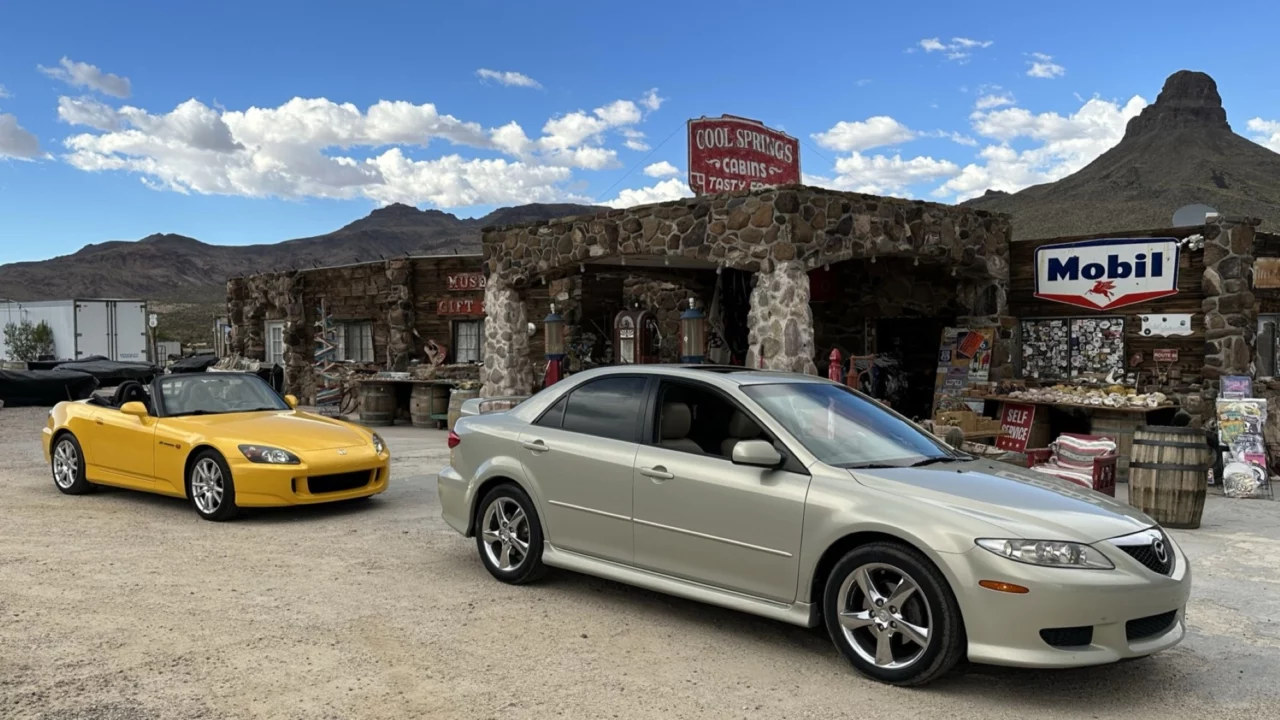
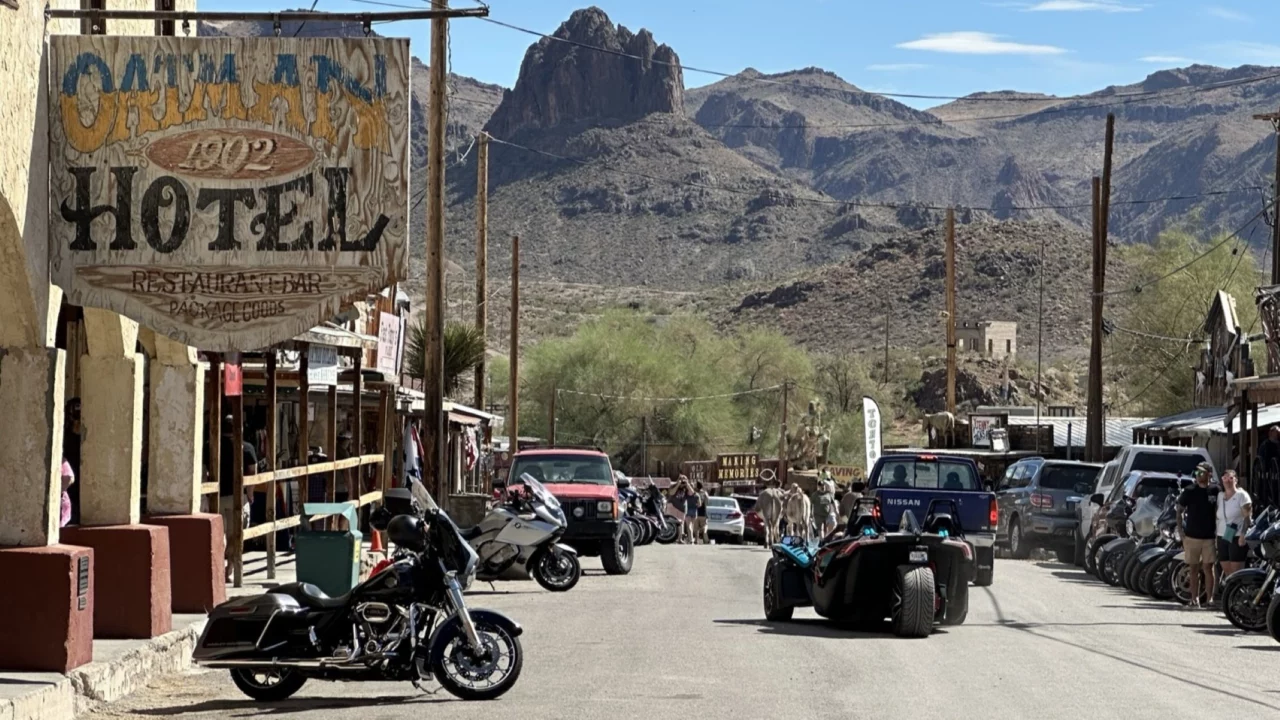
About four years ago, my friend Jason and I took a trek to one of Arizona’s best-surviving and most authentic stretches of Route 66. It passes through the small early-1900s-era mining town of Oatman in the northwestern part of the state. Oatman is one of those “frozen-in-time” spots today, similar to Seligman, which I visited a while back in my Acura NSX.
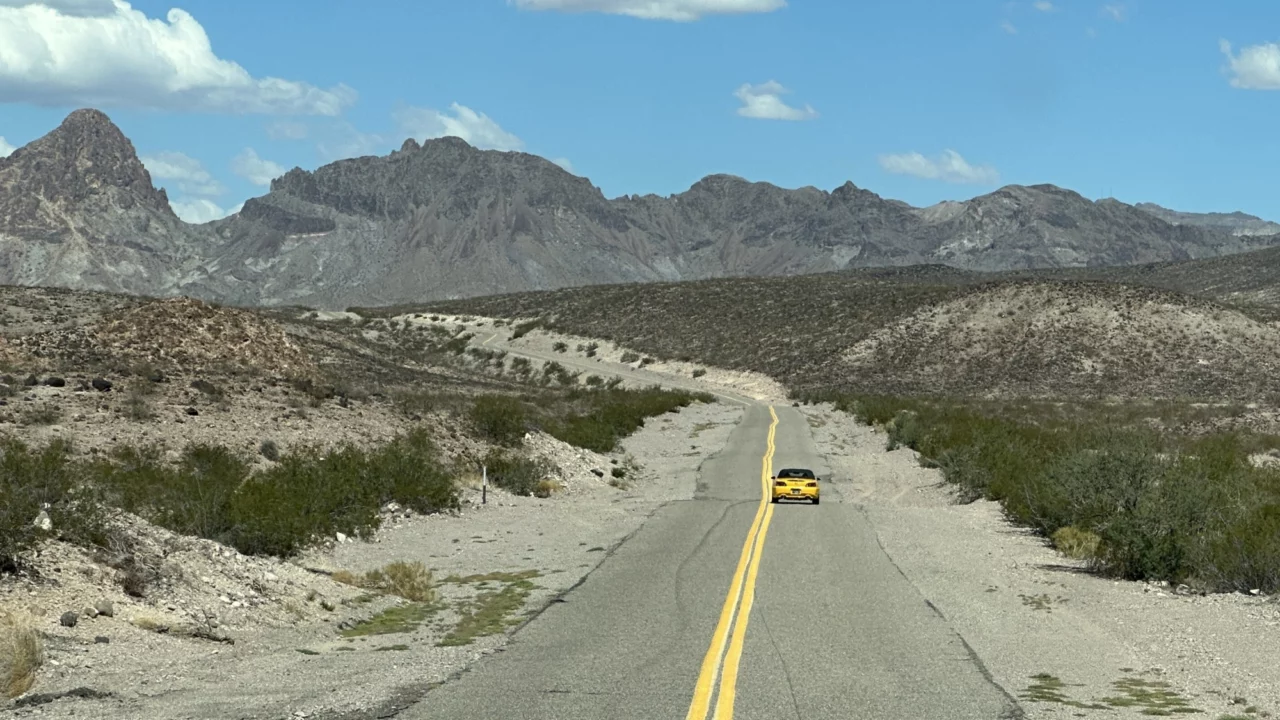
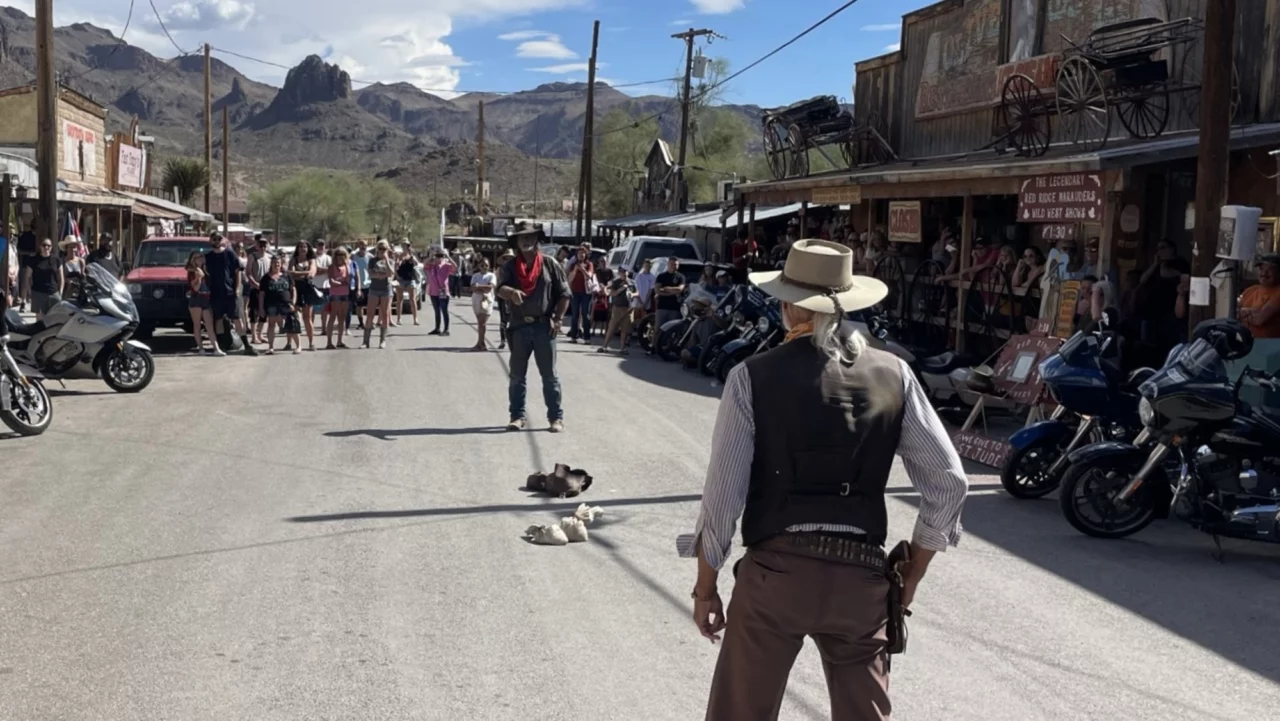
My chariot for the road trip was my 2004 Honda S2000. Convertible weather was prime, after all. It was a perfect weekend escape, filled with equal parts adventure, exhilaration, education, and nostalgia. I miss the S2000, and one day I’d like to get another. Oatman was true to its old-timey feel, complete with gunfight reenactments.
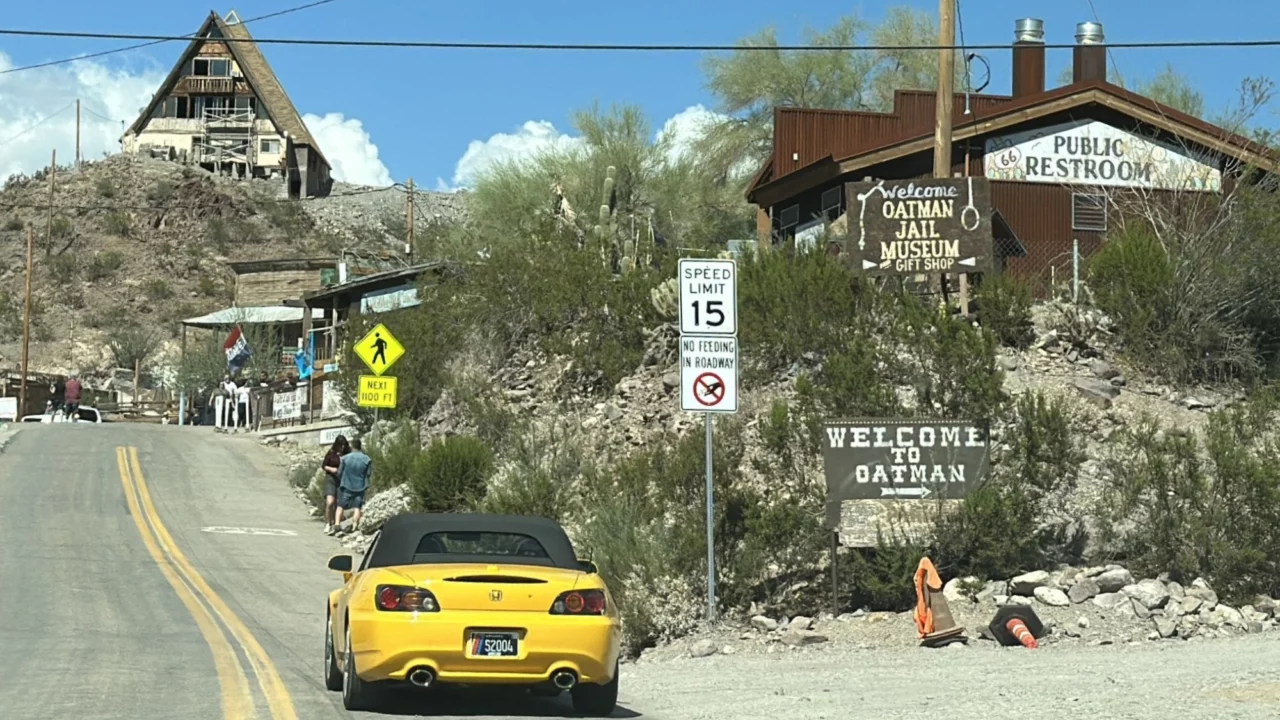
Before my adventure, I went down a rabbit hole of Route 66 videos, and I found Sitgreaves Pass, which winds through the hills just east of Oatman, particularly interesting. The piece of road was named for Captain Lorenzo Sitgreaves.
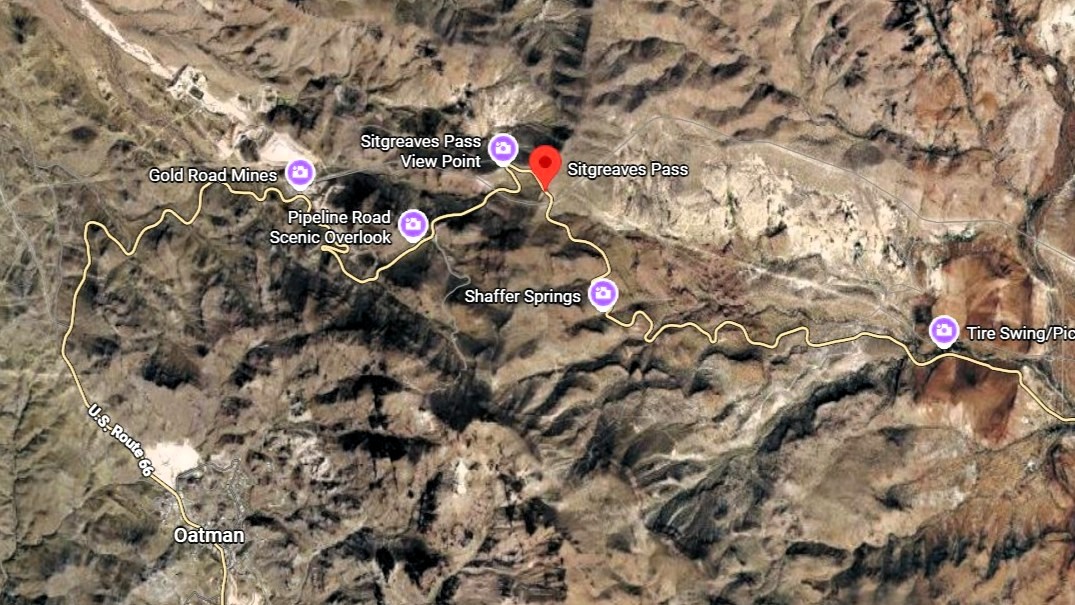
Except Sitgreaves’ expeditions in the mid-1800s did not ever actually go through the pass that currently bears his name. The naming mistake has remained permanent, though.
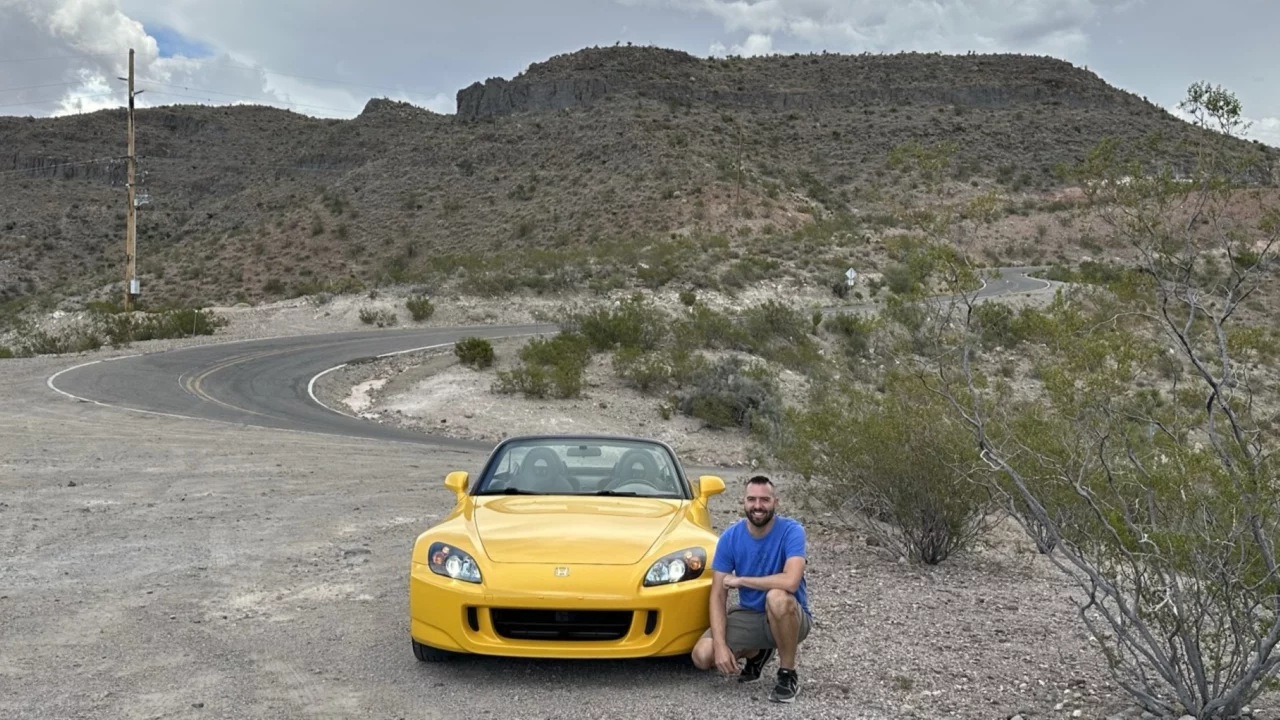
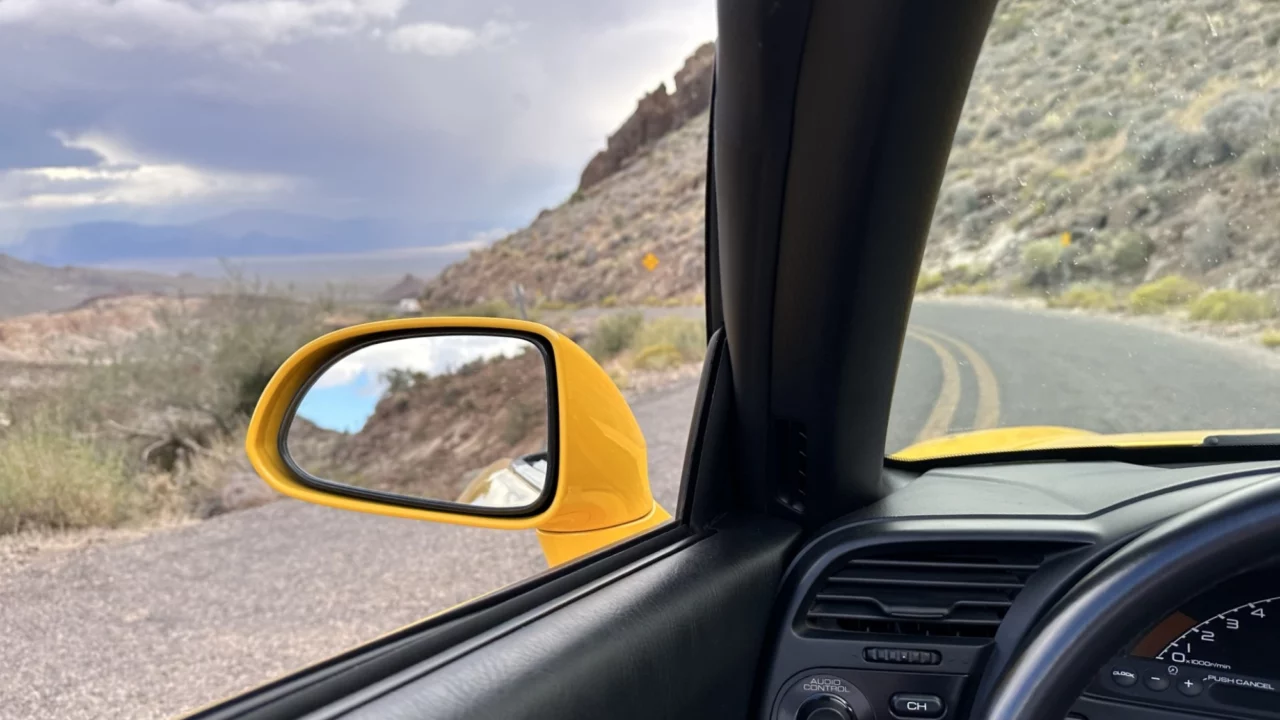
In its day, Sitgreaves Pass was a treacherous piece of road, characterized by hairpin curves and steep grades. It reaches an elevation of 3,586 feet, and to some, has gone by the name “Arizona Sidewinder.” For early motorists in the 1920s and ‘30s, Sitgreaves posed specific challenges for people driving cars like the Ford Model T. One of the channels I follow, called Old Alignment, taught me that those types of cars often had to drive up the grade in reverse. For more details, here’s the video itself:
The reasons for the backing up scenario?
Early motorcars used a gravity-feed system for fuel supply, and because of the location of the fuel tank, when cars were placed on an uphill grade (sometimes upwards of 12 percent), the angle caused a fuel starvation issue. By driving in reverse, the rear end (and fuel tank) were placed above the engine, forcing fuel to flow properly. Also, the reverse gear in those cars was very low, giving an advantage for crawling.
As one can imagine, driving up a steep grade in a primitive car in reverse was not for the faint of heart. With that in mind, some entrepreneurs offered a service in which they would drive (or tow) someone’s car for them. Luckily for me, there were no issues cresting the grade in a 2004 Honda. But it would have been fun to experience the raw, original alignment in a period-correct machine.