

Toyota Australia expects to sell a record number of vehicles in the final three months of 2026 to finish the year with more than 220,000 sales and remain the country’s best-selling car brand for the 31st consecutive year.
Toyota topped new-vehicle sales yet again in September, when the Japanese brand sold more than twice as many vehicles as next-best BYD, with Ford, Kia and Mazda rounding out the top five.
Toyota leads year-to-date sales with 152,944 deliveries, ahead of BYD with 76,614. However, its result is down 15.9 per cent or 28,865 vehicles year-on-year, the second-largest percentage decline among the top-10 brands behind Mazda, which is down 16.2 per cent.
In June, BYD came within 243 vehicles of toppling Toyota for the month, but hasn’t come close since.
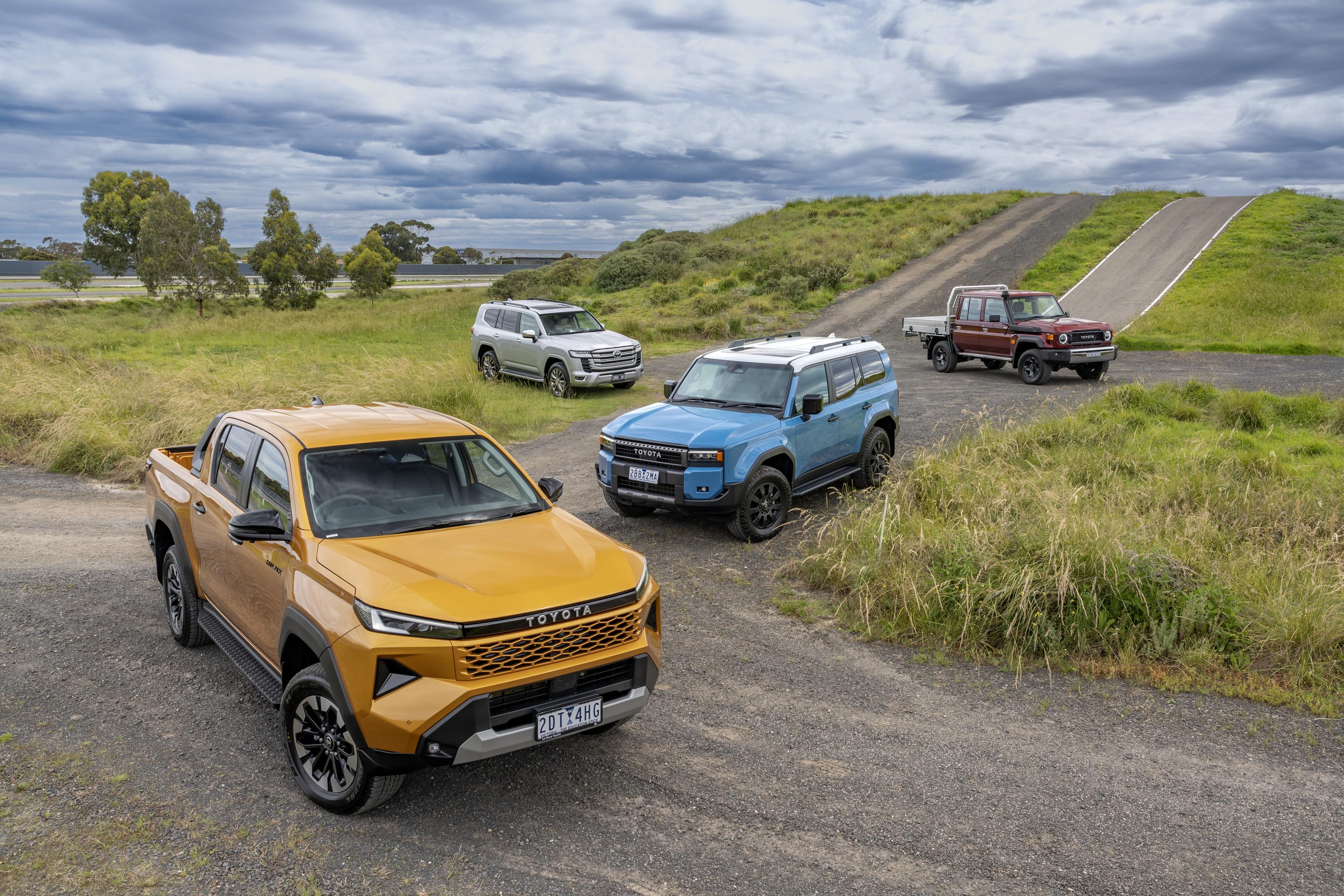
Speaking at a media briefing at the automaker’s Port Melbourne headquarters, Toyota Australia vice president of sales John Pappas said the company is on track to remain at the top of the local sales charts “by a healthy margin”.
“Based on where we are right now, and with the plans that we’ve got for the last quarter, we’ll be number one again this year for the 31st year in Australia,” Mr Pappas said.
“The last quarter for us will be a record. The last time we did this type of volume in the last quarter was in 2020, and we’ll do more than what we did then. That was around 66,000 or thereabouts, so we’ll do more than that.”
Toyota sold 66,179 vehicles in the final three months of 2020.

“We’ve got our order banks still very, very healthy, and our order intake, fresh order intake, still going very, very strong,” Mr Pappas said.
“So, it’s not really an issue of demand, it’s actually an issue of getting the cars – logistics and getting the cars shipment-wise. Based on those constraints, we’re very challenged by those types of numbers, but we’ll do over 220,000.”
Toyota will need to sell 67,056 vehicles in the final three months of the year to reach 220,000 sales in 2026.
It delivered 57,803 vehicles in its best quarter so far this year, from July through September, which was down from 63,181 during the same three months of 2025.
On a monthly basis, the 3.5 per cent year-on-year decline in September was Toyota’s smallest of 2026 so far, while its biggest monthly fall was 30.7 per cent in May.
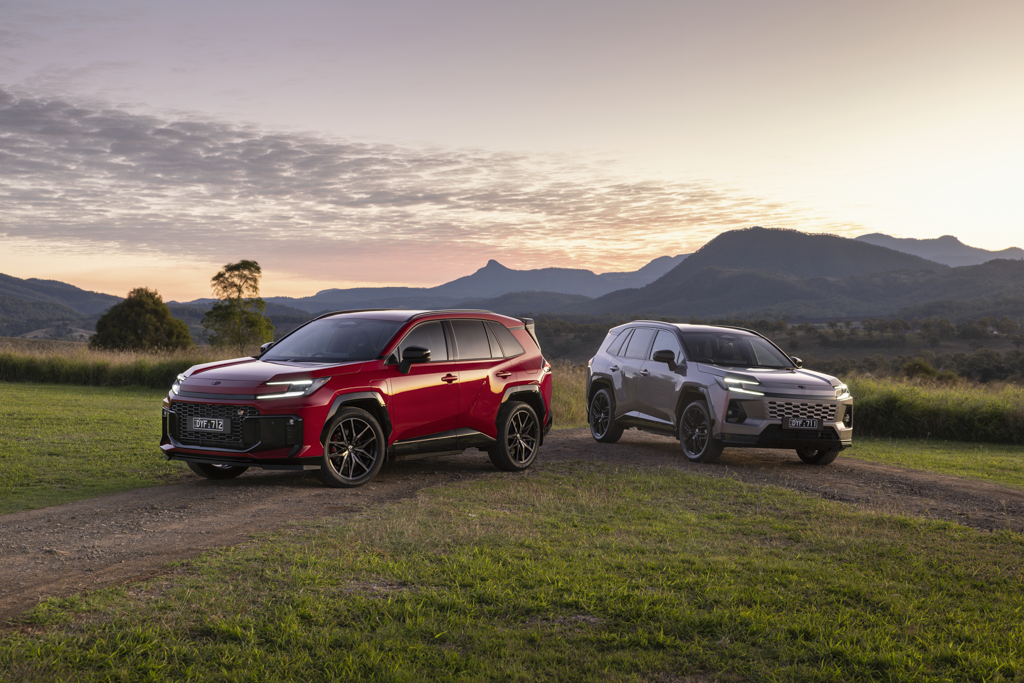
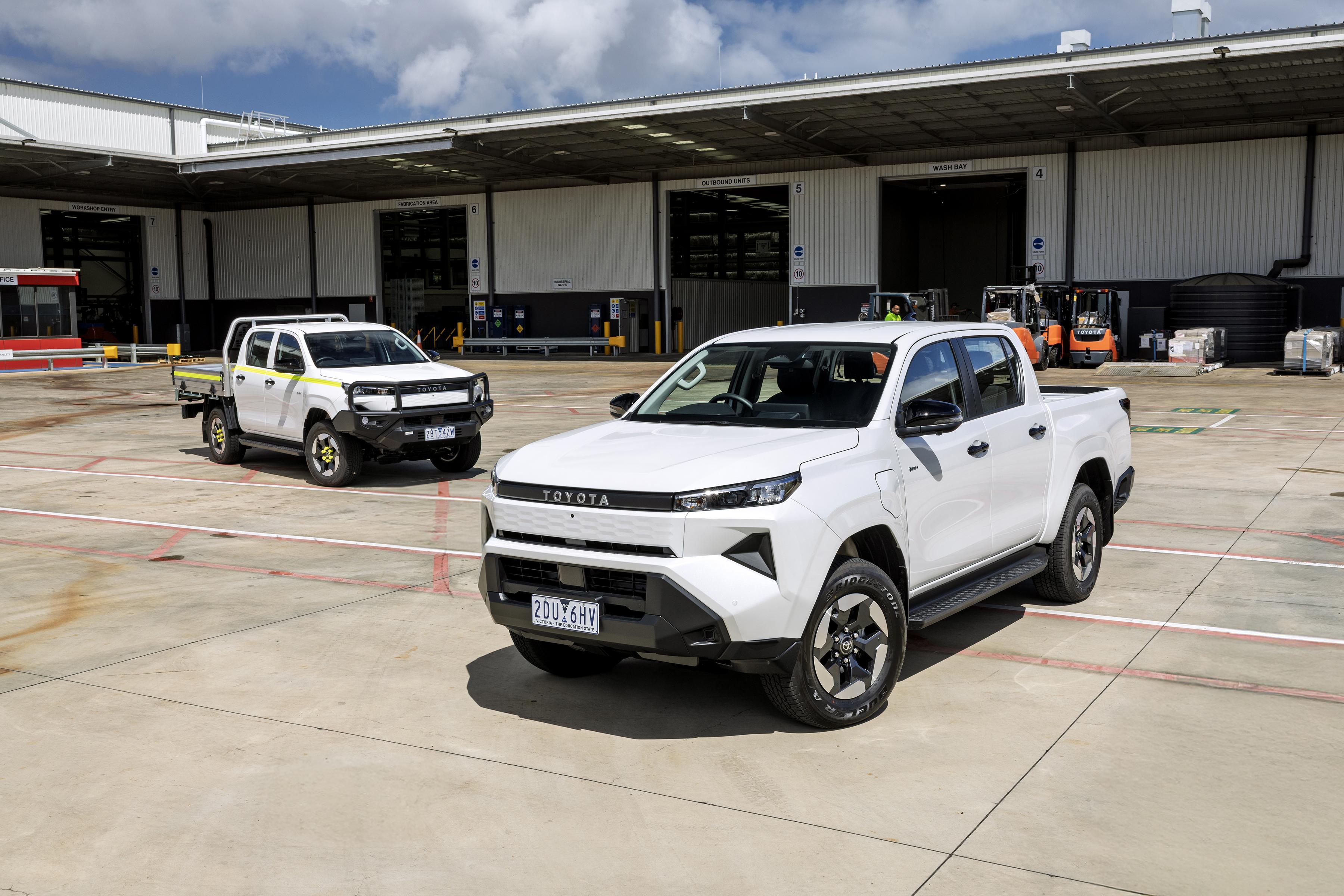
Toyota said the changeover to the new RAV4 mid-size SUV, which had a delayed introduction in early 2026, and the new-generation HiLux ute launched in December 2025 had impacted its sales.
“We knew coming into this year we weren’t going to have a really good start based on RAV4 and HiLux sales,” Mr Pappas said.
“So, we knew it was going to be a ramp-up, which is not ideal because it just puts pressure on the whole supply chain, but we’re seeing a lot of stock now. The stock’s coming through and we’ve got the demand for it. Our challenge now is making sure that we can get it in and process the stock.”
That’s reflected in the figures, with Toyota sales down 23.0 per cent in the first quarter. It sold 44,490 vehicles between January and March 2026, compared with 57,797 over the same period in 2025.
As stock began arriving, the RAV4 topped the sales charts in April, knocking the Ford Ranger from the number-one spot, and it did so again in July.
Mr Pappas said the typical customer wait time for a new Toyota is currently between three and six months, but the company is working to bring that closer to three months, focusing on its higher-volume models.
“We had longer lead times at the beginning of the year, a lot longer, so now we’ve been able to really claw that back with the support of TMC, Toyota Motor Corporation, that is Japan, to try and claw that back to a more healthy level,” he said.
“The biggest challenge we’ve got right now is with the geopolitical side of logistics. Frankly, we’re really pressed and challenged with logistics based on that type of volume, so we’ll do everything we can to maximise the result, so we can get cars [to] customers as quickly as possible.”
