


Chery says its Stockman diesel plug-in hybrid (PHEV) ute can keep its engine running to charge the battery and support diesel particulate filter regeneration, even when there’s enough electric power available.
Speaking to CarExpert and other Australian media in China, Stockman chief product manager Mark Qi explained how the automaker is managing the exhaust heat needed to clean the filter in a vehicle that can also run on electricity.
“Even if there is enough electric power, we keep the engine working for a while. First, it can keep charging the battery. Second, it is good for the exhaust system,” Mr Qi said.
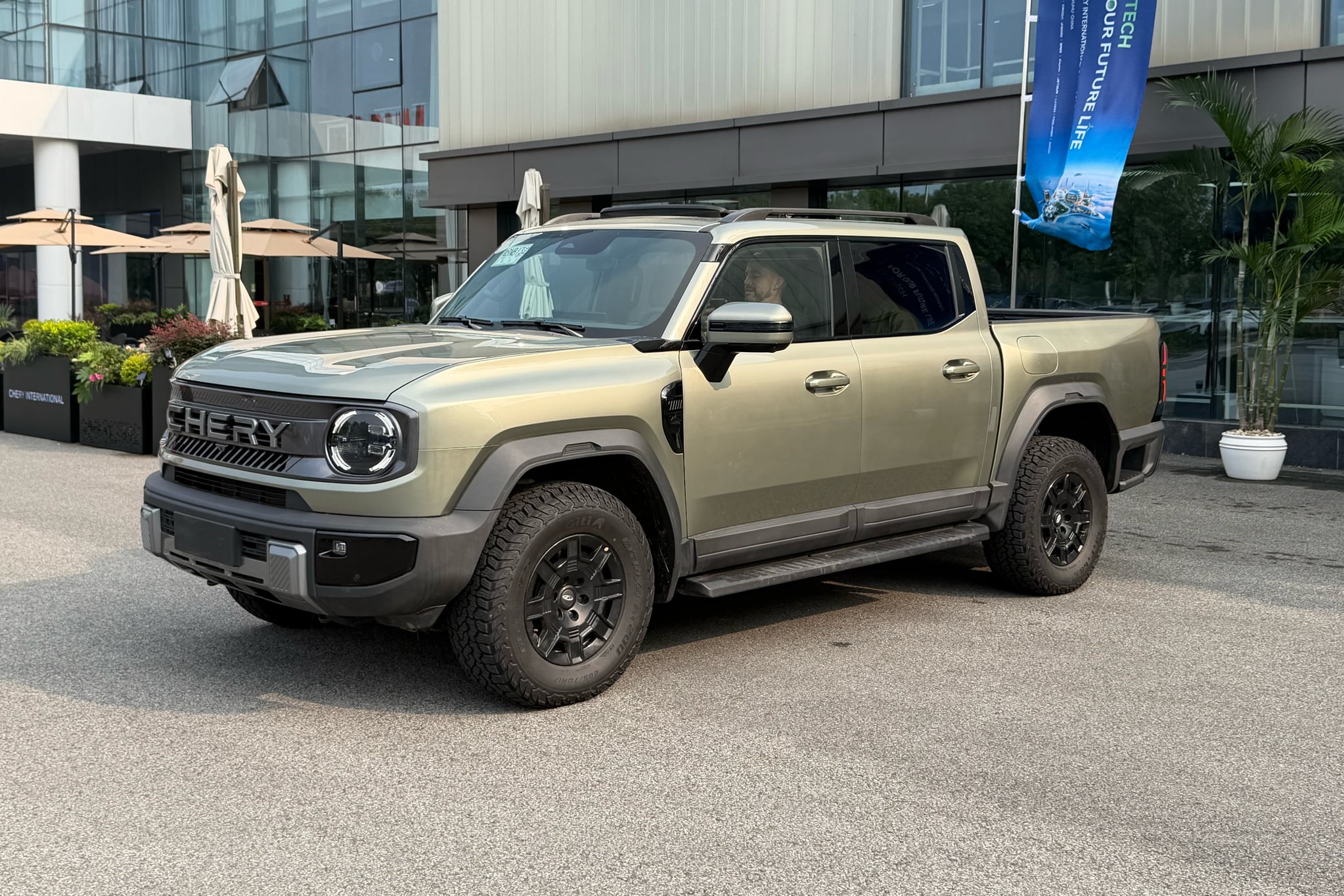
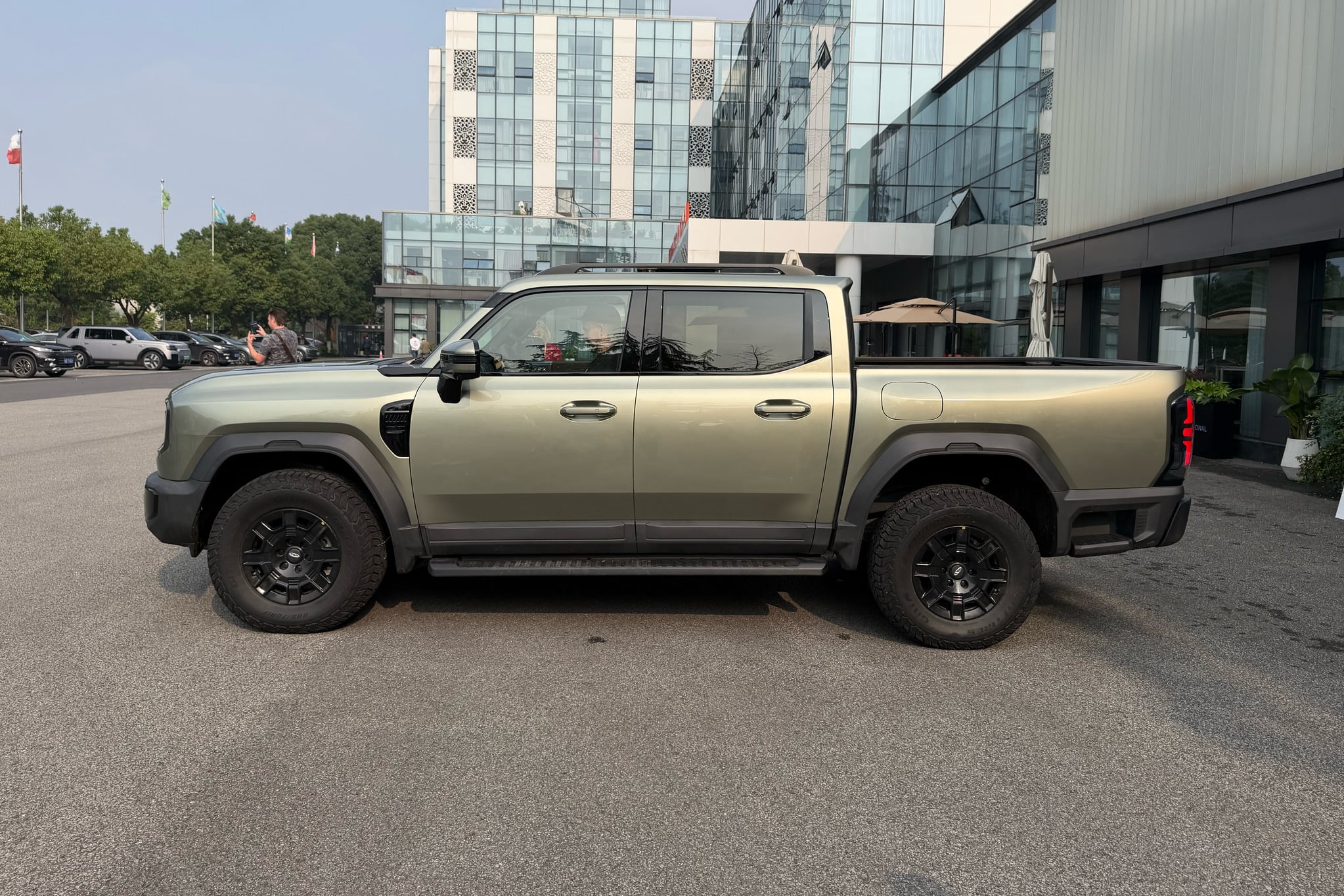
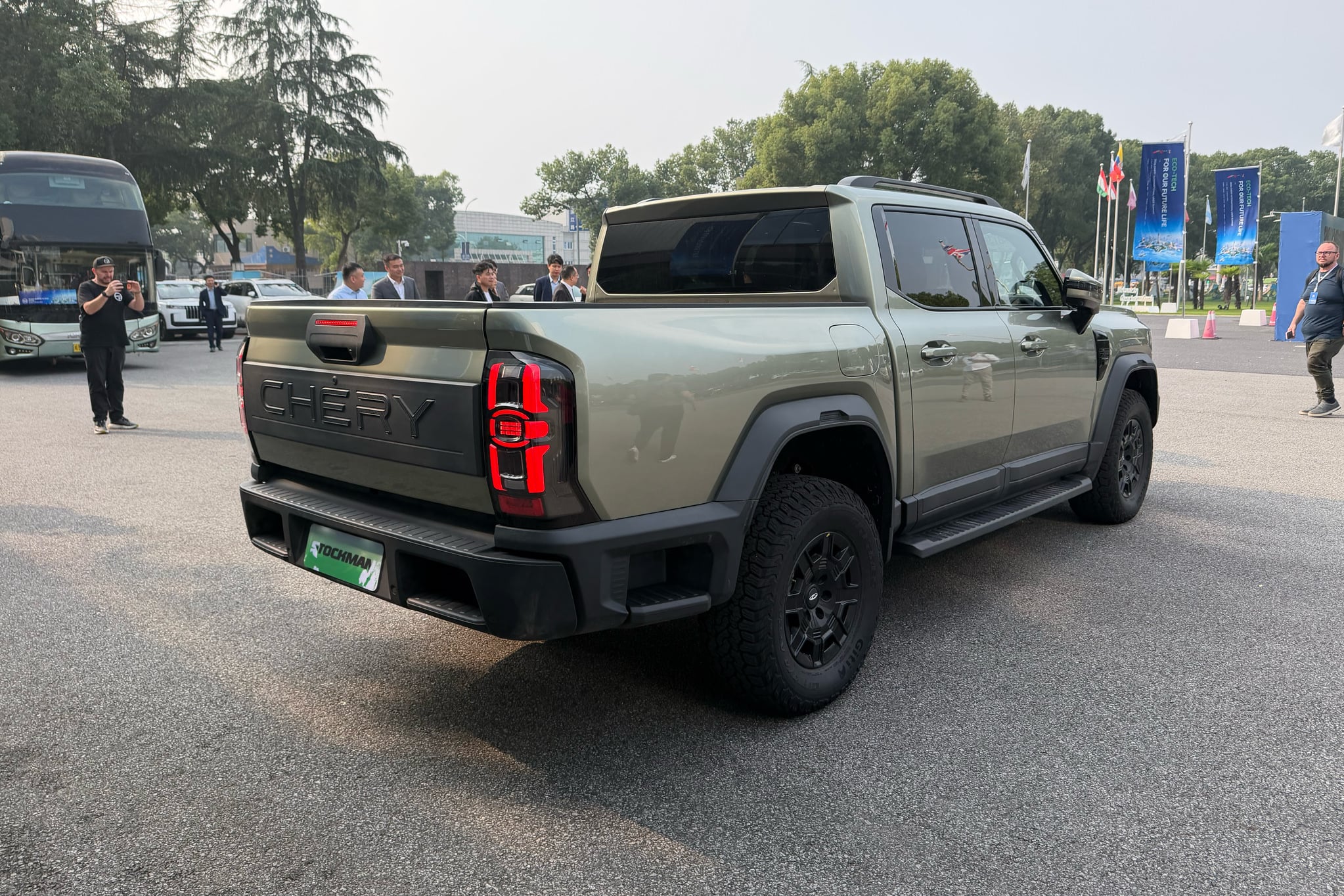
The Stockman is set to be Australia’s first diesel plug-in hybrid (PHEV) ute. It will join a market in which the BYD Shark 6, Ford Ranger Hybrid and GWM Cannon Alpha PHEV combine electric power with petrol engines.
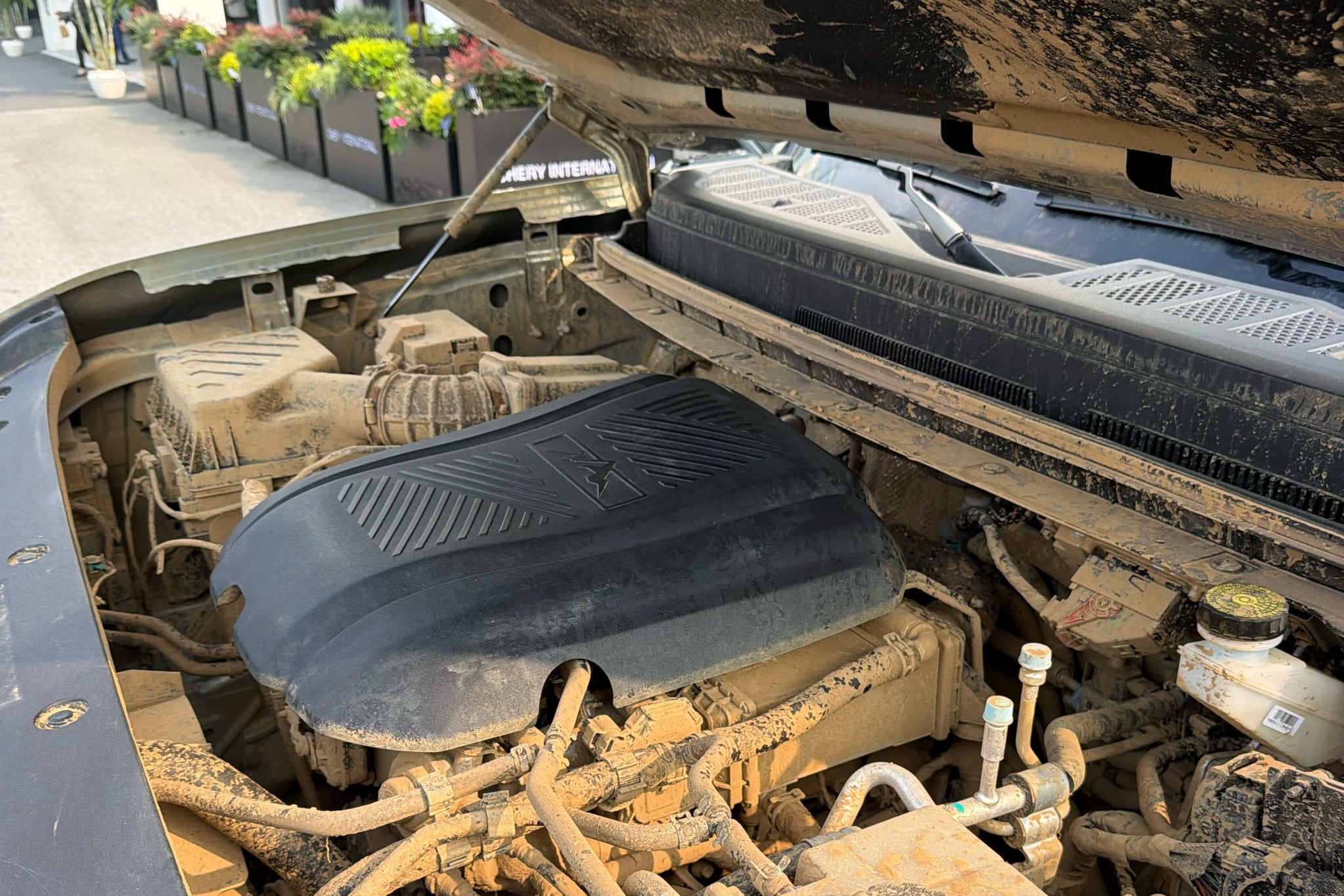
Chery’s preliminary Australian specifications list a 2.5-litre four-cylinder turbo-diesel engine, a 34kWh lithium iron phosphate battery and total system outputs of 350kW of power and 800Nm of torque. Claimed electric range is 96km on the WLTC test cycle.
A diesel particulate filter, or DPF, traps soot in the exhaust. Regeneration uses heat to burn off that accumulated soot, allowing the filter to continue doing its job.
Short journeys and repeated engine shutdowns can make it harder for a conventional diesel to complete regeneration.
Mr Qi was asked how Chery would manage that concern in a hybrid, where the engine can switch between running and being shut down as power demands change.
“We also have to think about exhaust temperature, not only engine temperature,” he said.
He used the example of a driver asking for more acceleration at low speed, bringing the diesel engine into operation alongside the electric drive.
“For example, even at low speed, you may need more torque and press the accelerator hard, so the engine starts. We don’t want it to run for only one or two seconds and then shut down. That is bad for the feel, but also for the exhaust system and DPF.”
Under the strategy Mr Qi described, the engine can continue charging the battery while also providing heat for the exhaust system. Having electrical power available therefore does not always mean the diesel will immediately switch off.
“Even when you are not driving, if the engine is charging the battery, it can also do the work needed to regenerate the DPF. That is our approach to the DPF,” Mr Qi said.
Asked whether the system required a separate DPF heater, he said: “Only the exhaust gas. We don’t have special equipment to heat the DPF.”
Mr Qi didn’t specify how often regeneration would occur or how long the engine would need to run.
Chery has previously outlined the challenge of combining a diesel engine with a plug-in hybrid system while meeting emissions requirements.
Mr Qi described the diesel engine itself as one of the project’s biggest challenges.
“It is not as easy as just putting a conventional diesel engine into a PHEV. That is one challenge for us,” he said.
He said making the transition between electric and diesel power smooth was another development challenge.
“When people drive, one second the electric motor is driving the vehicle. The next second they need more power, and the diesel needs to join in.”

The Stockman uses two electric motors and a four-speed dedicated hybrid transmission.
“We chose a four-speed DHT, with four different gears.”
The diesel engine can also drive the wheels mechanically, a requirement Mr Qi said was central to the choice of transmission.
During development, Chery also examined an existing diesel plug-in hybrid powertrain from Mercedes-Benz. Mr Qi said the exercise helped establish what was possible, while Chery pursued its own powertrain layout.
“At that time, we benchmarked Mercedes-Benz’s diesel PHEV. But we did that to make sure, and to understand, that a diesel PHEV could be done.”
“Our technical details are different from Mercedes-Benz. Our engine is different, and the powertrain layout is different.”
GWM has also announced development of diesel hybrid and diesel PHEV powertrains, while identifying exhaust emissions as an engineering challenge.
Australian Stockman deliveries are due to begin from February 1, 2027, following a move from the original late-2026 schedule.
Pricing has yet to be announced. A petrol PHEV version is also planned for the second half of 2027.


