

Honda Accord pricing has increased by $1000 to $65,900 drive-away as part of a minor cosmetic update for Australia, which also brings a shorter complimentary subscription period for Honda Connect services.
The Japanese brand’s updated flagship sedan competes with mid-size four-door hybrids such as the Toyota Camry, which starts at $39,990 before on-road costs, while the new Lexus ES300h is priced from $75,000 before on-roads.
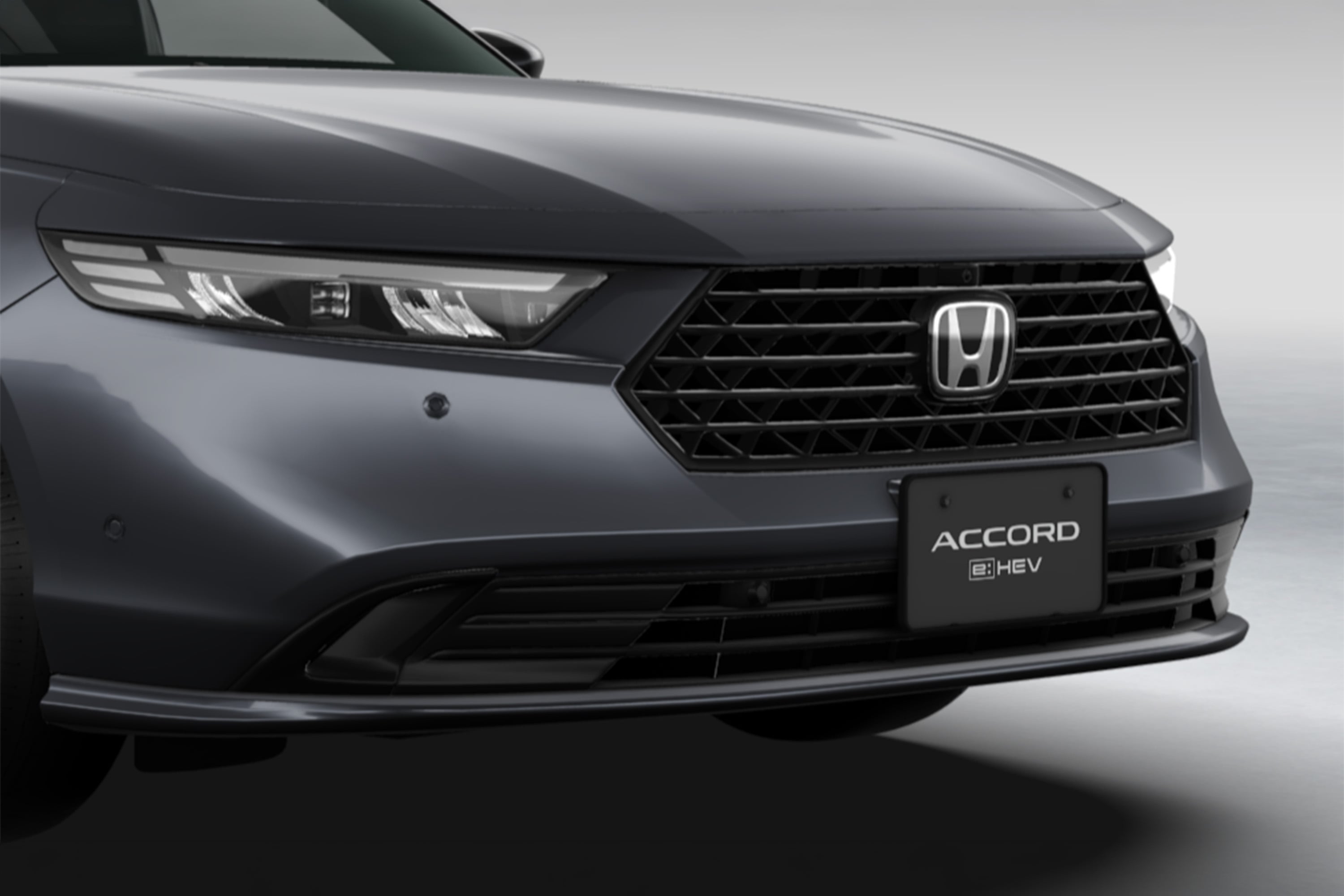
Once again available in a single, high-spec hybrid grade, the 2027 model-year Accord e:HEV RS gains black inserts in place of the outgoing sedan’s silver front bumper trim, while the previously gloss-black lower exterior trim is now body-coloured.
The headlight surrounds are also now body-coloured, while the amber reflectors within the headlights have been removed.
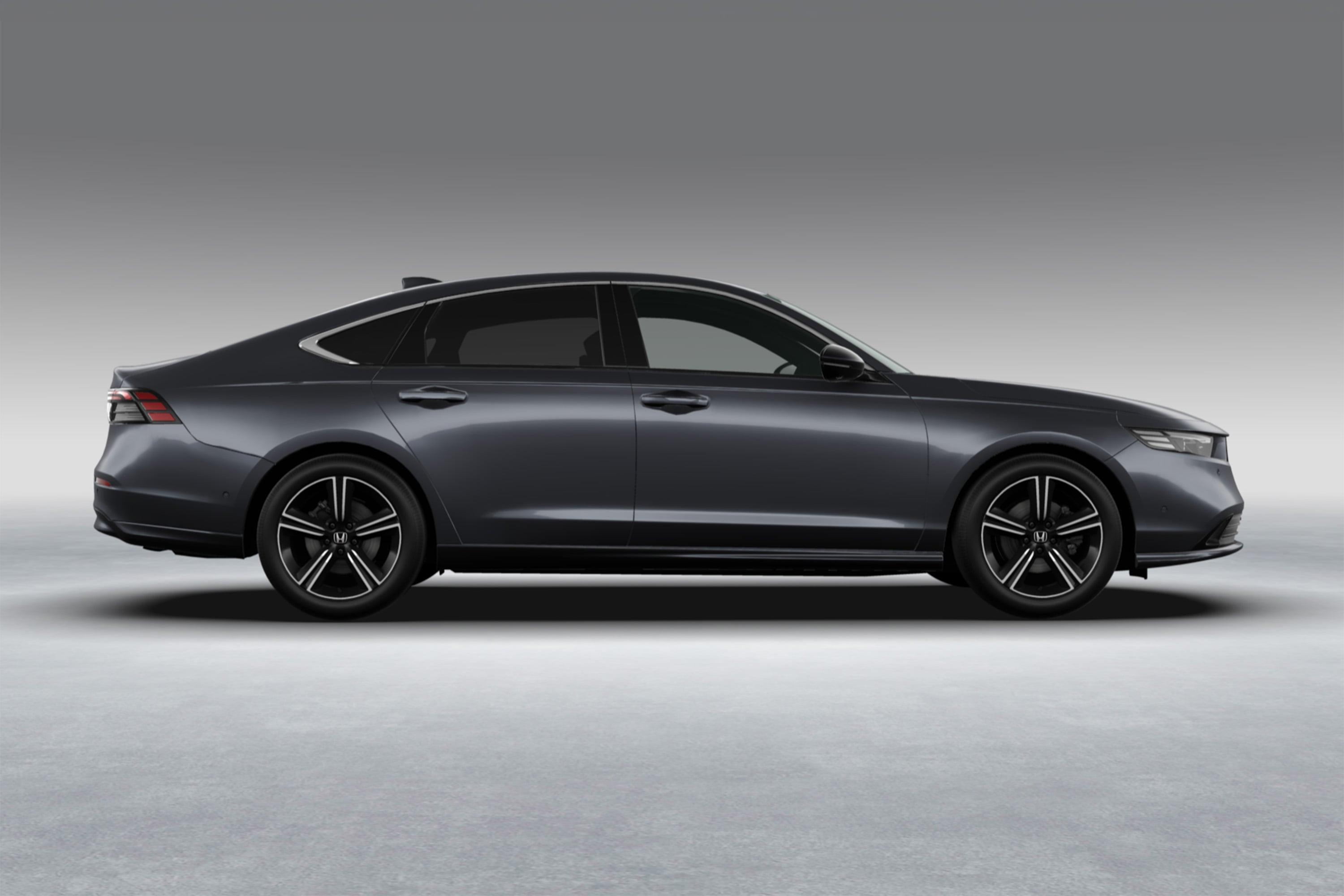
The other external change is the removal of the blue accents from the Honda badges, previously used to denote the hybrid powertrain. Inside, the cabin is unchanged apart from red stitching on the gear selector.
However, Honda has reduced the Accord’s complimentary Honda Connect subscription from five years to three.
Honda Connect is the brand’s connected-car service, with a smartphone app allowing owners to remotely lock the doors, operate the air-conditioning and check vehicle information. An active subscription also provides the internet connection for the Accord’s Google Built-in features.
The Accord supports over-the-air (OTA) software updates and Honda Connect can also provide service reminders.
Servicing is another area in which Honda Australia recently increased prices, this time across almost its entire lineup including the Accord.
Earlier this month, capped-price servicing increased from $199 to $279 per scheduled service for every Honda apart from the recently launched Super-One electric micro-hatch, pricing for which remains at $199.
The first five scheduled services for the Accord now cost $1395, up from $995 when the current 11th-generation model was launched in Australia in 2024.
The Accord otherwise remains unchanged, retaining a hybrid powertrain combining a 2.0-litre four-cylinder petrol engine with two electric motors. It delivers 135kW of power and 335Nm of torque to the front wheels through an electronic continuously variable automatic transmission (e-CVT).
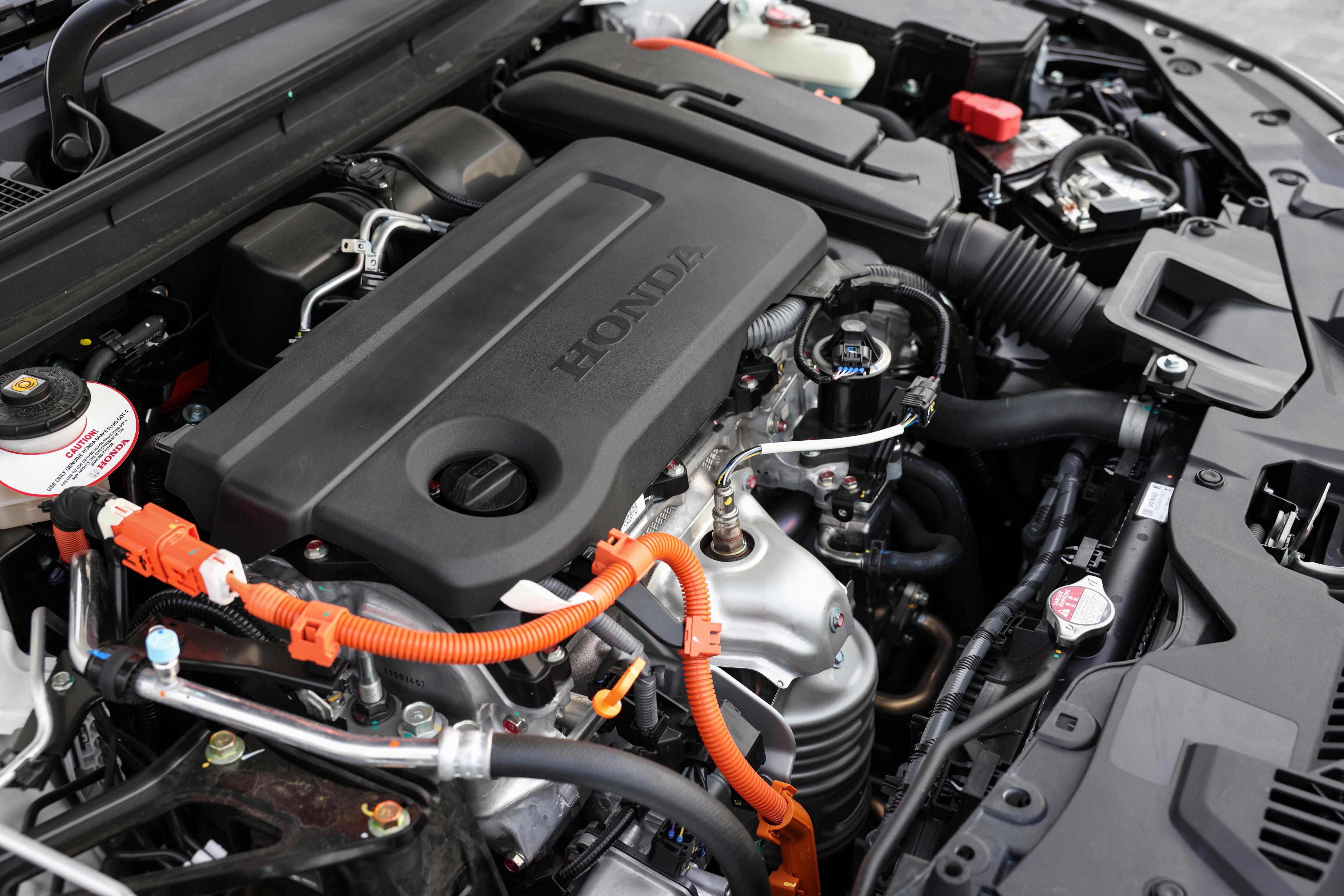
It retains claimed combined fuel consumption of 4.3L/100km on regular 91-octane petrol, along with standard 18-inch alloy wheels, leather-appointed seat trim, a 12.3-inch infotainment touchscreen, Bose audio and a panoramic sunroof.
The Accord remains Honda Australia’s slowest selling model, with only 59 sold in the first nine months of 2026, marking a decline of 24.4 per cent compared with the same period last year. Only the new Super-One has recorded fewer sales this year, with 33 finding homes in September – prior to its official launch on October 1.
Despite this, Honda Australia said earlier this year it had no plans to drop the Accord – one of the brand’s longest-running nameplates – from its local lineup.
“A lot of people love Accord, a lot of people still love Civic and it’s won a lot of awards recently, so we’re really proud of those achievements and as long as we can present those cars at the right value proposition to our customers, absolutely [they’re safe],” Honda Australia general manager of automotive Nick Parkington told earlier this year.
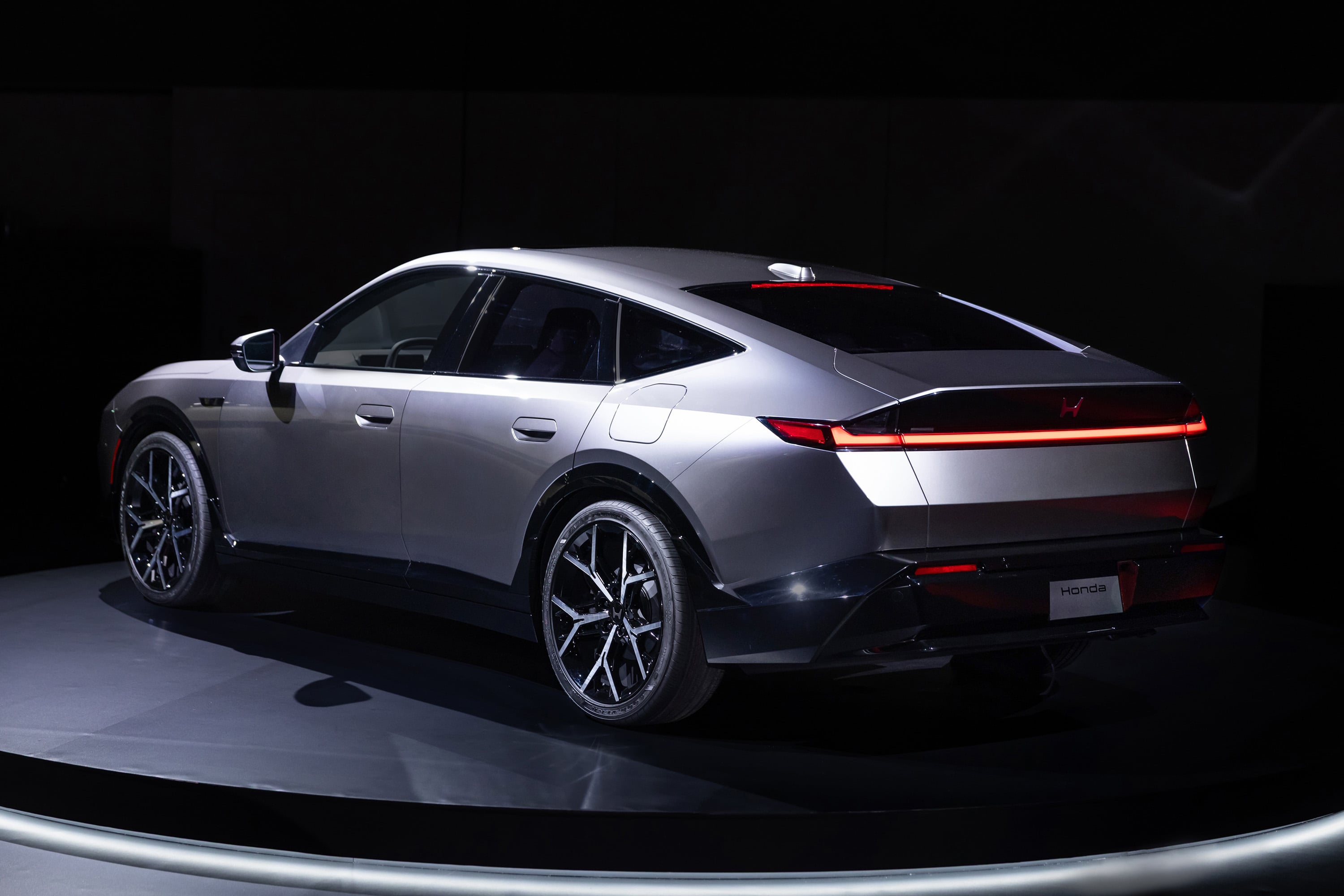
The next-generation Accord has reportedly been delayed as Honda looks to recover from a US$15.8 billion (A$22.6bn) financial hit following the cancellation of several planned electric vehicles.
Production of the next-generation model in North America is now reportedly scheduled to begin in early 2030, rather than 2028. Australian release timing has not been confirmed.
There’s also reportedly an Accord-based SUV under consideration as a potential rival to the Subaru Outback, possibly entering production alongside the 12th-generation sedan.
