

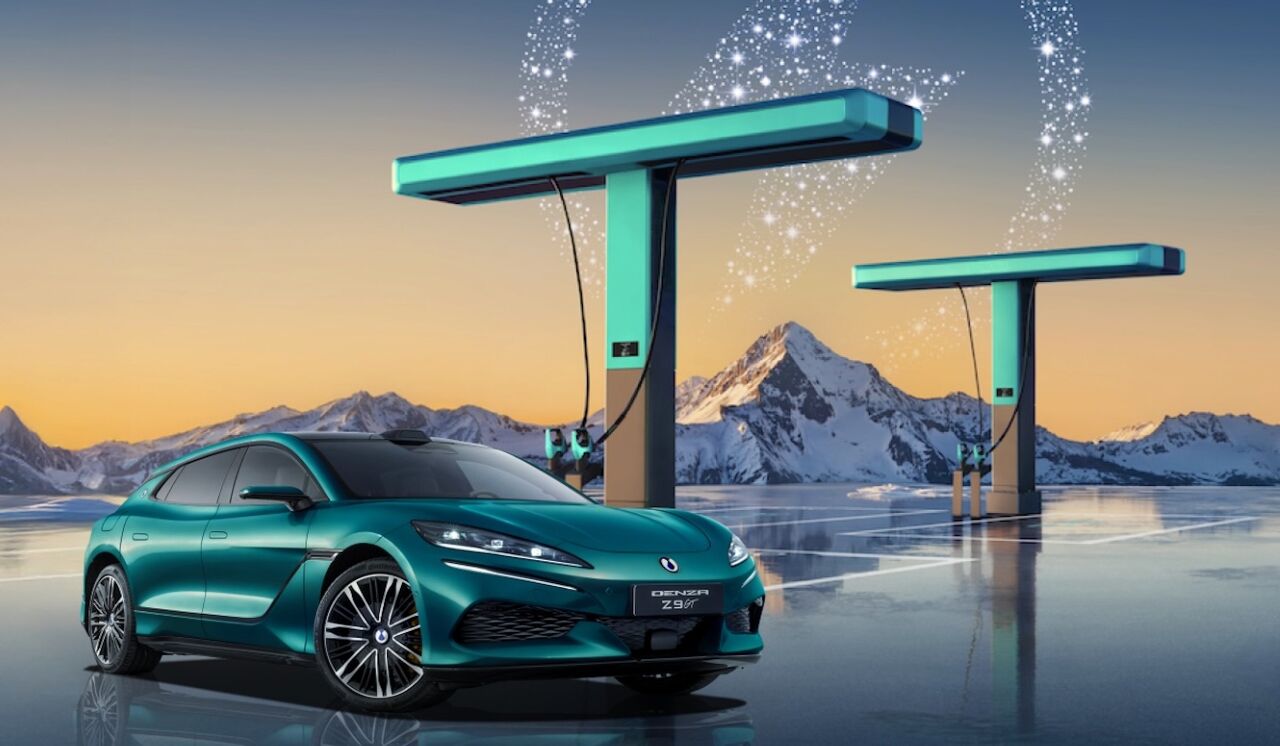
Ask most people what BYD does and they will say electric cars. That is true, and it undersells the company by a wide margin. BYD is a Chinese multinational manufacturing conglomerate that builds rechargeable batteries, stationary energy storage, solar panels, semiconductors, forklifts, and entire monorail systems. The car business is the loudest part. It is not the whole company, and it was not even the first.
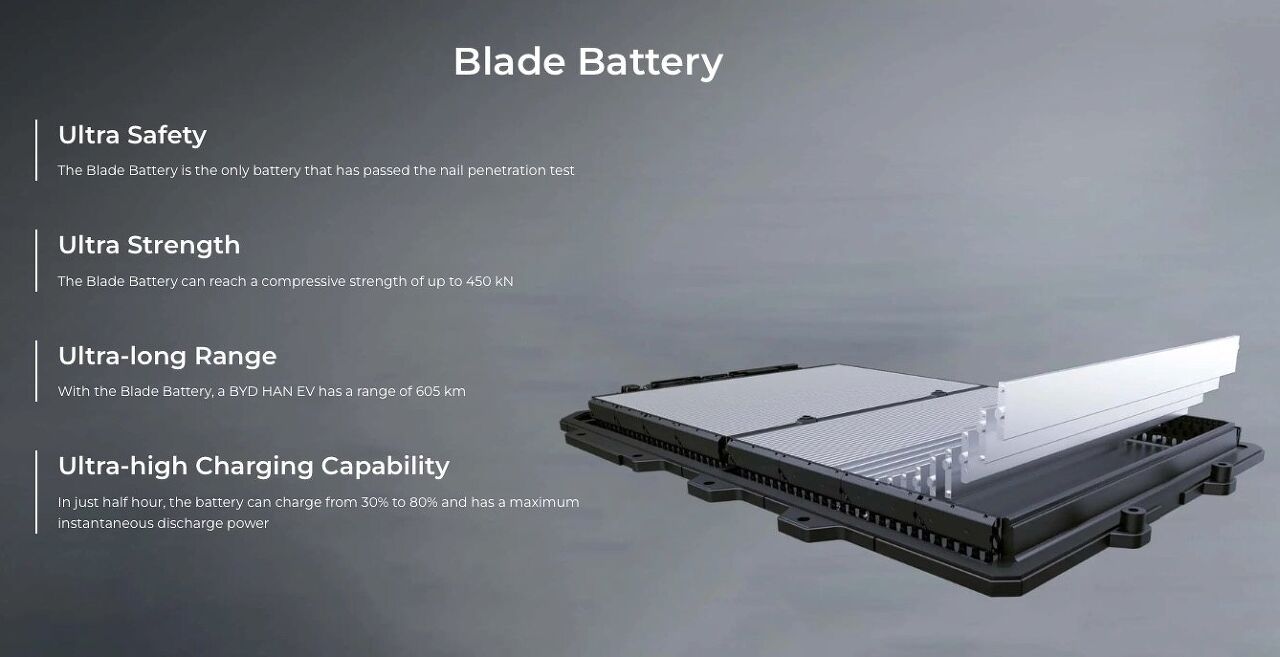
BYD Company Ltd. operates across electronics, autos, renewable energy, and rail transit. That spread is not an accident of acquisition. It is the result of a battery maker deciding, over three decades, that it could build the things its batteries power, then the things that move those things, then the infrastructure they run on. To understand BYD you have to start before the cars existed.
Wang Chuanfu founded BYD to make rechargeable batteries in February 1995, formally registered as Shenzhen BYD Battery Company Ltd. Before that he worked as a vice supervisor at Beijing’s Nonferrous Research Institute. He saw an opening as Japanese companies shifted from NiCd toward higher-value nickel-metal hydride and lithium-ion chemistries, and he went after the segment they were leaving behind.
The early strategy was labor, not automation. BYD built its business on manual labor rather than the capital-intensive, highly automated processes Japanese rivals used, and that approach, combined with in-house production of key machinery, cut its unit costs to roughly five or six times lower than Japanese competitors. It worked. BYD won an order from Sanyo in 1996 that marked its arrival in the global supply chain, and by July 2002 it had surpassed Sanyo to become the world’s leading NiCd battery maker, accounting for 65% of global production.
The car business came later. BYD Auto was established in 2003. For a battery company that had just won the NiCd crown, building cars was the logical place to put all those cells.
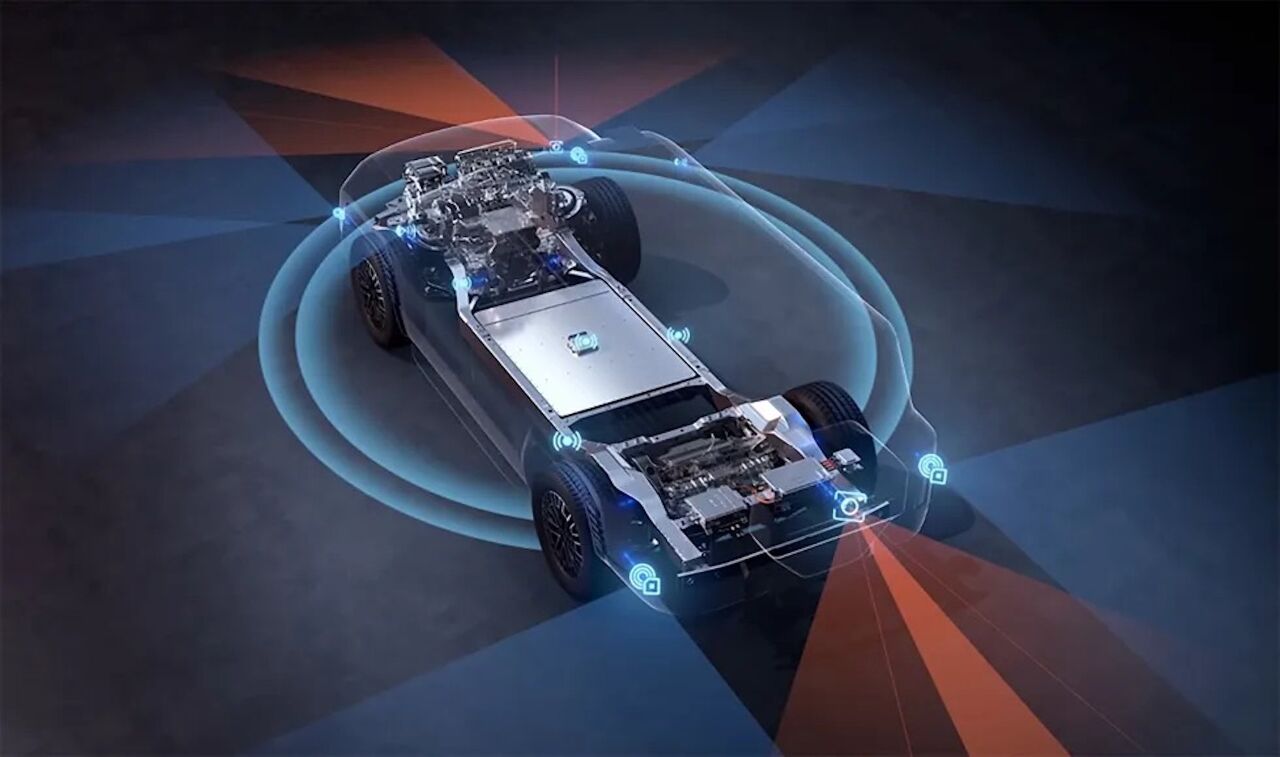
BYD is well known for its Blade Battery, and one sits in every BYD EV. The headline feature is safety: it has passed the nail penetration test, and its compressive strength reaches 445 kN, the equivalent of a 45-ton truck. The warranty runs eight years or longer, covering 310,685 miles and in some cases up to 621,371 miles.
BYD does not keep the batteries to itself. It functions as an OEM battery supplier, and FinDreams Battery, its subsidiary, ranked as the world’s number-two EV battery producer in 2024, holding 17% of the EV battery market behind CATL. Its customers include rivals. The Toyota bZ3, a China-only sedan co-developed with BYD, runs a BYD Blade Battery underneath, and regulatory filings show Tesla has fitted BYD cells in the Model Y.
BYD Energy Storage was founded in 2008 and specializes in energy storage solutions. According to its website, it has rolled out industrial and residential projects in 110 countries. The scale here is genuinely large and often overlooked in all the EV coverage.
In 2025, BYD topped global Battery Energy Storage System shipments at more than 60 GWh, displacing Tesla — the first year it held the number one BESS position worldwide. That gave BYD a 13 percent global BESS market share, against Tesla’s 10 percent, per Benchmark Mineral Intelligence. Tesla shipped 46.7 GWh of storage that year. The grid-scale battery business, in other words, is now another market where BYD leads and Tesla follows.
The most surprising corner of BYD is the one where it stopped being a parts supplier and became a civil engineering firm. SkyRail is an advanced monorail; its carriages ride on an elevated single beam that supports and guides them, and BYD built the entire system — vehicles, tracks, stations, and communication systems. The R&D project ran five years, mobilized more than 1,000 engineers, and cost over 600 million euro, with total SkyRail investment exceeding $1 billion.
The pitch is cost. SkyRail runs about a fifth of what a subway costs to build, with construction taking as little as two years — one third the time a subway takes, helped by prefabricated track beams. It can move 10,000 to 30,000 passengers per hour in one direction. BYD positions it for cities worried about the financial burden of a subway. It has launched lines in Shenzhen and Sao Paulo, Brazil. The grand plan was bigger: an initial rollout across more than 200 Chinese cities was cut back sharply once Beijing moved to curb local government debt.
The vertical integration shows up in the financials. BYD’s net profit in 2025 was CNY 32.62 billion, roughly $4.72 billion, and it earned 1.25 times more net profit than Tesla while pulling in 1.23 times the revenue. It sold 2.81 times as many vehicles. That volume comes at a lower price per car — a domestic average selling price around CNY 141,000, about $20,400 — but the batteries, electronics, and storage businesses give BYD revenue streams Tesla does not have.
It is not all up and to the right. BYD’s 2025 revenue grew only 3.46%, its slowest in six years, net profit fell 18.97% — its first yearly profit drop in four years — blamed on a fierce domestic price war that squeezed margins. Overseas is now the profitability lever: exports passed the 1 million mark for the first time, hitting 1.05 million, a 145% jump, and overseas operations rose to 38.65% of revenue.
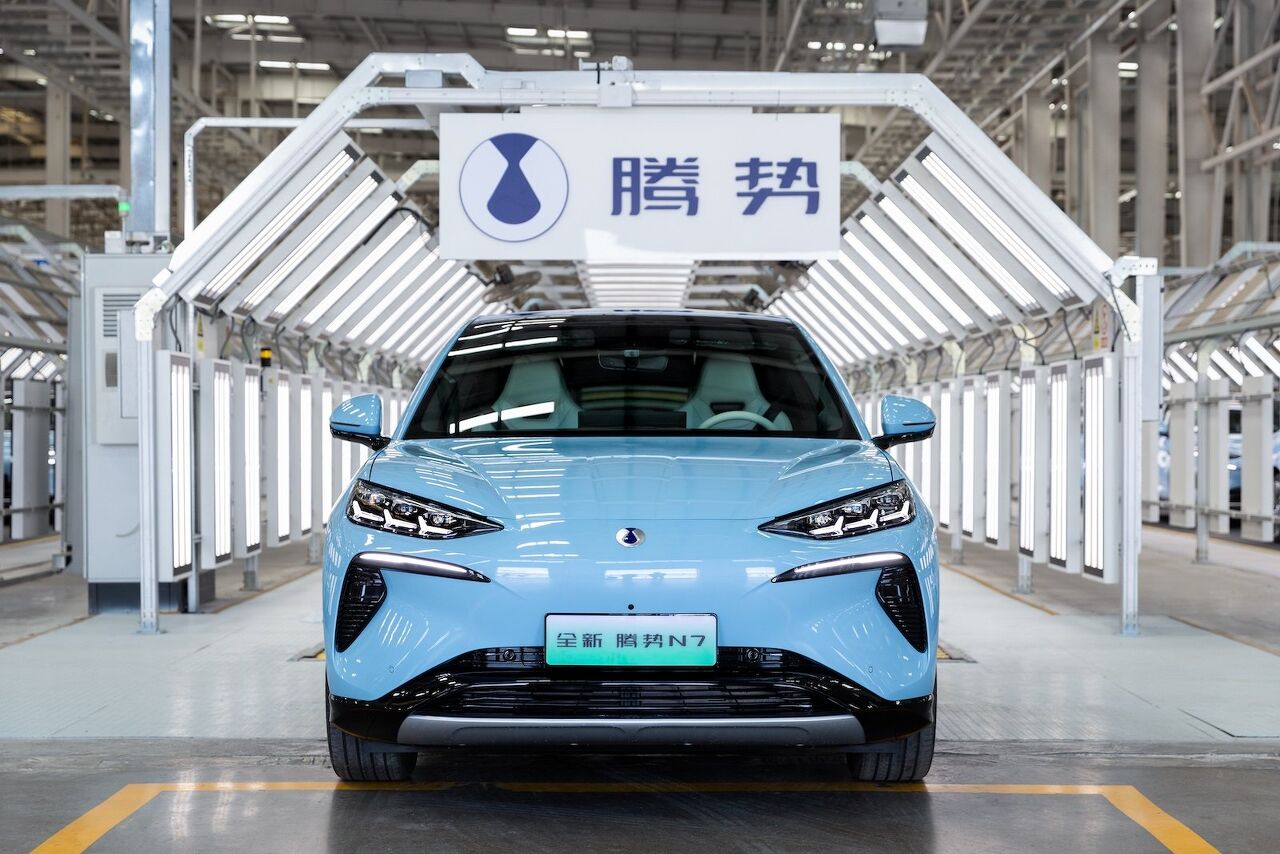
If you want to track BYD as the conglomerate it actually is, read past the vehicle delivery numbers. Its 2025 annual report is filed on the Shenzhen exchange under 002594.SZ and on HKEX under 01211.HK, where the segment breakdowns show handset revenue and the rest.
Watch the energy storage shipments, since that is where BYD just overtook Tesla. And keep an eye on U.S. legislation banning Chinese vehicle software from 2027 and Chinese hardware from 2030, on top of existing 100 percent tariffs on Chinese EVs — the regulatory wall that will decide how much of this empire ever reaches American roads.
[Images: BYD]
Become a TTAC insider. Get the latest news, features, TTAC takes, and everything else that gets to the truth about cars first by subscribing to our newsletter.