


For the last few decades, American vehicles have been trending toward gargantuan largeness. But there’s mounting data suggesting that may be about to change.
We’ve discussed automobiles increasing in size before. The rationale behind the trend comes from manufacturers exploiting emissions loopholes and prioritizing larger vehicles offering superior profit margins per unit sold. American drivers have also shown a clear preference for sizable automobiles in general — viewing them as more luxurious, commanding, and safer than pint-sized alternatives.
While perhaps most visible among the SUV and pickup segments, practically all automobiles have grown in size over the past several decades. For example, a Honda Civic sedan from 1990 is over 16 inches shorter and 4 inches narrower than its modern counterpart. Calling that significant would be an understatement as two automobiles produced today with that kind of size disparity would be in entirely different vehicle classes.
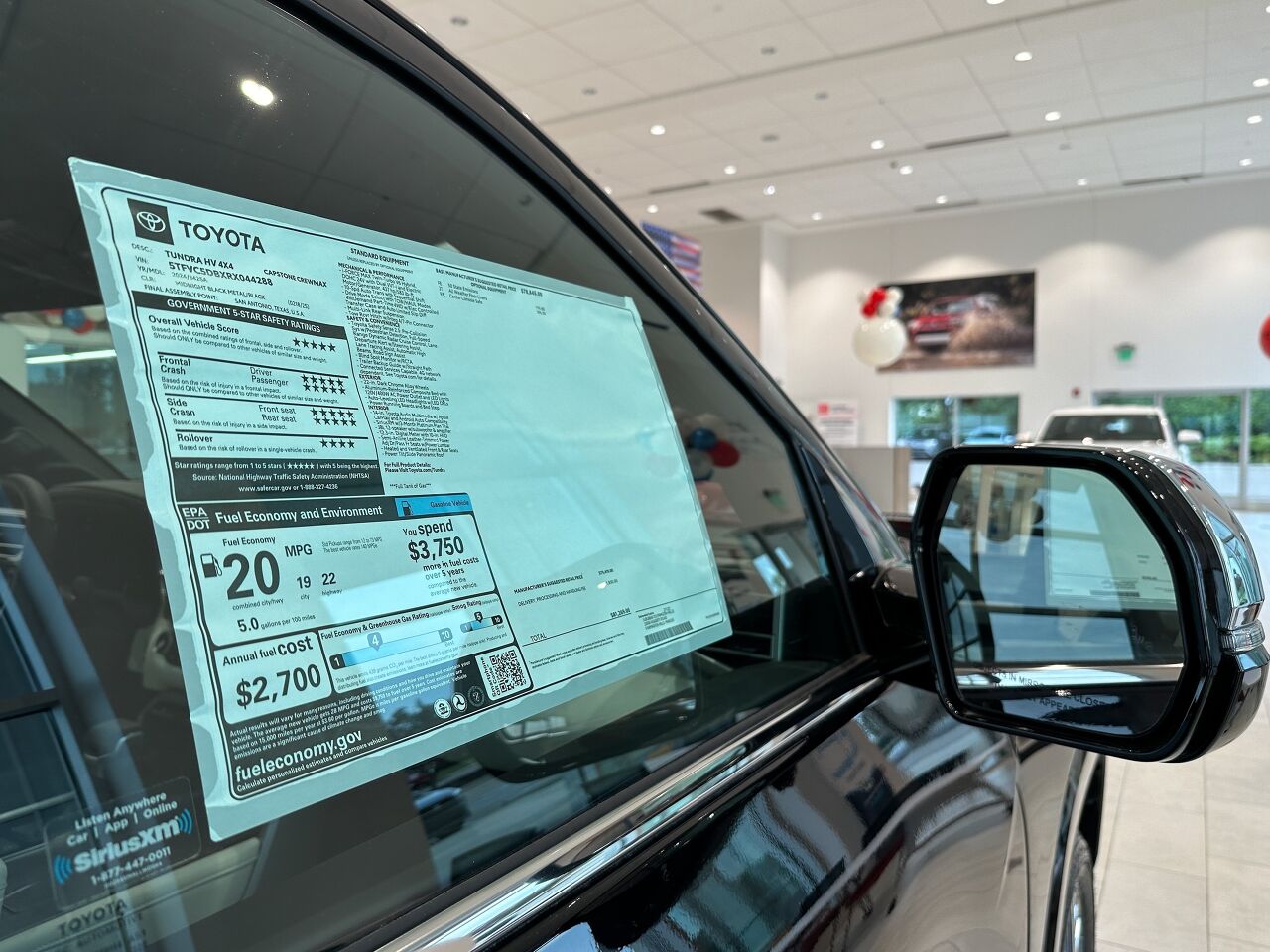
Combined with offering substantially more standard features than older models, this (along with inflation and the industry’s quest for increased profits) has dramatically raised MSRPs. The average transaction price for a new vehicle in 2026 is estimated to be roughly $50,600. That’s about double what it was in 2006 and helps to explain what appears to be driving some shoppers back toward smaller vehicles.

Over the summer, Cox Automotive noted that smaller classes of vehicles were seeing noteworthy sales gains as larger segments (e.g. full-sized pickups and SUVs) had remained a little more flat. Kelley Blue Book identified similar trends, suggesting that consumers may simply be prioritizing saving themselves some money. The assumption isn’t that Americans have lost their preference for oversized models, just that those vehicles have effectively become high-priced luxury items fewer households can afford.
Economic conditions are what’s at the core of this issue, which is underscored by sustained inflation and record-breaking automotive debt. Collectively, outstanding United States auto loan debt is now estimated to be around $1.71 trillion according to the Federal Reserve. Repossession rates have likewise risen by 43 percent over the last two years, hitting figures that we’ve not seen since the Great Recession.
All things point to drivers being unable to support payments on the kind of rides that are presently on offer. Since most automakers now have captive finance arms, their customers amassing debt just meant more profits. But that only holds true so long as there is someone who can continue making payments. With delinquencies likewise approaching record levels, there is a strong chance that may not remain the case for much longer.
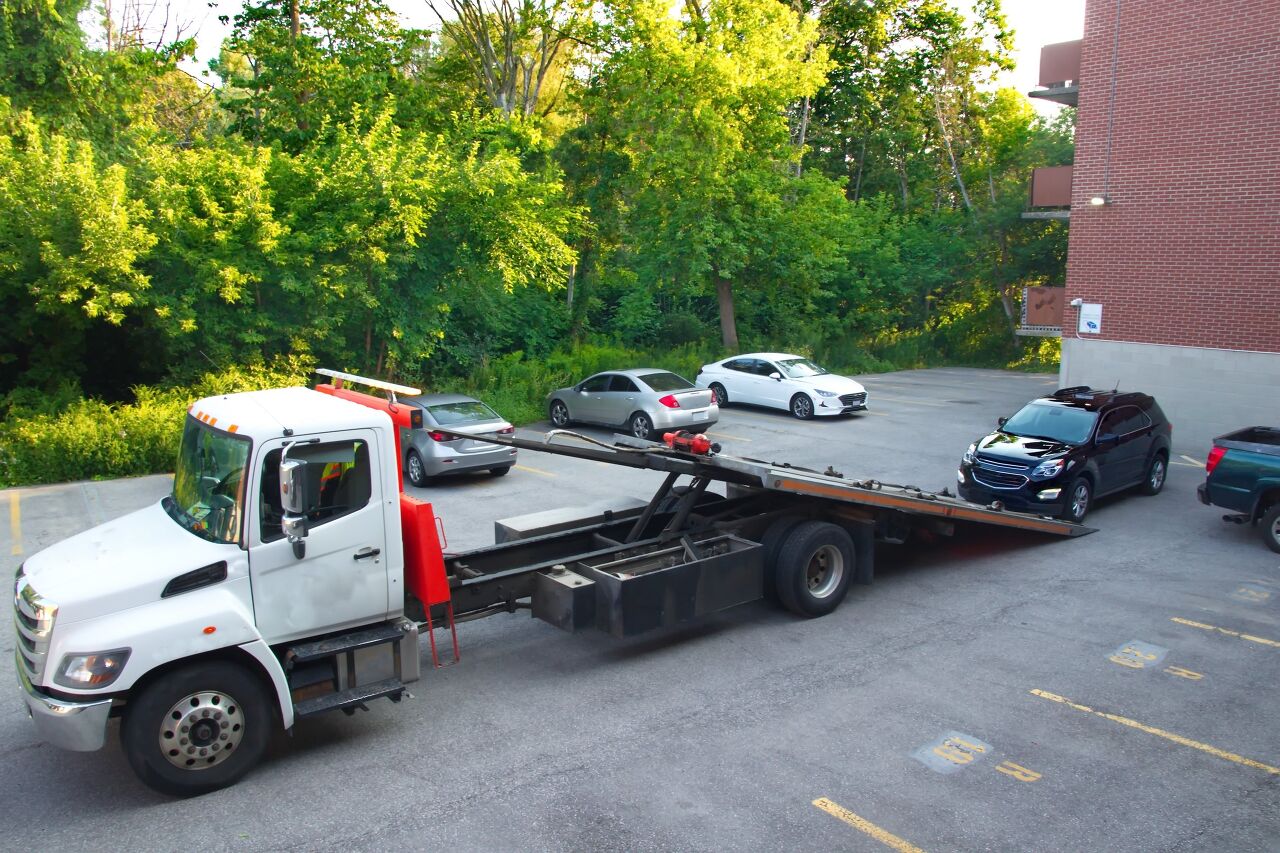
At present, an estimated 5.7 percent of all vehicle loan payments are at least 90 days overdue. That’s nearly double what one would expect to see under normal (modern) circumstances and about quintuple what would have been normal during the 1960s.
The obvious solution is to start selling cheaper automobiles. But automakers want to maintain their current levels of profitability, ideally improving metrics so they can continue appeasing investors. Smaller cars have historically been less profitable for companies to produce than larger alternatives. However, their customers may be making the decision on behalf of the industry based upon recent purchasing trends. The average car is clearly poised to become smaller and not necessarily because buyers wanted it that way.
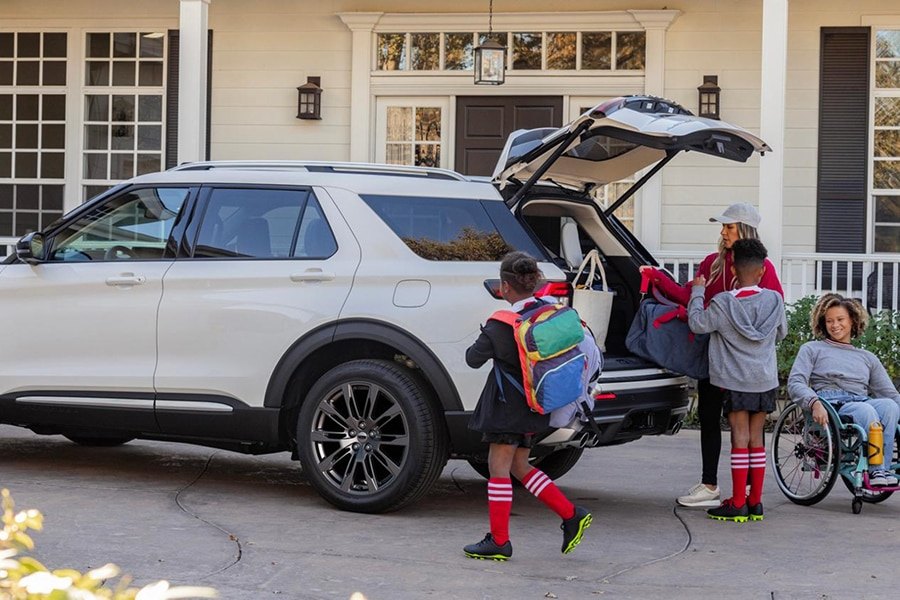
Still, the notion that we’ll suddenly see a rash of micro cars flooding into North America remains unrealistic. Americans routinely drive longer distances at higher speeds than their European or Asian counterparts. They are also more likely to want to haul around more people, larger objects and engage in towing. This makes small, underpowered vehicles less appetizing from a volume perspective — even if they happen to come with lower, highly appealing MSRPs.
We can even point to plenty of imported autos that flopped. The Fiat 500 and Smart ForTwo are probably the best examples in recent memory. But there are also pint-sized models that were sublimely engineered with an enthusiastic following that just couldn’t hang in there.
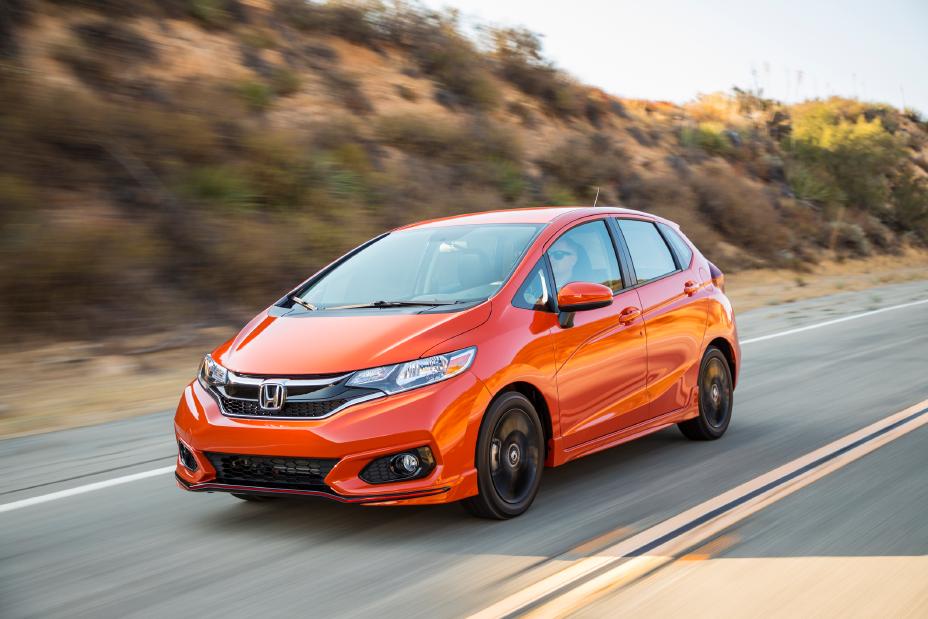
The Toyota Yaris and Honda Fit are quite possibly two of the best small cars ever to grace our market. However, both were discontinued around 2020 so their respective manufacturers could prioritize larger models offering higher volumes and superior profitability.
Historically, Americans only bother with small cars during periods of economic duress. We saw a rash of tiny European imports (e.g. Volkswagen Beetle) making a splash following an economic recession in 1958. Japanese brands also managed to use small models to gain ground on our market in the wake of the 1973 OPEC oil embargo and subsequent 1979 energy crisis. But we haven’t seen smaller models trending since the domestic automotive industry went bust in 2008, coinciding with a general economic slowdown and elevated fuel prices.
Many of those factors seem to be present today. Whether we are talking about vehicles themselves, the fuel or electricity they burn, the repair parts they need, or most other consumer goods, the prices are high and wages have broadly failed to keep pace. The United States is also confronting record low birth rates, minimizing the need for sizable families to option larger vehicles over the next several years.
That said, the industry play will undoubtedly be to remove content from vehicles before they start shrinking them in size. This is already being done via material selections and automakers using screens supplant physical buttons and/or traditional instrument clusters. While often marketed as modern and cutting edge, these changes help reduce upfront production costs and create more manufacturing consistency between trims.
There are also numerous obstacles standing in the way of smaller vehicles succeeding on the market that have nothing to do with customer taste. Many of the smaller models that could be imported into the United States are presently built overseas. Simply certifying them to adhere to U.S. regulations is likely to be quite expensive, as would transporting them in meaningful numbers. Global shipping rates are presently elevated and the current U.S. tariffs would presumably nullify any hope of the relevant automaker making money on them unless they were manufactured domestically. But that would require sizable investments into local production facilities.
With our market having consistently rewarded automakers for building increasingly large vehicles, there will be little incentive for them to change course. But there is a clear and growing appetite for vehicles qualifying as midsize or smaller.
Recent changes to U.S. emission regulations have created a situation where automakers once again feel comfortable offering larger motors. As an interesting byproduct, this has also nullified some of the regulatory loopholes that previously encouraged them to field massive automobiles. We may actually see some smaller vehicles come back into style as performance cars before low-cost efficiency models start to appear.
But all of the above assumes some consistency in terms of U.S. regulatory and trade actions over the next several years and that’s hardly a certainty. A change in leadership could see previous emission rules come back into play. Tariffs could likewise be increased or eliminated entirely. Any number of rule changes could take place, impacting the industry in as of yet unknown ways. In fact, the only sure thing is that automakers will be lobbying the government to take whatever action benefits their bottom line.
That leaves the primary driving force behind the push toward smaller vehicles on the drivers. Granted, they’re simply adapting to economic conditions. But the industry cannot squeeze blood from a stone. If buyers decide they cannot take on the same levels of debt that have become customary (which appears to be happening) then they’ll continue to pivot toward cheaper vehicles.
This will eventually lead to the industry pulling back on oversized models in a manner similar to how they walked back all-electric vehicles. EVs haven’t been abandoned. We’re even starting to see companies plotting smaller electrics (e.g. Ford Fathom), perhaps in a bid to cater to the underserved corner of the market wanting sized-down models. But automakers ultimately failed to reach their projected EV sales targets and have struggled to make the segment profitable as the relevant government subsidies went away. It would undoubtedly be a similar story with full-size pickups and SUVs should a meaningful percentage of those vehicles suddenly go unsold on dealer lots.
But larger models won’t be going away. Several of the best selling vehicles are still full-size pickup trucks and SUVs. There will always be a quotient of people wanting to own something sized just shy of a monster truck and entire brands where those models serve as the keystone of their lineup.
The industry exists in this odd space where manufacturers routinely have to balance the vehicles they want to produce against what their customers claim to prefer and the kinds of cars that actually sell. If they could, today’s automakers would just sell everyone $120,000 deluxe behemoths at ultra-high interest rates they’d be forced to pay off for the rest of their lives. But there’s a limit to how long something like that can happen (even on a limited basis) before it’s no longer tenable.
Analysts are already suggesting that the pivot toward less-expensive (typically smaller) vehicles may be enough to mitigate the industry’s swelling average transaction price. ATPs actually declined slightly at the very beginning of the summer, with the subsequent increases being attributed primarily to automaker’s raising the price of various models at higher than average rates. That means the difference came from spiked MSRPs, rather than people opting to buy larger or fancier automobiles. We should be able to verify this at the end of the fiscal year when automakers release sales data on individual models.
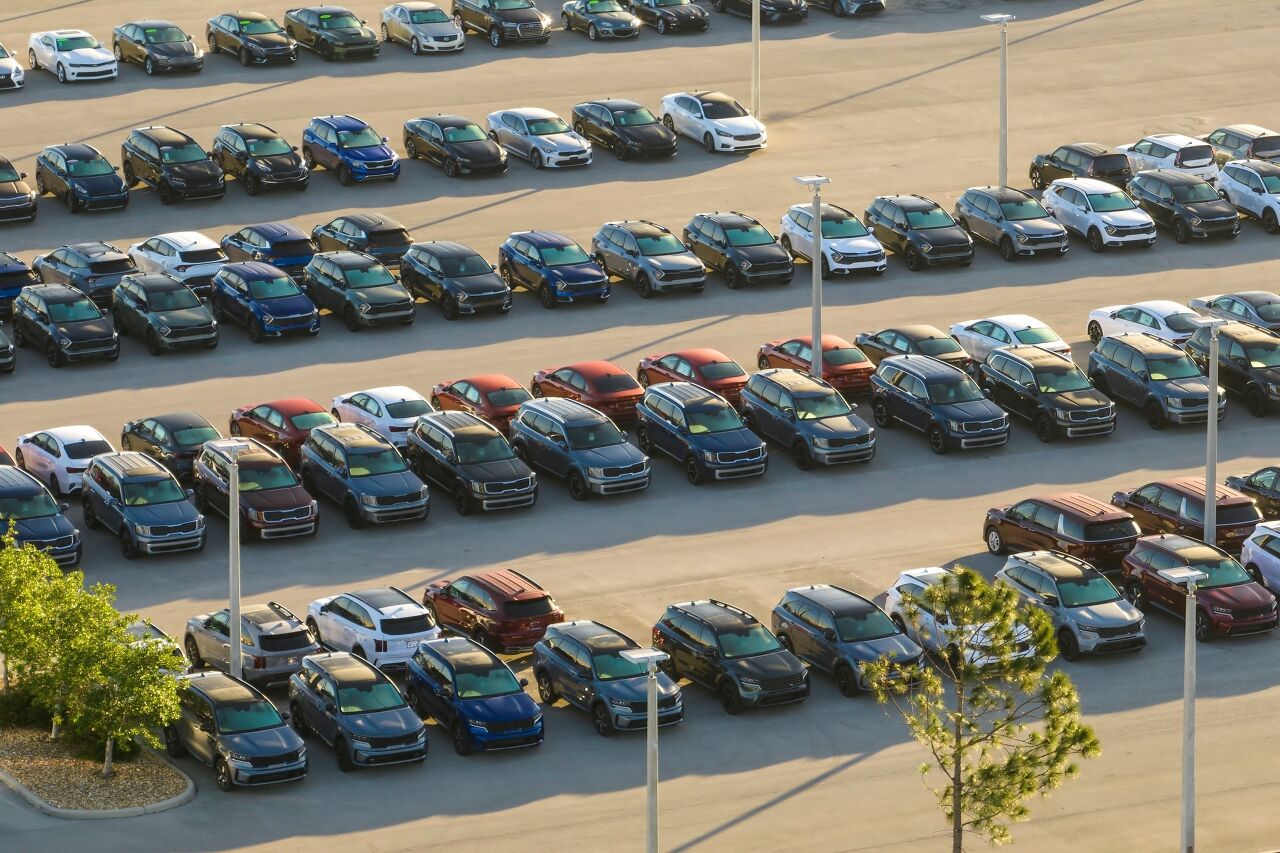
[Images: Chizhevskaya Ekaterina/Shutterstock; Inside Creative House/Shutterstock; Jim Reed/Shutterstock; Honda; Ford; Kenishirotie/Shutterstock; Bilanol/Shutterstock]
Become a TTAC insider. Get the latest news, features, TTAC takes, and everything else that gets to the truth about cars first by subscribing to our newsletter.
