

Today, October 6, 2026, marks the 60th anniversary of the introduction of two particularly important cars in the American market: the Cadillac Eldorado and the Rambler Rebel. Though these cars competed in different segments and are remembered differently today, they both played strong roles in something novel missing in other models from the 1967 model year.
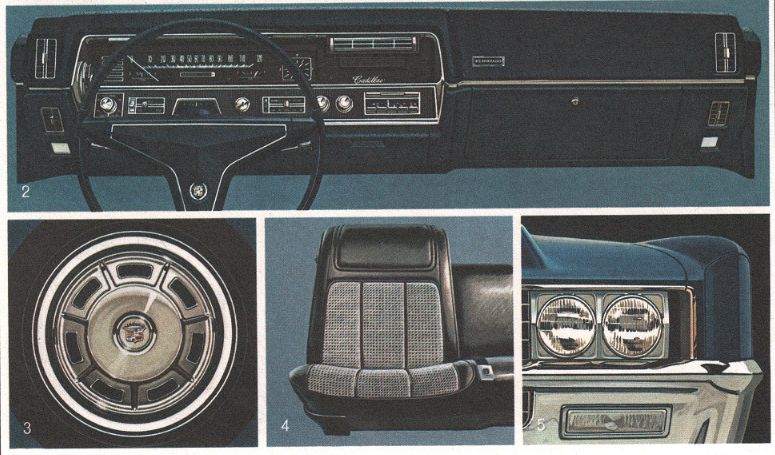
The Cadillac Fleetwood Eldorado (which is its complete, formal name) wasn’t pioneering in any way — that role was played by the 1966 Oldsmobile Toronado on which it was based — but the new front-wheel-drive personal-luxury Cadillac exuded style that few others could match. With razor-edged British influences, the crisp 1967 Eldorado was somewhat of a second take on the 1963 Buick Riviera, yet no one would confuse the Eldorado for a British car.
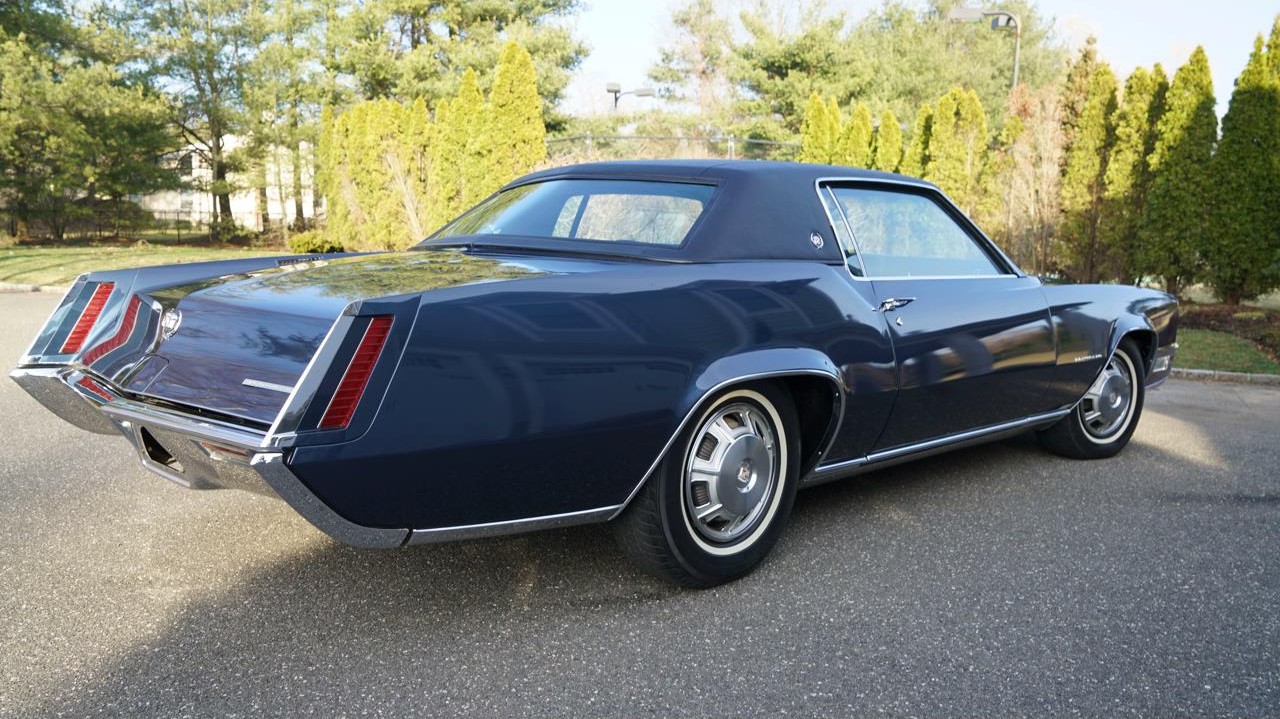
The Eldorado’s long hood contrasted nicely with its short deck, giving the image of speed (and somewhat mimicking the pony car formula in a much larger form). Hidden headlights were a nice touch, a somewhat newfangled feature in the fall of 1966, though several other cars also introduced hidden headlights as a feature. Out back, subtle taillights were mounted on both sides of each knife-edged fender — a nice touch because they could be seen from any angle.
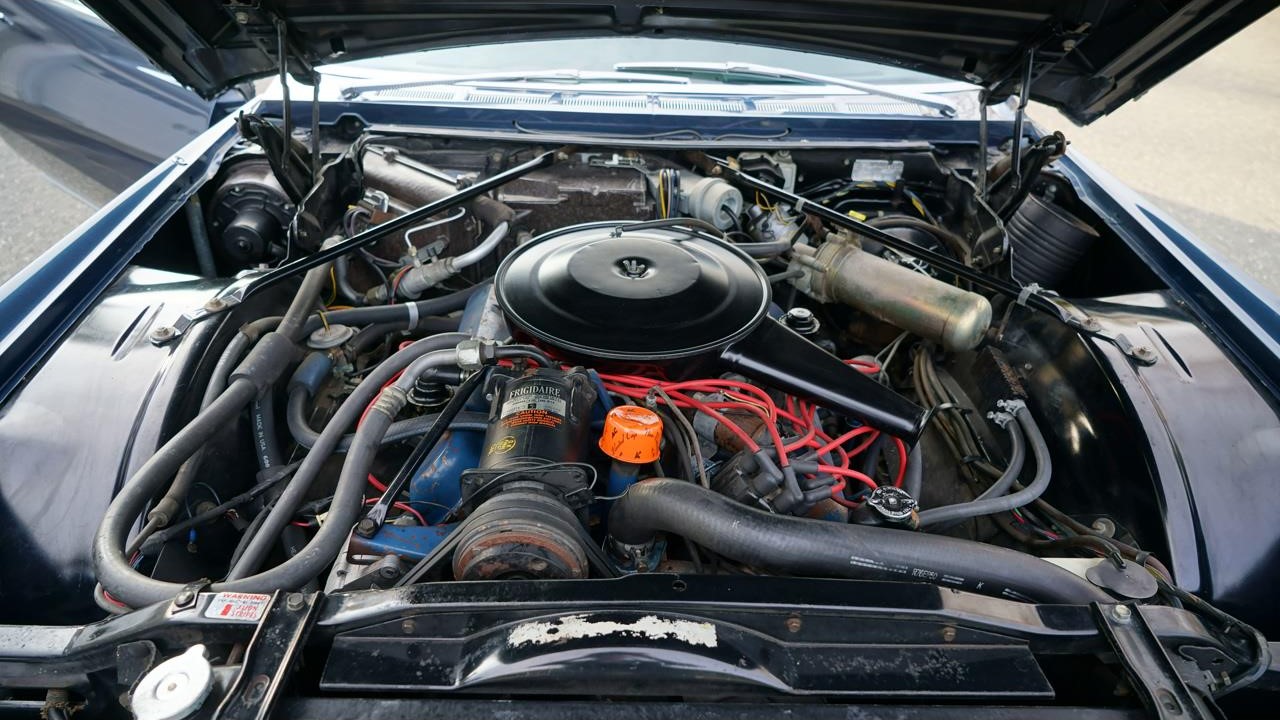
Power came from a 340-horsepower 429ci V-8 that was shared with other Cadillac models. The difference was that the Eldorado’s specially modified TH400 transmission, called TH425, that was reengineered to drive the front wheels.
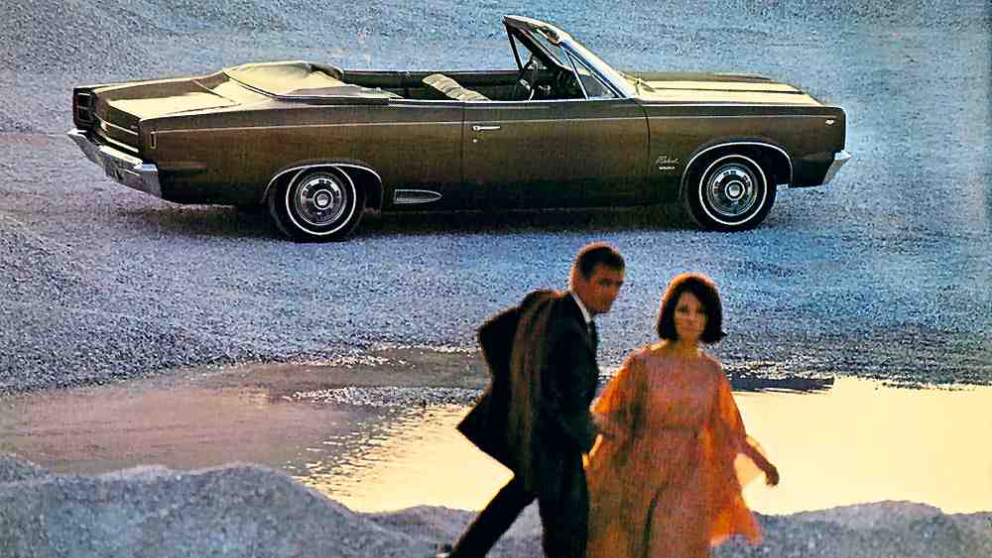
Sharing the same introduction date in 1966, the 1967 Rambler Rebel doesn’t appear to share any of the Cadillac’s charms — in fact, it’s utterly conventional in many ways. Previously known as the Classic, American Motors’ mid-size series featured a wheelbase that grew two inches (as did its overall length) to 114, with a width that was up four inches to 78.4. Trim levels included the 550, 770, and the all-new SST.
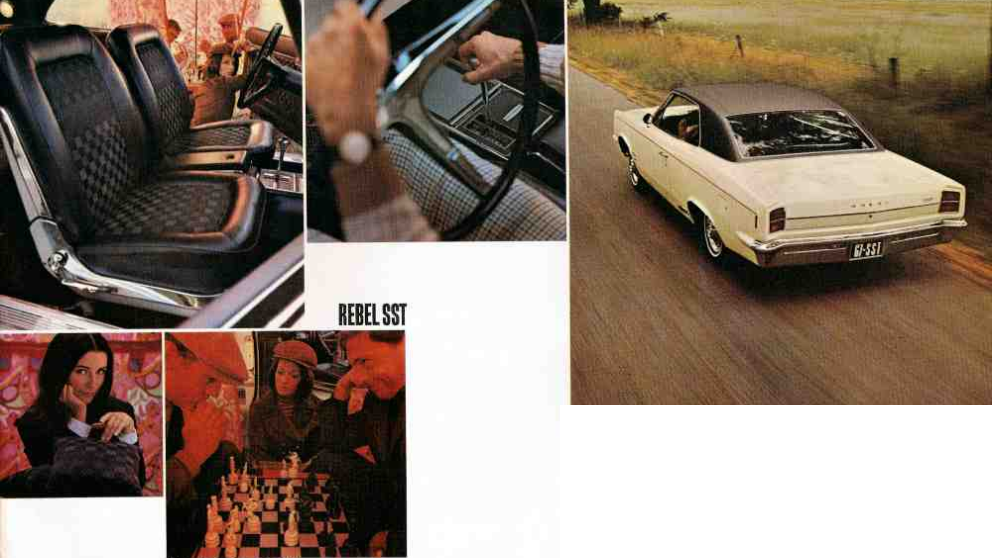
Buyers had a choice of five engines, from a 232ci one-barrel six, the same with a two-barrel, 290ci two-barrel V-8, and a new 343ci V-8 equipped with a two- or four-barrel carburetor, the latter offering 280 horsepower. The latter with a four-speed in a Rebel SST convertible would have been a peppy performer.
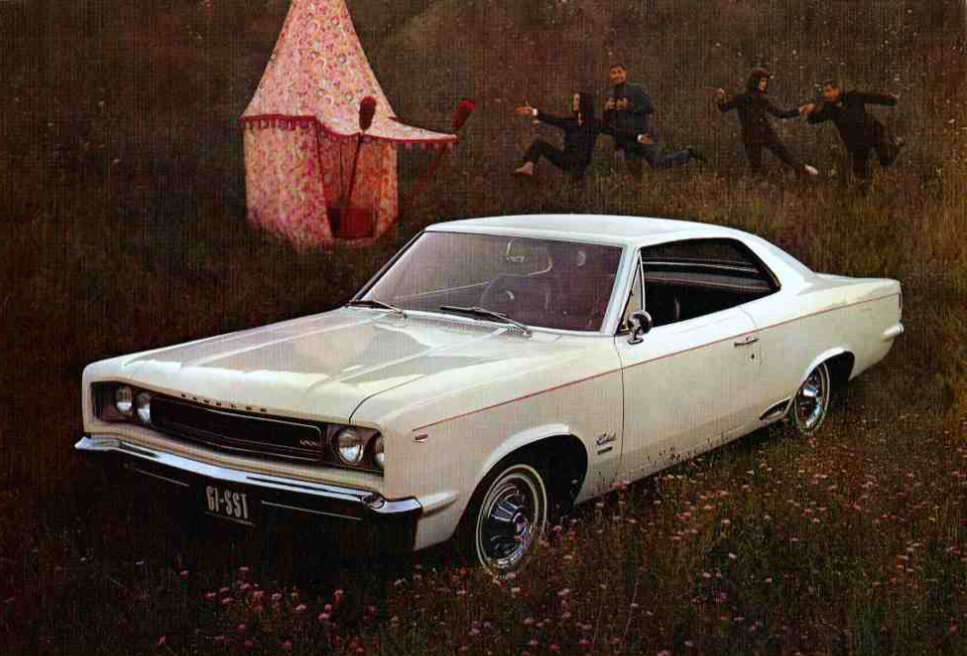
But what was most remarkable about the Rebel was its styling. It would be fair to say that it was the first 1968 intermediate to hit the market because all other competitors would not produce their redesigns until the following year. As such, the Rebel made all other intermediates appear out of date. This was not something American Motors often experienced, but the 1967 Rebel should be appreciated for appearing ahead of the curve. And when you see the 1968 Plymouth Belvedere and Dodge Coronet, it’s not difficult to see the resemblance to the Rebel.
For 1971, AMC (the Rambler name was shed as a brand for 1968) once again renamed its intermediate: Matador.
