

General George S. Patton said, “A good plan violently executed now is better than a perfect plan executed next week.” Having the right supplies at the ready in case you need to execute a good plan is crucial in times of war, or as its officially known, “conflict”. GM Defense LLC, a subsidiary of General Motors, knows that better than anyone and has accelerated its global business model to the benefit of the United States Army and its allies.
“The modern defense landscape demands advanced capability, rapid fielding and sustainable scale,” said Steve duMont, president of GM Defense. “We do not begin with a blank sheet of paper. By transferring GM’s world-class engineering, supply chain and manufacturing scale directly to the service member, we are transforming customer needs into mission-ready capability faster than ever before.”
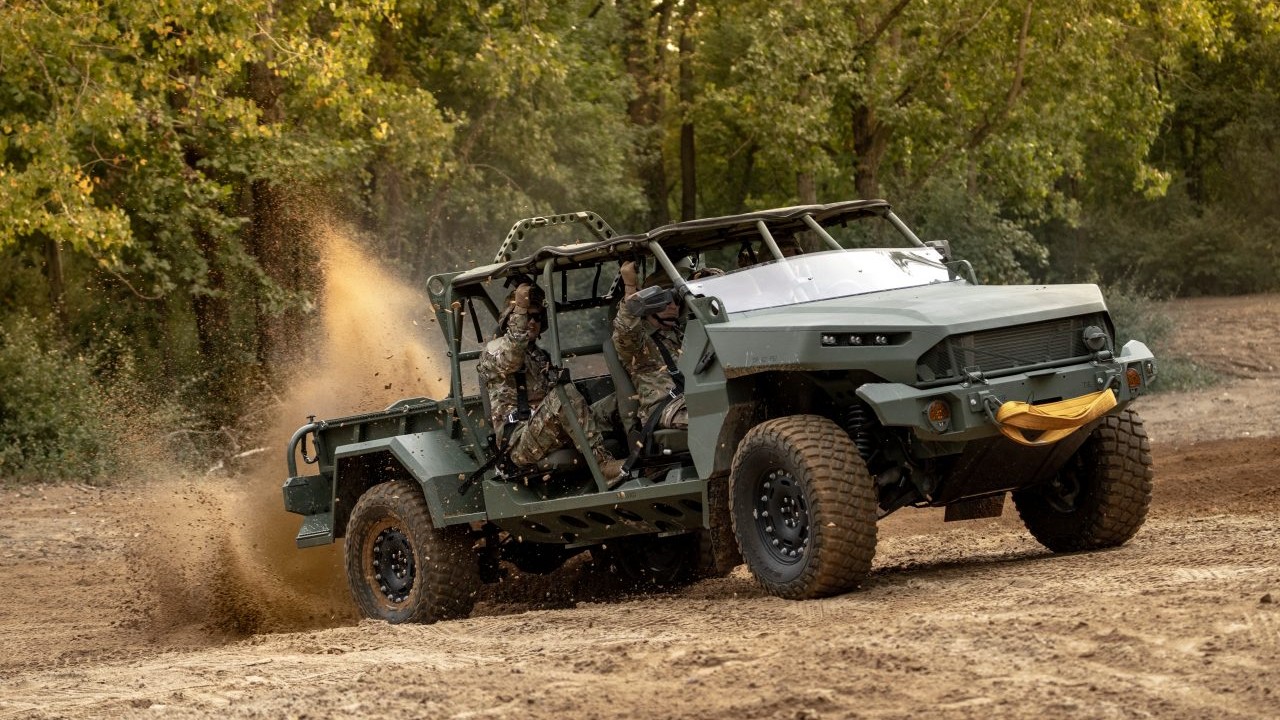
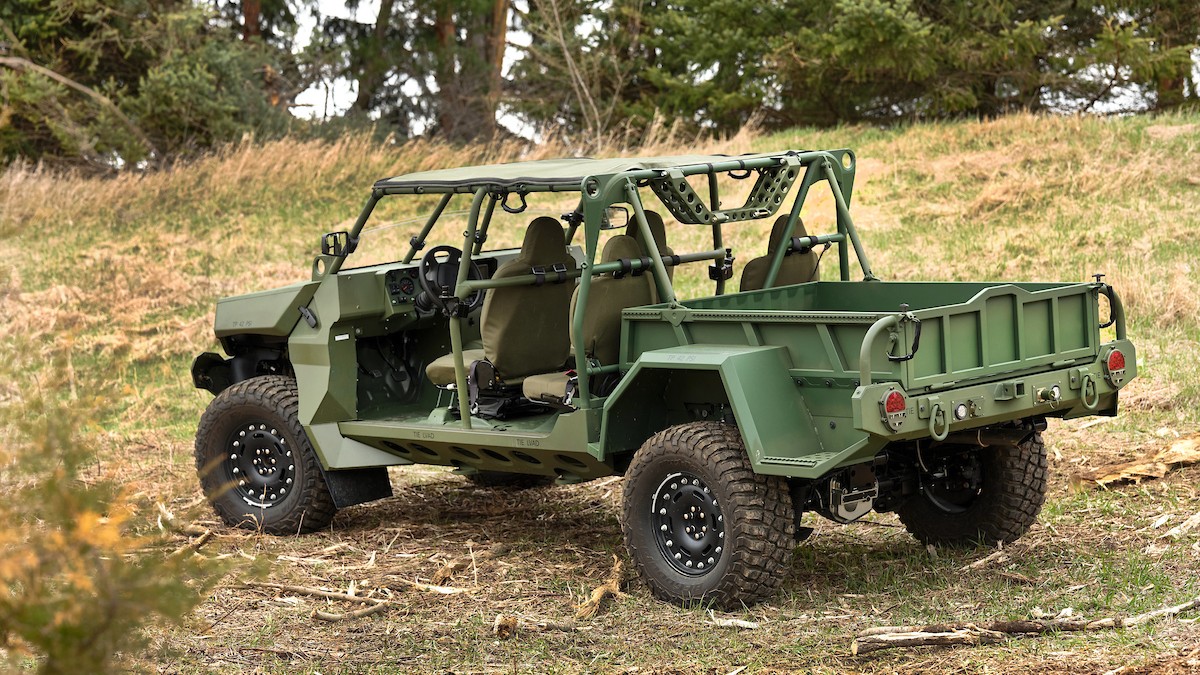
Originally, the U.S. Army only needed 649 infantry squad vehicles (ISV). As plans changed, that number became nearly 12,000, so GM had to adapt. It responded by working closely with the Army to identify “a clear operational gap.” Once that was identified, GM self-funded the creation of an ISV-Utility prototype and sent the Army seven of them at zero cost. That prototype became a “highly versatile five-soldier variant” that will be spread across 39 active-duty and mobile National Guard brigades.
Based on the Chevrolet Colorado ZR2, the ISV-Utility features a 2.8-liter Duramax turbo-diesel I-4 mated to a six-speed 6L50 Hydra-Matic transmission and an AutoTrac two-speed transfer case. The undercarriage features a Dana M190 front differential and a Dana M220 rear differential. These five-passenger SUVs weigh less than 5,000 pounds and can be delivered by a multitude of military aircraft, including the C-17, C-130, A-400M, CH/MH-47 Chinook, CH-53E Super Stallion, and CH-53K King Stallion.
Another show of speed is GM Defense’s quick turnaround of the mission-critical PAC-3 Missile Segment Enhancement housing components to Lockheed Martin. The two businesses entered into a contract on August 6, then 22 days later, Lockheed Martin got everything it needed from General Motors to build a critical air and missile defense system.
While at the Association of the United States Army Annual Meeting and Exposition, GM Defense unveiled two new concepts: an Unmanned Ground Vehicle (UGV) (similar to one built by AM General) and the EPIQ Hybrid prototype generator.
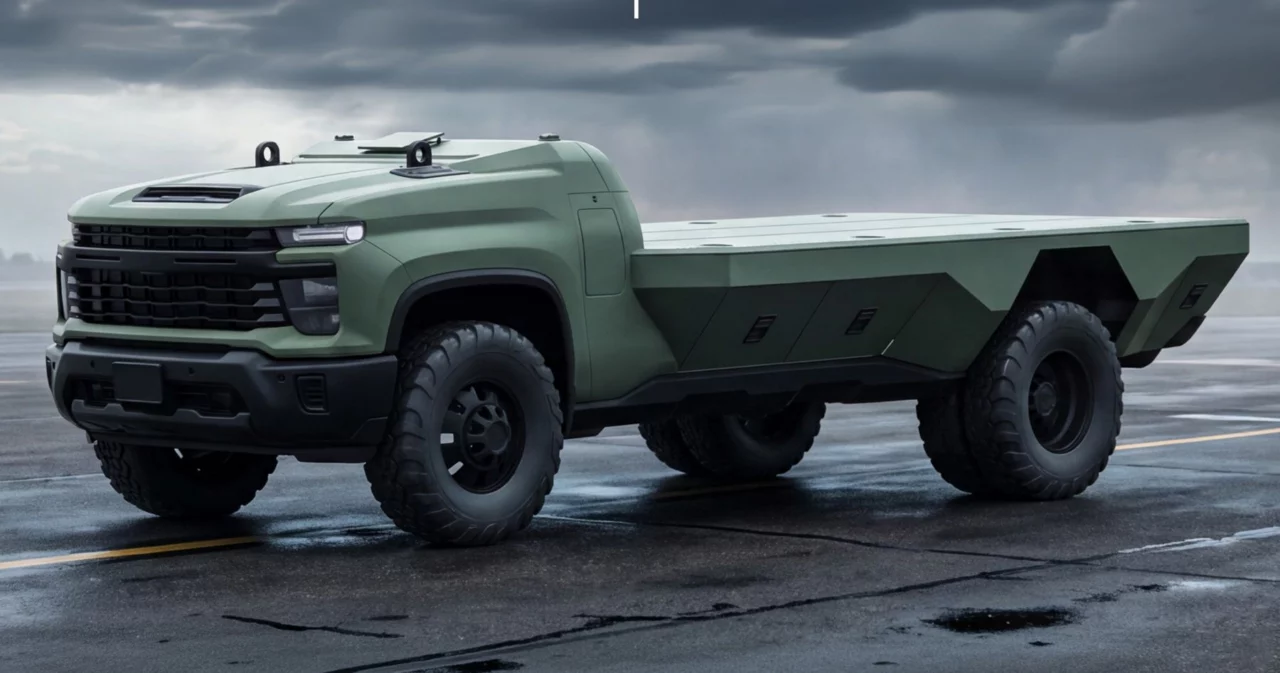
The UGV will be based on a Chevrolet Silverado 3500HD dually. Looking at the prototype, it appears to have the same components as the pickup outside of a place to sit and, most noticeably, a place to drive. It features dual-rear-wheel skateboard architecture, which would help with silent logistics and casualty evacuation, according to GM. Functional trials are slated to begin in 2027.
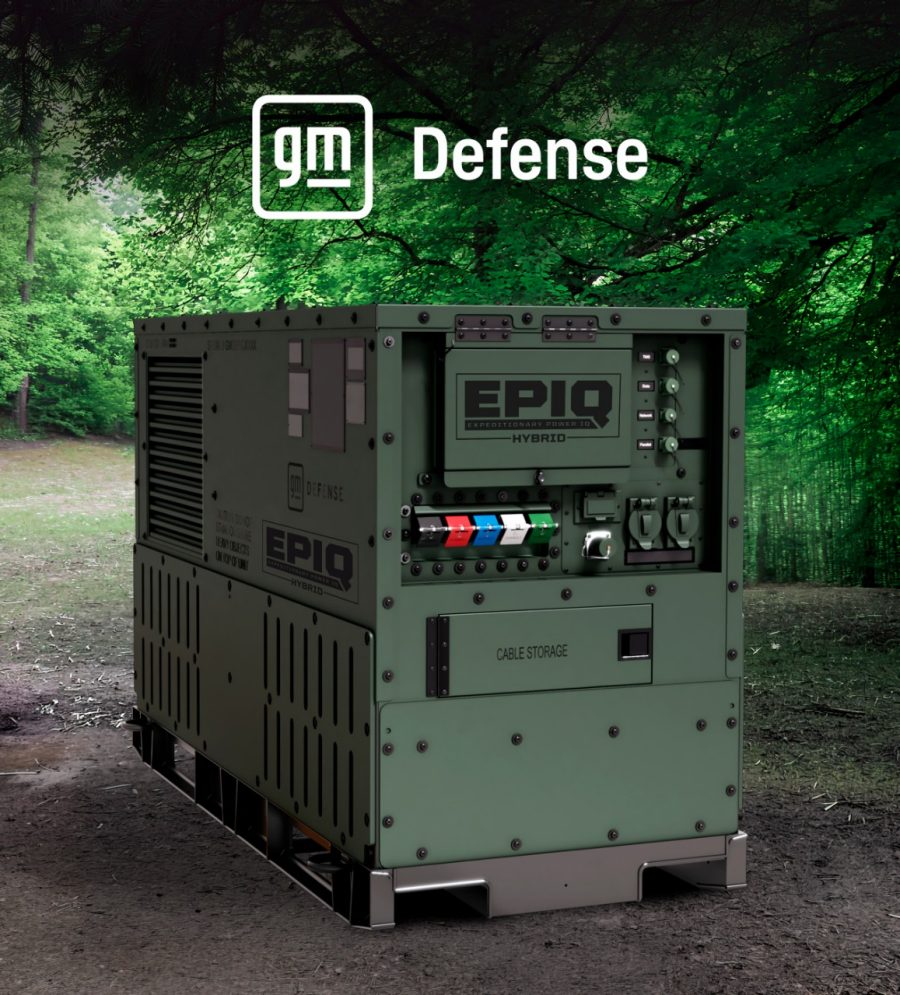
Inspired by its customers, GM Defense created a 60-kilowatt/100-kilowatt-hour energy storage system. These quiet, fuel-efficient, low-heat-signature generators would help provide much-needed power to our service members in remote areas.
While it is currently unclear why the U.S. Army tasked GM Defense with increasing production, one thing is clear: General Motors answered the call.
