

Arguments about how to add more horsepower are as integral to the classic car hobby as cats hating mice is to the plot of “Tom & Jerry.” There are many ways this is accomplished, some being upgrading to a cold air intake, adding a turbo or supercharger, and of course upgrading the engine. Two common options utilized for engine swaps are the Ford 5.0-liter “Coyote” and Chevrolet’s LS V-8s.
Since there are many variants for each engine, let’s use the Gen IV LS3 6.2L V-8 and Gen 4 5.0-liter Coyote V-8 crate versions for this debate. Also, let’s assume you have an unlimited budget to create a hot rod pickup. Go!
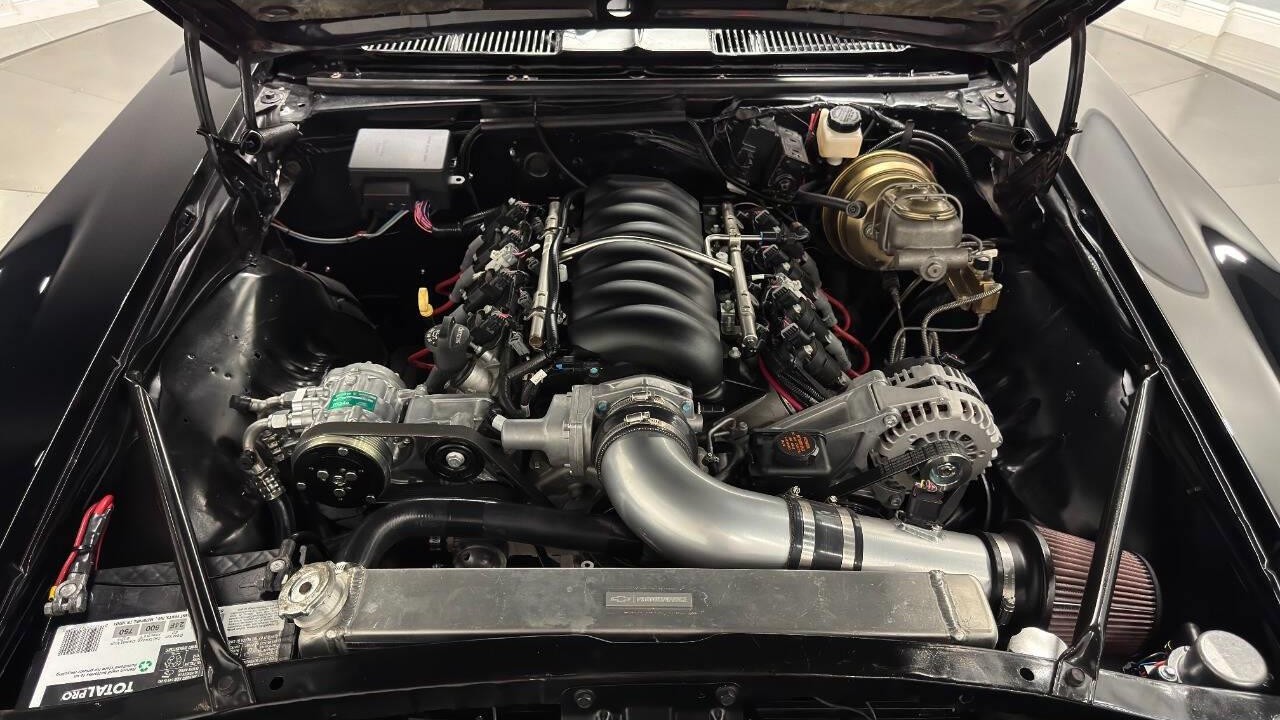
LS: First and foremost, parts for the LS engine are widely available. Secondly, at 24.75 inches wide, it’s relatively compact thanks to its traditional pushrod design. The crate engine we’re utilizing for this scenario also includes a cast aluminum block with six-bolt, cross-bolted main caps, and hypereutectic pistons. The downside is that it includes a nodular-iron crankshaft and powdered-metal connecting rods (which are weaker than the forged-steel crankshaft and sintered steel connecting rods on the Coyote), and that it has 50 less horsepower as well, though it leads in torque.
Specs:
- 430 horsepower
- 425 lb-ft of torque
- 10.7:1 compression ratio
- Weight: 430 pounds
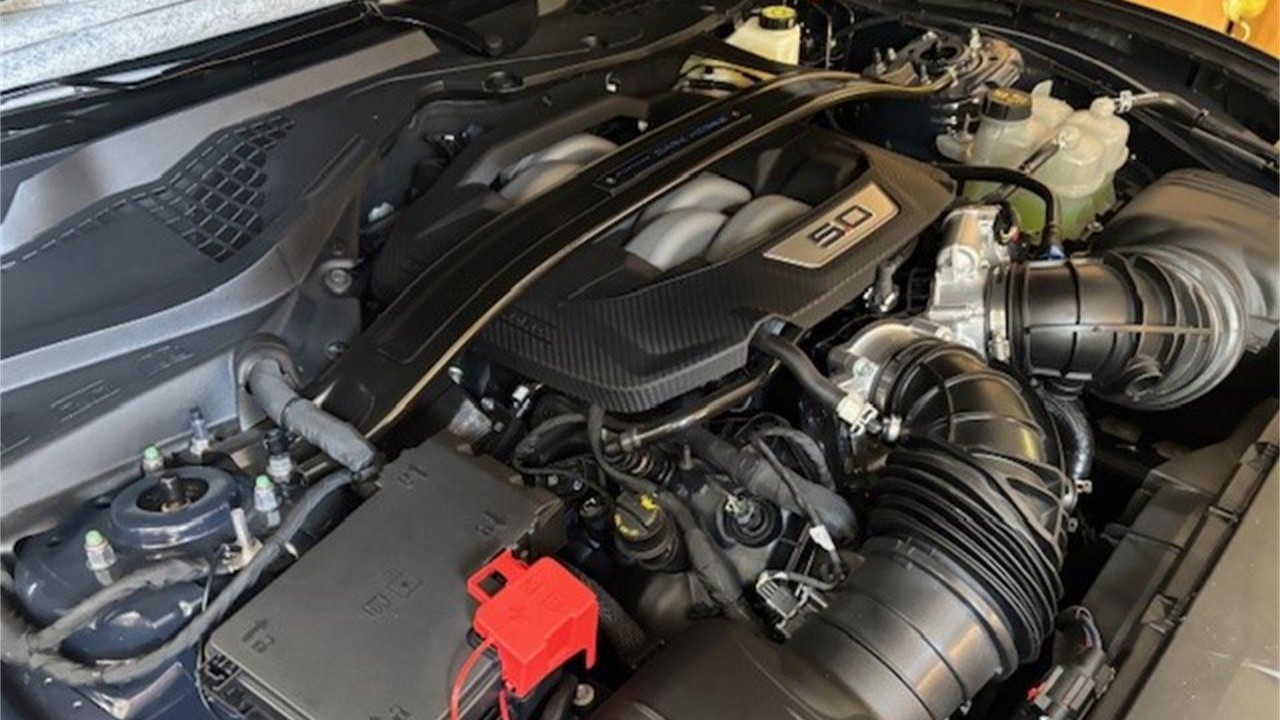
Coyote: The dual overhead camshafts and wide cylinder heads may make it larger, but those components also mean it can withstand much higher RPMs. The camshaft configuration also means greater airflow, more efficient combustion, and better performance. This version of the Coyote is similar to the LS in that it has an aluminum block, however the Coyote’s includes plasma transferred wire arc spray and weld liner coating. Both engines also include cross-bolted main bearing caps and port fuel injection. The downside to the Coyote is its size, installing this might mean you’ll have to do more work to the front end than originally planned like moving shock towers, modifying the fenders, install an independent front suspension, or Crown Vic swap the entire front end. The LS thanks to its compact nature can plug-and-play more easily into most engine bays.
Specs:
- 480 horsepower
- 415 lb-ft of torque
- 12:1 compression ratio
- Weight: 530 pounds
What would you pick? Have you built one of these yourself? Tell us in the Comments section below.
Like the green pickup at the top of the story? Give that 1955 Ford F-100 a closer look as it’s listed for sale on on ClassicCars.com.
